
Every spider plant care guide on this site uses the same vocabulary. Spiderettes, pups, stolons, the crown, root bound, variegation, etiolation. If you have spent five minutes reading plant forums, you have hit at least one term that the guide assumed you already knew. This page is the missing glossary: every term a spider plant owner actually needs, defined the way care guides use the word, with a worked example for each one.
The goal is quick lookup, not a botany lecture. Each term gets a one-sentence definition, a worked example, and a link to the deeper care guide that uses the term in context. If you came here from a specific guide, use the headings to jump to the term you hit.
Plant Anatomy Terms: What Every Spider Plant Care Guide Names
Care guides name parts of the Chlorophytum comosum without explaining them, because the guides assume you can picture the plant in front of you. These are the structural terms you need before anything else makes sense, and most of them apply to any common houseplant you keep in a pot.
The crown is the central growing point of the spider plant, where the leaves emerge from the root mass. It sits at soil level. When a guide tells you to water at the crown, or warns about crown rot, this is the spot. The root ball is the mass of roots and soil that fills the pot; a healthy root ball holds its shape when you slide the plant out but breaks apart easily with your fingers. Inspecting the root ball condition when you unpot the plant tells you more about watering history than the leaves do, because a tight pale root ball means the plant has been drinking faster than you realized, while a dark mushy one signals root rot. The leaf blade is the flat green part of the leaf; the petiole is the short stem that connects the blade to the crown. Most spider plant care guides use “leaf” to mean blade plus petiole together, but the petiole is where brown tips usually start, so knowing the difference matters when you are troubleshooting. The full spider plant care guide uses these terms throughout.
Spiderettes, Pups, and Stolons: The Vocabulary of Propagation
Three words get used almost interchangeably in spider plant care guides, and that is the source of most confusion for new growers. They name three related but distinct things, and the care guide you are reading usually means one specific one. Once you can tell them apart, the rest of the propagation vocabulary falls into place, including offset division and plantlet.
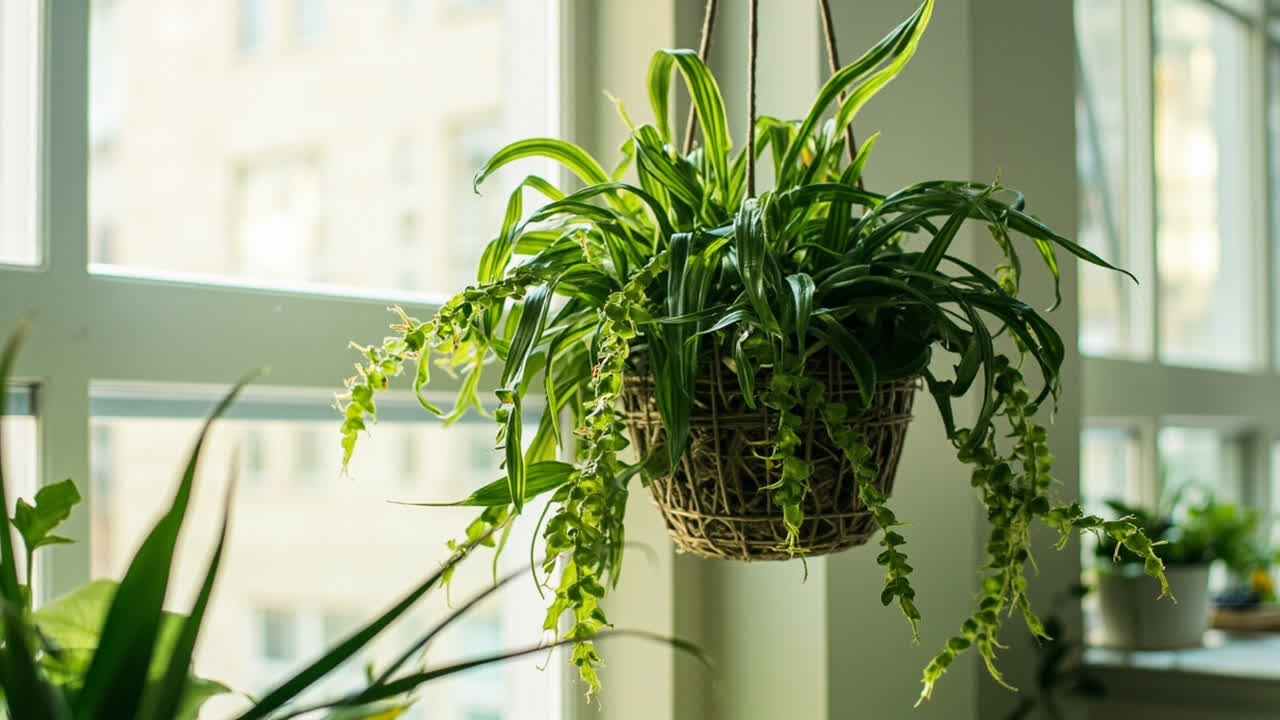
Spiderettes are the small plantlets that dangle from the long flower stalks of a mature spider plant. They look like miniature versions of the mother plant, complete with a tiny crown and a small root nub. A pup is the same thing under a different name; “spiderette” and “pup” are synonyms in everyday use. Botanically, both count as a plantlet: a small offset plant that the mother has produced without a seed. The stolon is the long arching flower stalk itself, the same structure that lets the plantlet reach outward and root where it touches soil. When a guide tells you to leave spiderettes attached to the stolon until the root nub is visible, the stolon is the stalk, and the spiderettes are the babies hanging from it. The full propagation method, including offset division (cutting the plantlet free and potting it on its own), lives in the propagation guide.
Variegation Terms: Stripes, Margins, and Reversions
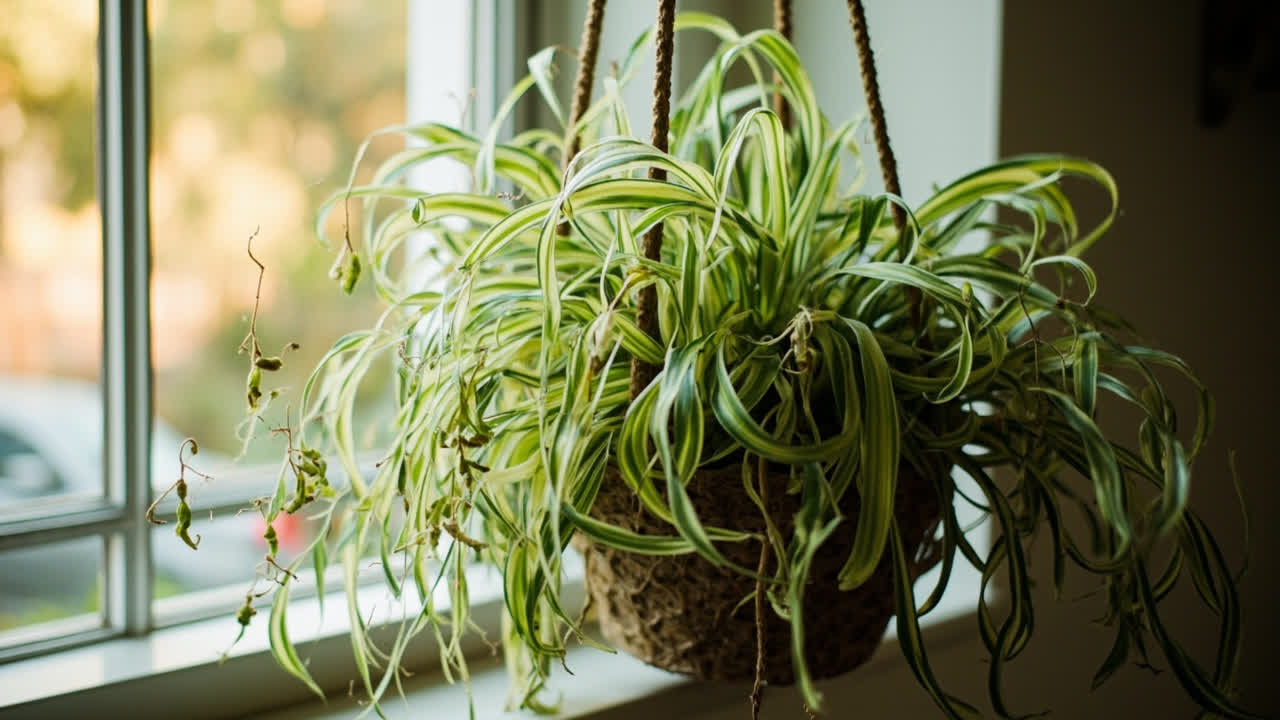
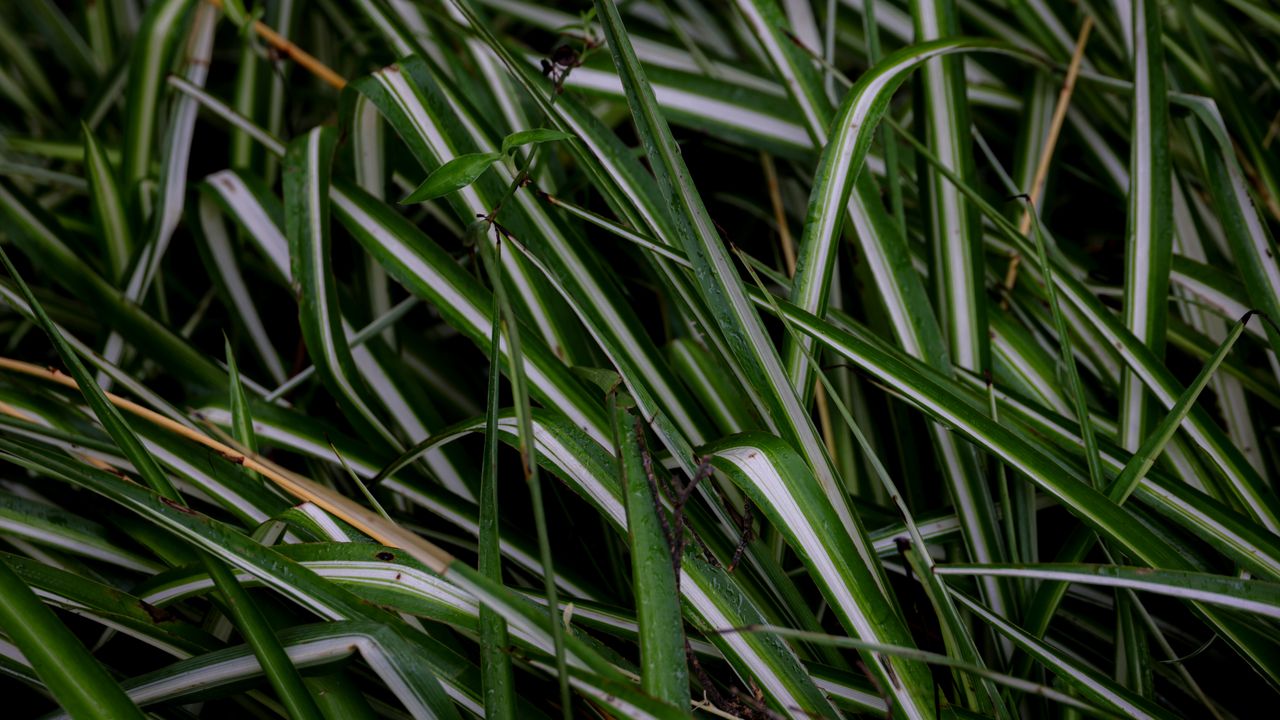
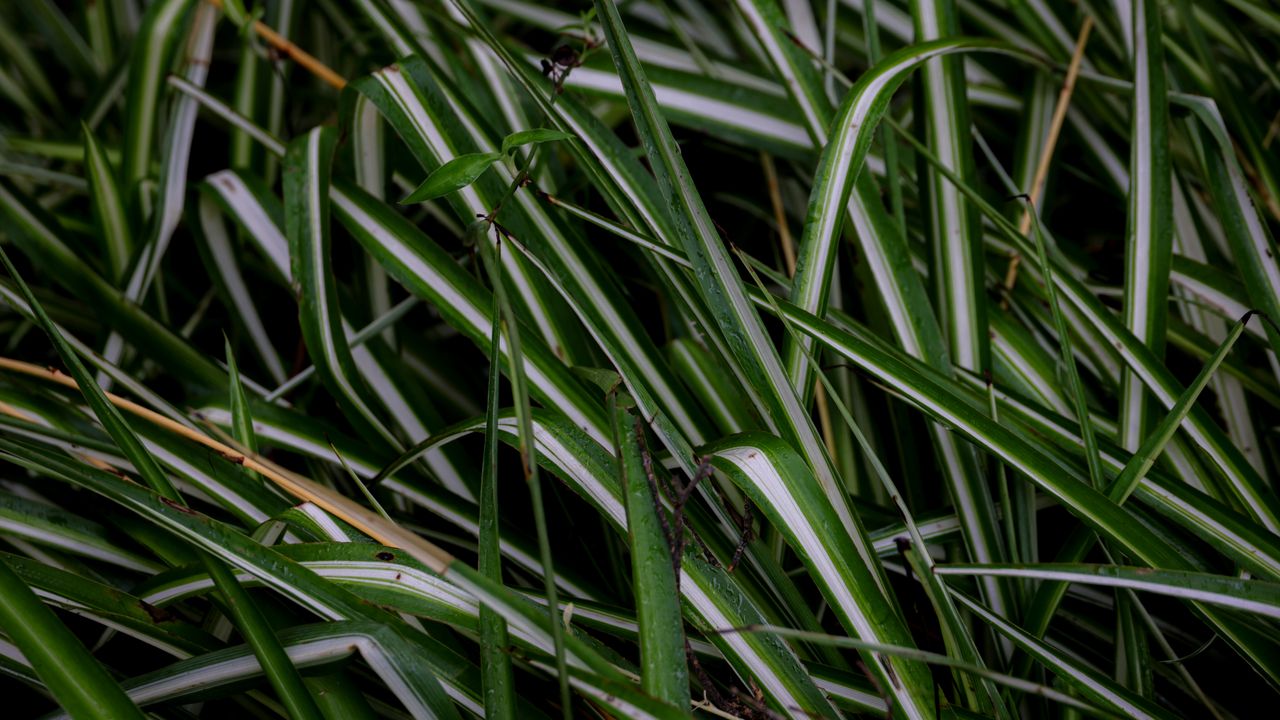
Variegation is the pattern of white (or sometimes yellow) pigment on a leaf, and on a variegated foliage plant like a spider plant it is the trait that drives most of the buying decisions and most of the care confusion. On a spider plant, you will see three forms: a center stripe down the middle of the leaf, a white margin around the edge, or solid green with no variegation at all. The center stripe is Vittatum, the margin is Variegatum, and the solid green is Hawaiian.
A chimera is a plant with two genetically distinct tissues growing together, which is exactly what a variegated spider plant is: the white parts lack chlorophyll, the green parts have it, and the boundary between them is the chimeral junction. Reversion is what happens when a variegated plant starts producing solid-green leaves. It is not a disease; the plant is compensating for low light by producing more chlorophyll in new growth. Plant maturity matters here too: a juvenile variegated spider plant holds its stripe pattern more reliably than a stressed or aging one, so a reversion in year three is more often a light problem than a genetics problem. If your variegation is fading on new leaves, the answer is almost always more light, not a fertilizer change.
Light and Water Vocabulary: The Terms Care Guides Assume You Know
Light terms
Bright indirect light means the plant sits in a room where it can see the sky but does not have direct sunbeams hitting the leaf. A north-facing window, or a spot 3 to 5 feet back from a south or east-facing window, is the classic bright indirect spot. Dappled light is what filters through a sheer curtain or a tree outside; it is bright indirect with shifting shadows. Low light is a room where the plant can see the sky but cannot see the sun directly, even for an hour; a hallway, a bathroom with a small frosted window, or a north-facing room with the plant across the room from the window. A spider plant will survive low light but will grow slowly and lose variegation.
Water terms
Soil moisture is the water content of the potting mix. Care guides that say “keep evenly moist” mean the top inch should feel like a wrung-out sponge: damp, not wet, not dry. Soil dry to the touch means the top inch feels dry before you water. The deeper light requirements guide covers the numbers; the short version here is that bright indirect light plus soil that dries to the touch between waterings covers about 80% of indoor situations for this foliage plant.
Problem Vocabulary: Root Bound, Etiolation, Crown Rot
Three problem-state terms show up constantly in troubleshooting guides. Each one looks like “the plant is unhappy,” but the cause and the fix are different, so the vocabulary matters. Most of these are tied to the drainage holes in the bottom of the pot; if you remember that one rule, half of these problems never start.
Root bound means the roots have filled the pot and started circling the bottom or pushing out of the drainage holes. A root bound spider plant drinks faster than usual, dries out between waterings, and stops producing new growth until you size up the pot. The repotting guide covers when to size up. Root rot is the next stage down the same road: the root bound roots stay wet too long, the tissue starts to break down, and the plant loses the fine white feeder roots it needs to drink. Etiolation is what happens when a plant does not get enough light: new leaves come in long, pale, and stretched, with wide gaps between leaves on the crown. It is not the same as root bound or root rot; the fix is more light, not a bigger pot. Crown rot is a fungal infection at the crown, usually caused by keeping the soil too wet or letting water pool at the base of the leaves. The crown goes soft, the leaves collapse at the base, and the plant often cannot be saved once it sets in. Prevention is the right soil moisture and drainage holes; the cure is rare.
Quick Reference: 20 Spider Plant Terms in One Place
For fast lookup, here is the same vocabulary in one compact list. Use the headings above for full definitions and worked examples. The variety-specific vocabulary lives in the variety and types guide; this page is the general-purpose glossary that every other care guide on the site assumes you already know. As a forgiving houseplant, the spider plant also shows up in collections like the hanging basket lineup, where the cascading stolons are the whole point.
Spider plant: common name for Chlorophytum comosum, the species. Chlorophytum: the Latin genus name; chlorophytum by itself refers to the same plant. Spiderette: a baby plantlet on a stolon. Pup: synonym for spiderette. Plantlet: a small offset plant produced by the mother, with or without roots when detached. Stolon: the arching flower stalk that carries the spiderettes. Crown: the central growing point at soil level. Root ball: the mass of roots and soil in the pot. Root ball condition: the visible state of the root ball when you unpot (tight and pale vs dark and mushy), which tells you about watering history. Root bound: roots filling the pot and circling. Petiole: the short stem connecting the leaf blade to the crown. Leaf blade: the flat green part of the leaf. Variegation: white or yellow pigment pattern on the leaf. Variegated foliage: a plant whose leaves carry that pattern, including Vittatum (center stripe), Variegatum (margin), and Hawaiian (solid green). Bonnie: compact curly-leaf cultivar. Plant maturity: the age stage of the plant, which affects how reliably it holds variegation and produces plantlets. Reversion: a variegated plant losing its white pattern. Chimera: a plant with two distinct tissue types, which is what variegated spider plants are. Offset division: cutting a plantlet or division free from the mother and potting it on its own. Nursery stock: the young plant material sold in garden centers, usually shipped in small pots and ready for one or two seasons of growth before plant maturity. Drainage holes: openings in the bottom of the pot that let excess water escape; without them, every other term on this page goes wrong faster. Root rot: fungal decay of the root system from persistently wet soil. Bright indirect light: sky-visible but no direct sunbeams. Soil moisture: water content of the potting mix. Etiolation: stretched pale growth from insufficient light. Crown rot: fungal infection at the crown from overwatering or poor drainage.
Turn any PDF statement into a clean sheet
Skip the typos and the hours of copying. Our converter handles any bank statement format and outputs Excel, CSV, or QBO for QuickBooks. No file retention, free to try.