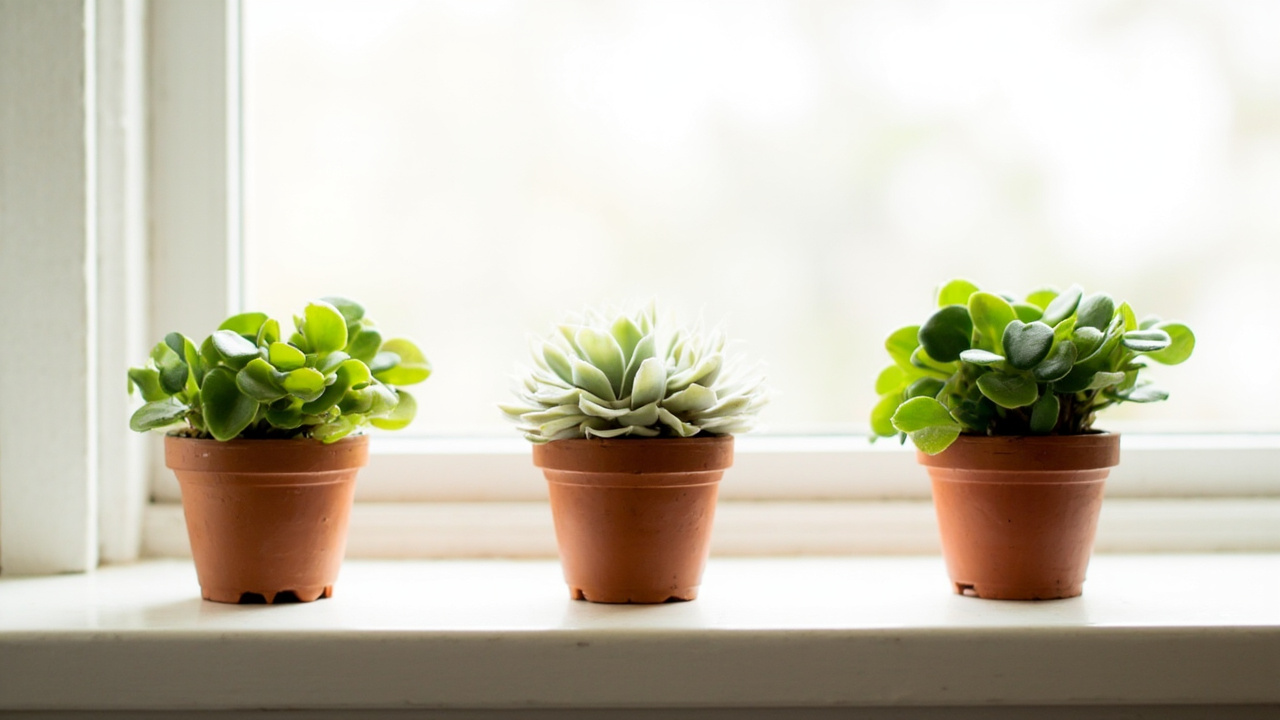
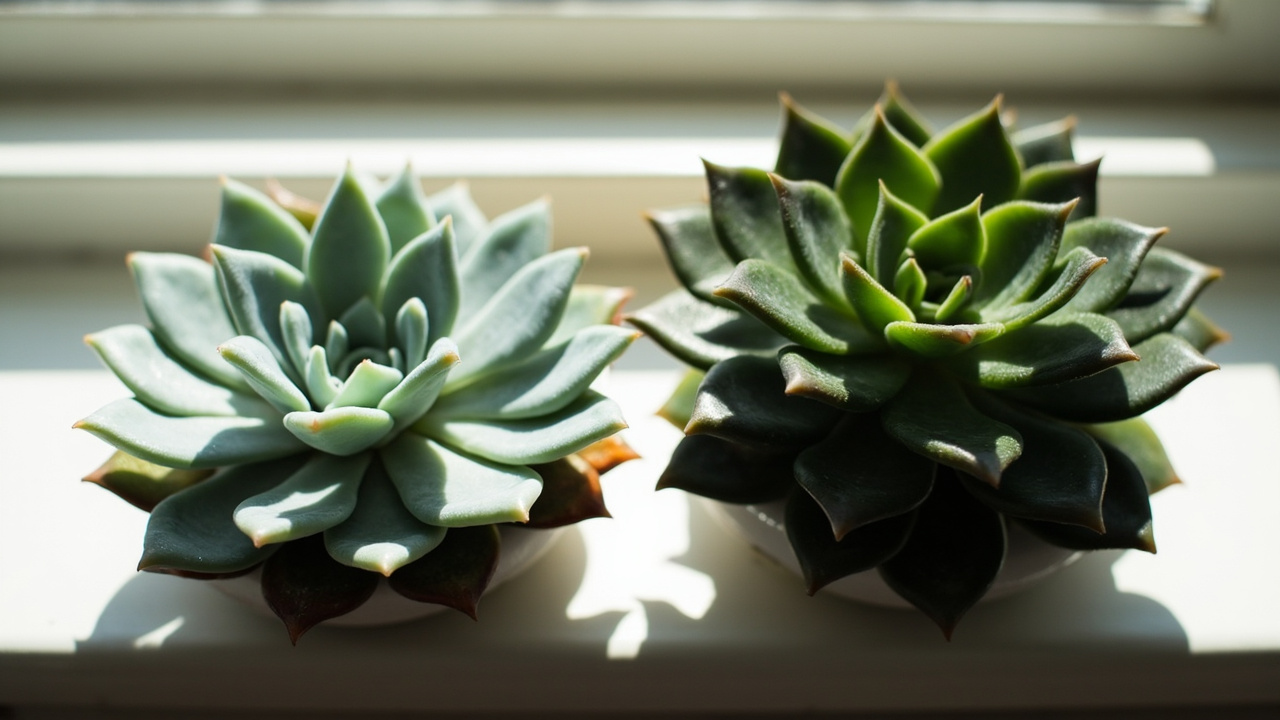
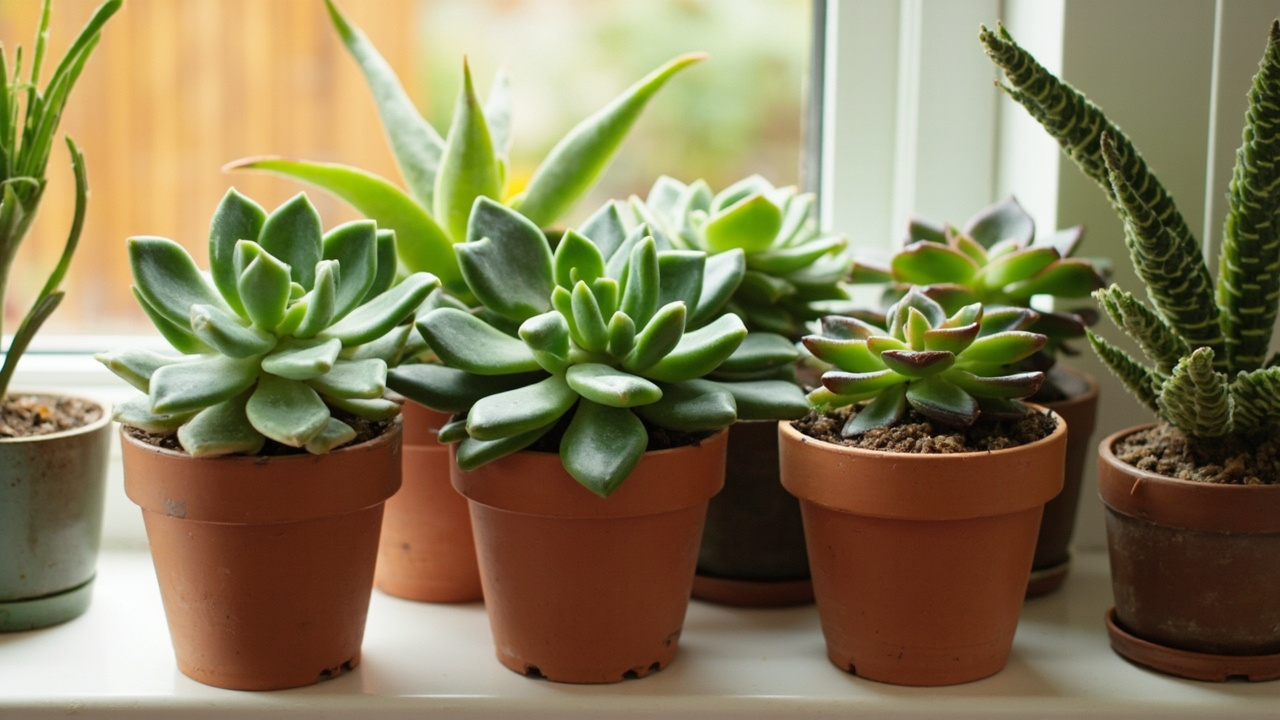
The single most common reason a Haworthia dies is being watered too often. Not too little. Not with the wrong fertiliser.
The leaves go soft at the base, the stem turns brown, and the rosette collapses within two weeks. Haworthia is a winter-growing genus from the summer-drought Eastern Cape of South Africa. Your plant wants to grow between October and March in the Northern Hemisphere.
This guide covers why the once-a-week rule fails for these winter growers, what soak-and-dry means in practice for a small terracotta pot, the three signs of underwatering, the three dangerous signs of overwatering, the seasonal calendar by hemisphere, and a simple 30-day routine to apply today. For the full care walk-through, see the Haworthia care guide.
Why Haworthia Refuses the “Once a Week” Rule: The South African Seasonal Cycle
Most succulent advice says “water once a week in summer, once a month in winter.” For Haworthia, that advice is backwards. The plant evolved under two seasonal pressures that do not match the Northern Hemisphere calendar.
Broken down by component, the two pressures are summer drought and winter rain. In the Eastern Cape, summer temperatures reach 35 to 40 °C (95 to 104 °F) with almost no rainfall between December and February. Haworthia enters a semi-dormancy in this window.
Leaf growth slows, roots stop active uptake, and the plant survives on stored water in its succulent leaves. Translated to Northern Hemisphere seasons: your Haworthia’s active growth window is October through March. Its semi-dormant window is April through September.
If you keep watering weekly through summer, the roots sit in warm damp soil with no active uptake. The South African National Biodiversity Institute (SANBI) Haworthia profiles note that mature plants in habitat receive roughly 400 to 600 mm of rain per year, concentrated in 5 to 6 months. The Royal Horticultural Society translates this to “generous water when in growth, very sparse water when dormant.”
For the full seasonal care routine including light and soil, see the Haworthia care guide.
The Soak-and-Dry Method: What It Actually Means for Haworthia
Soak-and-dry is the standard watering method for succulents. For Haworthia the two phases have specific targets.
Phase one is full saturation of the root ball. Phase two is a complete dry-back to the centre of the pot before the next watering. A grower’s bench of 30 Haworthia in identical 8 cm (3 in) terracotta pots showed that cycles of 14 to 18 days in summer and 28 to 42 days in winter produced the most compact rosettes.
Saturation. Pour water slowly over the soil surface until it runs freely from the drainage holes. For an 8 cm (3 in) pot this is roughly 60 to 90 ml (2 to 3 fl oz).
Dry-back. Wait until the soil is dry to the centre of the pot, not just the surface. The fastest check is pot weight.
Lift the pot immediately after watering (heavy) and again at day 7 (lighter). When the pot feels closer to the day-7 weight, the soil is dry enough.
The dry-back target depends on pot size. In a 6 cm (2.5 in) pot the target is 7 to 10 days. In an 8 cm (3 in) pot it is 14 to 21 days.
Larger pots hold more water and stay damp longer — they need less frequent watering, not more. See the Haworthia soil mix guide for the substrate ratios that shorten dry-back time.
Three Signs You Are Underwatering Your Haworthia
Haworthia signals underwatering clearly once you know the pattern. Three signs appear in sequence over weeks, and each one is reversible if you catch it.
Soft leaves. A well-watered Haworthia leaf is firm like a grape. An underwatered leaf gives slightly when squeezed.
Brown papery tips. The oldest, lowest leaves dry from the tip inward. The brown tissue is dead and will not recover, but new growth will be firm if you resume watering.
Inward curl. The leaves angle upward and inward, reducing the surface area exposed to sun. The plant is protecting its remaining water.
Recovery is straightforward. Soak the pot thoroughly, let it drain, and resume the seasonal rhythm. New firm leaves appear within 14 to 21 days.
For more on recovery when the rosette starts reaching, see the haworthia stretching guide.
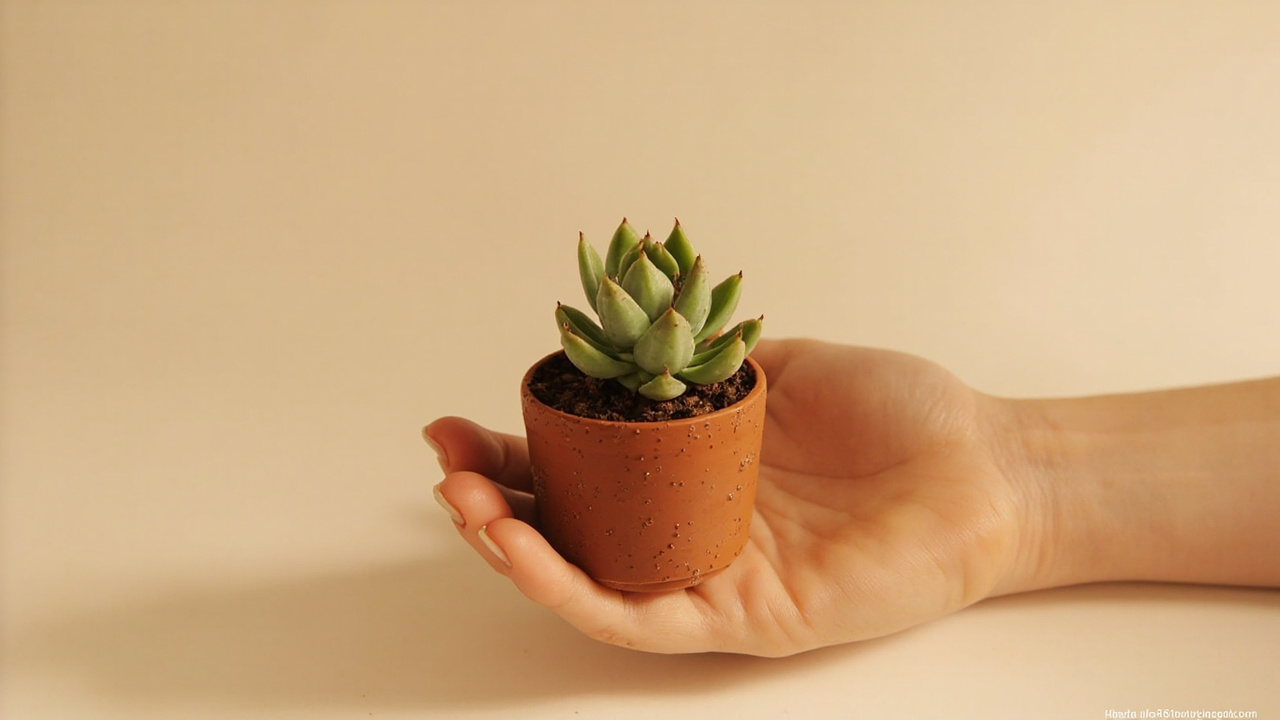
Three Signs You Are Overwatering Your Haworthia (The Dangerous Ones)
The opposite failure mode is far more dangerous. Three signs appear in sequence — and the third is irreversible.
Soft and translucent. A slightly different softness than underwatering. The leaf feels waterlogged rather than deflated.
Brown stem base. The stem just above the soil line discolours first because it sits in the wettest part of the pot. Gently tug a lower leaf — if it comes away with a wet brown stub, the base is rotting.
Roots gone. The entire plant separates from the soil with a gentle pull because the roots have rotted away. This is irreversible for the original root system.
University of Florida IFAS Extension notes that Haworthia root rot develops within 10 to 14 days of cold wet soil. The visible signs lag the root damage by roughly a week — by the time the stem turns brown, the roots are already gone.
If you catch the first sign, stop watering immediately and unpot the plant. Remove all wet soil, cut away any brown or black roots, and repot in dry gritty mix. Do not water for 14 days.
New roots appear within 4 to 6 weeks if the rosette is still firm. For the full recovery walk-through, see the Haworthia care guide.
Seasonal Calendar: Summer Dormancy vs Winter Growth Watering
The seasonal rhythm depends on which hemisphere you are in.
Northern Hemisphere. Active growth October through March — water every 14 to 21 days when the pot feels light and the soil is dry to the centre. Semi-dormant April through September — water every 28 to 42 days, only when leaves show the first sign of softness.
If the pot is in a bright window in summer, shorten the interval to 21 to 28 days. See the Haworthia light requirements guide for how autumn light levels change the rhythm.
Southern Hemisphere. Active growth April through September — water every 14 to 21 days. Semi-dormant October through March — water every 28 to 42 days.
Indoor climate overrides. Heated rooms in winter dry the air and the soil faster, so winter watering in a heated home is closer to every 14 to 18 days, not 28 to 42. Use the pot weight method, not the calendar.
What to Do Right Now: One Quick Routine for the Next 30 Days
Pick up your Haworthia today. Note the pot weight. Squeeze a lower leaf gently — firm or soft.
If the leaf is firm but the pot feels heavy, do not water yet — check again in 5 days. Repeat this check once every 5 days for the next month.
Most Haworthia will need 2 to 3 waterings in 30 days, not 4 to 5. Watch for new leaf emergence from the centre — that is your sign the seasonal rhythm is correct. New offsets appearing at the base is the next signal, and the full propagation walk-through is in the Haworthia propagation guide.
Turn That PDF Into a Spreadsheet in Minutes
You've seen how to do it manually — now let the tool handle the heavy lifting. Upload your bank statement and get Excel, CSV, or QBO in a few clicks.
Try It Free