You walk into a nursery and see a Hoya with heart-shaped leaves tagged “Sweetheart Plant.” Another shelf has a thick-leaved trailer labeled “Hoya compacta.” A third has a variegated vine marked “Hoya carnosa tricolor.” They all look different. Only two of them will flower in your living room within 3 years.
The Hoya genus has 200-plus species, and the variety you choose shapes every care outcome. Trailing types need height. Compact types need less pruning..
Bloom-first types need brighter light. The wrong variety in the wrong space leads to a beautiful vine and zero flowers. This article breaks down the five Hoya categories by growth habit and flowering reliability, so the reader can match their space to the plant that thrives in it..
The Hoya Family at a Glance: Why Variety Choice Matters
The fundamentals of Hoya selection start with one truth: a Hoya is not a Hoya is not a Hoya. The genus spans trailing vines, compact shrubs, and cascading epiphytes, each with distinct light needs, growth rates, and flowering thresholds..
The Hoya carnosa you see in every garden center is the genus representative, but it sits at one end of a wide spectrum. Choosing the right variety is the first care decision because it defines the soil mix, the pot size, the light position, and the patience required..
The RHS lists over 200 registered Hoya species, with new hybrids entering the trade every year. The taxonomy is still unstable: Hoya obscura and Hoya sp. aff..
latifolia were reclassified as variants of existing species in 2023. The buyer does not need a botanical degree. They need to know which of the five broad categories matches their space and their expectations..
Trailing Hoyas: For Hanging Baskets and High Shelves
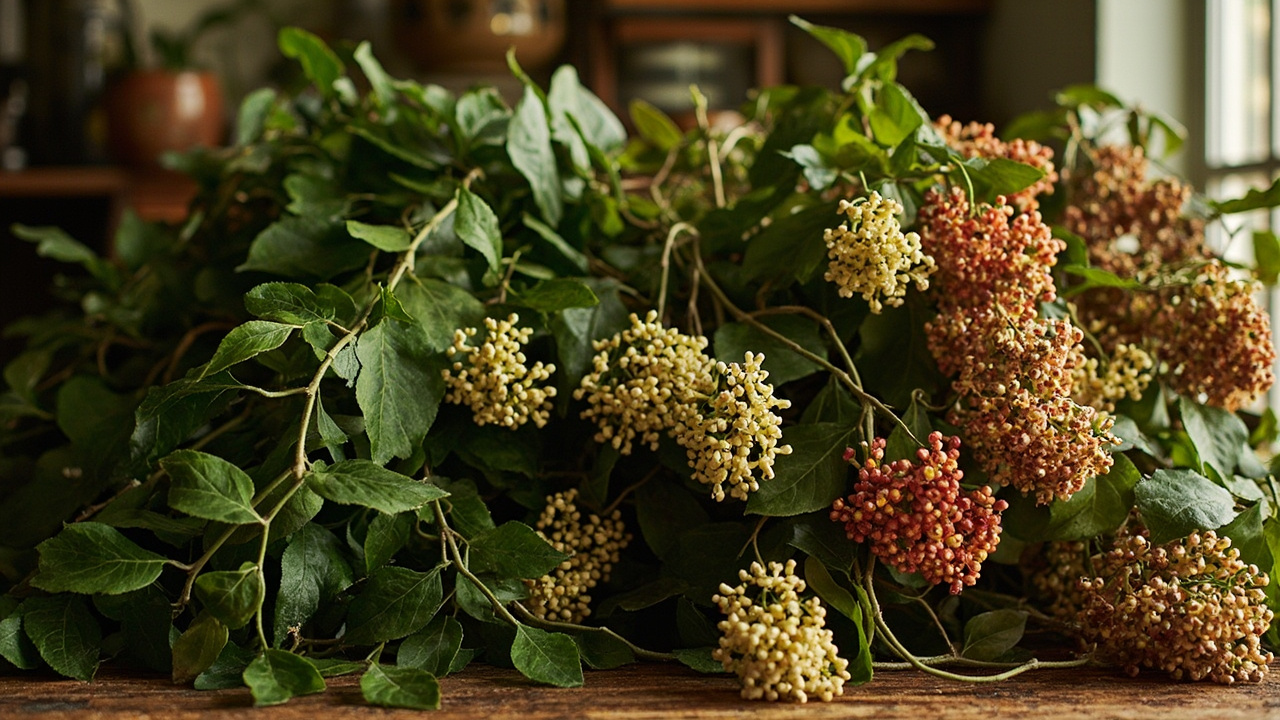
Hoya carnosa, Hoya wayetii, and Hoya pubicalyx are the three trailing varieties most commonly available. They produce vines 3-6 feet long within 2 growing seasons and need a hanging basket or a high shelf with room to cascade. The trade-off: trailing Hoyas require more frequent pruning to stay manageable, and without vertical space the vines tangle, collect dust, and become light-starved at the crown.
Hoya wayetii is the fastest trailer and the most forgiving of lower light. Hoya pubicalyx flowers more reliably than the others in partially shaded positions but has thinner leaves that desiccate faster in dry air..
The decision rule: if you have a bright east window and a high hook, choose pubicalyx. If the spot is less certain, wayetii. For a detailed comparison of trailing care epiphytes, the pothos care guide covers the same growth habit in a different genus..
Compact and Slow-Growing Hoyas: For Desks and Small Spaces
Hoya compacta and Hoya lacunosa are the two compact varieties that stay under 12 inches for years. Hoya compacta has tightly curled, crinkle-cut leaves that look like green ribbon. Hoya lacunosa has small, smooth leaves with a chocolate-scented umbel..
Both grow slowly, producing 2-4 inches of vine per year. The ratio of leaf size to plant size is higher in compact varieties, which means each leaf error shows. The soil must drain even faster because the small pot volume amplifies every watering mistake..
The trade-off: compact Hoyas rarely flower before year 3 because the root mass fills the pot so slowly that the flowering trigger takes longer to activate. For a desk Hoya that will actually bloom, choose Hoya lacunosa over Hoya compacta; it flowers at a smaller root mass and the scent is part of the appeal.
Bloom-First Hoyas: For Growers Who Want Flowers Now
Hoya australis and Hoya tricolor (carnosa tricolor) are the two flowering champions in most indoor collections. Hoya australis initiates peduncles within 12-18 months of purchase under bright indirect light..
Hoya tricolor takes 2-3 years but produces pink-tinged umbels that stand out against the variegated foliage. The minimum threshold for both: the Hoya needs winter light above 2000 lux for at least 8 hours a day. Below that, the plant grows leaves and skips the bloom cycle entirely..
The components of bloom-first care are distinct: light drives peduncle initiation, root restriction triggers the hormonal shift, and temperature variation between day and night signals the seasonal transition. Remove any one variable and the Hoya refuses to flower. The Hoya light requirements article breaks down exactly how lux levels map to each variety’s flowering threshold.
The Single-Leaf Hoya Kerrii: What Buyers Should Know Before Purchasing
The single-leaf Hoya kerrii is sold everywhere around Valentines Day as a sweetheart plant. It is a single leaf rooted in soil. It may stay alive for years..
It will never grow a vine, never produce a peduncle, and never flower. The leaf contains enough stored energy to persist but not enough meristematic tissue to produce new growth points. The buyer who wants a flowering Hoya should avoid the single-leaf version entirely..
The honest limit: a single-leaf Hoya kerrii is a succulent decoration, not a houseplant with a future. If the reader already owns one, it is not dying; it has simply reached its maximum size..
In one common case, a kerrii leaf purchased in 2020 remained alive in the same pot in 2026, unchanged. The buyer who wants the heart-shaped look on a flowing vine should purchase a 4-inch pot Hoya kerrii with visible stem nodes. For the full Hoya purchase guide, the Hoya plant care complete guide covers what to look for in a healthy specimen..
Matching Hoya Variety to Your Space: A Decision Tree
Use this decision sequence to narrow 200+ species to the two that fit your space. Step one: if you have a hanging spot with 4+ hours of direct or bright indirect light, the trailing varieties (carnosa, wayetii, pubicalyx) work..
Step two: if the light is lower and the space is small, the compact varieties (compacta, lacunosa) survive where trailers stall. Step three: if blooming within 2 years is the goal, go with australis under an east window or tricolor in a south-facing room..
The cost of choosing wrong is not death; it is disappointment. A Hoya in the wrong spot still grows, still looks attractive, but never delivers the moment the buyer signed up for. For a complete Hoya humidity and environment framework, the indoor plant humidity guide covers the range that supports each variety category.
When a Hoya variety that should bloom refuses to, the seven-reason checklist at Aqualogi covers maturity, light, peduncle damage, and dormancy signals. See the Hoya not flowering guide.
From Bank Statement to QuickBooks-Ready File
That manual cleanup you just read about? This tool skips it. Turn your PDF into QBO for QuickBooks without storing your data anywhere.
Start Converting