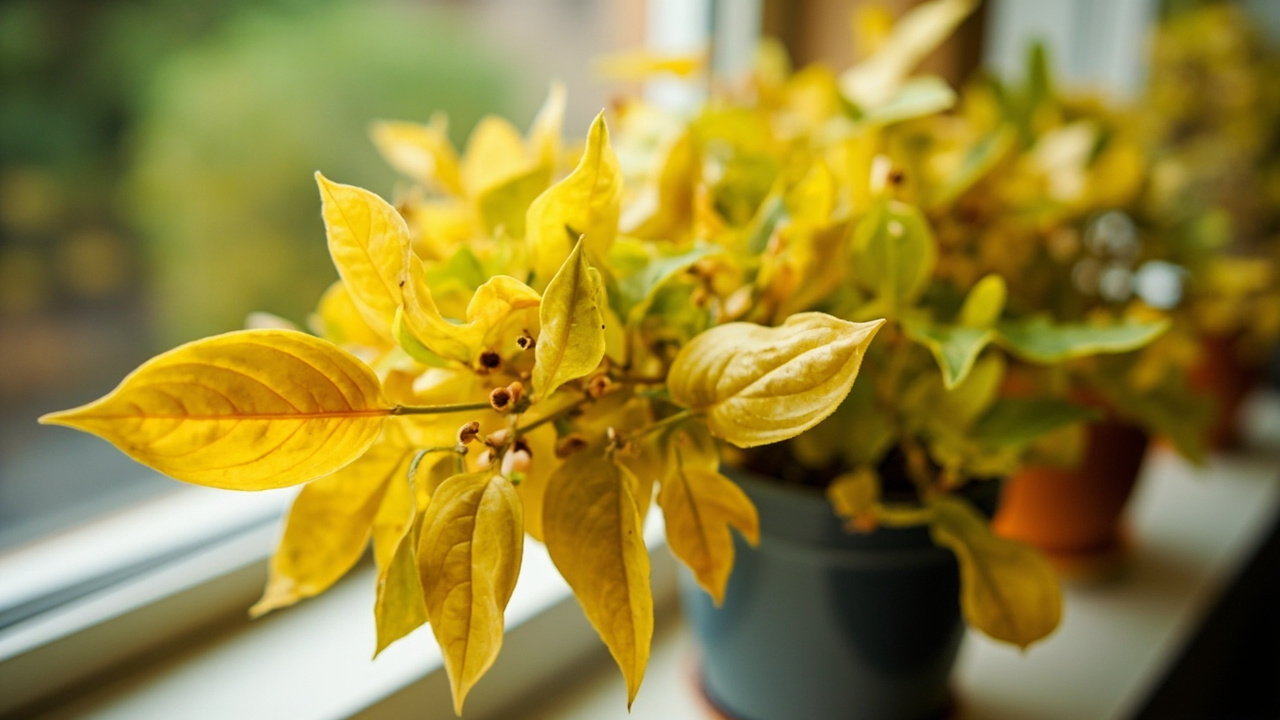

Standard houseplant potting mix kills more indoor Hoyas than any other factor. The mix holds water too long, epiphytic Hoya roots sit in moisture they cannot use, and within 6 to 10 weeks you see yellowing lower leaves, soft stems, and a plant that looks thirsty no matter how often you water.
A Hoya root system evolved for airflow, not for soggy peat. Fine root hairs die first, then anchor roots turn brown and mushy, and by the time yellow leaves appear the root system is already half gone.
This page covers the three-part soil recipe, ready-made commercial mixes that match the target texture, compaction warning signs, the drainage factor that makes or breaks any mix, and how chunk size differs between compact and climbing Hoya varieties.
Hoya Soil Mix Defined: What Epiphytic Roots Require
A Hoya soil mix is a potting medium defined by its ability to balance moisture retention with high aeration for a semi-epiphytic root system. Hoya roots are thin, white aerial hairs that cling to bark in their natural canopy habitat; they absorb water primarily from humid air, not from wet soil.
The RHS defines a suitable Hoya substrate as one that dries between waterings while still holding some moisture. This balance matters because overly wet conditions cause root death within days while prolonged drought desiccates the fine root hairs irreversibly. A dense, peat-heavy mix collapses the air-filled channels that epiphytic roots demand for gas exchange; the resulting hypoxia mimics underwatering.
The classic one-part peat, one-part perlite recipe fails for Hoya because peat decomposes within months and perlite alone cannot maintain large, stable channels. The Cornell Small Farms Program confirms that structural collapse of organic substrates is inevitable; the fix is a full refresh before compaction kills drainage. For a complete overview, see the Hoya plant care pillar.
Why Standard Potting Soil Fails: Roots Need Air More Than Moisture
Houseplant potting soil is engineered for moisture-tolerant plants like pothos and peace lilies. The fine, dense texture limits air pockets just enough to suffocate epiphytic Hoya roots within weeks.
Within 4 to 8 weeks, Hoya roots begin to suffocate as the soil collapses the air channels that epiphytic roots demand. The first warning is a pause in new growth. The second is a sour soil smell indicating anaerobic conditions below the surface.
The trade-off readers miss: switching to a fast-draining bark mix means watering more often, especially in summer above 75°F (24°C). The reward is a root system that breathes between waterings. For a complete overview, see the Hoya plant care pillar.
The Three-Part Epiphytic Mix: Equal Parts Bark, Perlite, and Potting Base
The reliable recipe combines three components in equal parts by volume: chunky orchid bark, perlite or pumice, and a high-quality potting base with worm castings. The bark channels stay air-filled even when saturated.
Orchid bark is non-negotiable. Perlite-only amendments still hold too much water because fine particles fill the gaps between grains within months. Bark resists compression and preserves the large pores that epiphytic roots demand.
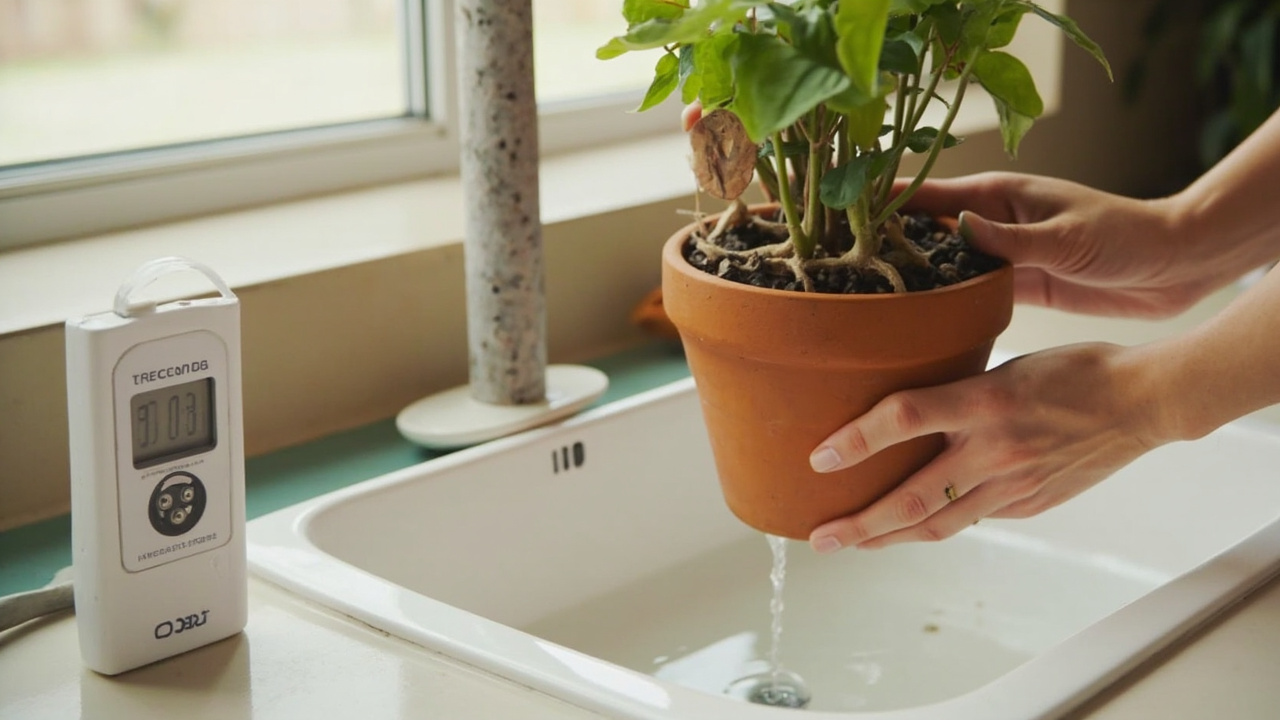
The corrective test: water a finished Hoya pot and watch the drain time. A fast-draining mix flows within moments because bark keeps the structure open. Dense potting soil dawdles because fine peat locks water in capillary spaces. For watering frequency, see the Hoya watering guide.
Ready-Made Orchid and Aroid Mixes: Reading the Bag for Hoya Suitability
Pick up two bags of the same volume; the lighter one has more bark and perlite and less peat. Shake gently — a loose, chunky feel signals the right texture, while a wet-sludge feel predicts compaction within months.
The IFAS Extension rule: if “peat” or “coco coir” appears before “bark” or “perlite” on the label, the mix is too dense. Aroid palm mixes work because they list fir bark first. Succulent mixes work only if they contain at least 40% bark or grit. For matching varieties to textures, see the Hoya varieties guide.
Skip moisture-control and built-in-fertilizer mixes — the polymers waterlog the medium; the salts burn new Hoya roots. Pure sphagnum moss propagates cuttings but compacts and suffocates mature roots in a pot.

Hoya Soil Refresh Cycles: 18 to 24 Months Before Compaction Kills Drainage
A bark-heavy potting mix lasts 18 to 24 months before decomposition causes compaction. Expect the first signal around 12 months if the room stays humid.
Three warning signs: water ponds on the surface for more than 30 seconds; the soil level drops as bark decomposes; white or yellow salt crust appears on the surface or pot rim. The Cornell Small Farms Program confirms the mix cannot be revived once structural integrity is gone.
A top-dressing of fresh orchid bark relieves the surface crust but does not restore air channels deeper in the pot. The only reliable fix is a full mix refresh.
Drainage Holes vs Soil Choice: Why the Pot Wins for Hoya Root Health
A perfect Hoya soil mix without drainage holes will still kill the plant. Water pools at the bottom, anaerobic conditions set in within weeks, and the base roots rot first.
Terracotta breathes through its walls and shortens the wet phase by several days in winter. Plastic holds moisture longer and is safer only in warm, bright rooms where the mix dries within a week. For schedule adjustments, see the Hoya watering guide.
Chunk Size and Variety Type: Matching the Mix to Compact and Climbing Hoyas
Compact Hoya varieties like Hoya kerrii and Hoya obovata store water in thick leaves and tolerate a slightly finer mix. A higher potting-base ratio works because it holds moisture a day or two longer.
Climbing varieties like Hoya carnosa, Hoya wayetii, and Hoya pubicalyx send out long aerial roots that demand maximum airflow. They need the full three-part mix with extra pumice on top.
The three-part recipe works as a universal mix for both types. Compact varieties simply dry a day slower; the Hoya varieties guide lists transpiration rates per variety for fine-tuning.
In small pots, large bark chunks create air pockets too big for fine roots; switch to finer bark. In large pots, coarse bark is critical because fine mix compacts under its own weight.
If yellow leaves appear despite a fast-draining mix, the four-cause diagnosis at Aqualogi walks through overwatering, root rot, senescence, and nutrient deficiency. See the Hoya leaves turning yellow guide.
Turn any PDF statement into a clean sheet
Skip the typos and the hours of copying. Our converter handles any bank statement format and outputs Excel, CSV, or QBO for QuickBooks. No file retention, free to try.
Convert your statement