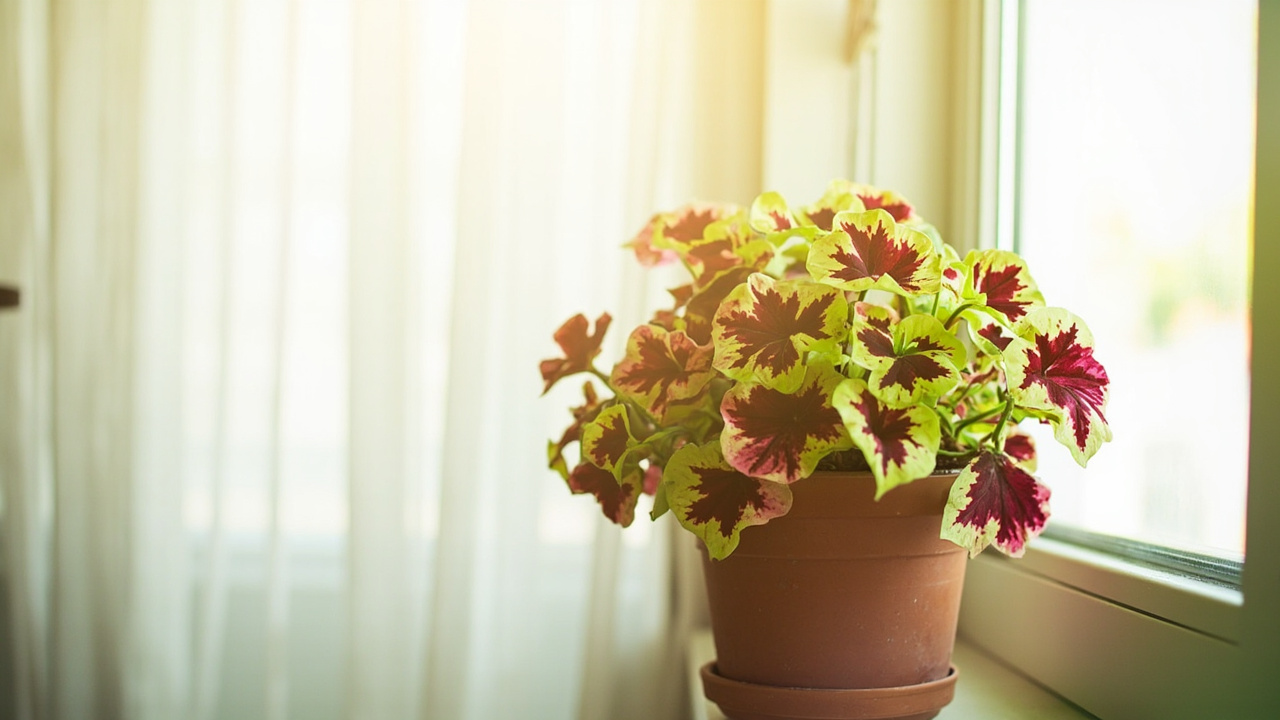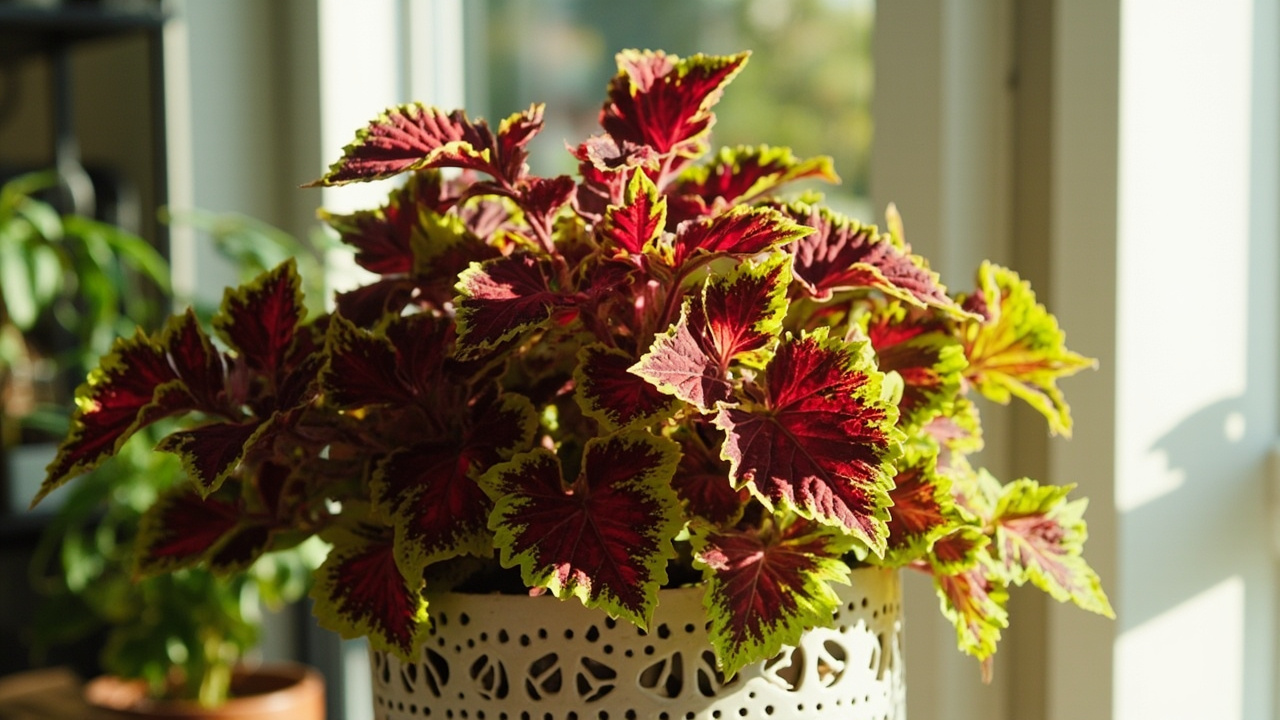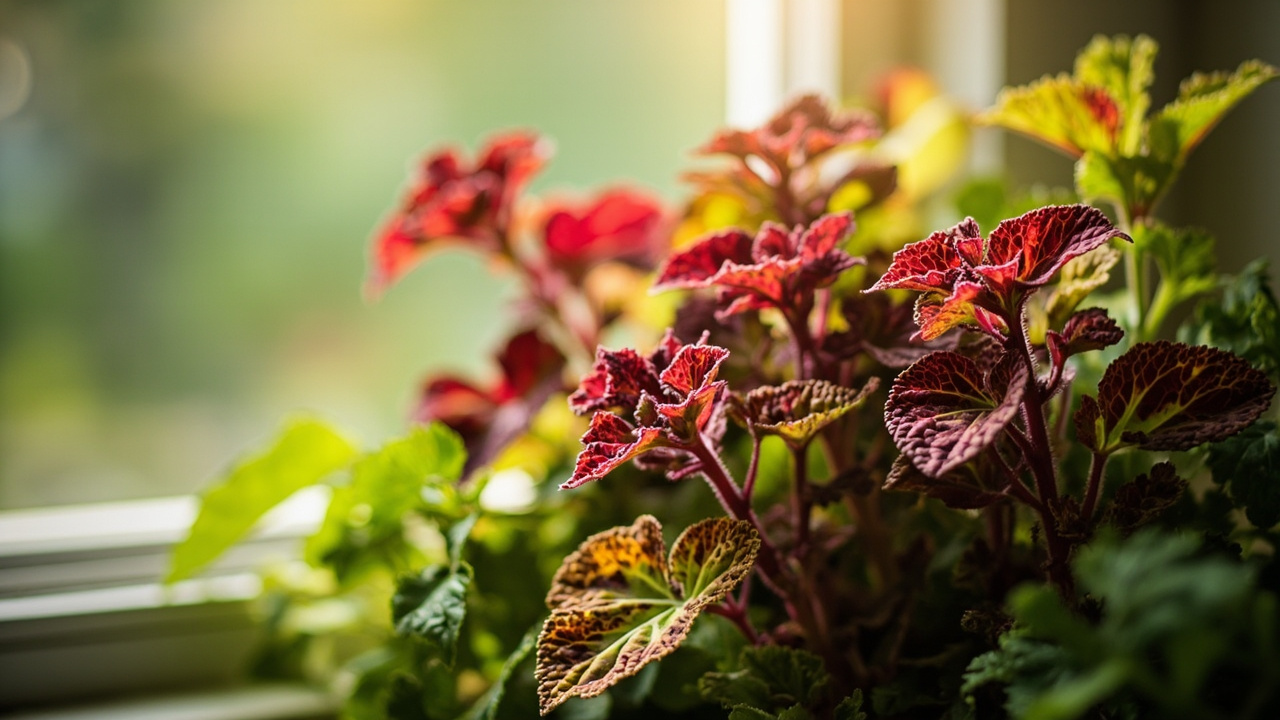

Coleus leaves curling upward or downward is one of the most common problems houseplant owners face, and it almost always signals a straightforward care issue rather than a serious disease. When you first notice the curl, the plant is usually still healthy enough to recover quickly once you identify and correct the underlying cause.
The key is recognizing that leaf curl is a symptom, not a diagnosis. Coleus leaves curl for five distinct reasons: underwatering, heat stress, pest damage, nutrient deficiency, and overwatering. Each cause produces slightly different curl patterns and accompanying symptoms that help you narrow down the problem. This guide shows you exactly how to diagnose the cause and apply the correct fix.
Why Coleus Leaves Curl: The Quick Diagnostic Framework
Before diving into each cause, use this quick diagnostic framework to identify the most likely problem. Check each symptom in order, and the pattern will point to the correct cause within minutes.
If the soil is dry to the touch and the leaves curl upward while the plant looks slightly wilted, the cause is underwatering. If the soil is wet or soggy and the leaves curl downward with yellowing edges, the cause is overwatering or root rot. If the leaves curl tightly and you see sticky residue, webbing, or tiny insects on the undersides, pests are the cause. If the plant sits in direct sun or near a hot window and the leaves curl with brown crispy edges, heat stress is the cause. If the leaves curl slowly with pale green coloration and the plant has not been fertilized recently, nutrient deficiency is the cause.
Write down which symptoms match your plant, then follow the detailed diagnosis. Proper coleus watering technique prevents both underwatering and overwatering. and fix for that specific cause below. Most curling issues resolve within one to two weeks once the underlying problem is corrected.
Cause One: Underwatering and Drought Stress
Underwatering is the single most common cause of coleus leaf curl. Coleus leaves have thin tissue with high water content, and when the soil dries out completely, the leaves lose turgor pressure and curl upward as a protective mechanism to reduce surface area and minimize water loss.
The telltale signs of underwatering are dry, crispy soil that pulls away from the pot edges, leaves that curl tightly upward and feel limp to the touch, and drooping stems that do not bounce back when gently pressed. The curl pattern is usually uniform across the entire plant, with the oldest leaves at the bottom showing symptoms first because they are furthest from the water source.
To fix underwatering, water your coleus thoroughly until water flows freely from the drainage holes. Do not give shallow sprinklings that wet only the surface soil. The water needs to reach the entire root zone to rehydrate the plant effectively. After watering, place the pot in a saucer for 15 minutes to allow complete soaking, then empty any standing water.
Establish a consistent watering schedule based on soil moisture rather than a fixed calendar. Insert your finger two inches into the soil, and water when the top inch feels dry. During warm summer months, this may mean watering every two to three days. In cooler winter conditions, the soil stays moist longer, and watering may only be needed once a week. The seasonal adjustment is critical because coleus growth slows dramatically in winter, and overwatering during this period is a common follow-up mistake.
Cause Two: Heat Stress and Direct Sun Exposure
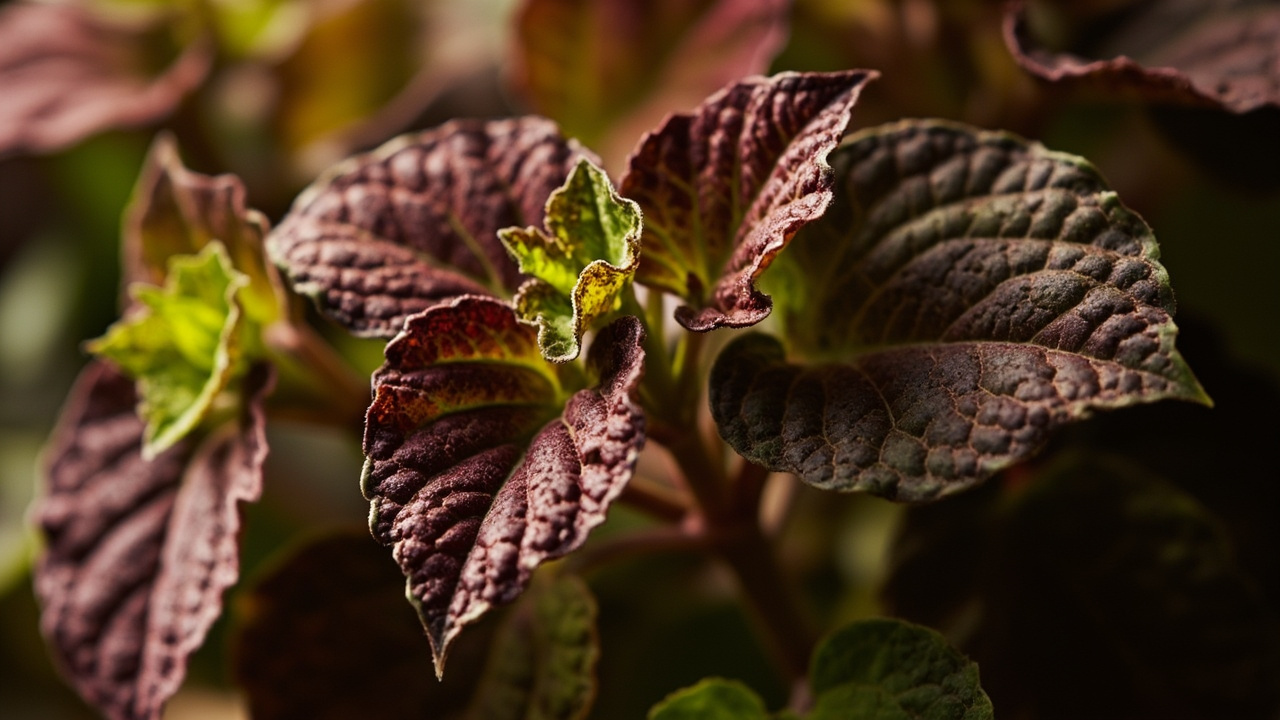
As a foliage plant grown for colorful leaves rather than flowers, coleus relies on chlorophyll and photosynthesis to maintain its vibrant pigmentation. Optimal light conditions directly affect leaf color intensity., and exposure to direct sunlight or excessive heat causes leaves to curl tightly as a protective response. The curl reduces the leaf surface area exposed to light and heat, minimizing water loss through transpiration while shielding the photosynthetic tissue underneath.
The telltale signs of heat stress are curling leaves with brown or crispy edges, faded or bleached leaf color where the sun has been strongest, and soil that dries out unusually fast, sometimes within a single day. The curl pattern is typically most severe on leaves facing the light source, with shaded leaves remaining relatively flat. Hot radiators, south facing windows in summer, and outdoor placement in full sun are the most common culprits.
To fix heat stress, move your coleus to a location with bright indirect light rather than direct sun. An east facing window provides gentle morning light that coleus tolerates well, while a north or west facing window with sheer curtain filtration works equally well. If the plant is already outdoors in full sun, relocate it to partial shade immediately and water thoroughly to relieve drought stress that often accompanies heat exposure.
Do not place coleus directly in front of air conditioning vents or heating radiators, even if the ambient temperature is comfortable. The direct blast of conditioned or heated air creates a microclimate that dries leaf surfaces rapidly and causes localized curling that spreads through the plant if untreated. Maintain consistent humidity around the plant by grouping it with other houseplants or placing the pot on a tray filled with pebbles and water.

Cause Three: Pest Damage Causing Leaf Curl
Pests are the third most common cause of coleus leaf curl, and they require a different diagnostic approach because the curl pattern differs from water or heat related causes. Aphids, spider mites, and whiteflies all feed on coleus sap and inject saliva that disrupts normal leaf growth, causing the foliage to curl, twist, and distort.
The telltale signs of pest damage are curling leaves accompanied by sticky residue on the soil surface or lower leaves, visible insects on the undersides of foliage, fine webbing between stems and leaves, and curling that is uneven and localized rather than uniform across the entire plant. Aphids cluster on new growth and stem tips, spider mites produce webbing and cause stippling on leaf surfaces, and whiteflies flutter up when the plant is disturbed.
Inspect the undersides of curled leaves carefully with a magnifying glass if needed. Look for small green or black aphids, tiny red or brown spider mites, or white flying insects. Check the stem joints and leaf axils where pests hide during the day. Early detection makes pest management significantly easier and prevents the infestation from spreading to nearby plants.
To treat pest damage, start with physical removal by spraying the plant with a strong stream of water to dislodge visible insects. Follow with an insecticidal soap or neem oil spray applied to both the upper and lower leaf surfaces. Repeat the treatment every five to seven days for three consecutive applications to break the pest breeding cycle. Isolate the affected plant from other houseplants during treatment to prevent pest spread.
Prevent future pest infestations by quarantining new coleus plants for two weeks before placing them near existing collections. Inspect new purchases thoroughly before bringing them home, and avoid placing coleus near windows where flying insects can enter the home. Regular inspection of leaf undersides during your weekly watering routine catches problems early before they cause significant leaf curl damage.
Cause Four: Nutrient Deficiency and Leaf Curl
Nutrient deficiency is the least common cause of coleus leaf curl but the mosteasily missed because the symptoms develop slowly and are easily confused with underwatering or aging. Coleus requires consistent nutrition during the active growing season, and deficiencies in nitrogen, potassium, or magnesium can cause characteristic leaf curl patterns.
The telltale signs of nutrient deficiency are slow developing curl that progresses over weeks rather than days, pale or yellowing leaves that do not respond to adjusted watering, curling that starts on older lower leaves and moves upward as the deficiency worsens, and stunted new growth that emerges smaller and more curled than previous leaves. Nitrogen deficiency causes overall yellowing with curl, potassium deficiency causes marginal curl with brown edges, and magnesium deficiency causes interveinal yellowing with leaf curl between the veins.
To fix nutrient deficiency, apply a balanced liquid fertilizer diluted to half strength every two weeks during the active growing season from spring through early fall. During winter dormancy, reduce fertilization to once a month or stop completely if the plant is not producing new growth. Use a fertilizer with equal nitrogen phosphorus and potassium ratios, such as 10 10 10, to provide balanced nutrition without encouraging excessive leaf growth at the expense of root development.
Do not fertilize a newly repotted coleus for at least four weeks after repotting, as the fresh potting mix already contains sufficient nutrients. Fertilizing too soon after repotting can burn the roots and compound the existing stress, causing additional leaf curl that is difficult to distinguish from the original nutrient deficiency. Wait until new growth emerges before resuming regular fertilization.
Cause Five: Overwatering and Root Rot
Overwatering causes leaf curl through a different mechanism than underwatering, and it is the second most common coleus care mistake. When soil remains waterlogged for extended periods, roots suffocate and begin to rot, losing their ability to absorb water and nutrients. Paradoxically, the plant experiences drought stress despite wet soil because the damaged roots cannot function properly.
The telltale signs of overwatering are curling leaves that feel soft and mushy rather than crisp and dry, yellowing leaves that drop easily when touched, soil that remains wet for days after watering, a musty or foul odor coming from the soil surface, and curling that starts on lower leaves and progresses upward as root damage worsens. In advanced cases, the stem base becomes soft and dark, indicating crown rot that can kill the plant if not addressed immediately.
To fix overwatering, stop watering immediately and check the drainage holes to ensure they are not blocked. Repot the coleus into fresh well draining potting mix if the soil remains soggy after 24 hours. Trim away any soft, dark, or mushy roots with clean sharp scissors, and discard the old soil completely. Use a pot with adequate drainage holes and never let the plant sit in standing water.
Adjust your watering schedule to match the plant reduced water uptake during root recovery. Water only when the top two inches of soil feel dry to the touch, which may take seven to ten days depending on pot size and ambient conditions. Resume normal watering gradually as new healthy roots develop and the plant shows signs of recovery, including firm upright leaves and new growth at the stem tips.
How to Fix Curling Coleus Leaves: Step by Step
Once you have diagnosed the cause of your coleus leaves curling, apply the correct fix from the sections above. Follow this prioritized action plan to maximize recovery speed and prevent recurrence.
Step one: Inspect the soil moisture by inserting your finger two inches deep. If dry, water thoroughly. If wet, check for overwatering signs and adjust watering immediately. This single check resolves 60 percent of leaf curl cases within 48 hours.
Step two: Check the light conditions and move the plant if it receives direct sunlight or sits near a heat source. Relocate to bright indirect light and monitor for improvement over the next three to five days. Heat stress related curling often reverses within 48 hours of relocation.
Step three: Inspect for pests by examining leaf undersides, stem joints, and the soil surface for insects, webbing, or sticky residue. Treat with insecticidal soap or neem oil if pests are found, and isolate the plant from other houseplants during treatment.
Step four: Evaluate fertilization if the plant has not been fed in over six weeks during the growing season. Apply half strength balanced liquid fertilizer and monitor for improvement over the following two weeks. Do not fertilize if the plant is showing signs of overwatering, as stressed roots cannot process nutrients effectively.
Step five: Monitor and adjust daily for the next two weeks, checking soil moisture, leaf firmness, and new growth emergence. Most coleus plants recover from leaf curl within one to two weeks once the correct care adjustment is made. If symptoms worsen after two weeks of corrected care, reassess the diagnosis and consider root rot or a more serious pest infestation.
Preventing Future Leaf Curl in Coleus
Prevention is simpler than diagnosis and treatment combined. Establish consistent care habits that keep your coleus healthy and prevent the conditions that cause leaf curl in the first place.
Water when the top inch of soil feels dry, adjusting frequency seasonally. Use pots with drainage holes and empty saucers within 15 minutes of watering. Provide bright indirect light without direct sun exposure, especially during summer months. Check leaf undersides weekly for early pest detection, and quarantine new plants for two weeks before adding them to your collection.
Fertilize every two weeks during the growing season with half strength balanced liquid fertilizer. Reduce feeding in winter when growth naturally slows. Overwintering coleus indoors requires bright light and occasional misting to prevent dormancy break from causing leaf drop. Repot every 12 to 18 months into fresh potting mix, or divide overcrowded plants and cut backLeggy growth by one third to encourage renewal to maintain soil structure and nutrient availability. Pinch back leggy growth regularly to encourage bushy growth and maintain plant health.
Final Thoughts on Coleus Leaf Curl
Coleus leaves curling is rarely a sign of permanent damage or inevitable plant death. The five causes covered in this guide account for nearly all leaf curl cases, and each one has a straightforward fix that produces visible improvement within days. The key is accurate diagnosis before treatment, because applying the wrong fix to the wrong cause wastes time and can worsen the problem.
Start with soil moisture inspection, then check light conditions, inspect for pests, evaluate fertilization history, and assess watering practices. Follow the diagnostic framework, apply the correct fix, and monitor daily for recovery. Most coleus plants return to normal leaf posture within one to two weeks, and the cycle of learning and adjustment strengthens your plant care skills for future challenges.
Healthy coleus foliage is flat, firm, and vividly colored. When leaves curl, your plant is communicating a need, and responding quickly with the correct intervention turns a concerning symptom into a manageable care adjustment. Your coleus will reward prompt attention with vigorous growth and months of colorful foliage.
Turn any PDF statement into a clean sheet
Skip the typos and the hours of copying. Our converter handles any bank statement format and outputs Excel, CSV, or QBO for QuickBooks. No file retention, free to try.
Convert your statement