Parsley is a good indoor herb when you want a steady garnish plant instead of a fast, fragile crop. It grows more slowly than basil or cilantro, but it can stay productive for a long time if it gets bright light, a deep enough pot, and regular cutting from the outside of the plant.
The main difference is patience. Parsley does not usually explode with growth indoors. It builds a leafy crown, replaces harvested stems gradually, and performs best when you cut modestly instead of stripping the plant all at once.
Choose Flat-Leaf or Curly Parsley for Indoors
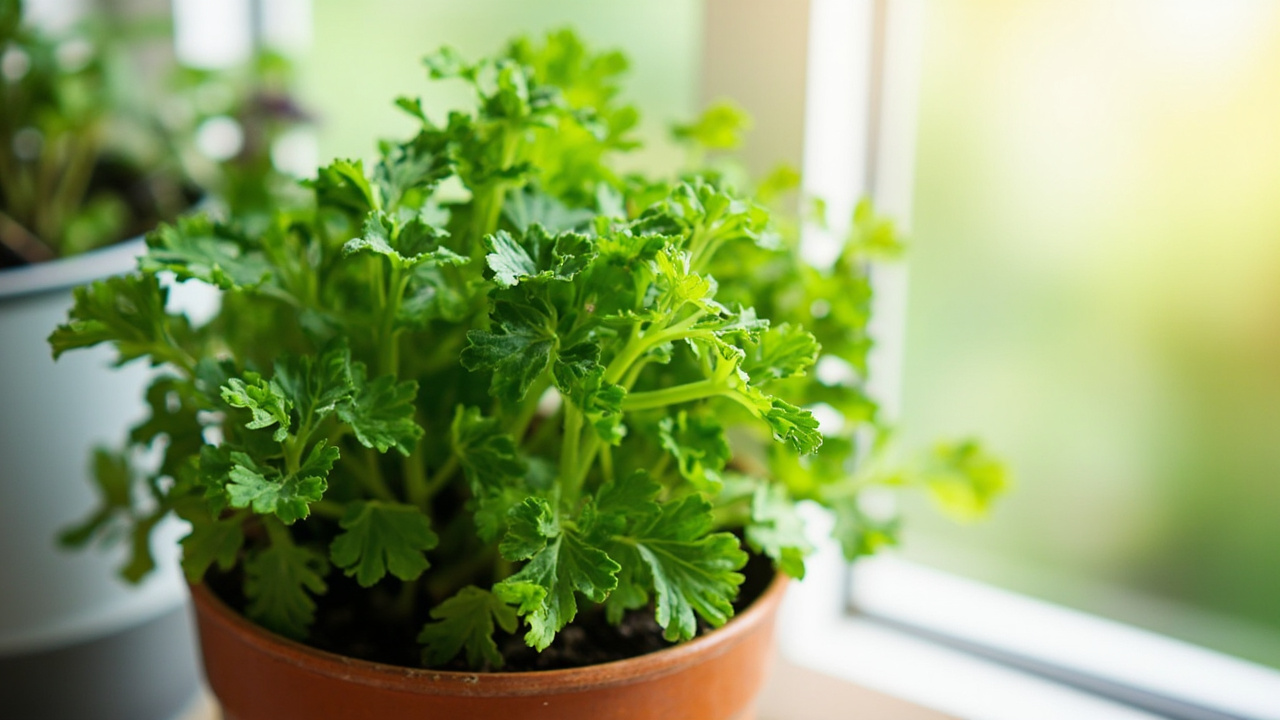
Both flat-leaf and curly parsley can grow indoors. Flat-leaf parsley is usually more useful for cooking because the flavor is stronger and the leaves are easier to chop. Curly parsley is compact and decorative, which can make it a good choice for a bright kitchen sill.
Either type needs the same basic care. Start with a young plant if you want faster results, or sow seed if you are willing to wait. Parsley seed can germinate slowly, so do not judge the setup too early.
Use a Deeper Pot Than You Would for Shallow Herbs
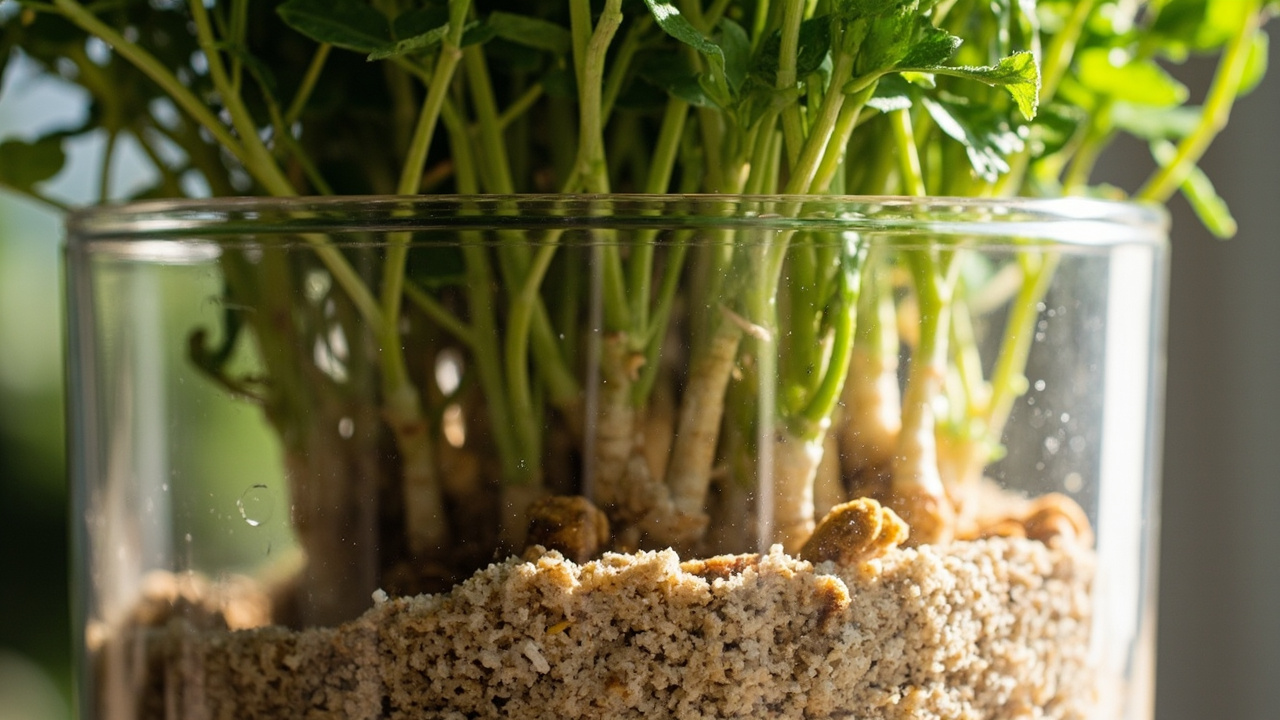
Parsley forms a stronger root system than many small kitchen herbs. A shallow decorative pot can keep the plant small and thirsty. Choose a pot with drainage and enough depth for steady root growth, especially if you want repeated harvests.
The container guidance in Aqualogi’s growing herbs in containers applies especially well here. A practical pot, light mix, and drainage hole will do more for parsley than a cramped planter that looks better on day one.
Give Parsley Bright, Steady Light
Parsley tolerates indoor conditions better than some herbs, but it still needs bright light to replace harvested leaves. A bright window can work if the plant is close to the glass and not shaded by other pots. In darker rooms, an indoor herb garden grow light keeps growth denser.
If the stems stretch and leaves get smaller, light is too weak. If the plant dries out constantly in a hot window, move it slightly back or use a deeper pot. Indoor parsley likes steady brightness more than stressful heat.
Water Parsley Evenly Without Leaving It Soggy
Parsley prefers consistent moisture. Let the top layer of mix begin to dry, then water thoroughly and let the pot drain. If it dries too hard, the plant may wilt and recover slowly. If it stays wet, lower leaves can yellow and the crown may weaken.
A slightly larger pot makes watering easier because moisture swings are less extreme. This is useful in kitchens where heat, air conditioning, or a sunny window can dry small pots quickly.
Harvest Outer Stems First
Harvest parsley by cutting outer stems near the base of the plant. Leave the central growing point intact so new leaves can keep forming. Cutting only leaf tips leaves bare stems behind and makes the plant look tired faster.
Take a few stems at a time unless the plant is large and actively growing. Parsley replaces growth more slowly than mint, so repeated light harvests are better than one heavy cut that leaves the plant with little leaf area.
Where Parsley Fits in an Indoor Herb Garden
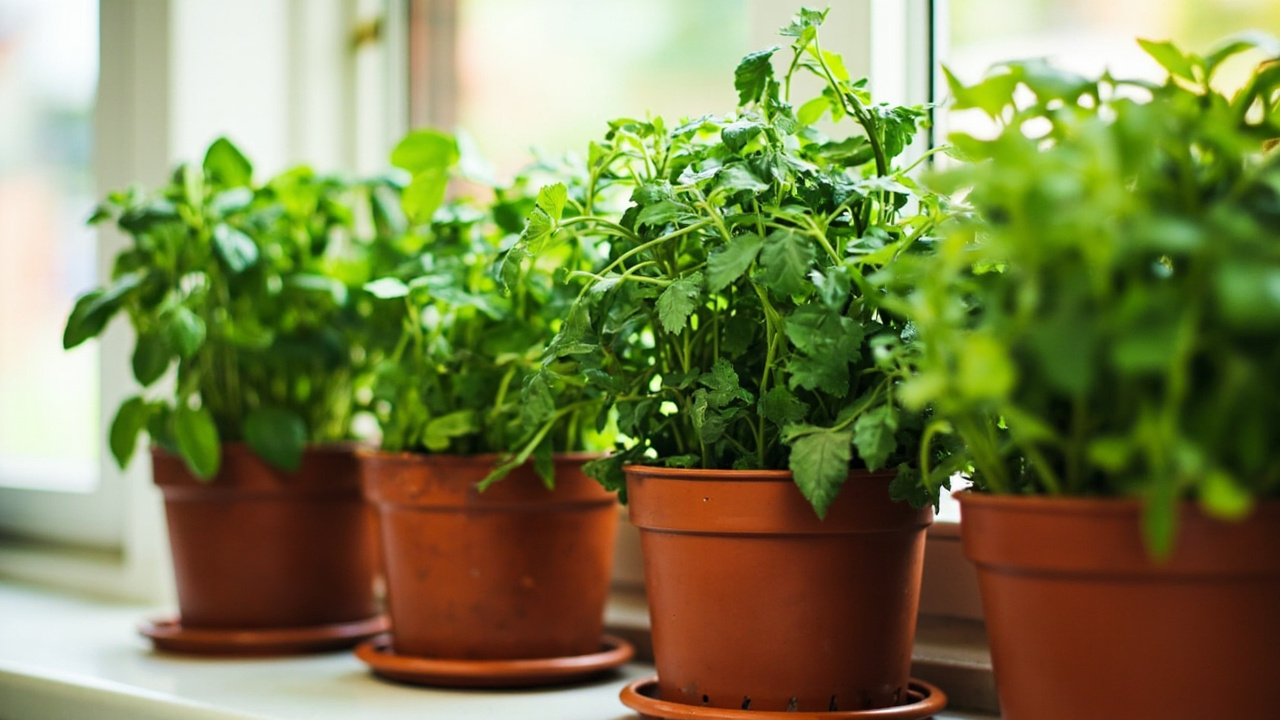
Parsley is a stabilizer in an indoor herb garden. It is slower than cilantro, less demanding than basil, and less aggressive than mint. That makes it a useful companion plant in a kitchen herb station, as long as it has its own pot and enough light.
For a full setup, pair this care rhythm with Aqualogi’s indoor herb garden for beginners and compare parsley against the easiest herbs to grow indoors. Parsley is not the fastest indoor herb, but it is one of the more dependable ones when you harvest with restraint.
From Bank Statement to QuickBooks-Ready File
That manual cleanup you just read about? This tool skips it. Turn your PDF into QBO for QuickBooks without storing your data anywhere.