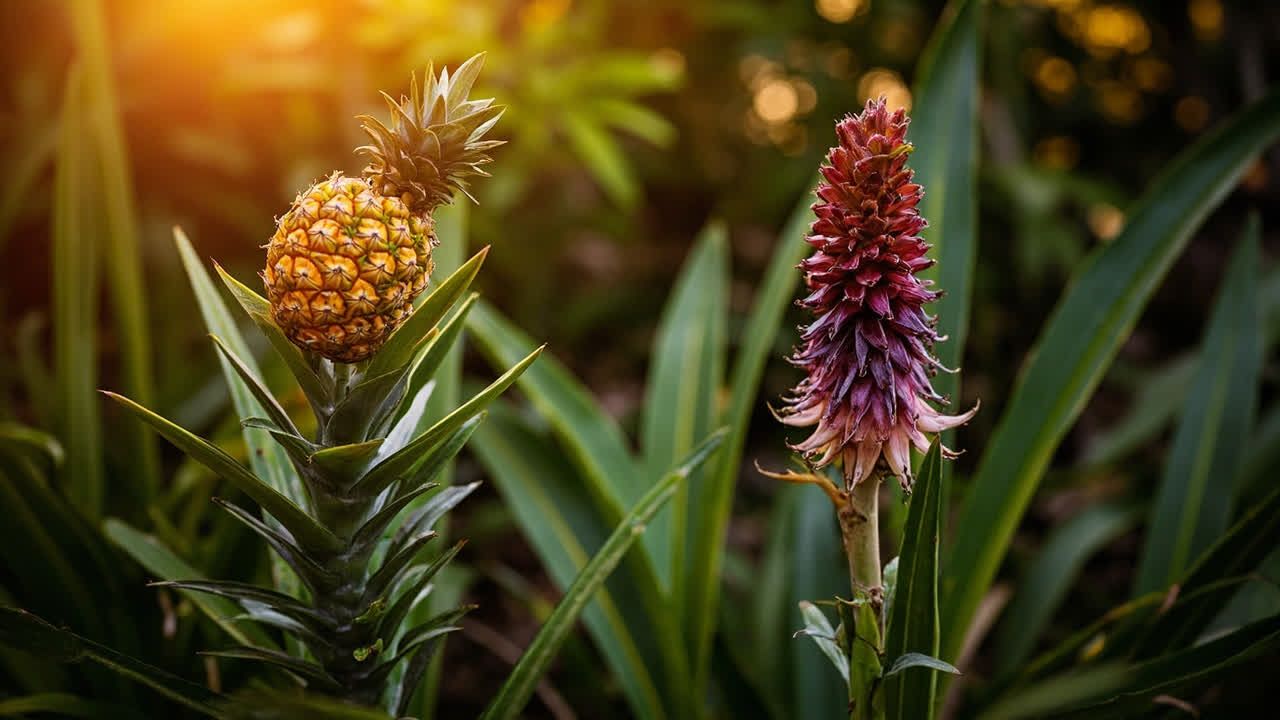
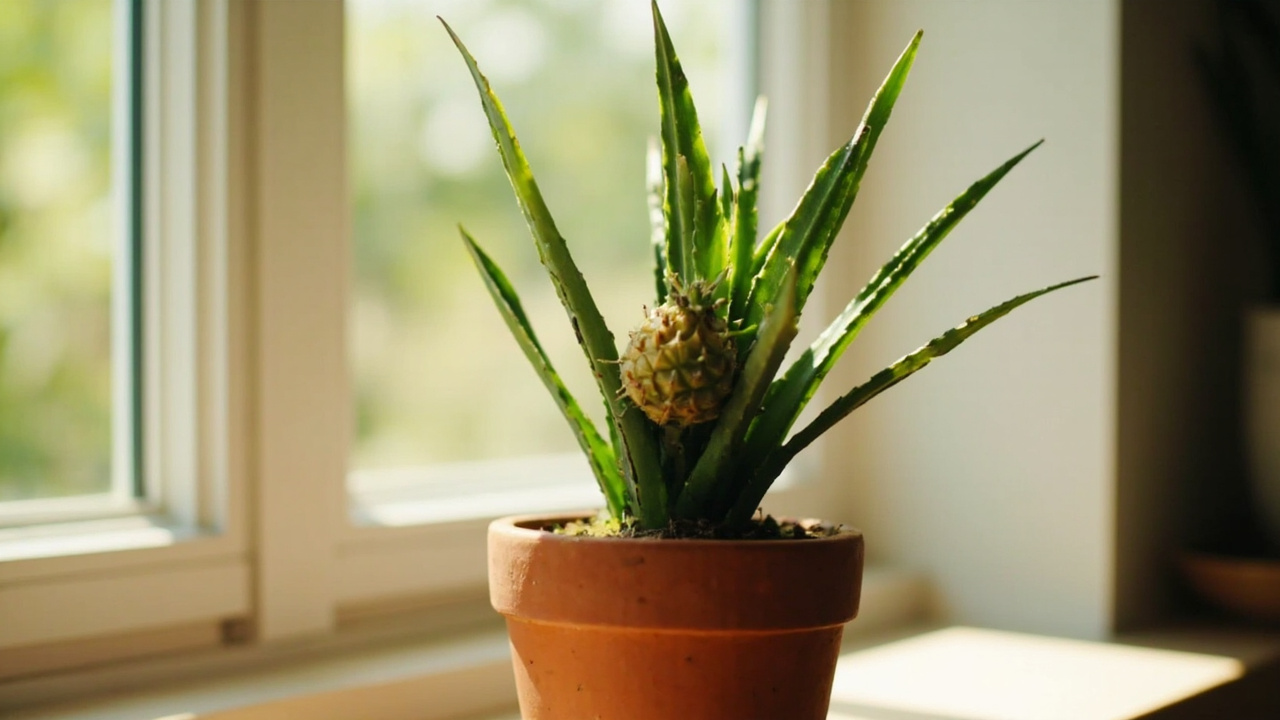
Pineapple fertilizer decisions are easier when you stop chasing dramatic growth and start supporting a stable root zone. Pineapple wants steady nutrition, not aggressive feeding. If the plant is already under stress, more fertilizer usually makes the stress louder instead of better.
The best choice is the one that fits the plant’s stage, the season, and the condition of the soil. Feed well and the plant moves forward. Feed too hard and you can damage the roots you are trying to help.
The Best Fertilizer Is the One the Roots Can Actually Use
Pineapple plants do not need extreme feeding. They need steady, usable nutrition in a root zone that is healthy enough to handle it. That is why the best fertilizer is not the strongest bottle on the shelf. It is the one that supports growth without turning the pot into a salt trap.
The plant also changes over time. What helps a young vegetative plant is not exactly the same thing that helps a mature fruiting plant. Good feeding respects that difference instead of forcing one feeding style through every stage.
What happens next when the feed is well matched is steadier leaf color, better center growth, and less swing between hungry-looking growth and overfed softness.
What Works Best
For most home growers, the best choice is a balanced liquid fertilizer at half strength, used regularly during active growth. Something near 10-10-10 or 12-12-12 is usually practical.
- balanced liquid feed for control
- micronutrients included for color and overall health
- half-strength use to lower burn risk
What happens next when this is done well is steady center growth and fewer swings between hunger and overfeeding.
Why Balance Matters
Pineapple plants need nitrogen for leaf growth, but if nitrogen goes too high, the plant can stay too vegetative for too long. Potassium helps with overall strength and later fruiting support. Micronutrients keep color and general function from slipping.
That means the best fertilizer is not a “big green growth” product. It is a balanced product used sensibly.
What to Avoid
- very strong high-nitrogen feeding if the plant is already stressed
- heavy slow-release rates in cool or low-light conditions
- random overcorrection when the real problem is light or soil, not nutrition
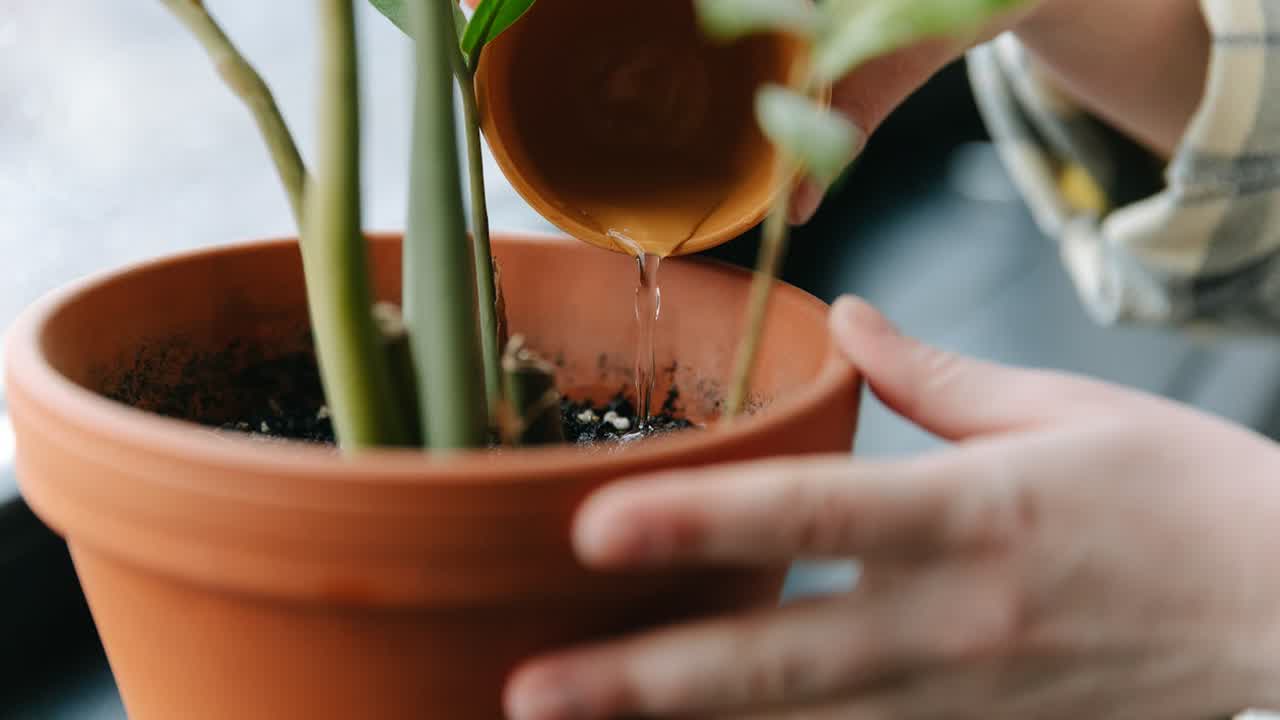
If the plant is already stressed from wet roots or weak light, strong fertilizer is a bad shortcut. It may make the leaves look fed for a moment while the root issue gets worse underneath.
Liquid vs Slow-Release
Liquid fertilizer gives you the most control. You can adjust it based on season and plant stage. Slow-release can work too, but it gives you less responsiveness when conditions change.
The trade-off is convenience versus correction speed. In containers, that trade-off matters a lot because the root zone is small and mistakes show faster.
Seasonal Use
Feed during active growth in spring and summer. Reduce or stop in winter unless the plant is clearly still growing under strong light. Feeding in a low-energy season is one of the easiest ways to build up unnecessary salt stress.
How Fertilizer Fits the Whole Pineapple System
Fertilizer is not the first fix for poor growth. Light, pot size, drainage, and temperature all control whether the plant can actually use the nutrients you give it. If any of those are off, fertilizer works less well.
That is why the feeding plan should sit alongside the light requirements guide, the pot size guide, and the soil guide.
Simple Feeding Rule
- use a balanced fertilizer
- dilute it
- feed only during active growth
- back off if conditions are cool, dark, or soggy
What happens next with that approach is less drama and more predictable growth. That is exactly what pineapple likes.
The Honest Take
If the soil is wrong or the light is weak, even the best fertilizer will disappoint you. But in a healthy setup, a balanced liquid feed used lightly and consistently is usually the smartest choice.
For the full feeding rhythm, pair this with the fertilizer schedule and the soil guide.
Turn PDF Bank Statements Into Workable Spreadsheets
Your bank statement is a mess of numbers, but your books shouldn't be. Use our converter to get Excel, CSV, or QBO files — ready for QuickBooks.
Try It Free Now