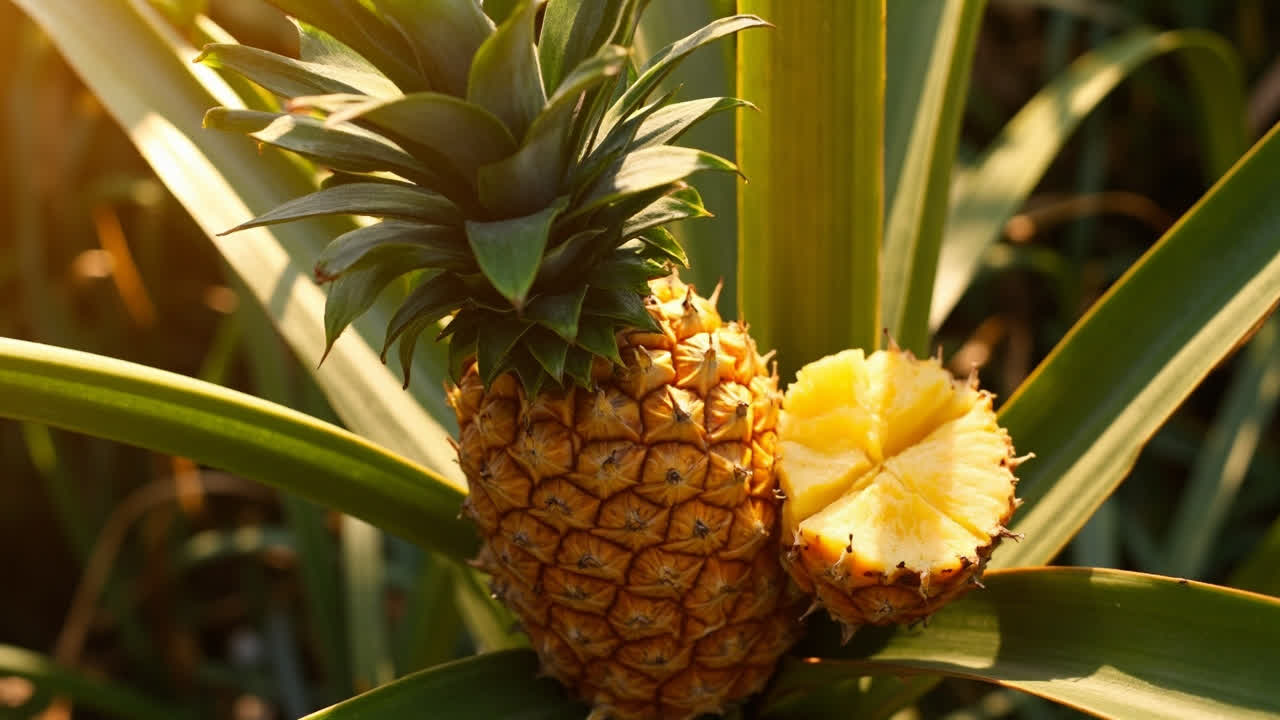
The top of a pineapple is not waste. It is planting material. That is the fun part. The part people miss is that a pineapple crown is not ready for soil the minute you cut it off the fruit. If you plant it too fast, the leftover fruit tissue rots and the whole project collapses before roots even begin.
That is why growing pineapple from fruit is less about luck and more about preparation. A healthy crown, a clean base, strong light, and patience are what turn a grocery-store pineapple into an actual long-term plant. The broader pineapple propagation guide explains how crown propagation compares with starting from pups, slips, and suckers.
If you have ever wondered whether this works outside YouTube tricks and social media shortcuts, the answer is yes. It works. It is just slower and more methodical than people expect.
Choose the Right Pineapple First
Start with a fruit that has a healthy crown. That means:
- firm green leaves, especially in the center
- no soft or moldy base
- no sign of rot where the crown meets the fruit
- no heavy pesticide residue or dried-out leaves
If the inner leaves pull out easily or smell off, skip that fruit. What happens next with a weak crown is usually rot, not rooting.
How to Remove the Crown Properly
Twist the crown off firmly or cut it off cleanly with a knife, then trim away all leftover fruit flesh from the base. This step matters more than most people think. Fruit tissue left attached to the crown rots quickly once moisture is added.
After trimming, remove the lowest 1–2 layers of leaves to expose the stem base. You should see a short bare section with small root bumps. That is where the new roots will emerge.
Let the Crown Dry Before Planting
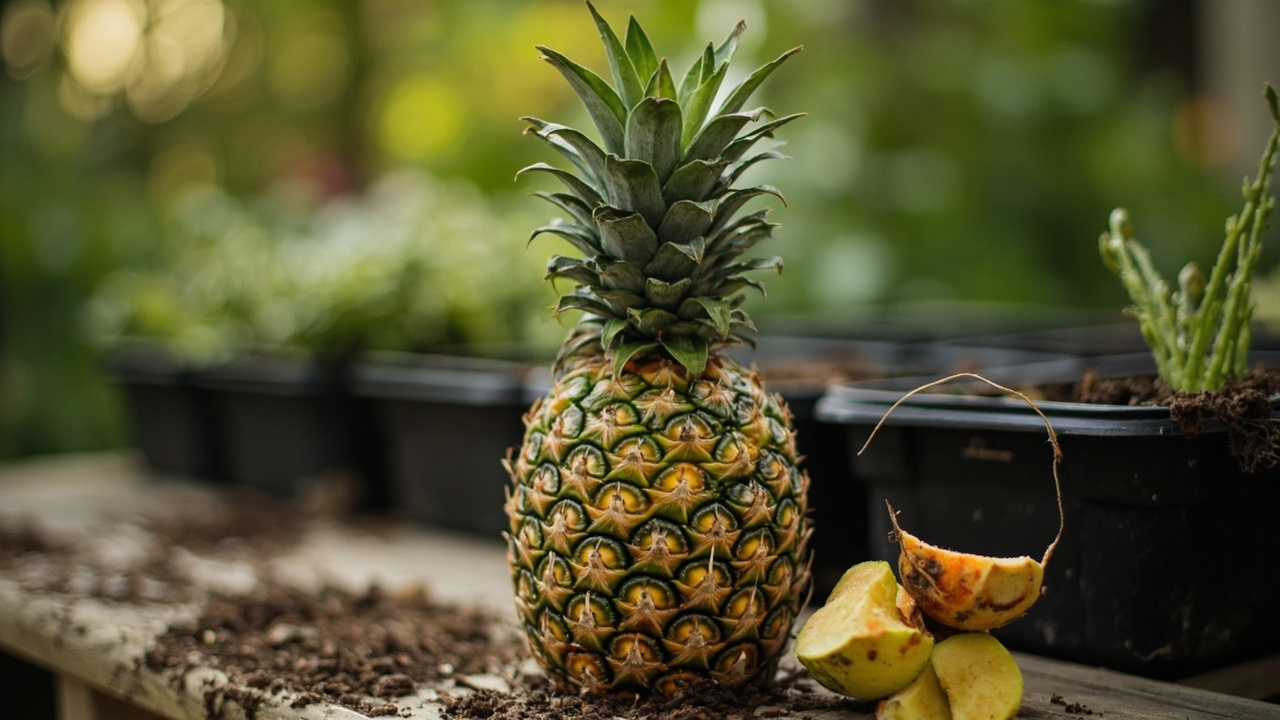
This is the step impatient growers skip. Let the prepared crown dry for 24 to 48 hours in a bright, airy spot out of harsh direct sun. That drying time lets the cut base callous over.
What happens next is important: a calloused base is much less likely to rot when it meets water or soil. Planting it immediately sounds efficient, but it often creates the exact failure you are trying to avoid.
Water Rooting vs Direct Soil Planting
You can root a pineapple crown in water or plant it directly into soil. Both can work. The better choice depends on how confident you are.
Water Rooting
Water rooting is easier for beginners because you can see what is happening. Suspend just the bare base over water so the lower stem touches the water but the leaves stay dry. Change the water every few days.
Roots usually begin in 2 to 6 weeks depending on warmth and light. Once the roots are a couple of inches long, move the crown into soil.
Direct Soil Planting
Direct planting is simpler, but it gives you less visual feedback. Use a fast-draining mix and set the crown in just deep enough to anchor it. Then water lightly.
The trade-off is clear: water rooting gives visibility, while soil rooting gives fewer transplant steps. If you tend to overwater, water rooting is often safer because you can watch progress instead of guessing below the surface.
The Best Soil for a Crown From Fruit
Use a loose, fast-draining mix. A good formula is:
- 50% potting mix
- 30% perlite or pumice
- 20% orchid bark or coarse sand
That mix keeps the base aerated while still holding enough moisture for root development. Heavy standard potting soil usually stays wet too long, and that is how fresh crowns fail.
For a full breakdown, read the pineapple soil requirements guide. Soil is not a side detail here. It is the difference between rooting and rotting.
Light and Temperature During Rooting
Keep the crown in bright light, but do not blast a newly prepared crown with harsh midday sun right away. Warmth matters too. The best rooting range is roughly 70–85°F / 21–29°C. Use the pineapple light requirements guide when choosing its permanent position after roots establish.
- too cold: rooting slows dramatically
- too dark: the crown weakens before roots establish
- too wet: rot gets there first
What happens next in the right conditions is subtle at first. The crown stays firm, then new center growth appears, then the roots begin supporting active leaf production.
How Long It Takes to Grow Into a Real Plant
This is not a quick-win crop. A crown grown from fruit usually takes:
- 2–6 weeks to root
- several months to become an established juvenile plant
- 2–3 years to reach flowering and fruiting size in good conditions
The honest limitation is patience. If you want instant results, buy a started plant. If you want a satisfying long-term project, starting from fruit is excellent.
Common Mistakes That Ruin the Process
- planting the crown before it dries
- leaving fruit flesh attached to the base
- using heavy wet soil
- keeping it in weak light
- watering too much before roots establish
Most failures happen in the first phase, not the second year. Once a crown roots well, pineapple is much more forgiving.
Should You Grow From Fruit or Buy a Plant?
Grow from fruit if you want a low-cost project and enjoy propagation. Buy a plant if you want a head start and do not want to spend the first months just establishing roots.
The decision is not about right or wrong. It is about whether you want speed or the satisfaction of doing the whole lifecycle yourself.
The Best Next Step
If you are starting from a store-bought pineapple, follow this sequence: choose a healthy fruit, clean the crown, dry it, root it carefully, then move it into a proper mix. After that, the pineapple propagation guide and main growing guide take over from there.
Turn any PDF statement into a clean sheet
Skip the typos and the hours of copying. Our converter handles any bank statement format and outputs Excel, CSV, or QBO for QuickBooks. No file retention, free to try.
Convert your statement