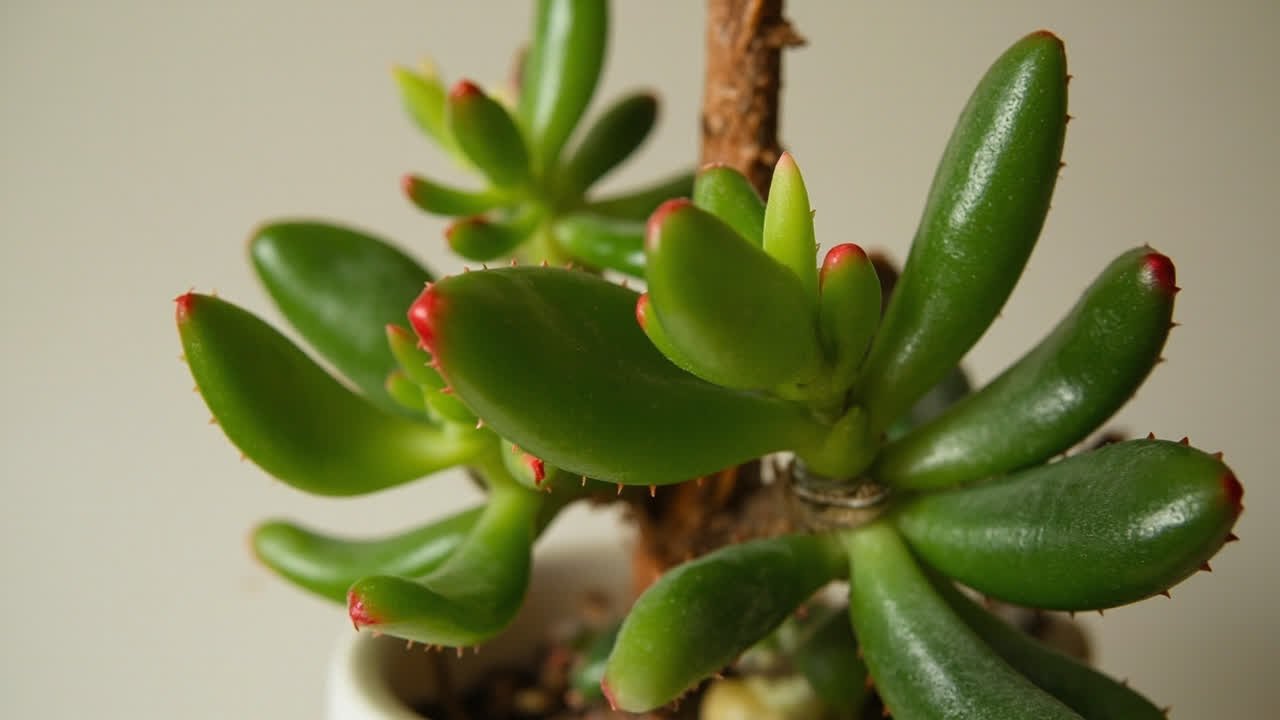

You’ve decided to propagate your jade plant. You have a few healthy leaves or a cutting, and now you’re trying to figure out the best way to get them to root. Water propagation is popular and satisfying because you can watch the roots grow. Soil propagation is the traditional succulent approach. Which one actually works better for jade plants?
The short answer: both work. The longer answer: they produce different root systems, carry different risks, and suit different situations. Here’s the honest comparison.
The Two Methods Side by Side
Water propagation for jade plants involves placing a cutting or leaf in a jar of water and waiting for roots to develop before transplanting to soil. Soil propagation involves planting the cutting directly into a fast-draining soil mix and waiting for roots to establish in the same medium.
Neither method is wrong. The key difference is what happens between root initiation and the plant establishing in its permanent medium — that transition is where water propagation carries the most risk.
Water Propagation: The Watchable Way
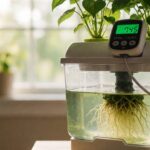
Water propagation is popular because you can see the roots developing. For jade plants, a cutting suspended in water typically produces visible roots within 2-4 weeks, sometimes faster in warm conditions. The process feels transparent and encouraging. If you’re new to propagating jade plants, the general jade plant propagation guide covers the basics of taking cuttings first.
The risks: jade plant roots grown in water are different from soil roots. They’re adapted to access dissolved oxygen in water. When you transplant a water-rooted cutting to soil, those water roots need to die off and be replaced by soil roots. During this transition period, the plant is more vulnerable to root rot if you water too heavily before the soil roots have developed.
The other risk is straightforward: the cutting sitting in stagnant water can rot before it roots, particularly if the water isn’t changed every few days or if the cutting was planted with cut tissue still wet.
Soil Propagation: The Direct Approach
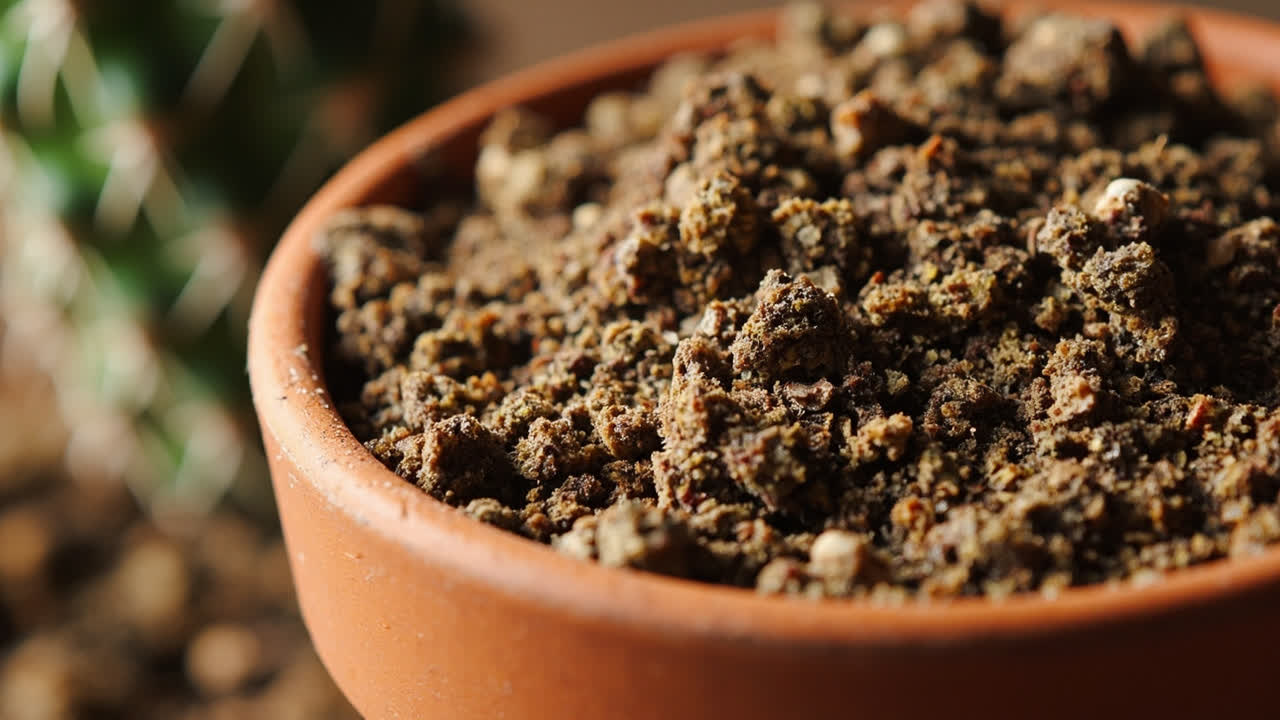
Soil propagation means taking a calloused cutting and planting it directly into a dry or barely damp succulent soil mix. The cutting sends roots out into the soil from the start. There’s no transplant shock to manage and the roots are already in the medium where the plant will live. The soil requirements guide has the full soil specifications for jade plants.
The tradeoff: you can’t see the roots developing. For people who find this uncertain, it’s genuinely stressful not knowing what’s happening underground. The waiting period is also slightly longer before you see any visible sign of success.
The success rate with soil propagation for jade plants is generally higher for whole cuttings because the cutting is never managing two different environments. Leaves can be slower — sometimes taking 4-8 weeks to produce roots in soil — and some just never root no matter what you do.
Step-by-Step: Water Propagation for Jade Plants
Taking the Cutting
Cut a healthy stem section 3-5 inches long, cutting just above a leaf node. Remove the lower leaves so you have 2-3 inches of bare stem. Let the cut end callous for 2-3 days — this is essential. A fresh cut planted directly into water rots almost immediately. The callous forms a protective barrier that prevents fungal entry.
After callousing, place the cutting in a small glass jar filled with water to just below the lowest leaf. The leaves should not be submerged — only the bare stem sits in water. Change the water every 2-3 days to prevent stagnation.
Place in bright indirect light. Direct sun heats the water and can cook the developing roots. A windowsill with morning light is ideal.
The Transition to Soil
Once the roots are 1-2 inches long — not just tiny nubs, actual visible root length — it’s time to transplant. Prepare the pot with fast-draining succulent soil before you remove the cutting from water.
The transplant itself should be quick. Make a small hole in the soil, place the rooted cutting in it, and gently firm the soil around the roots. Do not water for 3-5 days after transplanting — this gives any damaged water roots a chance to callous over before encountering moisture. After the initial waiting period, water lightly and then let the soil dry completely before the next watering.
Signs of successful transition: the cutting maintains its firmness, new growth appears at the tips within 2-3 weeks, and the plant doesn’t look stressed after watering.
Step-by-Step: Soil Propagation for Jade Plants
Taking and Preparing the Cutting
Cut the same way as for water propagation: 3-5 inches of healthy stem, cut just above a node, remove lower leaves. Let the cut end callous for 2-3 days. This step is the same and just as critical — the callous is what prevents fungal entry whether you’re going into water or soil.
Dip the calloused cut end in rooting hormone powder if you have it — this is optional but it shortens the root initiation time and can increase the success rate for larger cuttings. If you don’t have rooting hormone, proceed without it; jade plants root readily without it. For general care after propagation, the care guide covers the full routine.
Planting
Fill a small pot — 3 or 4 inches — with barely damp succulent soil. Make a small hole in the center, insert the bare stem, and firm the soil gently around it. The soil should be moist but not wet — if it squeezes out moisture when you press it, it’s too wet.
Place in bright indirect light. Don’t water for 7-10 days. This is the most common mistake: watering immediately after planting. The cutting has no roots to absorb water yet, and wet soil at this stage promotes rot rather than root development. The cutting will use its stored leaf water to stay turgid during this period.
After 7-10 days, water lightly. The soil should dry completely within a week. When you see new growth appearing at the branch tips — typically within 3-5 weeks in warm conditions — the roots have successfully established.
Which Method Should You Use?
Use water propagation if you want to watch the process and you’re confident you’ll change the water every few days. It’s also useful if you’re propagating with children and want them to be able to see what’s happening.
Use soil propagation if you want the highest success rate for stem cuttings, if you’re propagating a large number of cuttings at once, or if you want the simplest possible process with the fewest variables to manage.
For leaf propagation specifically, soil is almost always better than water. Leaves root very slowly in water if they root at all, because the wound where the leaf attaches to the stem is smaller and more prone to rot. Leaves in soil have a much better track record of producing roots and eventually small plants.
The Rooting Hormone Question
Jade plants root readily without rooting hormone. For most home propagation, it’s unnecessary. If you’re propagating difficult or older specimens, or if you’re working with large cuttings and want the fastest possible root establishment, hormone can help. If you have it, use it. If you don’t, don’t let the absence of it stop you from propagating.
From PDF to Excel in one click
Forget retyping line by line. Upload any bank statement, get a spreadsheet you can actually use. Your files are never stored, and you can test the converter with 3 free conversions.
Try it free