Etiolation is stretched, weak, pale growth caused by a plant not getting enough usable light. If your houseplant has long bare stems, smaller new leaves, and a strong lean toward the nearest window, it is not growing badly at random. It is trying to reach light it cannot properly access.
This is why an otherwise healthy-looking pothos suddenly starts making wide gaps between nodes, or why a succulent on a dim shelf grows tall and floppy instead of compact. The frustrating part is that etiolation often looks like “fast growth” at first. The reality is the opposite: your plant is spending energy to survive a weak-light setup, not to build sturdy, balanced growth.
Here is the quick read before we go deeper:
- Longer spaces between leaves usually mean the plant is stretching for light.
- Smaller new leaves mean the plant does not have enough energy to build normal growth.
- Pale stems or faded new growth often show reduced light intensity.
- A strong lean toward one direction means the light source is too one-sided or too weak.
What etiolation actually means
Etiolation is a plant survival response to low light, not a random cosmetic flaw. The plant changes how it grows because it is trying to find a brighter position, which is why you see longer stems, wider node spacing, smaller leaves, and softer structure instead of compact, sturdy growth.
That change matters because the plant is reallocating energy away from density and strength. In practical terms, your houseplant is saying the current light level is enough to stay alive for now, but not enough to grow in the shape and quality you expect indoors.
How to tell etiolation from normal growth
New growth is not automatically etiolated growth. Healthy growth still matches the plant’s normal pattern, which means leaf size stays fairly consistent, stems stay proportionate, and the plant does not suddenly look sparse, top-heavy, or pulled toward one side of the room.
Etiolated growth usually feels obvious once you know what to look for. A pothos vine starts making long blank sections between leaves. A succulent forms a stretched stem that cannot hold itself upright. A dracaena or cane-type plant starts leaning harder toward the window while the newest leaves arrive smaller than the older ones. Those are not personality quirks. They are light signals.
A simple check helps here: compare the newest 20–30% of growth to the older structure lower on the plant. If the new section is leggier, paler, or more widely spaced, the environment changed or the plant finally ran out of tolerance for dim conditions.
Why houseplants etiolate indoors
Most houseplants etiolate because indoor light looks brighter to you than it does to the plant. A room can feel airy, pleasant, and sunlit while still delivering too little intensity for compact growth, especially once the plant sits a few feet back from the window or spends most of the day behind curtains, screens, tinted glass, or seasonal cloud cover.
The main driver is weak light intensity, but duration and direction matter too. A plant near a small east-facing window may get a short burst of useful light, then spend the rest of the day in survival mode. A plant under ceiling lighting may stay visible to you all evening, but that light rarely replaces sunlight or a proper grow light for structure-forming growth.
Placement is often the hidden issue. A shelf that looks perfect in the room can be too dim at leaf level. A corner that seems “bright enough” for décor can still produce thin stems, undersized leaves, and leaning growth within a few weeks. That is why a guide like mass cane light requirements matters so much: the distance from the window often changes the result more than people expect.
What etiolation looks like on real houseplants
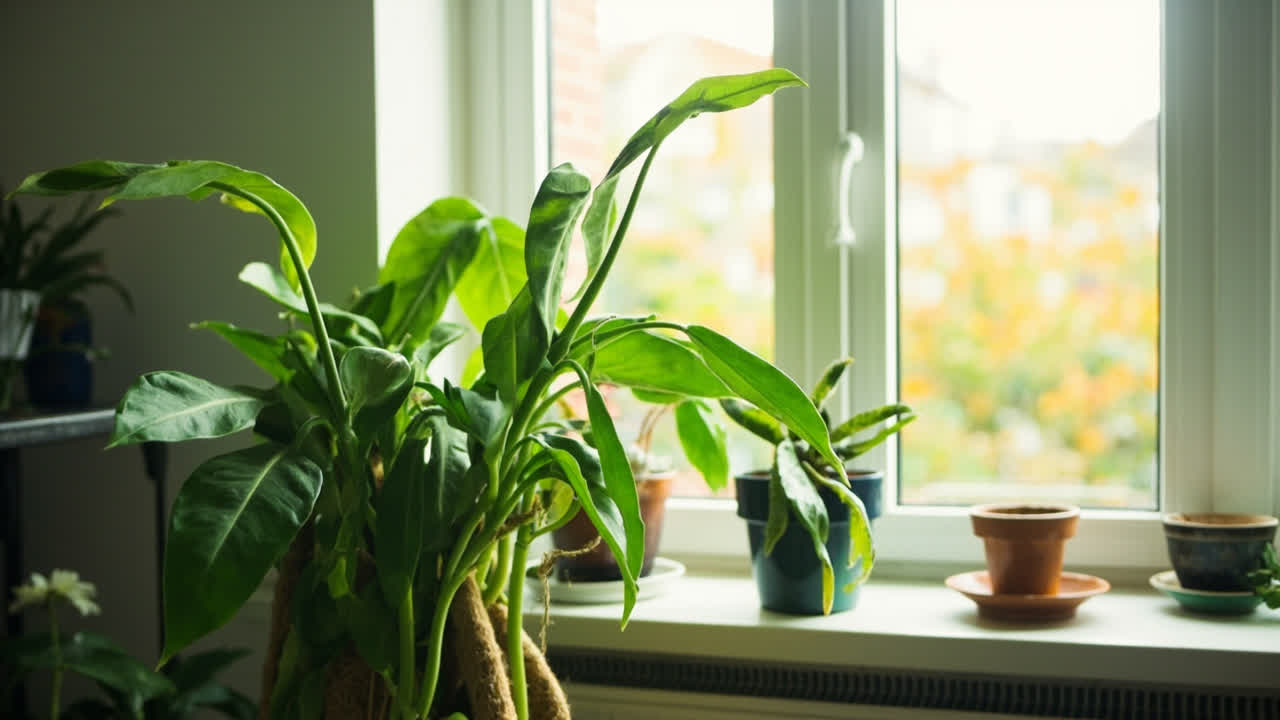
Etiolation does not look identical on every plant, but the pattern is consistent. Vining plants often produce longer internodes and fewer leaves per section. Rosette plants lose their tight shape. Succulents become taller, softer, and more unstable. Cane plants and upright foliage plants start arching toward light and producing weaker top growth.
The texture shift is one of the clearest clues. Etiolated growth often feels thinner and less confident, not just taller. You may notice stems that bend too easily, a plant that needs frequent turning to stay upright, or new leaves that arrive smaller even though you have not changed watering or fertilizer. That combination usually points back to light before anything else.
It also helps to separate etiolation from stress symptoms that look superficially similar. Yellowing older leaves can point to watering problems. Crispy edges can point to humidity or salt buildup. But when the plant keeps stretching, spacing out, and leaning toward brightness, light is usually the core issue. If you are seeing that pattern on a trailing plant, compare it with a healthy reference like this pothos plant care guide and the difference becomes much easier to spot.
What etiolation means for plant health
Etiolation does not always mean the plant is dying, but it does mean the plant is compromised. Weak structure, smaller leaves, and lower energy capture reduce the plant’s ability to keep growing well, which is why prolonged etiolation often leads to a plant that looks sparse, unstable, and harder to maintain over time.
The key trade-off is this: a plant can survive dim conditions longer than it can thrive in them. That is why readers get confused. The plant is still alive, still making leaves, and sometimes even growing quickly, so the setup looks acceptable. In reality, the growth quality is declining. If you leave the light unchanged, the plant usually becomes harder to shape, harder to support, and less attractive with each new section of stretched growth.
What to do next if your plant is etiolated
Your next move is to improve light first, not to fertilize harder or water more often. Extra feeding does not fix a low-light problem. It usually pushes more weak growth, which means the plant stretches further without becoming stronger.
Start by moving the plant closer to its best natural light source, then watch the next round of growth over the next 2–6 weeks depending on the plant. The old stretched section usually stays stretched. What you are looking for is better new growth: shorter node spacing, larger leaves, stronger stems, and less dramatic leaning. That is how you know the change worked.
If your space is consistently dim, a targeted solution works better than constant guesswork. A practical guide to best grow lights for indoor plants helps when the window simply cannot do the job, while best plants for low light is the smarter route if you want a plant that matches the room instead of fighting it.
Pruning can help the shape later, but only after the light situation improves. If you prune first and leave the plant in the same dim spot, the new growth usually returns with the same stretched pattern. Fix the cause before you try to fix the silhouette.
When etiolation is most likely to happen
Etiolation tends to show up fastest in active growing seasons, after moving a plant farther from a window, or when a fast grower outgrows the brighter zone it used to occupy. Spring and summer can hide the problem at first because the plant responds quickly, but quick growth in weak light often produces the longest, weakest sections.
Winter can trigger it more quietly. Days shorten, sun angles drop, and a plant that looked fine in August may start stretching by late season even though nothing in the room seems different to you. That is why seasonal reassessment matters. A placement that was barely adequate can stop being adequate at all.
The real takeaway
Etiolation is your plant’s way of telling you the light is insufficient for compact, healthy growth. Once you recognize the pattern, the diagnosis gets much simpler: stretched stems, smaller leaves, and directional leaning usually point to a light problem before they point anywhere else.
You do not need to panic, but you do need to read the signal correctly. When you respond by improving light and judging success by the quality of the next growth cycle, you stop guessing and start working with what the plant is actually showing you.
From PDF to Excel in one click
Forget retyping line by line. Upload any bank statement, get a spreadsheet you can actually use. Your files are never stored, and you can test the converter with 3 free conversions.
Try it free