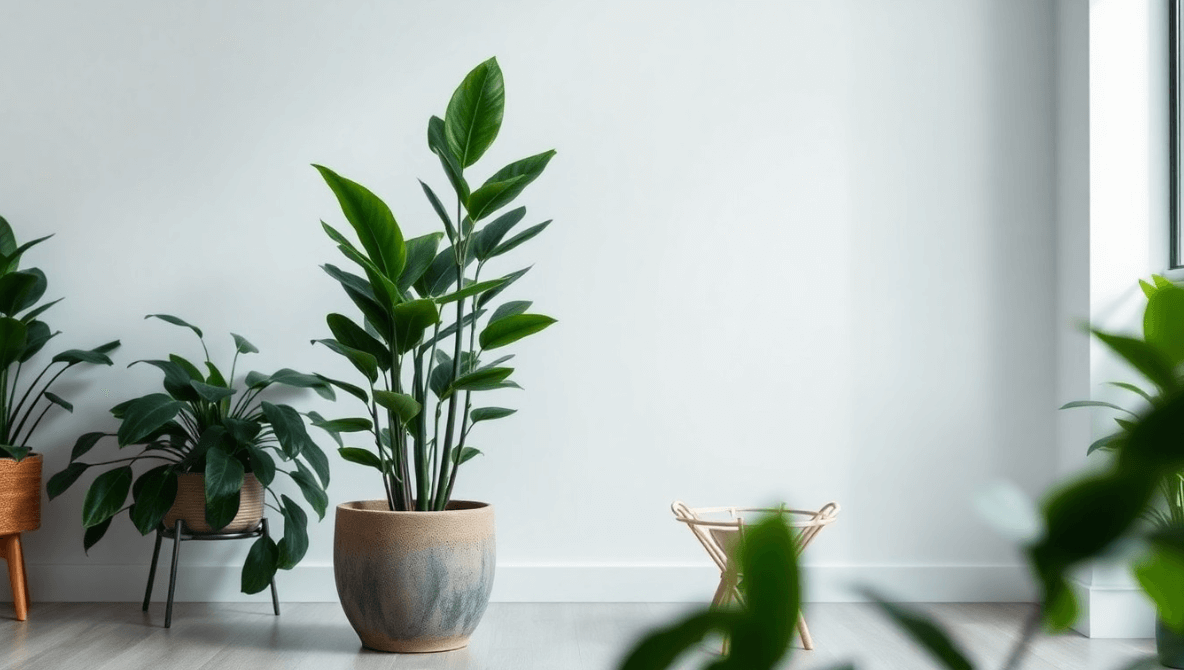
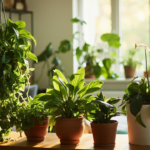
A ZZ plant wants a fast-draining, low-organic, chunky soil mix, not the rich, moisture-retentive “tropical plant” blend most bagged soils default to. The plant stores water in thick rhizomes at the soil line, and when those rhizomes sit in a compacted, peat-heavy medium, they suffocate and rot long before the leaves ever show a problem. The most common cause of yellow stems and mushy rhizomes on a healthy-looking ZZ is the soil, not the watering schedule.
The two structural mistakes to avoid are at opposite ends. The first is a compacted, peat-based “houseplant” mix that holds water against the rhizome for days. The second is the opposite extreme, a pure gritty mix with no water retention, which forces the plant into a survival rhythm and prevents the rhizome from storing anything. The target sits between them: a coarse, well-aerated, low-organic medium that drains in seconds but holds enough moisture to keep the rhizome plump for a week between waterings. Most readers solve this with one of two practical paths: build a small DIY mix, or amend a commercial cactus or tropical mix until it behaves the right way.
This page covers the four functional targets a ZZ soil has to hit, why a typical retail mix fails, an exact DIY recipe, the amendments that make a bagged mix work, the pot and drainage choices that matter as much as the mix, and the recurring failure modes that show up when one of those decisions is wrong. For the broader care picture, our care guide covers watering rhythm, light, and temperature in parallel.
What “Good ZZ Plant Soil” Actually Means
Good ZZ plant soil is defined by what it does in the pot, not by a brand or a bag label. There are four functional targets, and a mix only needs to clear each one. The first is drainage: water poured into the top of the pot should move through the medium and out the drainage hole in under twenty seconds. The second is aeration: the medium should have visible air pockets between particles, even after a thorough watering, because the rhizome needs oxygen around its surface to function. The third is low and steady moisture: the medium should hold enough water that the rhizome does not shrivel between waterings, but release that water fast enough that the lower third of the pot never stays wet for more than 24 hours.
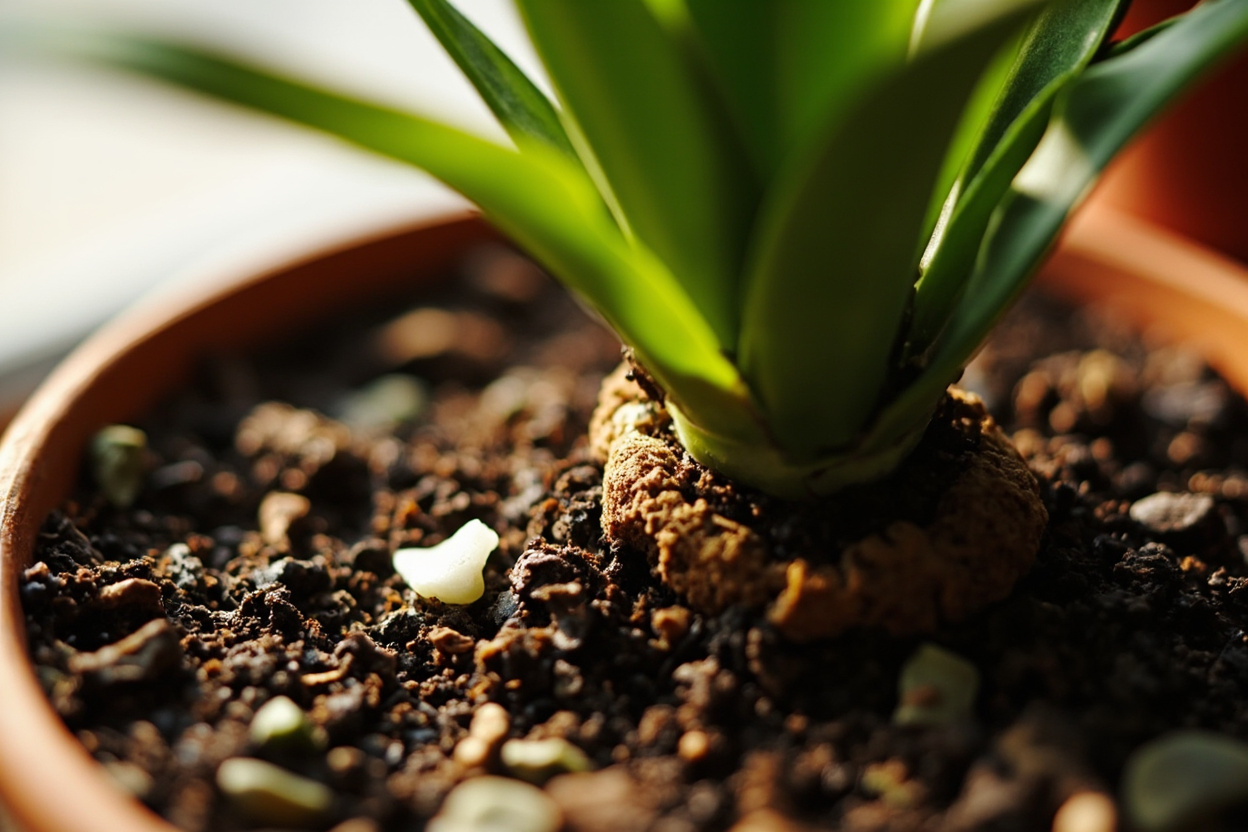
The fourth target is structural support for the rhizome. ZZ rhizomes are thick potato-like structures that anchor the stems, and they need a medium with enough particle size to lock around them without compacting. Fine, peat-dominant mixes collapse around the rhizome over weeks and cut off airflow, which is the failure that shows up as a soft, dark patch on the rhizome months later. None of these targets require a “specialty” soil. They require a chunky, mineral-heavy blend. Most readers clear all four with the DIY recipe in the next section, or with a 60/40 blend of cactus mix and perlite.
Why a Regular “Tropical Plant” Mix Fails
Most retail “tropical plant” or “all-purpose houseplant” mixes are formulated for moisture retention. They are built around peat moss or coco coir, both of which hold many times their weight in water, and they are designed for plants that want consistently moist roots. A ZZ is not that plant. The thick rhizome evolved to store water through dry seasons, and it has no mechanism for coping with soil that stays wet for a week. In a peat-heavy mix, the rhizome is essentially wrapped in a wet sponge, and the cells at the rhizome surface start to soften within days.
The failure does not show up in the soil first. It shows up two to four weeks later as a single yellowing stem near the base of the plant, then a second, then a soft spot where the stem meets the rhizome. By the time the leaves droop, the rhizome has often been compromised for weeks. The mix is the underlying cause, and tightening the watering guide alone will not save a plant in a dense medium. The honest trade-off here is that a peat-based tropical mix is convenient and cheap, but it forces the reader to either repot the ZZ out of it within a month, or accept a chronic rot risk. Most ZZ keepers choose to repot.
From PDF to Excel in one click
Forget retyping line by line. Upload any bank statement, get a spreadsheet you can actually use. Your files are never stored, and you can test the converter with 3 free conversions.
The Best DIY Mix Recipe for a ZZ Plant
The most reliable DIY mix for a ZZ plant uses four ingredients, each one doing a specific job. The base is two parts pine bark fines, which provide the chunky structural skeleton and create the air pockets the rhizome needs. The second ingredient is one part perlite or pumice, which keeps the medium open even after months of watering and prevents the bark from settling into a dense mat. The third is one part coarse sand or calcined clay, which adds weight and helps the pot stay stable when the plant grows tall. The optional fourth is half a part activated charcoal, which buffers the pH slightly and helps the medium stay fresh in a closed pot.
By volume, the ratio is two parts pine bark, one part perlite, one part coarse sand, and a half part charcoal if you have it. Pine bark fines are sold as orchid bark in most garden centers. Perlite comes in three grades; the medium grade is ideal because the fine grade compacts and the coarse grade floats when watered. Calcined clay (also called oil-dri or cat-litter-style “clumping” clay without the clumping chemicals) holds a small amount of moisture without going soggy. Mix the ingredients dry in a bucket until the color and texture are even, then pot the plant at the same depth it was growing. This mix drains in seconds, holds enough moisture to last a week, and gives the rhizome a stable, aerated environment that mirrors the plant’s natural growing conditions.
How to Fix a Bagged Cactus or Tropical Mix
If you would rather start with a bagged mix, two options work and one does not. A cactus and succulent mix is a reasonable starting point, but most commercial cactus mixes are still too peat-heavy for a ZZ. The right move is to use it as a base and amend it. The standard amendment ratio is 60 percent cactus mix to 40 percent perlite or pumice by volume, which gives a coarse, fast-draining blend that still holds a small amount of moisture. For a tropical mix, the amendment is more aggressive: 50 percent tropical mix to 50 percent perlite and pine bark combined, because tropical mixes start much denser.
After amending, water the mix once and watch how it drains. If water sits on the surface for more than a second before soaking in, the mix is still too dense and needs more perlite. If water runs straight through and the pot feels almost weightless within five minutes, the mix is too gritty and a small amount of peat or coco coir can be added back. The blend that feels slightly gritty between your fingers, drains in under fifteen seconds, and leaves a faint moisture line on the pot wall about an inch (2.5 cm) below the surface is the right one. For a fuller walkthrough of refreshing the medium, the repotting guide covers the steps and the timing.
Pot and Drainage Choices That Matter as Much as the Mix
The best ZZ mix in the wrong pot will still fail. A drainage hole is non-negotiable: no drainage hole, no ZZ, regardless of the mix. Beyond that, pot material matters because it changes how fast the medium dries. Terracotta is the most forgiving choice for most homes. The clay walls wick moisture out of the medium, which gives a wider margin between “watered enough” and “watered too much.” Glazed ceramic and plastic pots hold moisture longer, which is fine in bright, warm rooms with strong airflow, but becomes a real risk in a low-light corner or a humid bathroom.
Pot size matters as much as material. The right pot is one to two inches (2.5-5 cm) larger in diameter than the current root mass. An oversized pot holds more medium than the rhizome can use, and that extra medium stays wet for too long. A common failure mode is moving a ZZ from a 6-inch (15 cm) nursery pot straight into a 10-inch (25 cm) decorative pot because the reader wants the plant to “have room to grow.” The plant would rather be slightly tight. If you are choosing a decorative pot without a drainage hole, use it as a cachepot and keep the ZZ in a plastic nursery pot inside it. For the light conditions that determine how fast the medium dries out, the light requirements page covers the ranges that match this mix.
Common Soil Mistakes and Failure Modes
Four soil-related failure modes show up in nearly every ZZ that ends up with a rot problem. The first is compaction: the medium was loose at planting, but the bark or peat settled over months and the lower half of the pot is now dense. The fix is to refresh the medium every two to three years, even if the plant has not outgrown the pot. The second is a peat-heavy mix straight from the bag. The fix is to repot into a chunky blend as described above. The third is a pot with no drainage hole, which traps water at the bottom regardless of the mix. The fix is to drill a hole, move to a different pot, or use the original pot as a cachepot.
The fourth and most common is an oversized pot. The reader sees a tall, top-heavy plant, picks a pot that visually balances the stems, and finds that the medium below the root mass stays wet for ten days after watering. The plant does not need the space. The early symptoms of all four are similar: a single yellow stem at the base, soil that smells sour or stagnant when you push a finger into the lower third, and a rhizome that feels soft when you press it gently through the surface. Once a rhizome has gone soft, the next step is recovery, and the root rot page walks through what to do.