
The best hydroponic system for home gardeners isn’t a single product — it’s the system that matches your space, budget, and goals save dying hibiscus. Choosing wrong means wasted money and frustration. Choosing right means fresh lettuce and herbs growing on your kitchen counter year-round.
Hydroponic systems eliminate soil by delivering nutrient-rich water directly to plant roots. This method produces faster growth and 30–50% higher yields than soil gardening, according to multiple controlled studies — the underlying hydroponic farming mechanics are worth understanding before you choose a system. But the delivery mechanism varies significantly across six main system types, and each variation creates different trade-offs for home gardeners.
This guide compares Deep Water Culture, NFT, Ebb and Flow, Drip, and Aeroponic systems honestly — covering cost, difficulty, yield potential, and the specific mistakes that kill plants in each setup. By the end, you’ll know exactly which system belongs in your apartment, garage, or backyard.
The Six Hydroponic Systems Compared
Deep Water Culture (DWC)
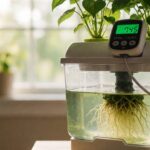
Deep Water Culture suspends plant roots directly in an oxygenated nutrient reservoir. A single air pump keeps the water circulating and oxygenated, preventing root suffocation while roots absorb nutrients 24 hours a day.
DWC delivers the lowest barrier to entry: a basic 5-gallon bucket system costs $50–$80 to build with parts from any hardware store. Commercial DWC kits run $100–$150. Despite the simplicity, DWC produces exceptional results for leafy greens — lettuce grows 30% faster than soil-based methods in DWC setups.
The critical limitation is plant size. Without a solid growing medium to anchor tall plants, the weight of foliage causes stems to snap at the root crown. Large fruiting plants like tomatoes need support structures or net pots with hydroton clay pebbles. Power outages are the other real risk: if the air pump fails for more than 2 hours in warm temperatures, roots can suffocate and die before you notice.
Best for: beginners growing lettuce, basil, mint, and herbs. Apartments with limited space. First-time hydroponic gardeners who want results without complexity.
Nutrient Film Technique (NFT)
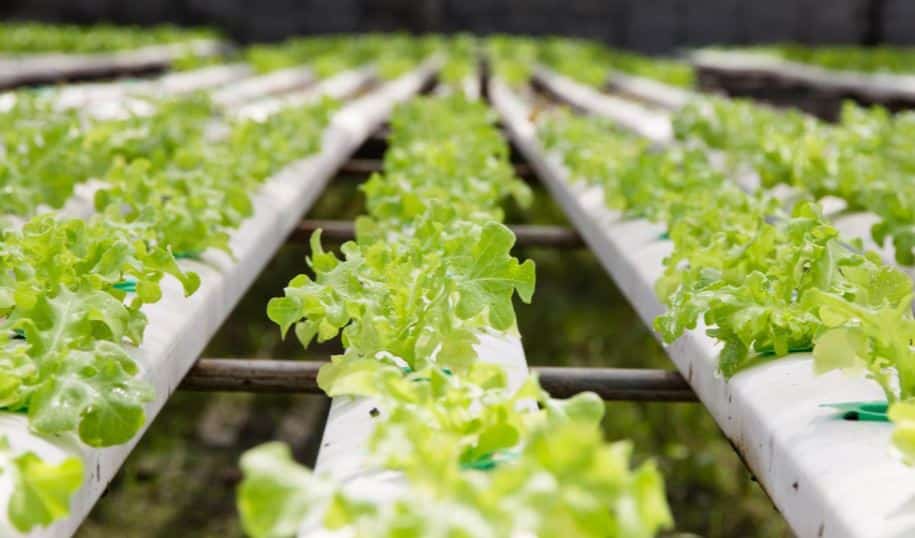
NFT flows a thin film of nutrient solution over angled growing channels. Plants sit in shallow channels where roots contact the nutrient film while exposed air provides maximum oxygen. The setup requires a reliable water pump and slight downward slope — typically 1–2 inches of fall per 10 feet of channel length.
The efficiency of NFT is its biggest advantage: nutrient solution circulates continuously using 90% less water than soil farming while delivering nutrients precisely where roots need them. For lettuce and herbs, this translates to harvests every 3–4 weeks in optimal conditions.
The critical failure mode is pump or channel failure. If the pump stops or channels dry out from a power cut, plants wilt within 24 hours — far faster than DWC because roots have no water reserve. NFT channels also accumulate root mass over time, restricting flow and creating dead zones where plants starve. Professional NFT systems include flow gauges to detect this; most DIY setups don’t.
Best for: experienced beginners comfortable with basic plumbing. Growers focused on high-volume lettuce and leafy green production. Small spaces where vertical channel stacking is possible.
Ebb and Flow (Flood and Drain)
Ebb and Flow periodically floods the grow tray with nutrient solution, then drains it back into the reservoir using a timer-controlled pump. The flood-and-drain cycle typically runs 4–6 times per day, depending on plant type, grow medium, and ambient temperature.
The versatility of Ebb and Flow is its core strength. Unlike DWC where roots sit permanently in water, ebb and flow exposes roots to air between cycles, promoting faster root branching and reducing pathogen risk. This system accommodates a wider range of plant sizes and crop types — from lettuce to peppers to dwarf tomatoes.
The main vulnerability is the timer. If the timer fails or the pump malfunctions, plants either drown from continuous flooding or starve from no cycles. Uneven flooding is another common issue: flood tables larger than 4×4 feet often drain incompletely, leaving corners waterlogged while center zones dry out. Solution: install a minimum fill-rate drain fitting ensuring complete drainage after each cycle.
Cost: $100–$250 for a DIY 4×4 flood table system. Commercial systems run $250–$500.
Best for: intermediate growers wanting crop flexibility. Gardeners who want to experiment with both leafy greens and fruiting plants in one system.
Drip Systems
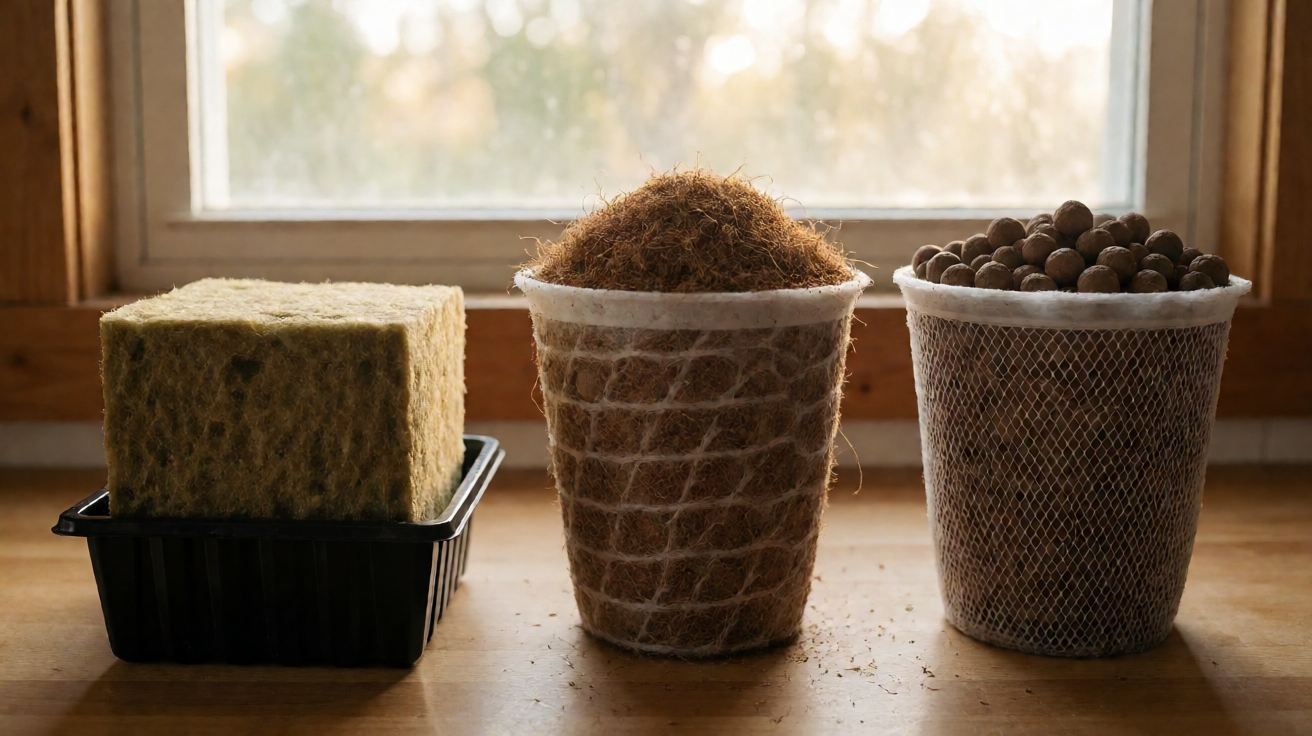
Drip systems deliver nutrient solution through individual drip lines to each plant’s root zone. A pressure-compensating dripper ensures uniform delivery across all plants regardless of position in the loop. The system uses a growing medium like coco coir or hydroton to retain moisture between drip cycles.
Precision is the defining advantage of drip systems. Each plant receives exactly the volume of nutrient solution programmed, with no waste from over-watering and no dry spots from uneven distribution. This makes drip systems the most scalable hydroponic method — commercial greenhouses use drip exclusively for tomato and pepper production at scale.
The complexity and maintenance requirements are significant drawbacks. Each drip line has a small opening prone to clogging from nutrient precipitate, algae growth, or root intrusion. Left unchecked, a single clogged dripper kills one plant in 3–5 days. The system also requires more equipment: pump, timer, filter, drip lines, and individual emitters per plant.
Cost: $150–$400 for a 12-plant DIY drip system. Commercial systems scale rapidly but cost proportionally.
Best for: serious hobbyists committed to maintenance schedules. Growers focused on tomatoes, peppers, cucumbers, and large fruiting plants that benefit from individual plant control.
Aeroponics
Aeroponics mist roots with nutrient spray at 15–30 second intervals using high-pressure pumps and fine nozzles. Roots hang in air within a sealed chamber, receiving maximum oxygen exposure while nutrient droplets hit root surfaces continuously.
The growth rate advantage is measurable: aeroponic systems produce 3x the growth rate of soil-based gardening and significantly outperform both DWC and NFT in controlled comparisons. Plants in aeroponic systems access oxygen at the root zone with no water-saturation compromise, eliminating the root hypoxia that limits other systems.
Cost and complexity are severe barriers. High-pressure pump systems require pressurization to 60–80 PSI for proper nozzle atomization — standard aquarium pumps produce insufficient pressure. Nozzle clogging is catastrophic: a single clogged nozzle in a 30-nozzle system kills the corresponding plants within hours. Sealed root chambers also create humidity management challenges in enclosed spaces.
Cost: $300–$800 for DIY aeroponic systems. Commercial towers like Tower Garden run $500–$1,500. Replacement nozzles and high-pressure pumps add ongoing maintenance costs.
Best for: advanced growers with technical comfort. Specialty crop producers growing lettuce, basil, or microgreens at premium prices. Growers who want the fastest possible harvest cycles and are willing to invest time in maintenance.
The Decision Matrix: Which System Matches Your Situation
Use this matrix to filter options based on your specific constraints. Skip the system that doesn’t meet your primary criterion.
By Space
- Counter or windowsill (under 2 sq ft): DWC bucket system. Single plant per bucket, fits anywhere with 6+ hours of light.
- Small room or closet (10–20 sq ft): NFT channel system. Vertical stacking possible. Grows 12–20 plants in a 2×4 foot footprint.
- Garage or basement (20+ sq ft): Ebb and Flow or Drip. Accommodates larger plants and longer grow cycles.
By Budget
- $50–$100: DWC. Build two 5-gallon buckets for under $80 total. Start with lettuce and basil.
- $100–$200: NFT or small Ebb and Flow. Single channel NFT grows 8–12 plants. 4×4 flood table covers herbs and greens.
- $200–$400: Drip system or advanced Ebb and Flow. 12+ plant capacity. Realistic for tomato and pepper production.
- $400+: Aeroponic. Only justified if growing high-value specialty crops or optimizing for maximum harvest speed.
By Experience Level
- Complete beginner: DWC. Fail modes are visible and slow. Root problems show yellowing over days, not hours.
- Some gardening experience: NFT or small Ebb and Flow. Comfortable with basic pumps, timers, and water chemistry.
- Technical or previous hydroponic experience: Drip or Aeroponic. Understand nutrient EC, pH, and system maintenance intimately.
By Crop Goal
- Leafy greens only (lettuce, spinach, basil, mint): DWC or NFT. Fast harvest cycles, high turnover, minimal support infrastructure.
- Herbs and small plants: DWC, NFT, or Ebb and Flow. All three handle culinary herbs excellently.
- Fruiting plants (tomatoes, peppers, cucumbers): Drip or Ebb and Flow. Need root support, extended grow cycles, and consistent nutrient delivery over 60–90+ days.
- Mixed garden (greens + fruiting): Ebb and Flow. The only system that handles both categories without compromise.
Common Mistakes by System Type
DWC Failures
The most common DWC mistake is allowing the reservoir to go anoxic — oxygen-depleted water kills roots faster than almost any other hydroponic failure. Symptoms appear as brown mushy roots spreading from the root tips upward, accompanied by a foul smell. Prevention: use a dedicated air pump (not a combo air/water pump), check that air stones produce continuous bubbles, and replace air stone every 6 months as pores clog with mineral buildup.
Temperature management is the second critical factor: nutrient reservoirs above 75°F create conditions favorable for Pythium (root rot pathogen). Keep reservoirs below 70°F using insulation, water chillers in hot climates, or by positioning reservoirs away from heat-generating equipment.
NFT Failures
Channel drying kills plants faster in NFT than any other system. When the pump stops or channels become blocked, plants in NFT can show wilting within 6–12 hours versus 24–48 hours in DWC. Install a backup battery-powered air pump as insurance. Additionally, roots in NFT channels grow aggressively and restrict flow over time — trim root mass every 4–6 weeks and flush channels with 3% hydrogen peroxide solution monthly to prevent pathogen buildup.
Ebb and Flow Failures
Timer failure is the primary cause of crop loss in Ebb and Flow systems. A timer that fails in the “flood” position drowns roots within hours; a timer stuck in “off” position allows plants to exhaust reservoir water over 1–2 days. Use a dual-output timer with a manual override, or install a flood sensor alarm that alerts you if the tray remains flooded for more than 30 minutes past the scheduled drain time.
Drip System Failures
Clogging is the dominant failure mode in drip systems. Mineral deposits from hard water, nutrient precipitate crystallization, and algae growth all restrict dripper flow. Install a 150-mesh filter before the drip manifold and flush lines with fresh water every 2 weeks. Use pressure-compensating drippers that maintain flow rate even when partially restricted.
Aeroponics Failures
Nozzle misting failure kills aeroponic plants within hours — exposed roots dry out rapidly when misting stops. High-pressure systems require daily inspection of nozzle output. Install redundant nozzles for critical plants and consider a low-pressure backup mister that activates if the main system pressure drops. Also check the pump’s pressure gauge daily: a drop below 60 PSI means atomization quality degrades and roots begin drying at the edges.
Getting Started: Your First Hydroponic System
If you’re new to hydroponics, start with a single DWC bucket growing lettuce or basil. Budget $60–80 for a 5-gallon bucket, net pot, air pump, air stone, hydroton clay pebbles, and nutrients. Run the system for one full grow cycle before expanding.
Before you build anything, measure your available space and confirm you have at least 6 hours of direct light or equivalent LED lighting. Hydroponic plants need light intensity equivalent to outdoor full sun — insufficient light causes leggy growth, weak stems, and low yields regardless of how perfect your nutrient solution is.
For a complete walkthrough of hydroponic fundamentals including nutrient mixing, pH adjustment, and system selection, read our hydroponic systems for beginners guide. For detailed comparisons of specific system configurations and component selection, see our hydroponics system guide for gardeners. If you’re deciding which plants to grow in your new system, our best plants for hydroponics article covers crop selection by system type.
Master one system before scaling. Run a 30-day lettuce cycle, document what worked and what failed, then add a second system or upgrade. Rushing to a complex Aeroponic or large Drip system before understanding nutrient delivery fundamentals is the most expensive path in hydroponic gardening.
For advanced growers considering Aeroponic setups, our aeroponic tower DIY guide covers tower construction step-by-step. And if you want to understand the precise nutrient delivery that makes Aeroponics outperform other systems, see our nutrient solution guide for maximizing hydroponic plant growth. The advantages of aeroponics article explains why some growers commit to the complexity despite easier alternatives. For the full EC and pH maintenance rhythm, see the reservoir calibration guide.
Turn That PDF Into a Spreadsheet in Minutes
You've seen how to do it manually — now let the tool handle the heavy lifting. Upload your bank statement and get Excel, CSV, or QBO in a few clicks.
Try It Free