
Best plants for hydroponics should match root oxygen demand, growth rate, and nutrient tempo so your hydroponic farming setup delivers healthy roots and predictable yields.
Hydroponics means growing plants in nutrient solution instead of soil; the right plant choice depends on your system (DWC, NFT, ebb and flow), how you control EC and pH, and whether you can provide steady grow lights and oxygenation to the root zone.
Use this article to pick plants by difficulty level, space needs, yield per plant, and harvest time — with clear trade-offs so you can decide which species fit your home setup.
Why some plants thrive in hydroponics and others struggle
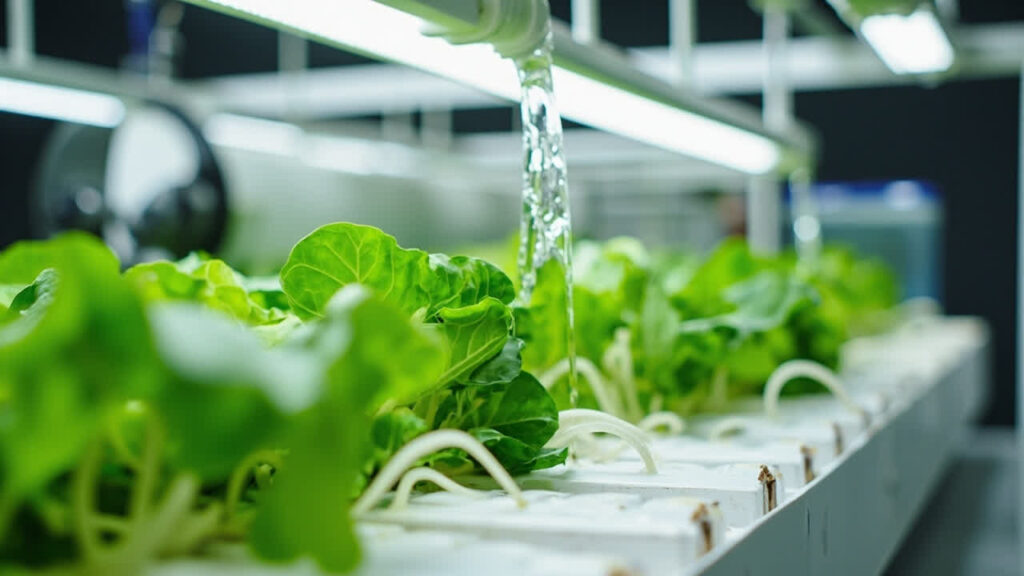
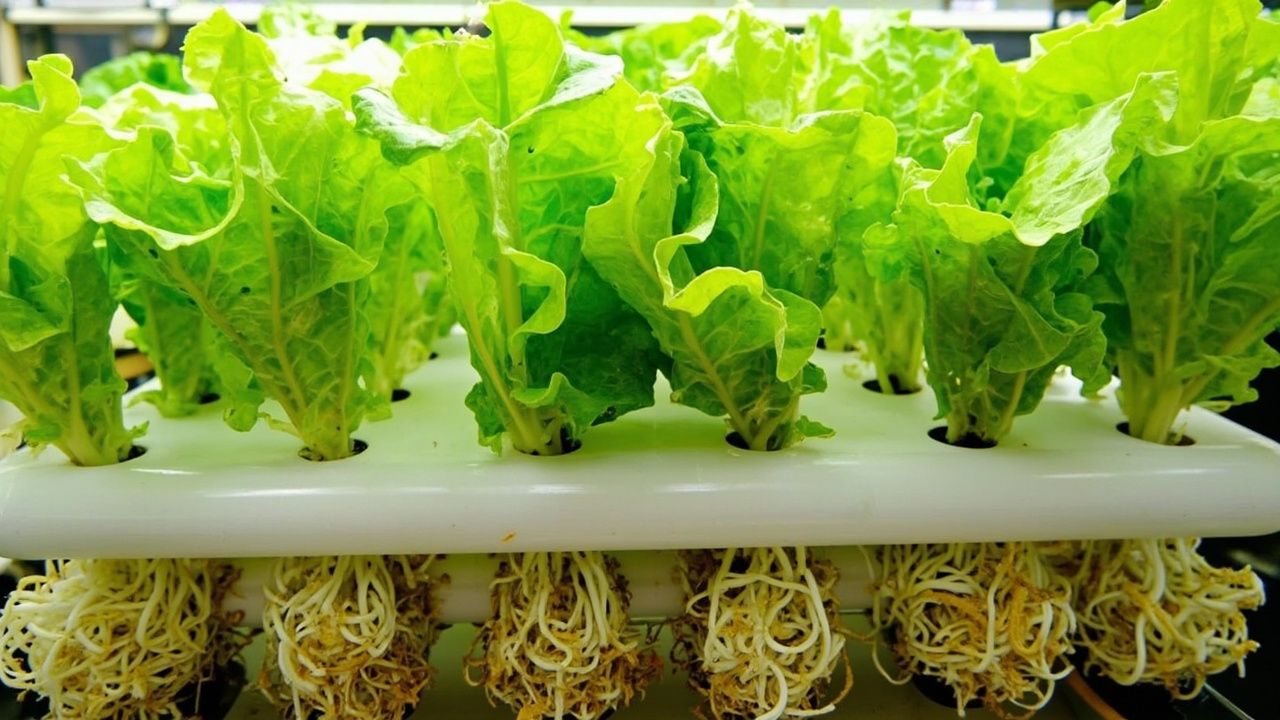
Plants with fibrous roots and fast uptake, like lettuce and basil, thrive because they absorb nutrients from a flowing film or oxygenated reservoir without large taproots. Root zone oxygenation and stable EC prevent root rot and nutrient lockout.
Species with deep taproots or woody structures struggle in typical DWC or NFT setups because they need deep, structured soil and mycorrhizal partners that soilless systems don’t provide; that mismatch increases failure risk in home systems.
What makes a plant suitable for your hydroponic system
A suitable hydroponic plant combines quick growth rate, modest root mass, and moderate nutrient requirements so you can keep EC and pH steady. Those three attributes predict low difficulty level in DWC and NFT systems.
Match light needs and space requirements to the plant: leafy greens need moderate PAR and close spacing, while fruiting crops demand high grow light intensity, more space per plant, and phased nutrient feeding during flowering and fruit set. Your system design also shapes which plants succeed — DWC, NFT, ebb and flow, and drip each suit different root structures and growth habits; our hydroponic system guide for gardeners explains how each type works and which crops fit best.
Leafy greens: easiest choices for beginners
Leafy greens such as lettuce, spinach, and kale are the easiest plants for beginners because they have fast growth rate, low nutrient requirements (EC 0.8–1.6 mS/cm), short harvest time (30–45 days for lettuce), and small root zones that suit DWC and NFT.
Lettuce: growth rate fast, harvest time 30–45 days, yield per plant small but continuous with cut-and-come-again harvests, difficulty level very low, space requirements low, and light needs moderate.
Spinach: growth rate moderate, prefers cooler water (15–20°C), nutrient requirements similar to lettuce, and harvest time slightly longer; watch for bolting in heat.
Kale: growth rate moderate, higher leaf yield per plant, more tolerant of temperature swings, but longer harvest time than lettuce and slightly higher nutrient demand.
Herbs: compact, high-value, and fast
Basil, mint, and chives perform well in DWC and NFT because they have compact root zones, fast growth rate, and low-to-moderate EC needs (basil ~1.0–1.6 mS/cm). Herbs are low difficulty level and suit vertical towers and small systems.
Basil: yield per plant moderate for fresh use, harvest time short (4–6 weeks to first cut), light needs high for strong flavor, and nutrient requirements moderate; pinch often to prevent bolting.
Mint: vigorous root growth can clog NFT channels and root zones, so give mint its own container or use DWC with larger net pots to control root spread.
For a research-based overview of how different hydroponic systems work and which crops they support, the University of Minnesota Extension guide to hydroponic systems covers DWC, NFT, and media-based designs with practical recommendations for home growers.
Fruiting vegetables: higher yield, higher demands
Tomatoes and peppers give high yield per plant but require more work: higher EC (2.0–4.0 mS/cm during fruiting), strict pH (5.8–6.2), strong grow lights, trellising, and reliable pollination. Difficulty level is medium-to-high for home systems.
Tomatoes: growth rate depends on variety (determinate faster, indeterminate slower), harvest time from first flower to ripe fruit typically 60–90 days after transplant, space requirements high (trellis and spread), and nutrient requirements change from vegetative to fruiting phases. For a complete walkthrough of growing tomatoes in hydroponics — from seedling to harvest — our hydroponic tomatoes guide covers variety selection, pruning, pollination, and nutrient phase management in detail.
Peppers: growth rate moderate, harvest time longer than leafy greens, light needs high, and yield per plant can be very good if you manage calcium and potassium during flowering to avoid blossom-end issues.
Match plants to system type
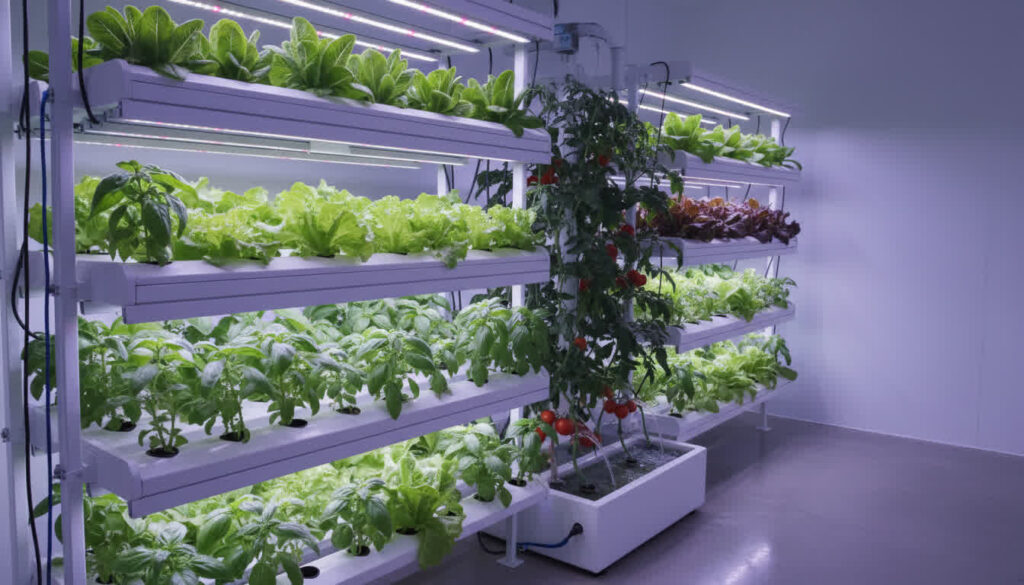
DWC (deep water culture) suits lettuce, basil, and other shallow-rooted greens because continuous oxygenation via air stones keeps the root zone healthy and simplifies nutrient solution management.
NFT (nutrient film technique) favors fast-uptake leafy crops and microgreens because a thin flowing film delivers nutrients quickly; larger fruiting roots risk drying or clogging channels in NFT.
Ebb and flow and drip systems with media (coco, perlite) support heavier root systems and fruiting vegetables like tomatoes and peppers because media anchors plants and buffers nutrient swings.
Nutrient solution, EC, pH and oxygenation explained
Leafy greens need lower EC and a nitrogen-forward nutrient solution, while fruiting plants need higher EC and staged feeding with more potassium and calcium during flowering and fruit set. Managing these variables across different plant groups takes practice — our hydroponic nutrient solution guide walks through formulation, troubleshooting deficiencies, and scheduling reservoir changes for mixed-crop systems.
Maintain EC around 0.8–1.6 mS/cm for lettuce and herbs and raise EC to 2.0–3.5 mS/cm for tomatoes and peppers; keep pH stable between 5.5–6.5 for most crops and use frequent small adjustments rather than large swings.
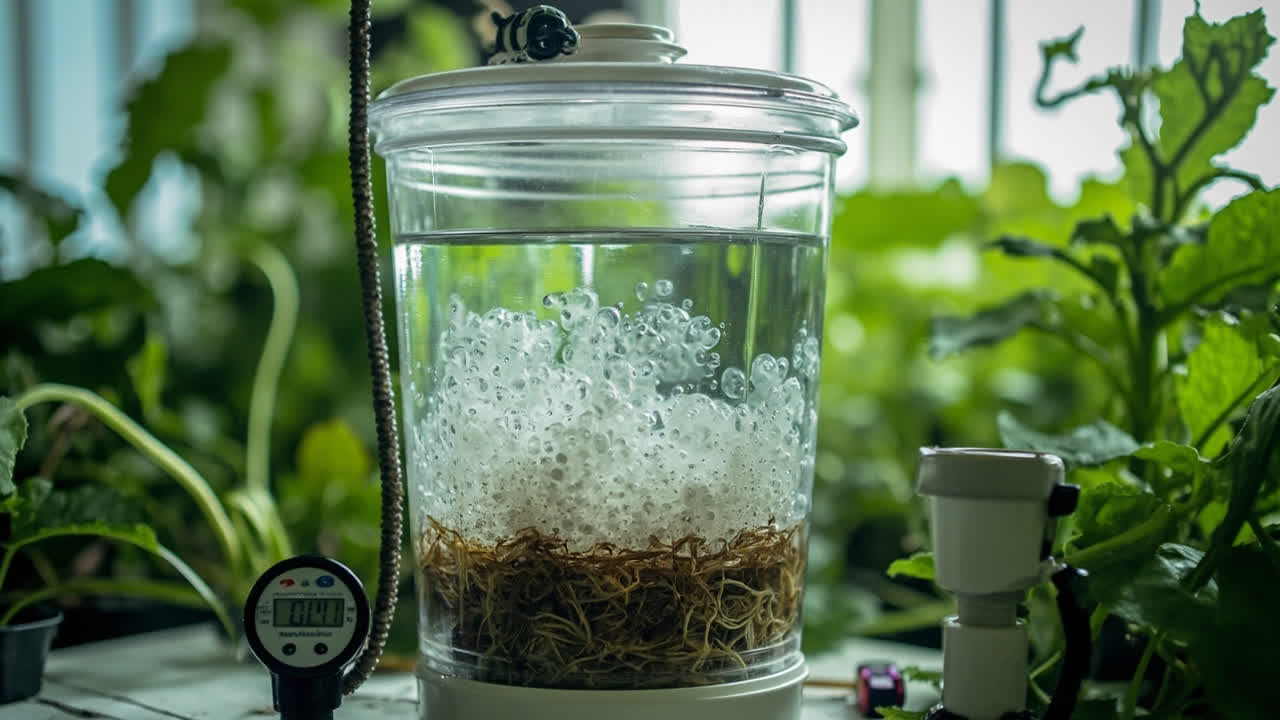
Root zone oxygenation is critical: air stones or strong flow prevent hypoxia. Water temperature affects dissolved oxygen—aim for 18–22°C for greens and 20–24°C for fruiting crops to balance oxygenation and metabolic rate.
Common mistakes and trade-offs
Choosing long-season or taproot crops too early is a common mistake — these need deep anchoring and steady nutrients you may not be ready to manage. Start with forgiving species and scale up complexity.
Under-lighting and crowding are frequent causes of failure: fruiting plants need more PAR and space; dense plantings increase humidity and disease risk. Trade-off: more plants per square metre vs. more monitoring and better ventilation.
The University of Florida IFAS publication on hydroponic vegetable production documents common crop failures and corrective strategies in home and commercial systems — a useful reference for avoiding repeat mistakes as you expand your setup.
Quick answers to common questions
Which plant is easiest for beginners? Lettuce is the easiest — fast growth rate, low nutrient requirements, small root zone, and harvest time under 6 weeks make it ideal for first-time hydroponic gardeners.
Can I grow tomatoes and lettuce in the same system? You can, but it’s not ideal. Tomatoes need higher EC, stronger grow lights, and more space; keeping lettuce in the same reservoir forces compromises in nutrient solution and light that reduce yield for both.
Do I need different nutrients for different plants? Yes. Use a general-purpose nutrient for mixed leafy herbs, but switch to a fruiting formula (higher potassium and calcium) for tomatoes and peppers during flowering and fruit set to meet their nutrient requirements.
How much space do I need? Space requirements vary: lettuce and herbs need low space per plant (10–20 cm spacing), while tomatoes and peppers need 45–60 cm or more and vertical space for trellising and canopy management.
What about pollination for fruiting plants? Indoor fruiting crops usually need hand pollination or pollinator access. Gently shaking vines, using a small paintbrush, or running a small fan to move air helps set fruit when bees aren’t present.
Which plants to avoid
Avoid taprooted root crops (carrots, beets) and woody perennials — they require deep soil and microbial partners that hydroponic reservoirs can’t replicate reliably.
Berries and plants that need chill hours or seasonal dormancy often perform poorly indoors; choose year-round adaptable crops instead to reduce failure risk.
Best plants for hydroponics : final recommendations
For beginners: start with lettuce, basil, and spinach in DWC or NFT — low difficulty level, predictable growth rate, and short harvest time give fast feedback on system health.
For growers ready to step up: add tomatoes and peppers in ebb and flow or drip systems with media, provide higher EC, stronger grow lights, trellis support, and plan for pollination and phased feeding schedules to maximize yield per plant.
Turn PDF Bank Statements Into Workable Spreadsheets
Your bank statement is a mess of numbers, but your books shouldn't be. Use our converter to get Excel, CSV, or QBO files — ready for QuickBooks.
Try It Free Now