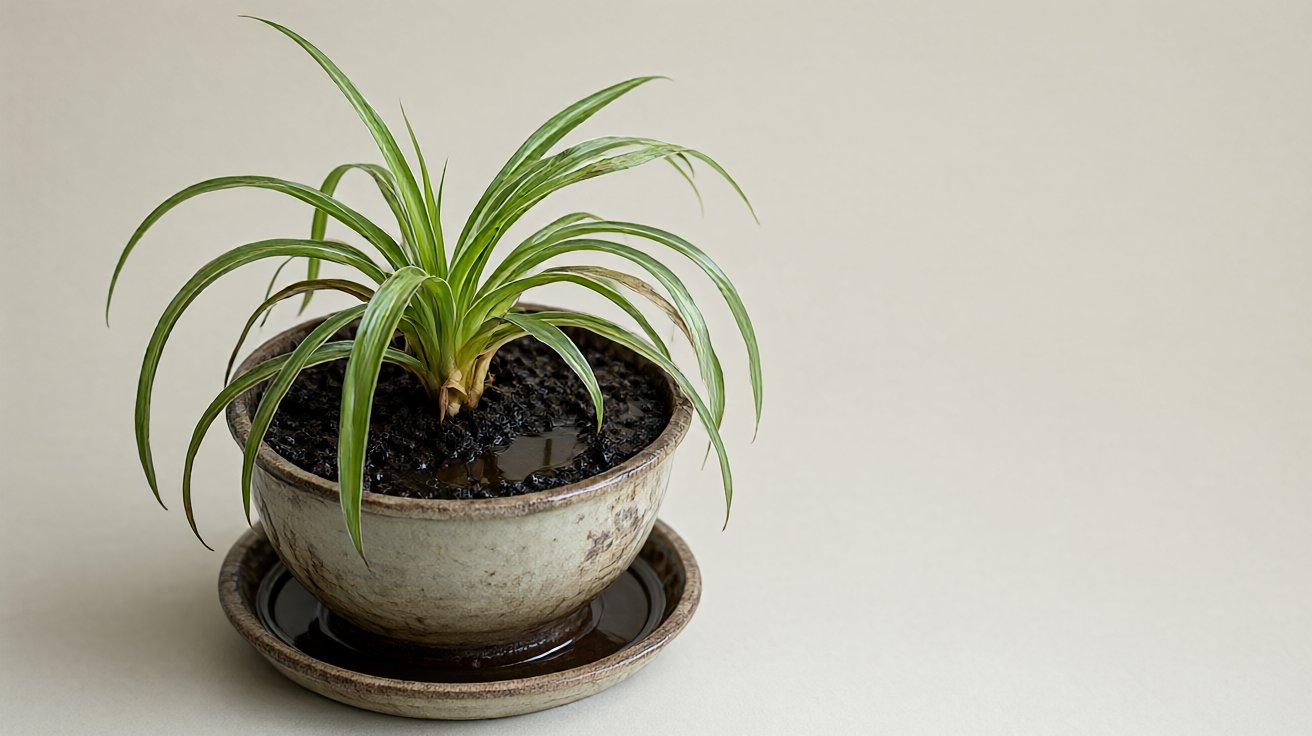

Overwatering is the most common way to kill a spider plant, and it is the most misdiagnosed. The symptoms look like underwatering: drooping, curling, yellowing, browning. The difference is that the soil stays wet. A plant that wilts in dry soil needs water. A plant that wilts in wet soil has damaged roots and needs air. Treating the second like the first accelerates the decline.
This guide explains how overwatering damages a spider plant, how to confirm it, and how to recover. It is specific to Chlorophytum comosum grown indoors.
What Overwatering Actually Does
Roots need oxygen to function. When soil stays saturated, water displaces the air in pore spaces, and roots suffocate. Within days, root tissue begins to die. Dead roots cannot absorb water or nutrients, so the plant shows drought and starvation symptoms even though the soil is wet. The plant is effectively drowning and starving at the same time.
Spider plants are more tolerant of dryness than of saturation. Their tuberous roots store water, which gives them a buffer against missed waterings. They have no buffer against roots sitting in water. This asymmetry is why overwatering kills faster than underwatering.
Signs of Overwatering in a Spider Plant
Look for a cluster of signs rather than any single one. Overwatering announces itself through the whole plant.
Soil that stays wet for more than three to four days after watering is the first and most reliable sign. Spider plant mix should dry to two centimetres deep within a few days. If it does not, either watering frequency is too high or drainage is inadequate.
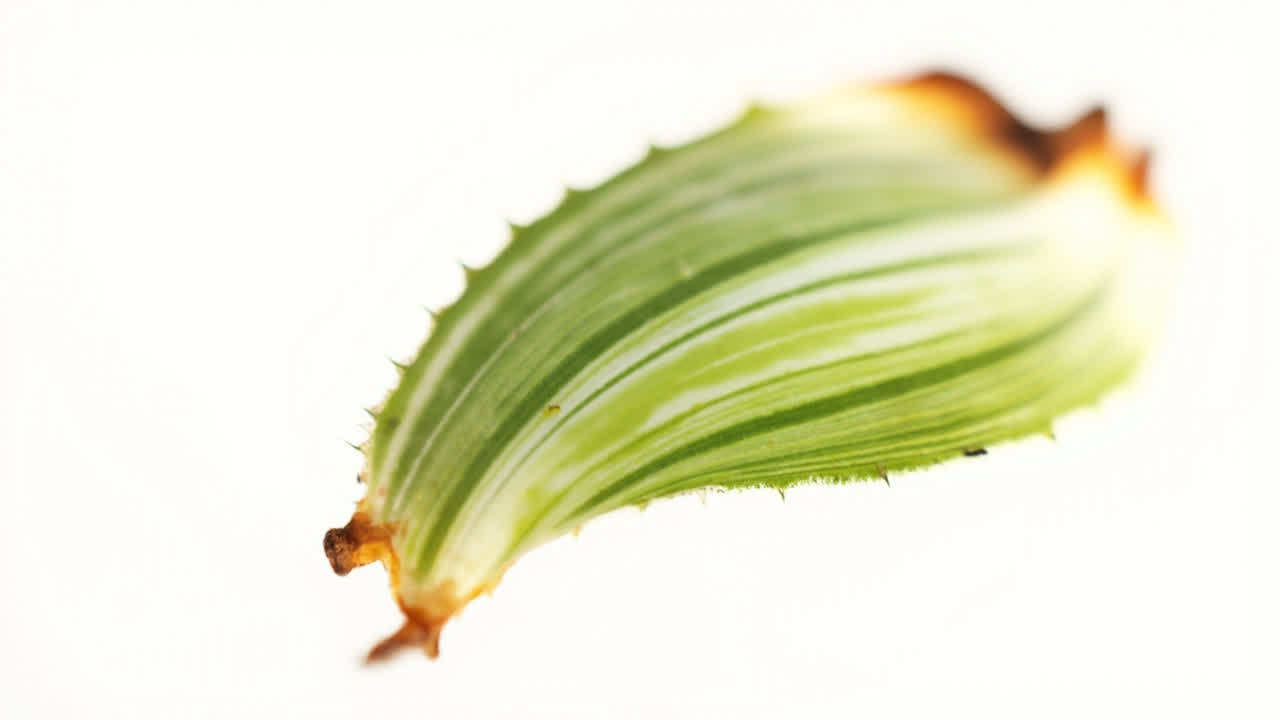
Yellowing leaves starting at the base of the plant, often the oldest leaves first, indicate root stress. The plant sacrifices older tissue to keep newer growth alive. Leaves may turn yellow and then brown and mushy rather than dry and crisp.
Drooping and curling that do not improve after watering point to root damage, not thirst. A thirsty plant perks up within hours of watering. An overwatered plant stays limp because the roots cannot deliver the water.
A soft or mushy base at soil level, sometimes with a sour or musty smell, indicates rot has reached the crown. This is advanced damage and needs immediate action.
Fungus gnats hovering around the soil surface are a secondary sign. They breed in moist organic matter and are rarely present in well-drained, properly watered pots.
How to Confirm Before Acting
Do not assume overwatering from symptoms alone. Confirm with two checks.
First, the finger test. Push a finger two centimetres into the soil. If it comes out wet and dark, the soil is saturated. If it comes out dry and dusty, the plant is thirsty, and you are looking at a different problem.
Second, the pot weight test. Lift the pot. A saturated pot is noticeably heavier than a dry one. Learn the weight of your plant when properly watered, and you can diagnose by feel in seconds.
If both tests show wet soil and the plant is declining, you have overwatering. If the soil is dry, look instead at spider plant drooping and wilting or spider plant leaves curling for other causes.
Recovery Steps
1. Stop watering immediately
Do not water again until the soil has dried to at least two centimetres deep. This alone resolves mild cases.
2. Improve drainage and airflow
Move the pot to a brighter spot with good air circulation. Bright, indirect light increases transpiration and helps the soil dry. Do not put a stressed plant in direct sun, which adds heat stress.
3. Remove standing water
Empty any saucer or cache pot. Standing water keeps the root zone saturated even after you stop watering.
4. Check and treat the roots if needed
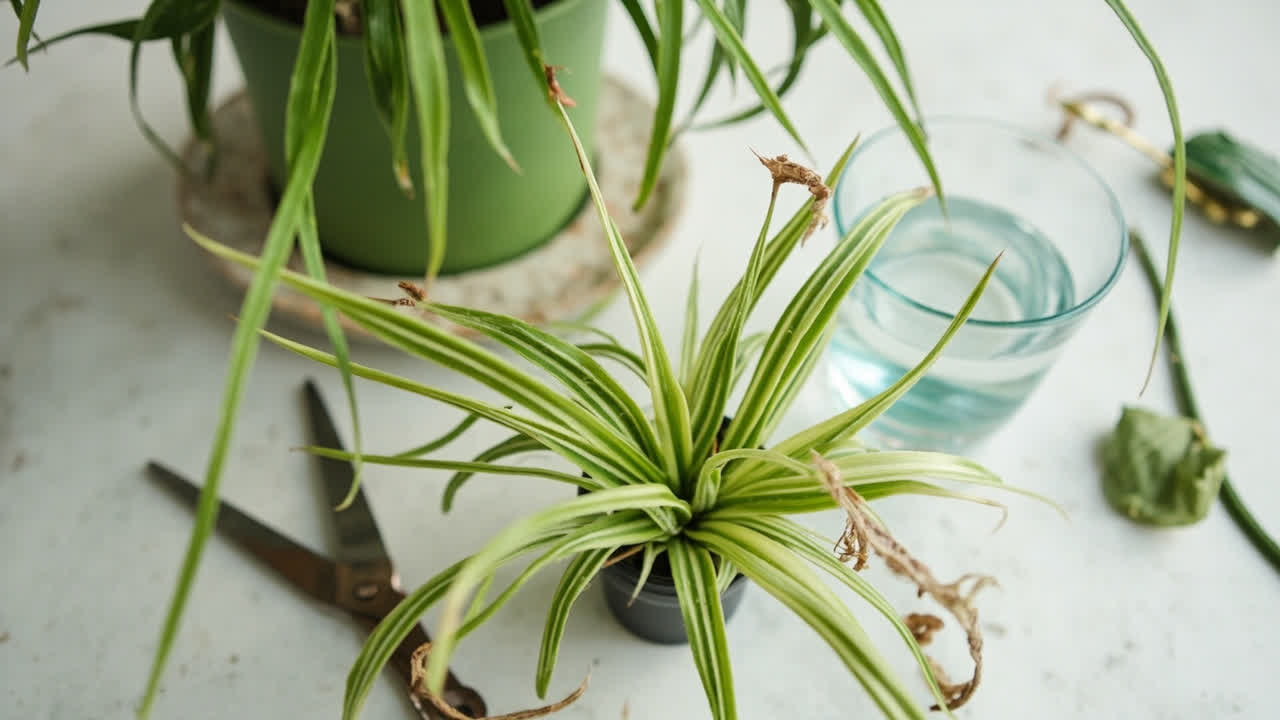
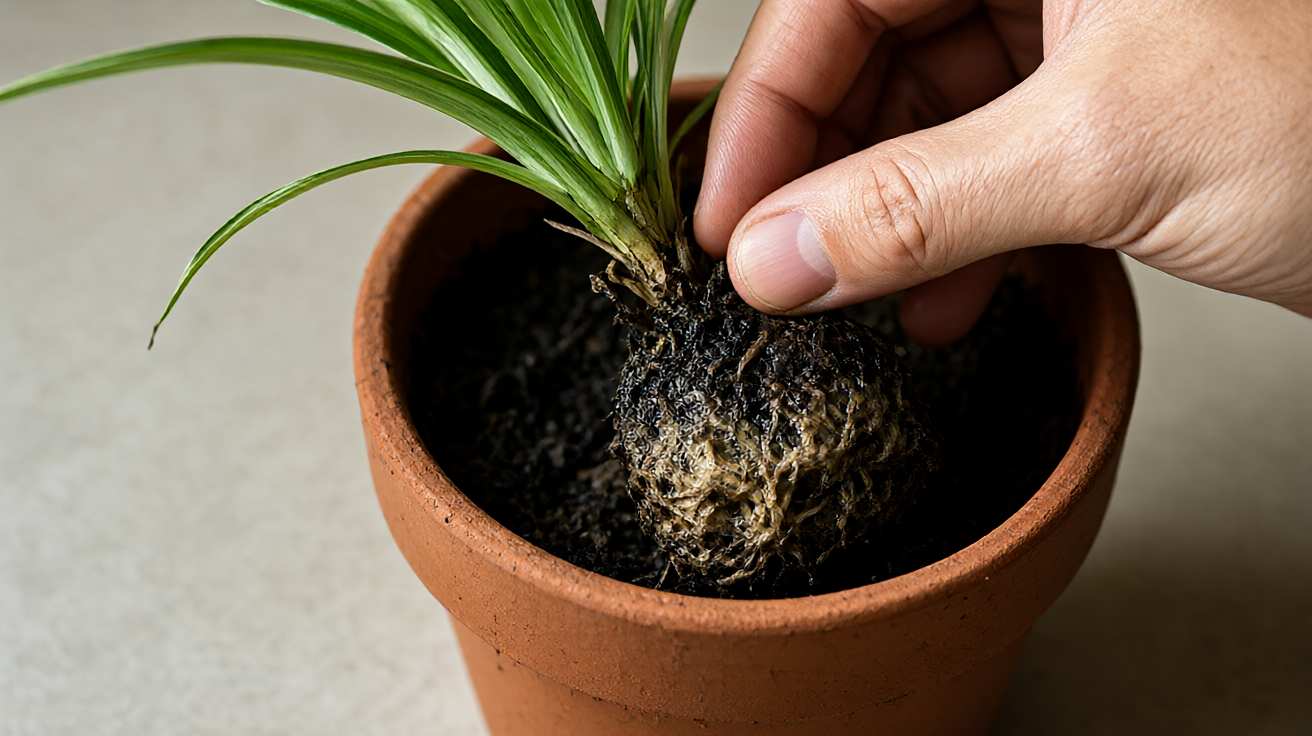
If the plant does not improve within a week, or if the base is soft, unpot it and inspect the roots. Remove all brown, mushy, or foul-smelling roots with clean scissors. Keep white, firm roots. Repot into fresh, well-draining mix in a pot with drainage holes. Our how to repot a spider plant guide covers the procedure.
If more than half the roots are damaged, the plant may not recover fully, but spider plants are resilient. Remove most of the leaves to reduce transpiration demand, keep the soil barely moist, and wait. New growth from the crown is the sign of recovery.
Advanced Damage: Root Rot
When overwatering progresses to root rot, the fungus or bacteria that decompose dead root tissue spread to living tissue. The crown becomes soft and discoloured, and leaves collapse. At this stage, simple drying is not enough. You need to remove all affected tissue and repot into sterile mix, or take healthy spiderettes and start fresh.
Our spider plant root rot guide covers diagnosis, treatment, and when to give up on the mother plant and propagate the babies. If multiple symptoms are present and the plant is declining fast, our save a dying spider plant guide covers triage across overlapping problems.
Prevention
Water on soil moisture, not on a calendar. Check the top two centimetres before every watering. Use a pot with drainage holes, and empty the saucer after watering. Use a well-draining mix with perlite or coarse sand. In winter, when light and growth are lower, reduce watering frequency significantly.
Water quality also matters. Our spider plant tap water guide explains how fluoride and salts interact with watering habits.
If overwatering is only one of several problems, our spider plant problems index helps you sort the full picture, and the spider plant care guide covers the baseline that prevents it.
From Bank Statement to QuickBooks-Ready File
That manual cleanup you just read about? This tool skips it. Turn your PDF into QBO for QuickBooks without storing your data anywhere.
Start Converting