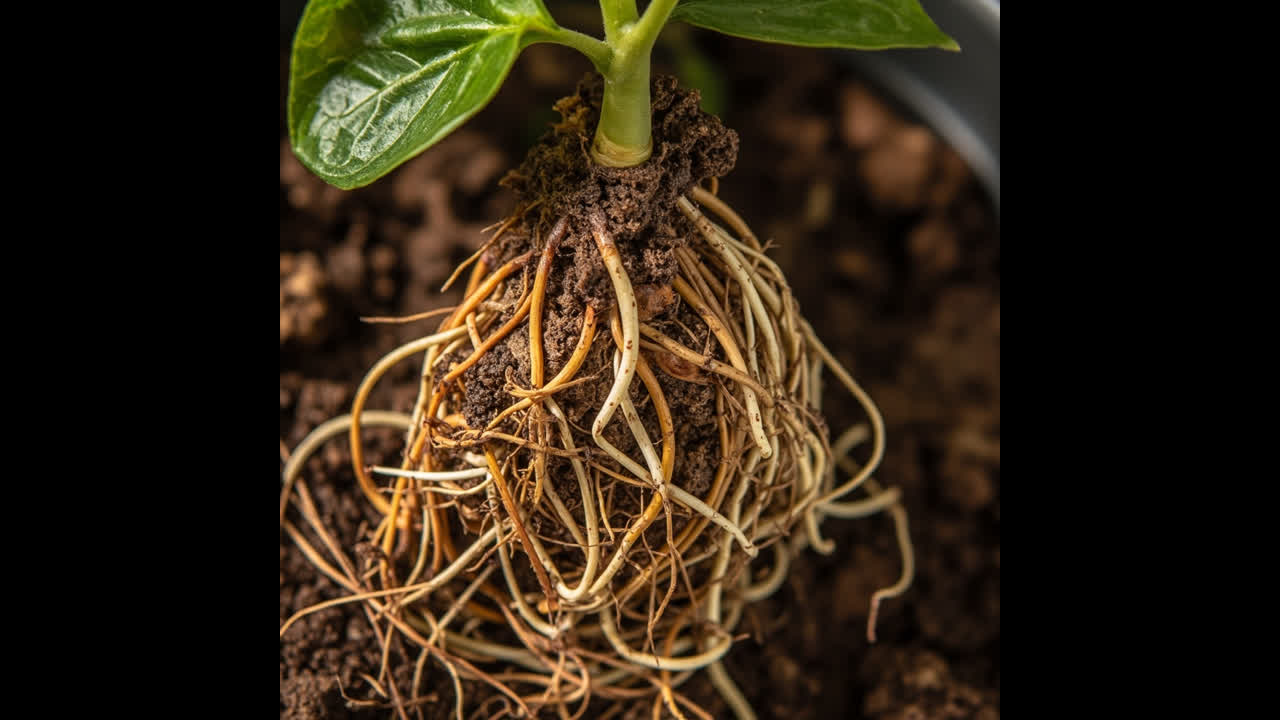
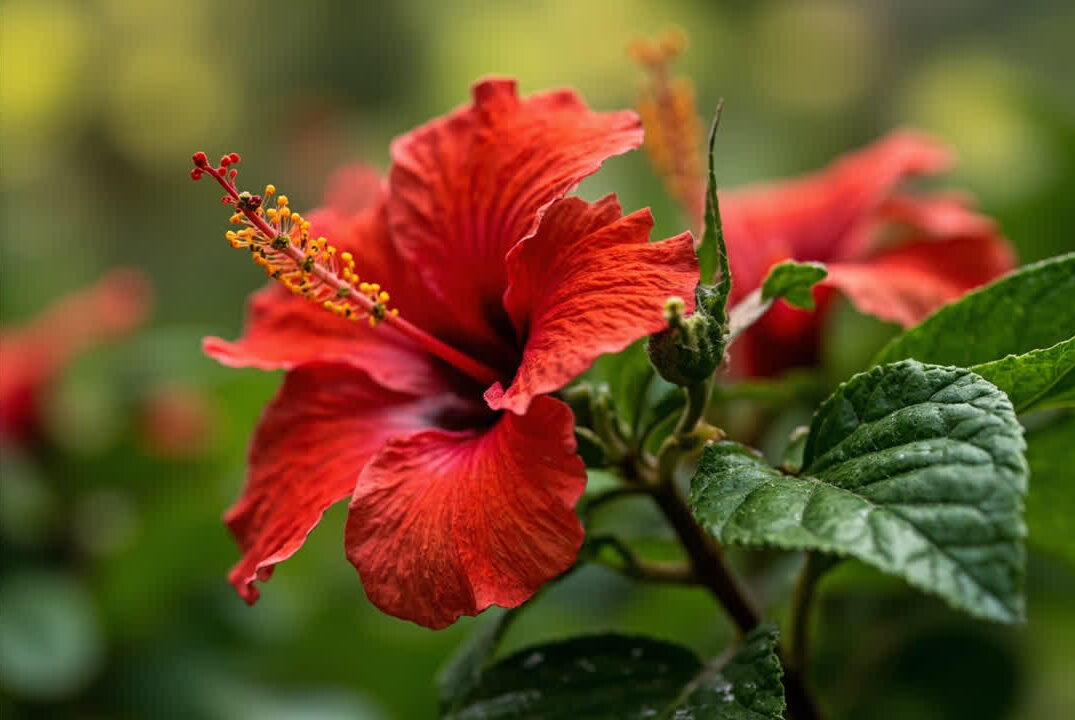
Your hibiscus is entering a phase that looks alarming if you do not know what to expect: it is slowing down dramatically, possibly dropping most of its leaves, and looking like it is dying. It is not. Your hibiscus is preparing for dormancy, and what looks like decline is actually the plant’s natural response to shorter days and cooler temperatures.
For gardeners growing hibiscus in containers or in climates where the plant cannot stay outdoors year-round, understanding winter dormancy is essential to keeping the plant alive and getting it back into strong growth come spring.
What Dormancy Is and Why Hibiscus Does It
Hibiscus rosa-sinensis is a tropical evergreen — in its native warm climate, it does not go dormant. But in response to conditions that are not warm and bright enough to sustain active growth, it slows down and conserves energy. This is dormancy.
In warm climates (USDA zones 10–11), outdoor hibiscus may stay semi-active through winter, dropping some leaves but keeping some foliage. In cooler climates, container hibiscus brought indoors for winter typically enters a more pronounced dormancy, often dropping most or all of its leaves.
This is normal and not a sign that your plant is dying. The plant is not dead — it is resting. The metabolic processes that keep leaves alive require energy the plant cannot generate in low-light, cool conditions. Dropping leaves is the plant’s way of reducing its energy requirements to a level it can sustain.
When Dormancy Happens
Dormancy typically begins in autumn as:
- Day length shortens — the plant receives fewer hours of strong light
- Temperature drops — especially nighttime temperatures below 60°F (15°C)
- Indoor heating kicks in — lower humidity and less natural light indoors
If you bring a hibiscus indoors in autumn (before indoor heating has fully dried the air), dormancy is usually smoother than if you bring it in after winter has started. The transition from outdoor light to indoor light is the biggest stressor — the plant adjusts better if the move happens gradually (hardening off over one week outdoors in shade before bringing in).
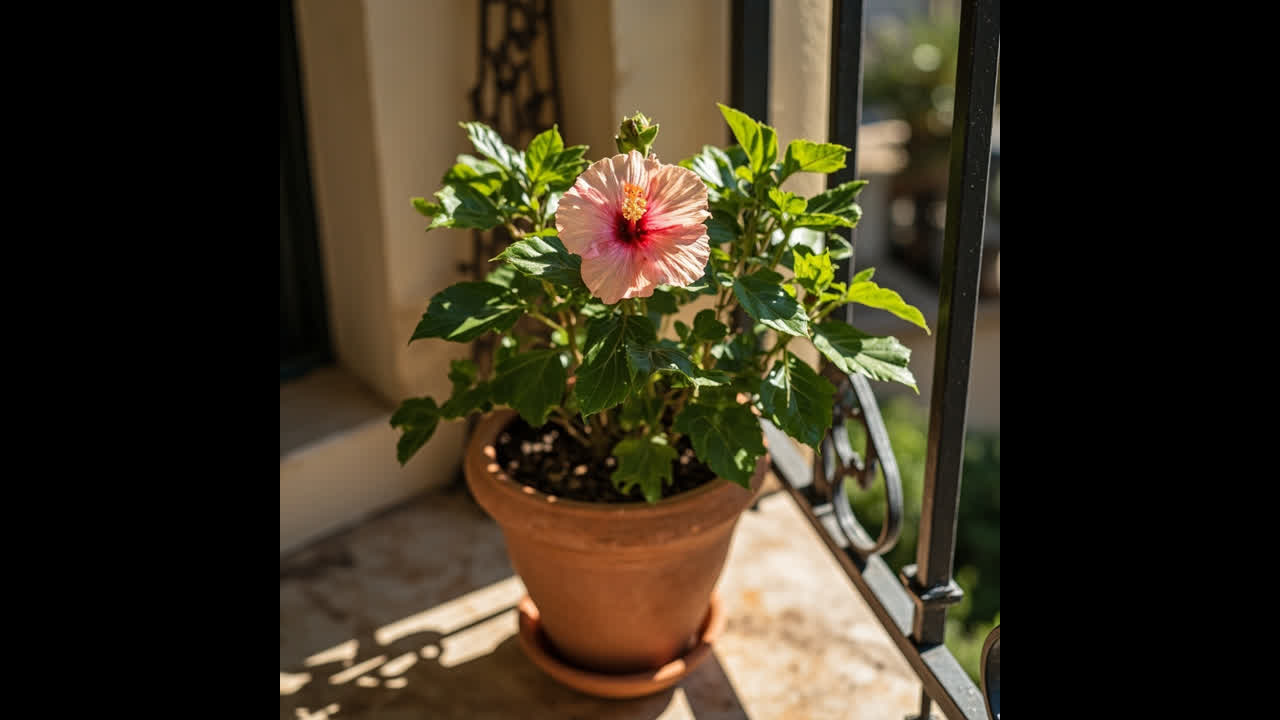
Signs Your Hibiscus Is Entering Dormancy
- Leaf drop — often significant, sometimes nearly complete
- Little to no new growth at the tips of branches
- General appearance is sparse and bare, especially in the lower portion
- Water needs drop dramatically — the plant uses far less than in summer
- Plant may look wilted even though the soil is moist (root activity has slowed)
These signs are not caused by a pest or disease — they are a predictable seasonal response. If the stems are firm and green (or slightly woody and brown, depending on variety), the plant is alive. Scratch the surface of a stem with your thumbnail: if you see green underneath, the plant is alive and will regrow when conditions improve.
How to Care for Dormant Hibiscus
Watering: Reduce Significantly
Dormant hibiscus uses a fraction of the water it uses in summer. Overwatering during dormancy is the most common killer of overwintered hibiscus — the soil stays wet for days or weeks, roots begin to rot, and by spring the plant has root rot and cannot recover.
Water dormant hibiscus only when the top 3–4 cm of soil is completely dry. In practice, this might mean watering every 10–14 days in a cool room, or even less frequently. The plant is not losing water through leaves, so its needs are minimal. When you water, water lightly — just enough to moisten the root ball, not to saturate the entire pot.
Always check soil moisture before watering — never water on a schedule during dormancy.
Fertilizing: Stop Completely
Do not fertilize a dormant hibiscus. The plant cannot use nutrients while not actively growing, and fertilizer in dormant soil builds up as salts that burn roots. This is especially damaging when the plant has reduced root activity and cannot process or exclude salts.
Stop fertilizing roughly October/November and do not resume until spring when new growth begins. Resume with a half-strength balanced fertilizer at first, then increase to full strength as the plant picks up growth.
Light: Maximize What You Have
Dormant does not mean no light needed. Place the plant in your brightest available window — ideally a south-facing window that gets several hours of direct sun per day. Even during dormancy, hibiscus needs some light to maintain basic metabolic processes.
If you do not have a bright window, a grow light supplement helps. Even 6–8 hours of artificial grow light per day keeps the plant alive and makes spring recovery faster. Without any supplemental light in a dim room, the plant may stay dormant well beyond spring and struggle to restart.
Temperature: Keep Cool but Not Cold
The ideal dormancy temperature for hibiscus is roughly 55–65°F (13–18°C). This is cool enough to slow growth significantly, warm enough to prevent cold damage, and low enough to truly rest. Rooms that stay in this range through winter are ideal — an unheated conservatory, a cool hallway, or a bright attic room.
If the plant is in a heated living room (70°F / 21°C+), dormancy is harder to achieve and the plant may stay partially active through winter, which uses stored energy faster than the roots can supply. This is why many indoor-overwintered hibiscus look exhausted by spring — they never truly rested.
Avoid temperatures below 45°F (7°C) — this causes cold damage to the stems and can kill the plant. Keep away from cold windowsills where glass can create a localized cold spot, or cold drafts from poorly sealed doors.
When Dormancy Is Too Long: What to Do
If spring arrives (temperatures are warm, days are longer) and your hibiscus is still bare with no sign of new growth, it may be stuck in dormancy. Here is how to help it wake up:
- Move to the warmest, brightest spot available — south-facing window, possibly with a grow light supplement
- Water with lukewarm water and allow it to drain freely
- Begin fertilizing at half strength with a balanced liquid fertilizer (10-10-10)
- Scratch-test the stems to confirm the plant is still alive — if green shows under the bark, it is alive
- Be patient — dormant hibiscus can take up to 6–8 weeks after conditions improve to break dormancy
If a stem is brown and dead all the way to the base (not just leafless but clearly desiccated), cut it back to where green tissue appears. Dead wood should be removed in spring as new growth resumes.
Common Mistakes in Dormant Hibiscus Care
Mistake 1: Continuing to fertilize through winter
This causes salt buildup in the soil, root burn, and potentially kills the plant. No fertilizer from roughly November through February (southern hemisphere) or through the cold months in your hemisphere.
Mistake 2: Overwatering
More dormancy deaths come from overwatering than underwatering. Roots are not actively absorbing water during dormancy. Excess moisture leads to root rot before the plant can use it. Water only when the soil is dry to the touch.
Mistake 3: Throwing away a dormant plant
Gardeners who do not know dormancy is normal often assume a leafless hibiscus is dead and discard it in late winter. Before you throw away a dormant hibiscus, scratch-test the stems. If there is green under the bark, the plant is alive. It may look completely dead and still come back from the roots in spring.
Mistake 4: Bringing the plant into a warm dark room
Placing a dormant hibiscus in a dim corner of a heated room is doubly harmful: low light prevents any photosynthesizing, and warm temperature prevents true dormancy. The plant burns energy it cannot replace, weakens, and becomes susceptible to pest infestations. A dim room is fine only if it is also cool. A warm room requires bright light.
Getting Ready for Spring
When you notice new leaf buds appearing at the tips of branches — usually in early spring as day length increases — the plant is exiting dormancy. At this point:
- Move to your brightest position (if not already there)
- Resume fertilizing at half strength for two weeks, then switch to full strength
- Increase watering frequency as the plant begins to use more water
- If the plant is root bound, repot in spring before new growth accelerates
- Begin pruning to shape the plant and remove any dead wood
For a healthy hibiscus to come out of dormancy looking its best, see our full hibiscus care guide for the complete spring recovery routine.
From Bank Statement to QuickBooks-Ready File
That manual cleanup you just read about? This tool skips it. Turn your PDF into QBO for QuickBooks without storing your data anywhere.
Start Converting