There are now five to seven Zamioculcas zamiifolia cultivars a typical reader can actually find in 2026, and they differ more in color, mature size, and price tier than in care needs. The classic green ZZ is still the easiest, cheapest, and most forgiving first plant. The ‘Raven’ ZZ has near-black mature leaves and is the design-world favorite. ‘Zenzi’ is a compact cultivar for small shelves. ‘Chameleon’ and the variegated forms are collector plants, slower to grow, and meaningfully more expensive. Picking the right one comes down to the light in your home, the space you have, and how much patience you have for a rare plant.
The key buying decision is not which cultivar is “best” in the abstract. It is which cultivar matches the conditions of the room it will live in. The classic green ZZ tolerates low light better than any other cultivar and bounces back from drought faster. The ‘Raven’ is slower in low light and shows water stress more quickly through its dark leaves. Variegated forms are the slowest of all and reward a brighter, more consistent environment. The honest framing here is that all true ZZs are the same species and respond to the same care range; the differences are in growth speed, mature size, and how the leaf color shows up in your space.
This page profiles the five cultivars worth knowing in 2026, maps each one to a buyer type, and gives the price tier and rarity signals to look for at the nursery and online. For the broader care picture that applies to all of them, the care guide covers watering rhythm, light, and soil in parallel.
What “ZZ Plant Variety” Actually Means
Every plant sold as a “ZZ variety” at a retail nursery is Zamioculcas zamiifolia. The differences between a classic green ZZ and a ‘Raven’ are not the kind of differences that exist between species or even between cultivars in the strict botanical sense; they are clonal selections, propagated vegetatively to keep the leaf color and growth habit stable. A ‘Raven’ grown from seed would not stay ‘Raven’; it would revert toward the green of the wild type. The plants in your local nursery are divisions or tissue-cultured starts from a parent ‘Raven’, which is why the new growth on a ‘Raven’ emerges bright green and only darkens to purple-black as it matures.
There is a small group of ZZ forms that are not stable clones: the variegated cultivars. Variegation in ZZs is usually sectoral, meaning patches of the leaf lack chlorophyll, and it is unstable in tissue culture. Variegated ZZ plants are propagated by division of a stable variegated mother plant, which is the main reason they are rare and expensive. The most common variegated forms have cream or yellow sectors; a few have pink or red sectors, and those command the highest prices. For the lighting conditions that bring out the best color in any of these, the light requirements page covers the ranges.
The Classic Green ZZ (Zamioculcas zamiifolia)
The classic green ZZ is the original, the cheapest, and the most forgiving plant on this list. New growth emerges bright lime green and matures to a deep, slightly waxy emerald. A mature plant in a 10-inch (25 cm) pot typically reaches two to three feet (60 to 90 cm) tall with a similar spread, though the plant keeps a tighter silhouette in lower light. The stems grow upright at first and then lean gracefully as they lengthen, which is the architectural look most people associate with the species.
Price tier for a classic green ZZ in 2026 is low: a 4-inch (10 cm) nursery pot usually runs in the $10-15 range, and a 6-inch (15 cm) pot in the $20-30 range. It is the right choice for a first ZZ, a low-light room, an office, or anyone who wants a low-maintenance plant and does not need the leaf color to make a statement. The classic green also recovers fastest from a missed watering or a move to a darker corner, which makes it the safest bet for new plant parents. For a watering schedule that matches this cultivar’s slower growth, the watering guide covers the timing.
Turn PDF Bank Statements Into Workable Spreadsheets
Your bank statement is a mess of numbers, but your books shouldn't be. Use our converter to get Excel, CSV, or QBO files — ready for QuickBooks.
‘Raven’ ZZ (Zamioculcas ‘Dowon’)
The ‘Raven’ ZZ, sold under the cultivar name ‘Dowon’, is the dark-leaved ZZ that became a design-world favorite around 2017 and is now widely available. The defining trait is leaf color: new growth emerges bright lime green, then darkens through olive and bronze to a deep purple-black as the leaf matures, typically over six to eight weeks. A mature ‘Raven’ in good light is the closest thing to a black houseplant, and the contrast against a white wall or a bright rug is what makes it a designer favorite. The stems reach the same two to three feet (60 to 90 cm) as the classic green but hold their upright form a little more rigidly because the leaflets are slightly thicker.
Price tier for a ‘Raven’ is mid: a 4-inch (10 cm) pot usually runs $20-35, and a 6-inch (15 cm) pot $40-60. The plant is slower than the classic green, especially in low light, and the dark leaves make underwatering easier to miss because the leaflets do not visibly droop the way a green ZZ’s do; the symptom is usually a subtle dullness in the leaf color. The ‘Raven’ is the right choice for a bright room with stable light, a design-led space where the dark color is the point, and a buyer who does not mind paying two to three times the price of a classic green for a slower-growing plant.
‘Zenzi’ and Compact Cultivars
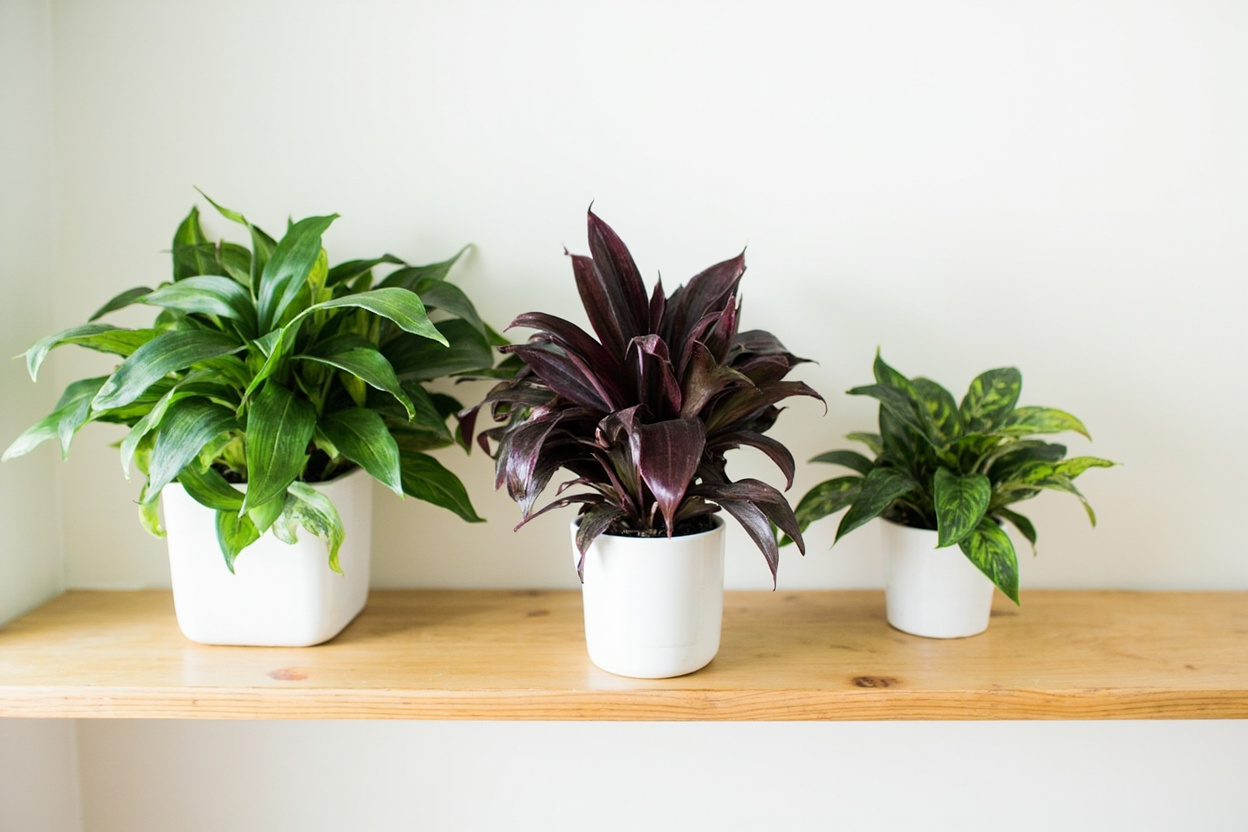
‘Zenzi’ is a dwarf ZZ cultivar with shorter internodes, rounder leaflets, and a tighter growth habit. A mature ‘Zenzi’ reaches only 12 to 18 inches (30 to 45 cm) tall and stays compact for years, which makes it the right pick for a small shelf, a desk, or a windowsill where a full-size ZZ would dominate. The leaflets are slightly thicker and curl gently inward, giving the plant a fuller look in a smaller pot. ‘Zenzi’ grows more slowly than the classic green, and a 4-inch (10 cm) pot can take two to three years to fill out and start producing new stems.
Price tier for a ‘Zenzi’ is mid-to-high: a 4-inch pot usually runs $20-30, and a 6-inch pot $35-50. The honest trade-off is that ‘Zenzi’ is the most often mislabeled ZZ in the trade, and small plants sold as ‘Zenzi’ sometimes turn out to be juvenile classic greens. The reliable signal is the leaflet shape: true ‘Zenzi’ leaflets are rounder and curl slightly, and the internodes are visibly shorter. For a watering rhythm that matches ‘Zenzi’s smaller root mass, the watering guide covers how pot size changes the timing.
‘Chameleon’ and Variegated Forms
‘Chameleon’ is a relatively new ZZ cultivar with leaves that emerge pale yellow-green and shift to cream as they mature, with a subtle pink blush on the newest growth in bright light. The plant is still uncommon in mainstream nurseries and is mostly sold through specialty growers. Mature ‘Chameleon’ plants reach the same height as a classic green, but the variegation is sectoral and unstable; some leaves on the same plant will revert to full green, and those reverted leaves should be removed at the petiole to encourage the variegated growth to dominate.
The other variegated forms include the rare half-moon and full-moon patterns, which command the highest prices in the ZZ trade. A 4-inch (10 cm) variegated ZZ in 2026 can run $80-200 depending on the pattern and the number of variegated leaves on the plant. The trade-off is real: variegated leaves have less chlorophyll, the plant grows more slowly than any other ZZ cultivar, and the variegation is unstable and can revert over time. These are collector plants, not first ZZs. They reward a stable, bright environment and a patient owner.
How to Pick the Right ZZ Variety for Your Home
The decision comes down to three things: the light in the room, the size of the space, and your appetite for either a design statement or a slow-growing collector plant. The classic green is the right pick for a first ZZ, a low-light room, an office, or anyone who wants a forgiving plant at a low price. The ‘Raven’ is the right pick for a bright room, a design-led space, and a buyer who is happy to pay two to three times the price of a classic for a slower-growing, statement-making plant. ‘Zenzi’ is the right pick for a small shelf, a desk, or a tight corner where a full-size ZZ would overwhelm the space.
‘Chameleon’ and the variegated forms are the right pick for a buyer who wants a collector plant, has a bright and stable environment, and is comfortable with the price and the slower growth. All of them share the same care range: a chunky soil mix, water when the top of the medium dries, half-strength fertilizer in the growing season, and a pot only one to two inches (2.5 to 5 cm) larger than the root mass. For the full repotting procedure when a ZZ outgrows its current pot, the repotting guide covers the steps and the timing.