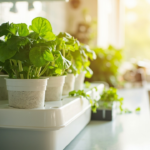
Tomatoes need soil that holds moisture but drains well — a combination that sounds contradictory until you understand what the roots actually need. Too much water and the roots suffocate. Too little and the plant wilts and drops fruit. The ideal tomato soil is loose, dark, and crumbly, with enough organic matter to hold moisture and enough drainage to let excess water flow through.
Soil is the foundation everything else builds on. You can fertilize, water perfectly, and give the plant full sun, but if the soil is wrong — too heavy, too compacted, or the wrong pH — the plant will struggle. Getting the soil right before planting is the single highest-return investment you can make. For the full care routine, the tomato care guide covers light, water, feeding, and support in one place. The watering guide goes deeper on moisture management.
The Ideal Soil Texture for Tomatoes
Tomatoes grow best in loamy soil — a balanced mix of sand, silt, and clay that holds moisture without becoming waterlogged. The key characteristic is structure: good tomato soil has visible crumbs and aggregates with air pockets between them. Roots grow through these pockets, accessing both water and oxygen.
Heavy clay holds too much water and compacts easily. When clay soil dries, it cracks and pulls away from roots. When it is wet, it stays saturated and roots cannot breathe. Tomatoes in heavy clay develop root rot, yellowing leaves, and stunted growth.
Pure sand is the opposite problem. Water drains through so fast that roots cannot absorb enough before it is gone. Nutrients leach out with every watering. Plants in sand need constant feeding and watering just to survive.
If your native soil is clay or sand, do not try to fix it in place. Build a raised bed with a custom soil mix instead. It is faster, cheaper, and gives you full control over the soil environment.
Organic Matter: The Single Most Important Amendment
Compost is the single most valuable soil amendment for tomatoes. It improves drainage in clay soil, increases moisture retention in sand, provides slow-release nutrients, and feeds the soil biology that supports root health. Work 2 to 3 inches of finished compost into the top 6 to 8 inches of soil before planting.
Do not use fresh manure or unfinished compost. Both are too high in nitrogen and can burn roots. Fresh manure also carries a risk of E. coli contamination. Use only fully decomposed compost that smells earthy, not sour or ammonia-like.
Beyond compost, aged leaf mold, well-rotted manure (at least 6 months old), and worm castings are all excellent organic amendments. Worm castings are particularly useful in containers — a 20 percent addition to potting mix improves both drainage and nutrient availability.
pH: Why 6.0 to 6.8 Matters
Tomatoes grow best in slightly acidic soil with a pH between 6.0 and 6.8. Within this range, all essential nutrients are available for root uptake. Below 5.5, aluminum and manganese become toxic. Above 7.0, iron, zinc, and phosphorus become locked out and unavailable even if they are present in the soil.
The practical consequence of wrong pH is nutrient deficiency symptoms despite adequate fertilizing. The plant cannot access what is there. Blossom end rot, which is caused by calcium uptake failure, is often a pH problem rather than a calcium deficiency — the calcium is in the soil but the roots cannot absorb it at the wrong pH.
If your soil is too acidic (below 6.0), add garden lime according to package directions. If too alkaline (above 7.0), add sulfur or peat moss. Retest after 4 to 6 weeks. In containers, use a potting mix formulated for vegetables, which is typically pH-balanced.
Container Mix vs. Garden Bed
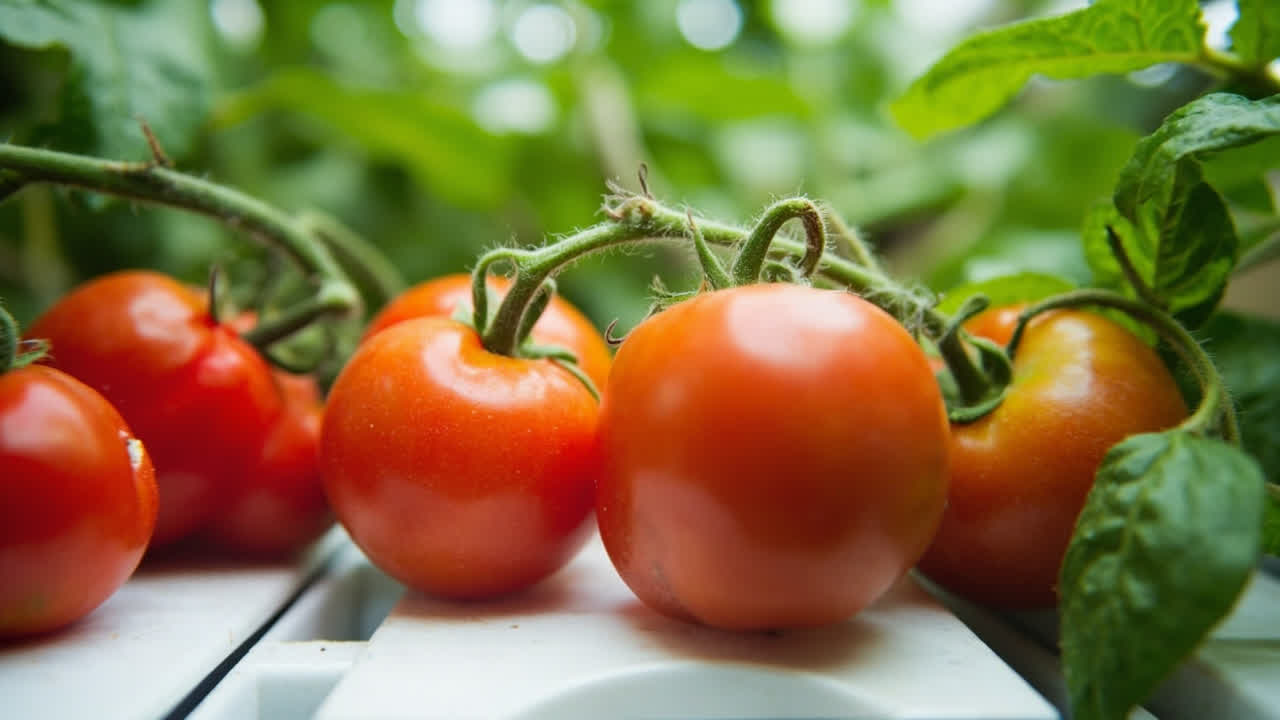
Container tomatoes need a lighter mix than garden beds. Standard garden soil compacts in pots and drains poorly. Use a high-quality potting mix based on peat or coco coir, amended with 20 to 30 percent perlite for drainage and compost for nutrition.
The minimum container size for a single tomato plant is 5 gallons (about 18 liters). Larger is better — 10 to 15 gallons gives roots room to grow and reduces watering frequency. Indeterminate varieties in small containers will always underperform compared to those in larger pots.
In garden beds, the approach is different. You are amending existing soil rather than building from scratch. Double-dig the bed to loosen compacted layers, work in compost, and add perlite or coarse sand if drainage is poor. A 4-inch layer of mulch on top after planting conserves moisture and suppresses weeds.
Whether in containers or in-ground, the soil test is simple: squeeze a handful of moist soil. It should hold together loosely when squeezed but crumble apart when poked. If it forms a tight ball, it is too heavy. If it falls apart immediately, it needs more organic matter.
Turn PDF Bank Statements Into Workable Spreadsheets
Your bank statement is a mess of numbers, but your books shouldn't be. Use our converter to get Excel, CSV, or QBO files — ready for QuickBooks.
Try It Free Now