The best raised garden bed soil mix is loose, rich, and able to drain quickly without drying out overnight. In practical terms, that usually means a blend built around compost, mineral soil, and an aeration material such as coarse sand or perlite. Filling a raised bed with plain topsoil is the shortcut that creates the most trouble.
Raised beds behave differently from in-ground beds because the growing medium is contained, elevated, and exposed to more drying from the sides. That is why a mix that works beautifully in the ground can turn dense and disappointing inside a timber frame.
Why Plain Topsoil Usually Fails
Bagged topsoil and native garden soil often look fine at first, but they compact quickly in a raised bed. Once that happens, roots struggle for oxygen, watering becomes uneven, and seedlings stall out. You end up with a bed that is too wet after rain and too hard when it finally dries.
If you are already planning a beginner food garden, this is one of the biggest setup decisions to get right. A good bed mix gives the same kind of head start that readers look for in container vegetable gardening for beginners: easier watering, better root growth, and fewer avoidable setbacks.
A Reliable Base Recipe
A strong all-purpose raised bed mix starts here:
- 50 to 60 percent finished compost
- 30 to 40 percent loamy topsoil or raised bed soil
- 10 to 20 percent aeration material such as coarse sand, perlite, or pumice
This gives you the three things a raised bed needs most: fertility, structure, and airflow. The exact percentage can shift depending on climate and crop choice, but the balance matters more than copying one internet formula exactly.
What Each Part Contributes
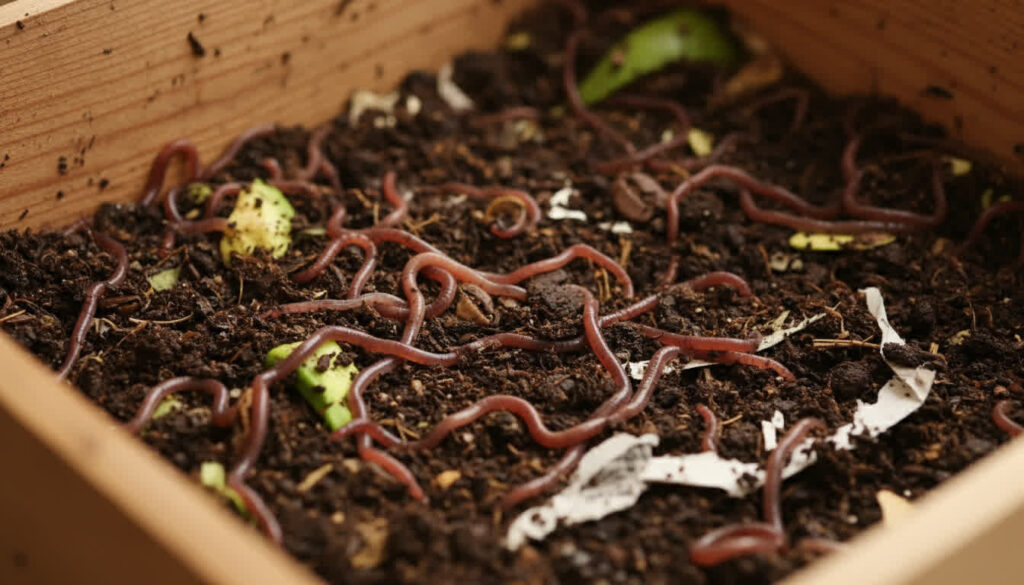
Compost is the engine of the mix. It improves water retention, feeds soil life, and gives seedlings a more forgiving start. Use finished compost that smells earthy, not sour or hot.
Mineral soil gives the bed weight and structure. Without it, the mix can become too fluffy and dry too fast in warm weather. Too much mineral soil, though, and the bed turns heavy.
Aeration material keeps the bed open. Perlite is light and easy to mix through shallow beds. Coarse sand works well in deeper beds. Avoid fine play sand because it tightens the mix instead of loosening it.
How to Adjust for Different Crops
Leafy greens and herbs like a compost-rich mix that stays evenly moist. Fruiting vegetables such as tomatoes, peppers, and cucumbers still want rich soil, but they benefit from a slightly more mineral structure so the bed does not collapse or stay soggy all season.
Root crops need the loosest texture of all. If you are growing carrots or beets, reduce the compost slightly and increase the coarse sand or fine screened soil so roots can grow straight. Too much unfinished organic matter encourages forking.
If your plan is to grow hungry crops, you can also support them later with a gentle feeding routine rather than overloading the bed on day one. That same restraint matters when using organic fertilizer or homemade amendments in vegetable beds.
What to Avoid in a Budget Mix
- Fresh wood chips or bark as the main filler: they tie up nitrogen while decomposing.
- Cheap peat-heavy potting mix: it dries out hard and can become difficult to rewet.
- Unscreened fill dirt: it often contains clay clods, weed roots, and construction debris.
- Too much manure compost: it can be overly rich and salty for seedlings.
How to Fill a Deep Bed More Economically
If your raised bed is deeper than about 18 inches, you do not need premium mix all the way down. The top 8 to 12 inches matter most because that is where most vegetable roots establish early.
For the lower layer, use simpler bulk material such as ordinary soil, partly finished compost, or clean coarse organic matter like straw and chopped leaves. Then add your best mix on top. This keeps costs sensible without sacrificing performance where it counts.
How to Tell if the Mix Is Working
A good raised bed mix drains within a short time after watering, feels crumbly rather than sticky, and still holds enough moisture for roots to stay active. If it forms a hard crust, stays muddy, or shrinks dramatically after a few weeks, the mix needs adjustment.
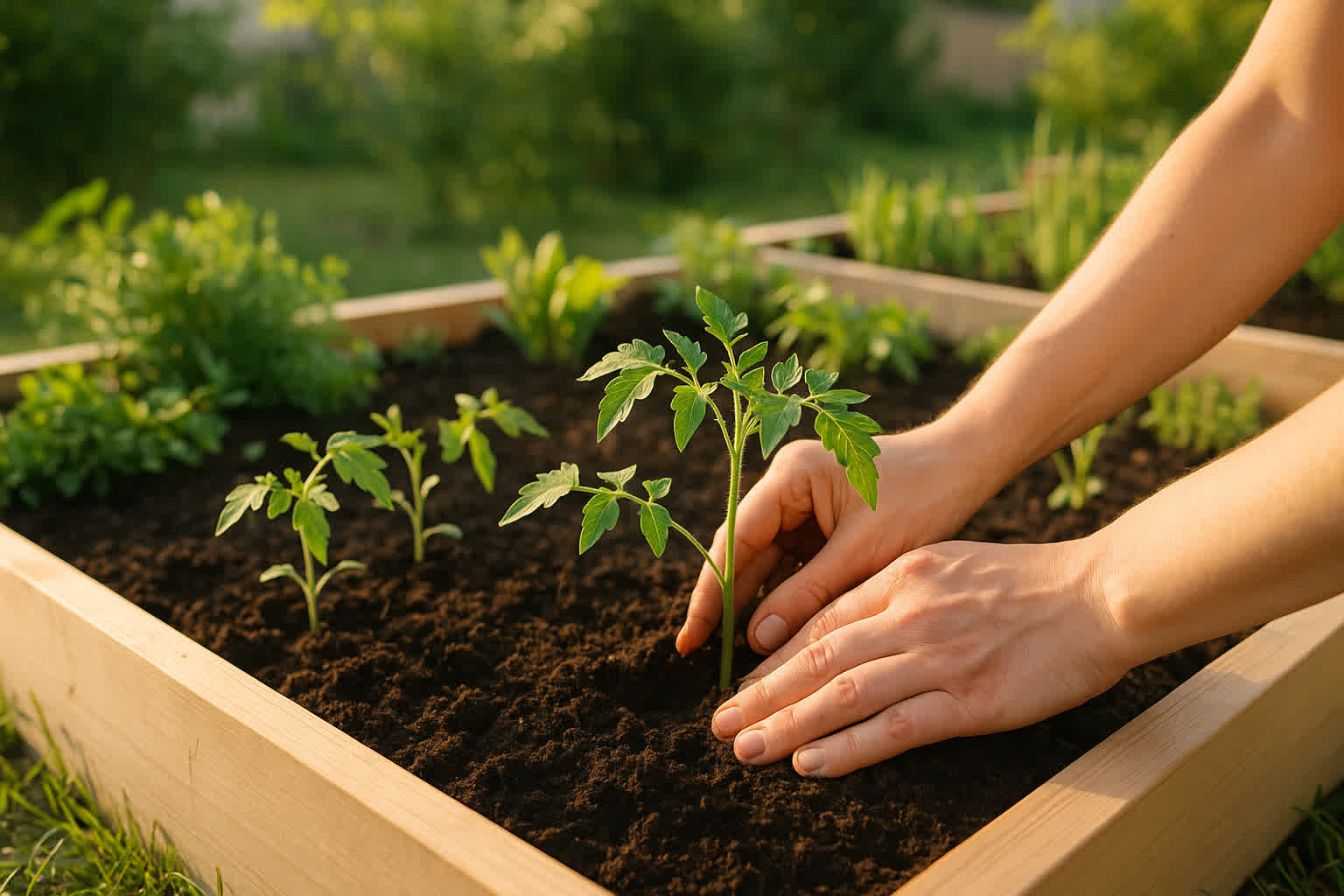
Top up with compost at the start of each season because raised beds settle as the organic matter breaks down. That is normal. What matters is keeping the surface fertile and open, not forcing the bed to stay at its original height forever.
The Practical Rule
When in doubt, choose the mix that looks and feels like something roots would want to live in: dark, springy, and easy to break apart in your hand. A raised bed is only as productive as the material inside it, and the soil blend does more to determine success than the frame around it.
Turn That PDF Into a Spreadsheet in Minutes
You've seen how to do it manually — now let the tool handle the heavy lifting. Upload your bank statement and get Excel, CSV, or QBO in a few clicks.
Try It Free