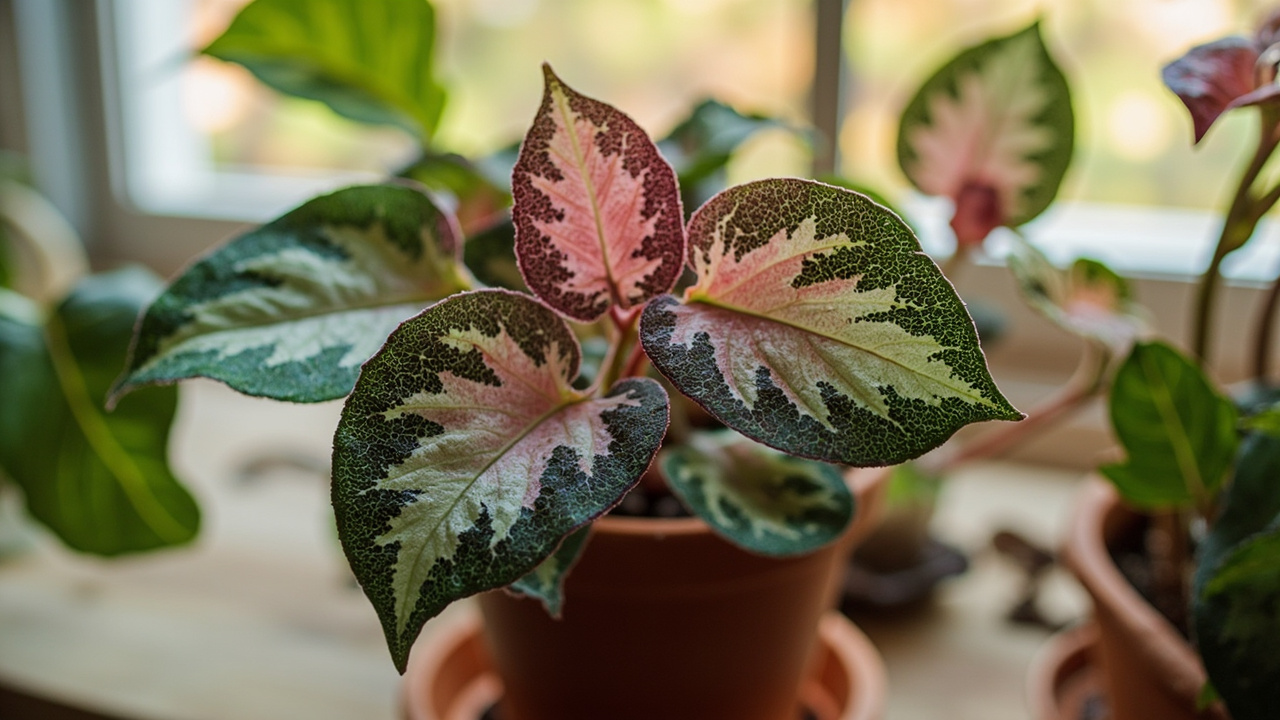
Rex begonias are the showstoppers of the indoor begonia world. Their leaves look hand-painted in silver, pink, purple, and bronze, often with a metallic sheen that catches the light. Keeping them that way comes down to three things: consistent moisture without soggy soil, humidity above 50 percent, and bright indirect light. Get those right and your Rex will keep pushing out new leaves all year.
This guide covers the care rhythm week to week, plus the seasonal shifts that keep Rex begonias producing fresh growth. If you are just starting with begonias, the begonia care fundamentals page is a good companion read.
What Makes Rex Begonias Different
Rex begonias grow from rhizomes — thick horizontal stems that sit at or just below the soil surface. Unlike Angel Wing or Cane begonias that grow upright, Rex types spread outward in a low rosette. The leaves emerge directly from the rhizome on long petioles, which is why they look like a cluster of painted flags rising from the pot.
This growth pattern matters for care. Because the rhizomes sit close to the soil surface, they are more sensitive to overwatering than upright types. Water that sits on the crown of the plant can trigger crown rot, which kills the whole rhizome fast. Always water the soil, not the plant itself.
Watering Rex Begonias: The Consistent-Moisture Rule
When to water: Check the top inch of soil. When it feels dry to the touch, water thoroughly. For most Rex begonias in a 6-inch pot, this means every 5 to 7 days in spring and summer, and every 10 to 14 days in winter. These numbers shift with your home’s temperature, light, and humidity — the finger test beats any fixed schedule.
How to water: Water slowly around the base of the pot until it drains from the bottom. Empty the saucer after 10 minutes. Rex begonias want consistently moist soil, not wet feet. Letting the soil go bone-dry between waterings causes leaf drop; keeping it soggy causes root rot.
What to avoid: Cold water on the leaves. Rex begonias are sensitive to temperature shock, and cold water can cause yellow spots on the foliage. Use room-temperature water and aim for the soil surface. Also avoid misting the leaves directly — it invites fungal issues in the leaf joints.
If you are unsure, the general begonia watering guide covers the signs of both over and underwatering in more detail.
Light: The Bright-Indirect Window
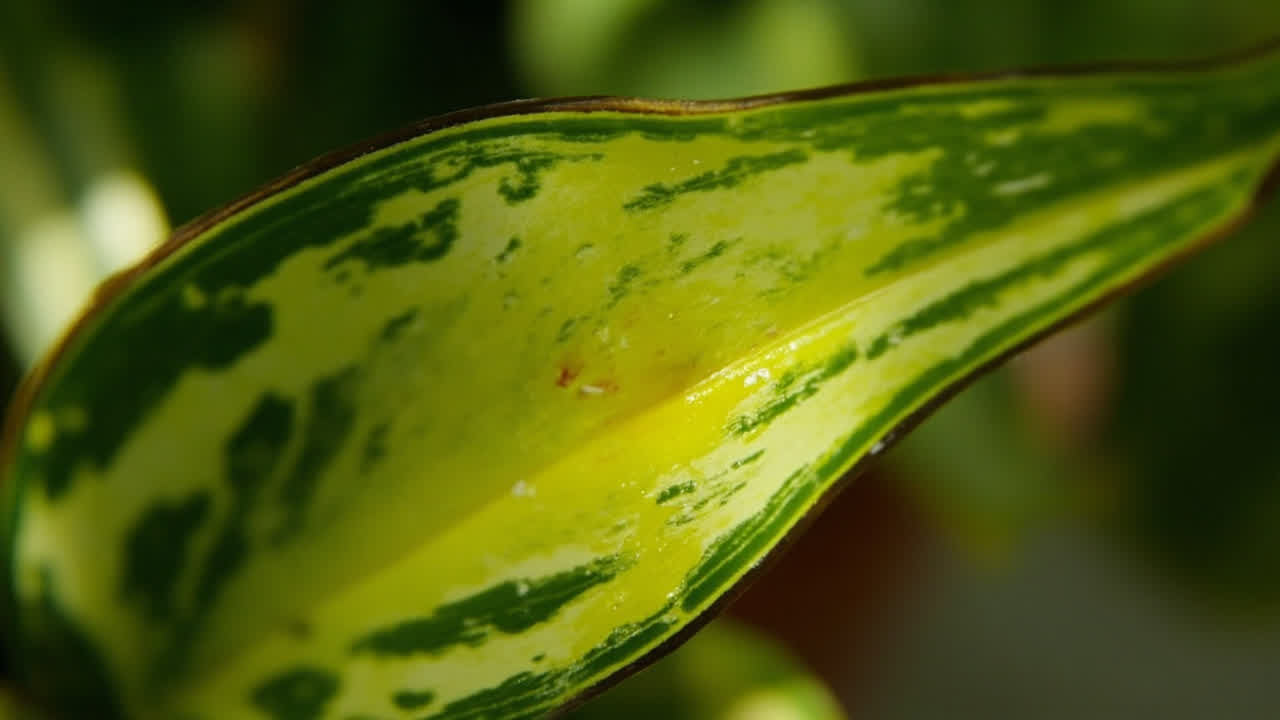
Rex begonias need bright indirect light to maintain their leaf color. In too little light, the silver and pink patterns fade to plain green and the plant stretches toward the light source. In too much direct sun, the leaves bleach and develop brown scorch marks.
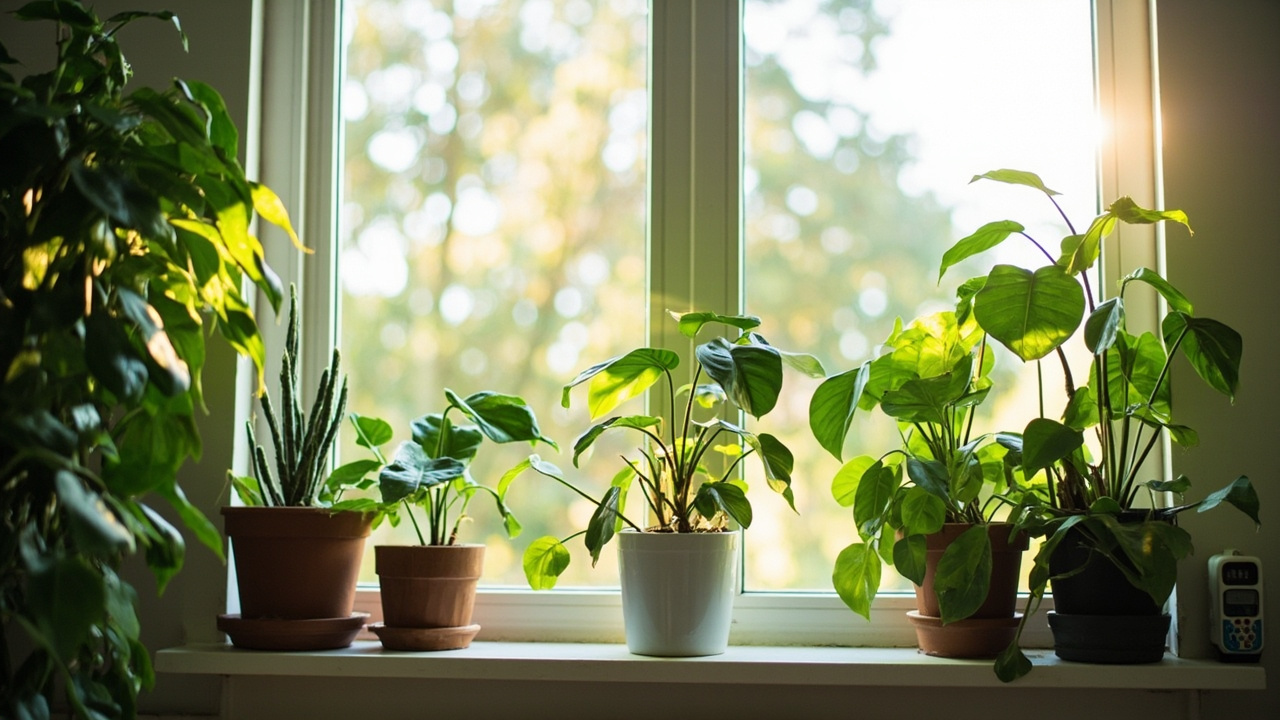
An east-facing window is ideal — gentle morning sun with bright indirect light the rest of the day. A south or west window works if you filter the light with a sheer curtain or place the pot 3 to 4 feet back from the glass. In a north-facing room, a grow light 12 inches above the plant for 10 to 12 hours a day keeps the colors strong.
The honest trade-off: Rex begonias are not low-light plants. If your room gets less than 4 hours of bright indirect light, the plant will survive but lose the dramatic coloring that makes it worth growing. For dimmer rooms, an Angel Wing or Cane type is a better fit. See how much light begonias need for variety-specific ranges.
Humidity Above 50 Percent
Why it matters: Rex begonias are native to humid subtropical forests. In their natural habitat, humidity sits between 60 and 80 percent. Most homes run 30 to 50 percent, and even lower in winter when heating is on. Below 50 percent, the leaf edges dry out and turn brown, new leaves emerge smaller and distorted, and the plant looks perpetually stressed.
Three ways to raise humidity:
- Humidity tray: Fill a shallow tray with pebbles and water, then set the pot on top (not in the water). As the water evaporates, it raises humidity immediately around the plant. This is the simplest and most reliable method.
- Group plants: Place your Rex near other houseplants. As they transpire, they create a microclimate of higher humidity. A cluster of three to four plants in close proximity can raise local humidity by 5 to 10 percent.
- Humidifier: A small cool-mist humidifier set 3 to 4 feet away is the most effective solution, especially in winter. Aim for 55 to 65 percent if you can measure it.
For more detail on reaching the right range, see begonia humidity requirements.
Soil and Fertilizer: Lean Feeding on a Fast-Draining Mix
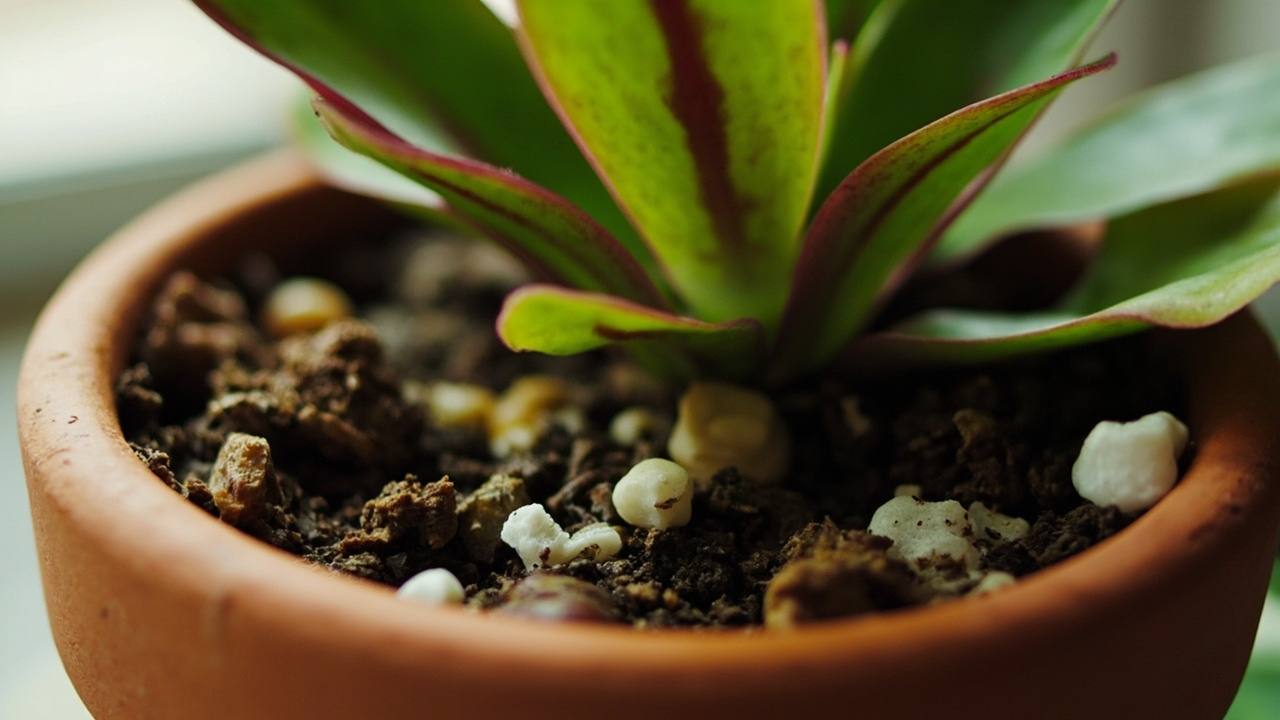
Rex begonias need soil that holds moisture but drains fast. A mix of 60 percent peat moss or coco coir and 40 percent perlite works well. The goal is soil that feels moist an hour after watering, not soggy. Heavy potting soil compacts around the rhizome and invites rot.
Fertilize at half strength once a month during the growing season (spring through fall). Use a balanced liquid fertilizer (10-10-10 or similar) diluted to half the label recommendation. Rex begonias are light feeders — too much fertilizer causes salt buildup in the soil, which burns the leaf edges. Skip fertilizing entirely in winter when growth slows.
The right soil mix makes a bigger difference than fertilizer for Rex begonias. Get the soil right first, then feed lightly.
Seasonal Care and When to Expect New Leaves
Rex begonias grow most actively from March through September. During this period, you can expect a new leaf every two to three weeks if conditions are right. Each new leaf unfurls from the rhizome as a tight spiral and opens over five to seven days.
From October through February, growth slows or stops entirely. This is normal. The plant may drop a few lower leaves — that is not a crisis, just the plant conserving energy. Reduce watering frequency, stop fertilizing, and keep the plant away from cold drafts and heating vents. Resume normal care in early March when you see new shoots emerging.
Common Rex Begonia Problems and Quick Fixes
Crispy leaf edges: Almost always a humidity problem. Raise humidity using one of the three methods above. Trim the brown edges with clean scissors — they will not recover, but new leaves will come in healthy if you fix the humidity.
Fading leaf color: Not enough light. Move the plant closer to a bright window or add a grow light. The color should return on new growth within three to four weeks.
Rotting at the base: Overwatering or water sitting on the rhizome. Remove the plant from the pot, trim any mushy or black roots, and repot in fresh dry soil. Water lightly for the next two weeks while the plant re-establishes. If more than half the rhizome is soft and brown, the plant may not recover.
From Bank Statement to QuickBooks-Ready File
That manual cleanup you just read about? This tool skips it. Turn your PDF into QBO for QuickBooks without storing your data anywhere.
Start Converting