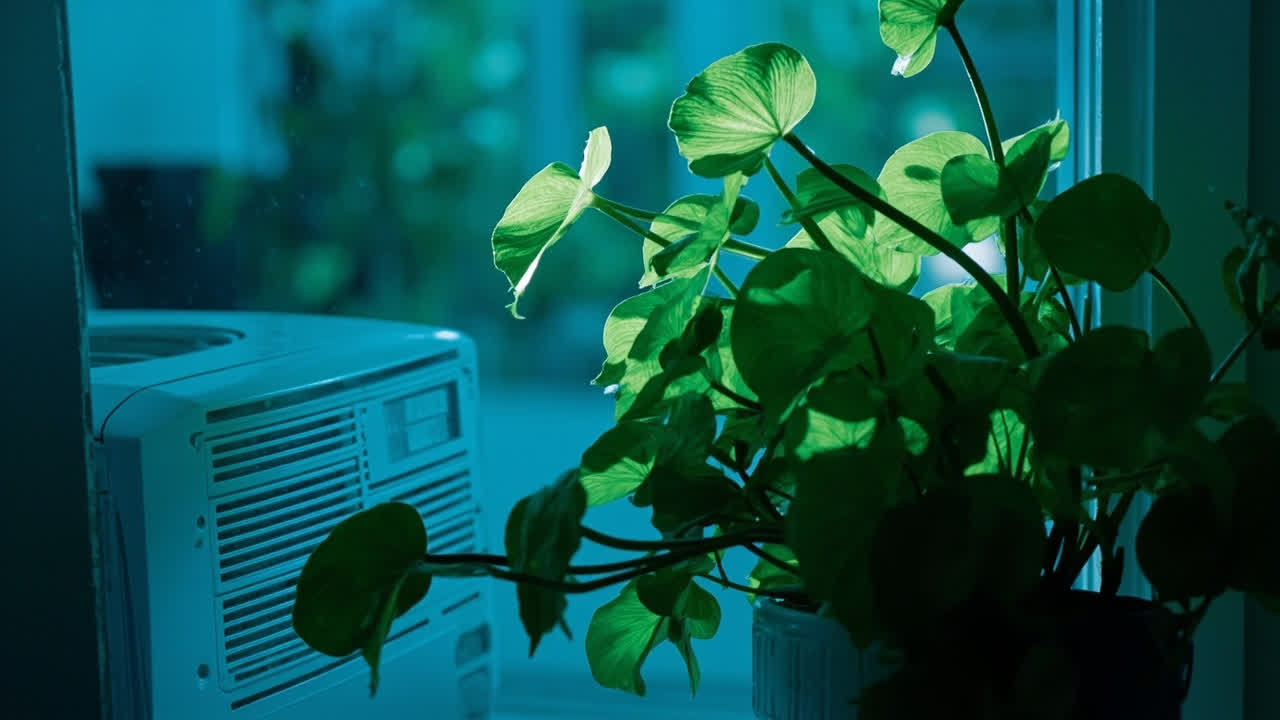
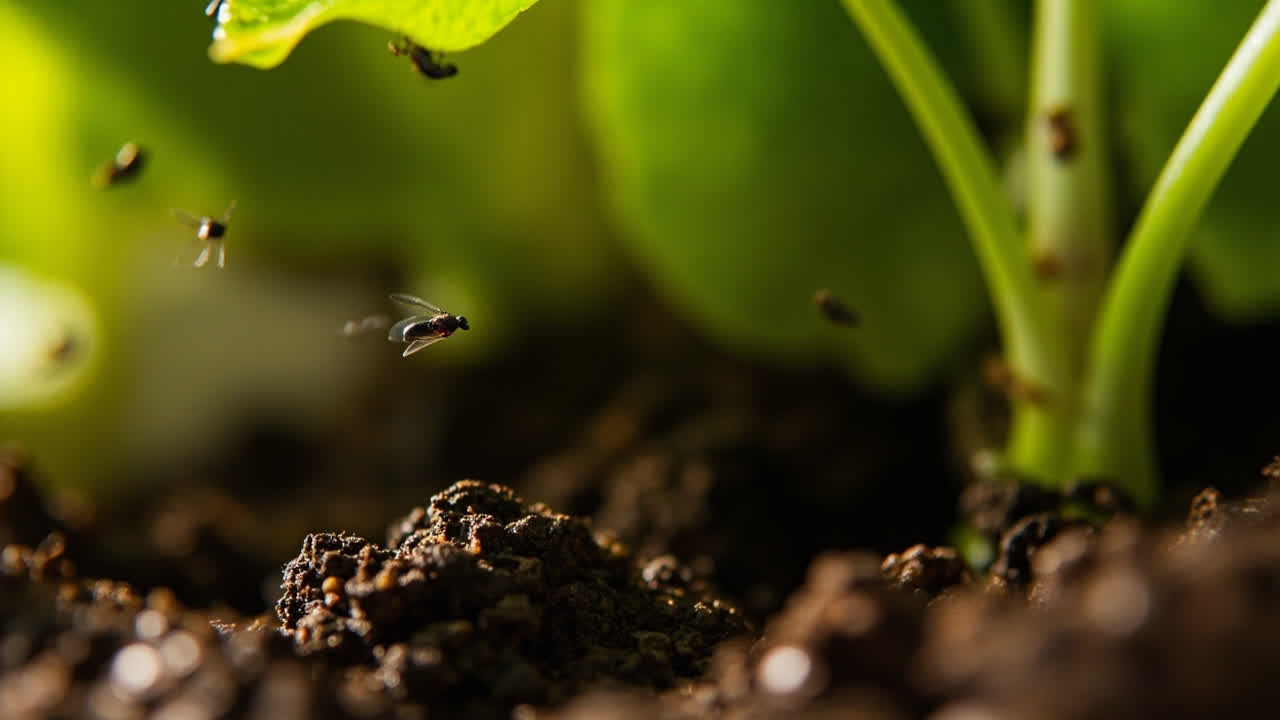
You have noticed the small flies hovering around the soil surface of your Pothos. They are not fruit flies — they are darker, with rounded wings, and they scatter in a cloud when you water the plant. They are fungus gnats, and the cloud is not the real problem.
The adult fungus gnats do not harm your Pothos directly. Their larvae do. The larvae feed on organic matter in the soil and, in sufficient numbers, chew on the fine root hairs and young roots of your plant.
The visible result is a Pothos that looks fine from a distance but has slowed growth, yellowing leaves, and no obvious explanation for why it is struggling. The fix is not a spray — fungus gnat control on Pothos is a soil-moisture problem dressed up as an insect problem. Get the moisture right and the population collapses within 3 to 4 weeks without chemicals.
This guide walks through exactly how to do that, what the larvae actually do to the plant, and where the standard treatments quietly fail.
What Fungus Gnats Are and Why They Appear on Pothos
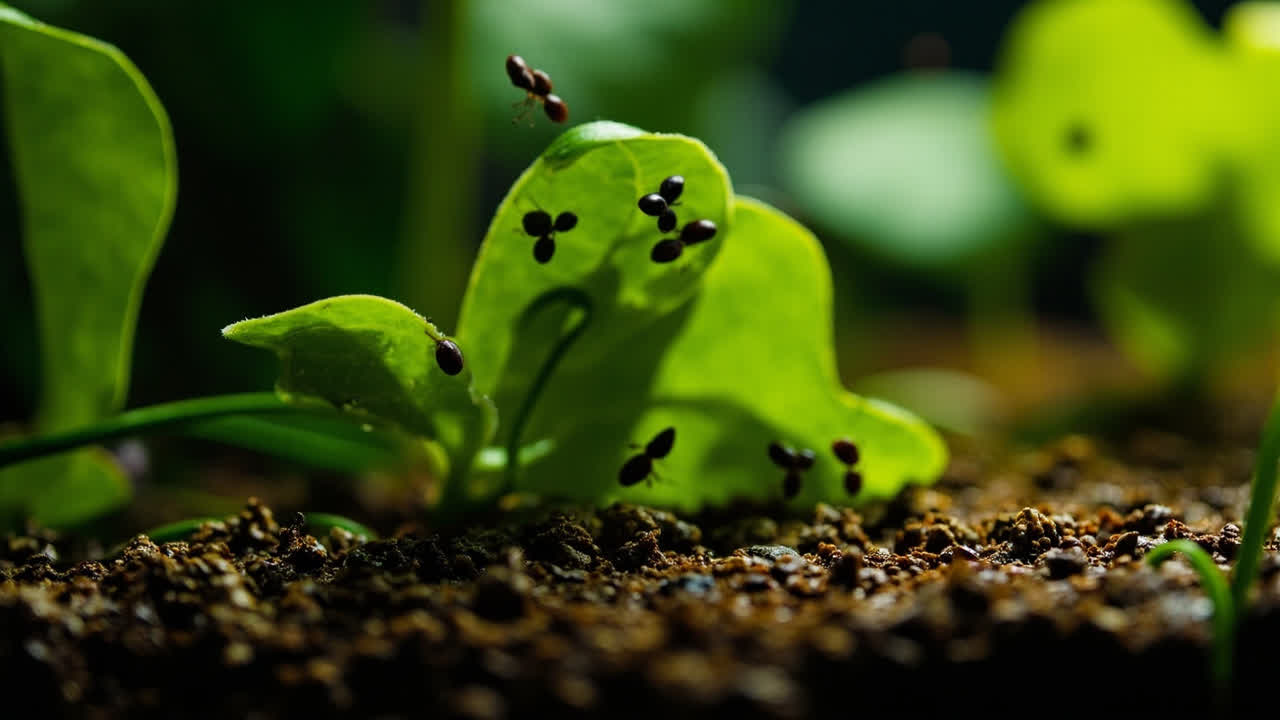
Fungus gnats are Bradysia species — small dark flies 2 to 4 mm long that lay their eggs in moist organic soil. The eggs hatch into larvae that feed on decomposing plant material, fungi, and algae in the top layers of the potting mix.
In a Pothos pot, the larvae are mostly harmless in small numbers. The plant’s established roots are too thick to be attractive food. When the population builds, however, the larvae begin feeding on fine root hairs.
That feeding reduces the plant’s ability to absorb water and nutrients. It also creates entry points for fungal pathogens such as Pythium.
Fungus gnats appear when the soil stays consistently moist at the surface — not damp throughout, but wet at the top 2 to 3 cm for extended periods. This is exactly the condition created by light, frequent watering rather than deep watering with a proper dry-back. The Royal Horticultural Society notes that adult females are drawn to organically rich, damp substrates and will not lay in dry, mineral-dominant top-dressings.
The cycle is faster in a Pothos than in most houseplants because the plant tolerates a wider moisture range. A single female can lay 100 to 200 eggs in her 7 to 10 day adult life, so a problem that looks minor in week one can become 500 to 1000 larvae per pot by week three.
Fungus Gnat Variables: What Drives the Infestation
Fungus gnats do not arrive at random. Five variables make a Pothos pot attractive to egg-laying females, and at least three are usually present in any active infestation. The Cornell University Integrated Pest Management extension treats these as the diagnostic checklist a grower should run through before reaching for any product.
Surface moisture. This is the primary driver. A Pothos pot whose top 2 to 3 cm stays damp for more than 3 to 4 days between waterings is a breeding site.
The University of Florida IFAS Extension cites surface moisture as the single most important variable in fungus gnat reproduction.
Organic matter. Peat-heavy mixes, unsterilised compost, and worm castings all give the larvae a food source independent of the plant. A mineral-heavy mix (perlite, pumice, orchid bark) is far less attractive.
The Royal Horticultural Society recommends a free-draining mix for tropical foliage plants specifically because the organic content that growers add for nutrition is the same content that feeds the larvae.
Temperature. Larvae develop fastest between 21°C and 27°C (70 to 80°F) — exactly the range of a comfortable indoor room.
At 21°C the egg-to-adult cycle runs 18 to 22 days. At 27°C it shortens to 10 to 14 days. A heated indoor Pothos in winter is therefore at higher risk than the same plant outdoors in autumn.
Plant stress. A Pothos that is mildly drought-stressed, root-bound, or sitting in stale soil releases different volatile compounds than a healthy one. These compounds are not the cause of the infestation, but they make a stressed plant easier for females to locate.
Healthy, properly-watered Pothos are visited less often than neglected ones — a fact the extension literature reports but most home growers have never been told.
Overwatering. Standard advice frames overwatering as the cause of fungus gnats. The mechanism is simpler than that: light, frequent watering keeps the surface wet, the surface is where eggs are laid, and the eggs hatch into larvae that feed on the organic matter in the top layer.
Reducing watering frequency is the highest-leverage intervention — not a complementary one.
How to Confirm You Have a Fungus Gnat Problem
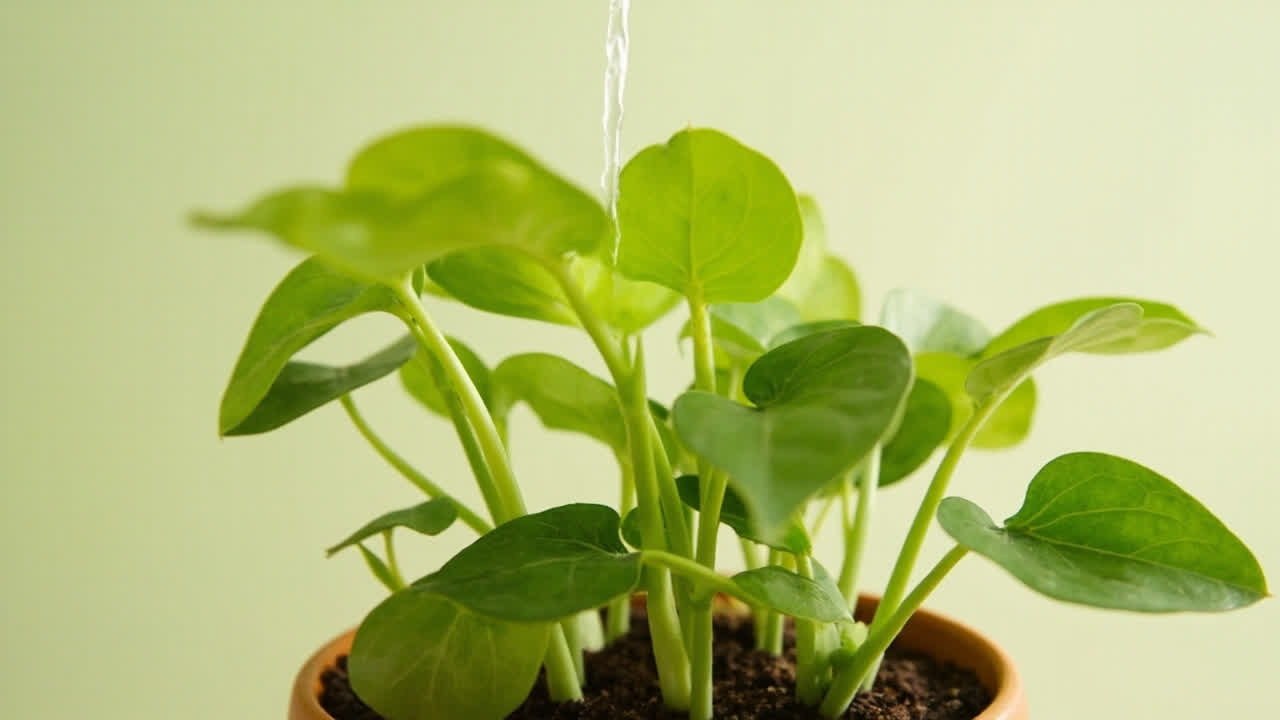
The test is simple. Water your Pothos and watch the soil surface. If you see a dozen or more small dark flies rise from the soil and hover in a cloud before settling back within 30 to 60 seconds, you have an active infestation.
A few flies occasionally visiting the soil is normal. The threshold for intervention is a visible cloud on watering, or more than 10 to 15 flies per incident.
You can also confirm by placing a yellow sticky trap flat on the soil surface. If the trap catches more than 20 fungus gnats in a week, the population is high enough to treat.
How to Get Rid of Fungus Gnats in Pothos: Step by Step
The treatment targets both the adults and the larvae. The larvae are the harder stage to reach because they live in the top 2 to 3 cm of soil and most contact insecticides do not penetrate that layer.
Step 1: Dry the soil out
Stop watering your Pothos until the top 5 cm of soil are completely dry. For an established Pothos in a 15 to 20 cm pot, this typically means 10 to 14 days without water in moderate light. The larvae cannot survive in dry soil — they need moisture to develop from egg to adult.
This step alone can reduce a mild infestation by 70 to 80 percent. The trade-off: a Pothos that is already drought-stressed may drop a few lower leaves during the dry-back.
Step 2: Apply a biological larvicide
After drying the soil for the first cycle, water with Bacillus thuringiensis var. israelensis (Bti) — available as Gnatrol or Mosquito Bits. Steep the recommended amount in water, then water the soil with the solution.
Bti is a naturally occurring bacteria that is lethal to fungus gnat larvae but harmless to humans, pets, and the plant. Its limitation is that Bti does not kill adult flies, so combining it with sticky traps is necessary to break the cycle completely.
Step 3: Apply yellow sticky traps
Place 2 to 4 yellow sticky traps flat on the soil surface, sticky side up. They trap the adult flies and reduce the egg-laying population. They will not eliminate the larvae, but they dramatically reduce the number of adults that can reproduce.
Step 4: Top the soil with a dry layer
Once the infestation has been controlled — usually after 2 to 3 weeks — top the soil with a 1 to 2 cm layer of dry perlite or coarse sand. This makes the surface less attractive to egg-laying females and dries out faster between waterings.
Step 5: Repeat the Bti treatment two weeks later
The second application catches any larvae that survived the initial drying treatment. Expect the visible adult activity to drop sharply within 7 to 10 days of the second application.
Treatment Limits: When Controls Fail
The five-step plan above resolves roughly 90 percent of fungus gnat infestations on Pothos. The remaining 10 percent is where most online advice quietly fails. Three limits are worth naming explicitly because the standard “spray and replace the soil” recommendations do not address them.
Chemical treatment risks. Pyrethrin sprays, neem soil drenches, and systemic insecticides such as imidacloprid are widely recommended for fungus gnats. All three carry a real risk to Pothos: the plant is moderately sensitive to oil-based drenches, and systemic pesticides can burn the fine root hairs the larvae are already damaging.
The Cornell University extension service recommends biological controls as the first line for aroids specifically because the chemical alternatives can be worse for the plant than the pest.
Pesticide resistance. Fungus gnat populations in greenhouses have shown documented resistance to pyrethroids and to organophosphate drenches after repeated use. If you have used the same chemical control across multiple cycles, expect diminishing returns.
Switching to Bti + dry-back resets the resistance problem because the bacteria operate through a gut-binding mechanism that insects do not develop resistance to quickly.
When to discard the soil. If a Pothos has been host to a heavy infestation for 6 to 8 weeks, the soil is loaded with eggs, pupae, and organic decay that will restart the cycle after repotting unless it is replaced. In that case, remove the plant from the pot, shake the old soil off the roots, rinse the roots in room-temperature water, and repot in fresh, free-draining mix.
This is destructive but it is the only reliable reset for a chronically infested pot.
When to propagate instead. If the Pothos is severely root-damaged — black, mushy roots, extensive root loss — treating the soil will not save the plant. Take 4 to 5 healthy stem cuttings and root them in water for 2 to 3 weeks.
This is faster and more reliable than attempting to rehabilitate a root system that has lost 60 percent or more of its fine roots to larval feeding.
How to Distinguish Fungus Gnats From Other Flying Pests
Fungus gnats vs. fruit flies: Fruit flies are attracted to ripening fruit and do not originate from soil. They hover near fruit bowls and compost bins, not specifically around plant pots.
If the flies are coming from the plant soil and not from any food sources nearby, they are fungus gnats.
Fungus gnats vs. shore flies: Shore flies — also small, dark, and found around plant pots — have shorter, more robust bodies and shorter wings. Their eyes are red rather than the dark compound eyes of fungus gnats.
Shore fly larvae feed on algae rather than plant roots and are less damaging to plants. They do not respond to Bti, so identification matters for choosing the right treatment.
Signs Your Pothos Has Been Damaged by Fungus Gnat Larvae
Adult fungus gnats are an annoyance; the larvae are the actual damage source. A Pothos that has hosted a fungus gnat infestation for more than 3 to 4 weeks will show these symptoms, which are easy to misread as watering or light problems if the gnat population has been dismissed as cosmetic.
Slowed growth. The most consistent symptom. Fine root hairs are the primary water- and nutrient-absorbing surface, and larval feeding strips them back faster than the plant can replace them.
A Pothos that has not put out a new leaf in 6 to 8 weeks during the active growing season is showing root damage, not dormancy.
Yellowing leaves. Older leaves at the base of the vines turn yellow and drop, while the upper foliage stays green. This pattern is distinctive because drought-stressed Pothos drop leaves from the top, not the base.
The lower-leaf yellowing reflects the root system’s reduced ability to push water and mobile nutrients up the vines.
Wilting despite moisture. A Pothos whose soil is damp but whose leaves are still drooping has compromised roots. The soil may be wet but the plant cannot move the water into the vascular system because the fine root hairs have been damaged.
This symptom is often misread as under-watering, which makes the problem worse.
Soft stems. Advanced damage allows secondary fungal infection (Pythium, Rhizoctonia) to enter through larval feeding wounds.
Stems near the soil surface become soft, dark, and may pull away from the root crown. At this stage the plant needs immediate intervention.
Preventing Fungus Gnats in Pothos
The prevention is the same as the treatment for a light infestation — proper watering that allows the soil to dry between waterings. This is the foundation of fungus gnat control and it eliminates the conditions that make a pot attractive to egg-laying females.
Additional preventive steps:
- Never use garden soil or unsterilised compost in your Pothos pots — these contain fungus gnat eggs and larvae that are already present before the plant is even brought home.
- Check the soil surface when buying new plants — avoid any plant where the top layer of soil is consistently damp and you can see small insects hovering above it.
- Maintain the dry perlite or sand top-dressing layer permanently — it reduces the organic surface available for egg-laying and improves surface drainage.
For the full Pothos care routine that addresses the underlying soil conditions that lead to fungus gnat infestations, see the Pothos Plant Care guide. For the correct way to water a Pothos, see the Pothos Watering Guide. For diagnosing and treating the root damage that severe infestations leave behind, see the Pothos root rot guide.
From PDF to Excel in one click
Forget retyping line by line. Upload any bank statement, get a spreadsheet you can actually use. Your files are never stored, and you can test the converter with 3 free conversions.