
A plant that has stopped growing is not necessarily how to save dying plants. Growth stalls when one or more essential inputs fall below the threshold the plant needs. Light, water, nutrients, root space, and temperature all affect growth rate. When any one is limiting, the plant conserves energy and stops producing new leaves, stems, or roots.
The most common mistake is fertilizing a plant that is not growing. Fertilizer does not fix growth stalls caused by insufficient light, root-bound conditions, or temperature stress. Adding nutrients to a plant that cannot use them leads to salt buildup and root damage.
What Growth Stalling Is
Growth stalling is a reduction or cessation of new leaf, stem, and root production. The plant is alive but not expanding. Existing leaves may remain green and healthy, or they may slowly decline. The plant is in a maintenance mode, conserving resources until conditions improve.
Some plants naturally slow growth during winter or dormancy. This is normal. The concern is when a plant that should be actively growing shows no new growth for several weeks during its growing season.
Diagnosis: Why Is the Plant Not Growing?
Work through the possible causes in order of likelihood. The most common causes of growth stalling in houseplants are insufficient light, root-bound conditions, nutrient deficiency, temperature stress, and overwatering.
Insufficient light is the most common cause. Plants need light energy to photosynthesize and produce new tissue. When light is too low, growth slows or stops. The plant may also stretch toward the light source, producing elongated, weak stems.
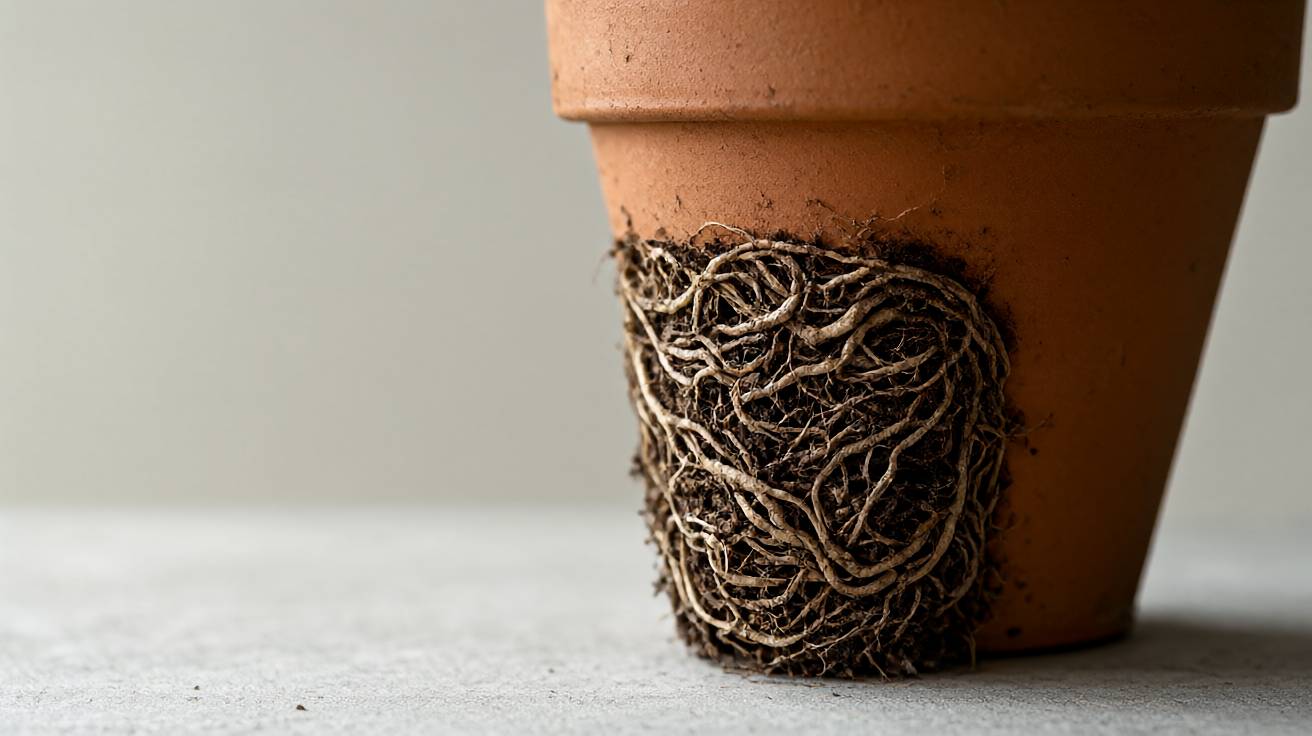
Root-bound conditions occur when roots fill the pot and have no room to expand. The plant cannot take up enough water and nutrients to support new growth. Roots may circle the pot or emerge from drainage holes.
Nutrient deficiency occurs when the growing medium is depleted. Nitrogen deficiency causes pale, yellowing older leaves and slow growth. Phosphorus deficiency causes dark, purplish leaves and stunted roots. Potassium deficiency causes browning at leaf edges.
Temperature stress occurs when temperatures are too low or too high for the plant’s needs. Cold slows metabolism and growth. Heat increases water loss and can cause wilting and stalling.
Overwatering causes root damage that limits water and nutrient uptake. The plant cannot support new growth when roots are suffocating or rotting in saturated soil.

Light-Related Growth Stalling
Light is the primary driver of plant growth. Without enough light, photosynthesis cannot produce the carbohydrates the plant needs to build new tissue. The plant enters a maintenance mode and stops growing.
The fix is to increase light exposure. Move the plant closer to a window, or add a grow light. Most houseplants need at least 6 to 8 hours of bright, indirect light per day. Low-light plants need less but still require some direct or bright indirect light.
Measure light with a light meter or a phone app. If the reading is below 100 foot-candles, the plant is not getting enough light. Increase light gradually to avoid sunburn.
For related guidance, see low light indoor plants and leggy plant etiolation.
Root-Bound and Nutrient-Related Stalling
A root-bound plant has filled its pot with roots and has no room to expand. Water and nutrients cannot reach the root system efficiently. The fix is to repot into a container one size larger with fresh potting mix.
Check for root-bound conditions by gently removing the plant from its pot. If roots are circling the bottom or emerging from drainage holes, the plant needs repotting. Tease apart circling roots before placing in the new pot.
Nutrient deficiency occurs when the growing medium is depleted. The fix is to fertilize with a balanced houseplant fertilizer at half strength during the growing season. Do not fertilize during winter or when the plant is not growing, as this can cause salt buildup.
If the plant has been in the same soil for more than a year, the medium may be depleted. Repot with fresh mix and fertilize lightly. For more on repotting, see how to repot a spider plant.
Temperature and Watering-Related Stalling
Cold temperatures slow plant metabolism and growth. Most tropical houseplants stop growing below 15 degrees Celsius. The fix is to move the plant to a warmer location away from cold drafts and windows in winter.
Overwatering causes root damage that limits growth. The fix is to let the soil dry, check for root rot, and reduce watering frequency. If root rot is present, repot in fresh dry mix and trim damaged roots.
Underwatering can also stall growth by limiting the water available for cell expansion. The fix is to water thoroughly and maintain consistent soil moisture. Do not let the plant dry out completely between waterings.
For related symptoms, see plant leaves dropping, yellow leaves on plants, and plant diagnosis.
How to Restart Growth
First, identify the limiting factor using the diagnosis steps above. Check light levels, root condition, soil moisture, and temperature.
Second, address the limiting factor. Increase light, repot if root-bound, fertilize if nutrient-depleted, adjust temperature, or correct watering.
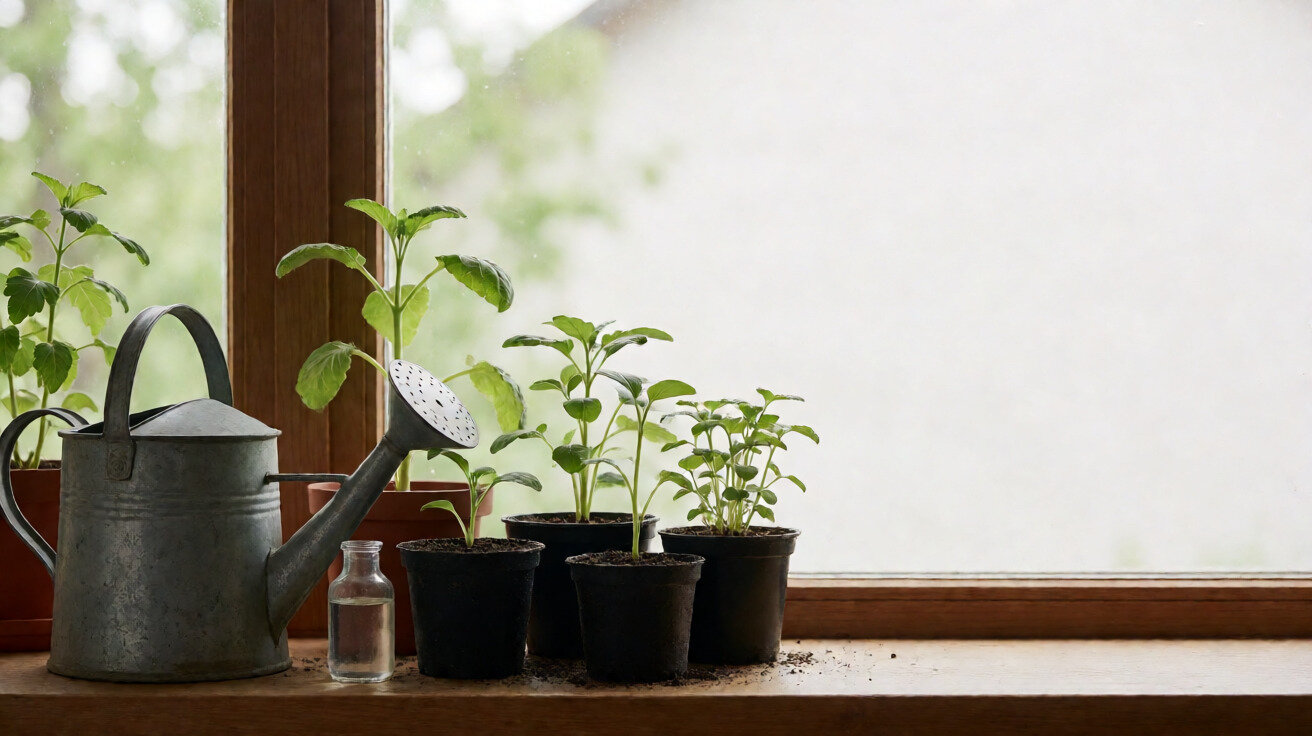
Third, be patient. Growth does not resume immediately. The plant needs time to recover and produce new tissue. New growth may appear within 2 to 4 weeks after conditions are corrected.
Fourth, do not overcorrect. Avoid fertilizing excessively, repotting too frequently, or moving the plant between locations repeatedly. Consistent conditions promote steady growth.
For related symptoms, see brown tips on plant leaves, how to save a dying plant, and plant leaves curling.
Last reviewed on November 10, 2026
Sources and further reading: The Spruce, why plants stop growing; Gardening Know How, stunted plant growth; Bloomscape, plant growth factors.
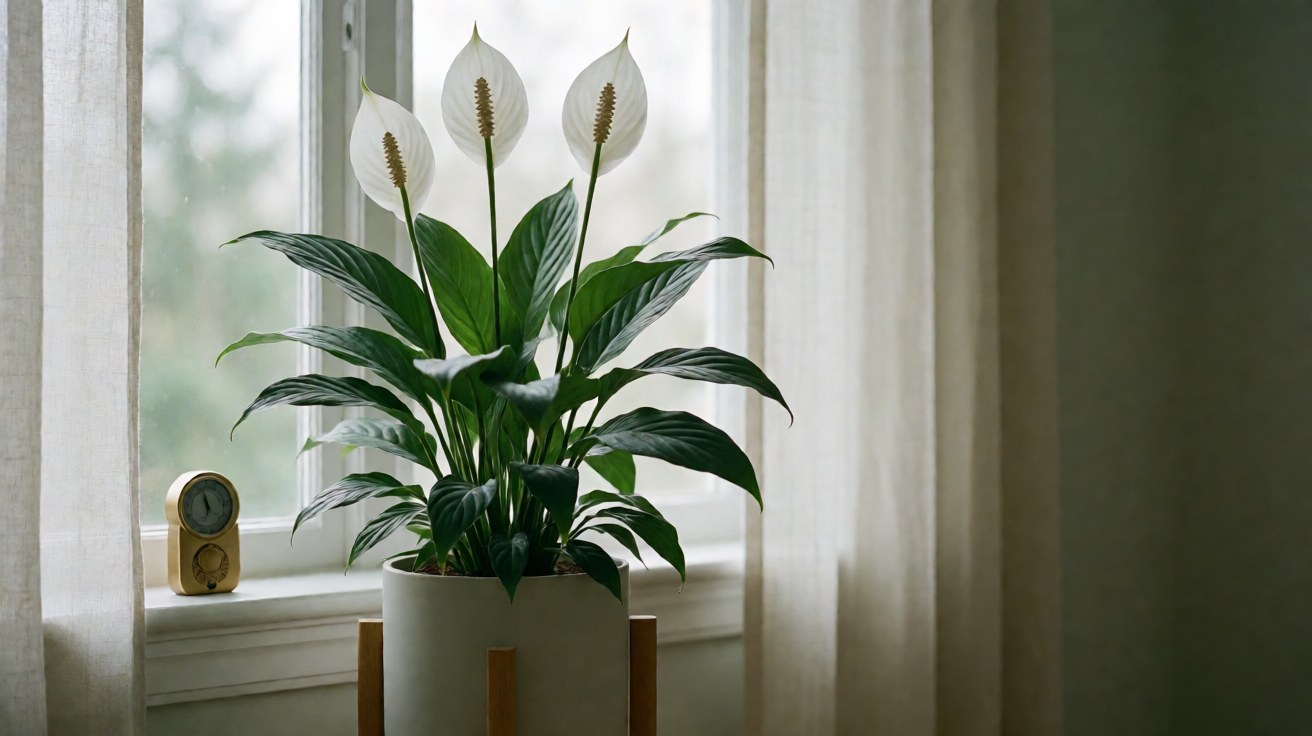
Common houseplants that stall when root-bound include Ficus lyrata (fiddle-leaf fig), Monstera deliciosa, Spathiphyllum wallisii (peace lily), and Sansevieria trifasciata (snake plant).
Growth is a conversation between the plant and its conditions; change one thing at a time and listen.