
Your plant is dying and you do not know why. The leaves are yellow, or brown, or drooping, or falling off, and every search result gives you a different answer. This guide is the decision tree that sorts symptoms into causes and causes into fixes. It is not a list of tips. It is a diagnostic protocol you can run in ten minutes.
Start here if you are not sure what is wrong. If you already know the symptom, jump to the matching section. If you already know the cause, jump to the fix.
The 10-Minute Diagnosis Protocol
Run these five checks in order before you do anything else. Each check narrows the cause list.
- Soil moisture. Push your finger two inches into the soil. Dry and powdery means underwatered or root-bound. Wet and soggy means overwatered or root rot. Slightly moist means watering is probably fine and the cause is elsewhere.
- Pot weight. Lift the pot. A heavy pot with wet soil and a light pot with dry soil confirm what your finger found. A heavy pot with dry topsoil means the root ball has shrunk away from the pot wall – the plant is underwatered even though the top looks fine.
- Leaf pattern. Yellow leaves starting at the bottom and moving up usually means overwatering or nitrogen deficiency. Yellow leaves starting at the top and moving down usually means underwatering or light stress. Brown tips mean humidity, salt buildup, or fluoride. Brown patches on the leaf surface mean sunburn, fungal infection, or physical damage.
- Root inspection. If the plant is in serious decline, slide it out of the pot. White or tan roots that smell like earth are healthy. Brown, mushy, or foul-smelling roots mean root rot. Roots circling the pot bottom mean the plant is root-bound.
- Environment check. Is the plant near a heating vent, AC unit, or drafty window? Has the light changed recently (season, moved furniture, new curtains)? Has the temperature dropped below 60°F or risen above 85°F? Environment is the cause more often than people expect.
After these five checks, you will know which of four categories the problem falls into: water, light, environment, or pests and disease. Each category has a different fix.
Water Problems: The Most Common Cause
Overwatering and underwatering cause more plant deaths than all other causes combined. The symptoms overlap, which is why people get confused.

Overwatering
Symptoms: yellow leaves starting from the bottom, soft and mushy stems, soil that stays wet for more than a week, brown spots on leaves, foul smell from the soil.
Cause: roots sitting in waterlogged soil lose oxygen and begin to rot. Rotting roots cannot absorb water, so the plant shows drought symptoms even though the soil is wet.
Fix: stop watering immediately. Check for root rot by sliding the plant out of the pot. If roots are brown and mushy, trim them, repot in fresh well-draining soil, and reduce watering frequency. For a detailed rescue protocol, see root rot diagnosis and rescue.
Underwatering
Symptoms: dry, crispy leaf edges, leaves curling inward, soil pulling away from the pot wall, wilting that improves within hours of watering.
Cause: the plant has used all available water and is shutting down non-essential functions to survive.
Fix: water thoroughly until it runs from the drainage hole. If the soil is hydrophobic (water runs off the surface), soak the pot in a basin of water for 30 minutes. Increase watering frequency. For a full rescue protocol, see wilting plant rescue.
The “Is It Over or Under?” Test
If you are not sure which one it is, water the plant thoroughly and wait 24 hours. If the leaves perk up, it was underwatered. If they stay limp or get worse, it was overwatered and the roots are already damaged.
Light Problems
Light is the second most common cause of decline. The symptoms develop slowly, which makes them easy to miss.
Too little light
Symptoms: leggy growth with long gaps between leaves, smaller new leaves, leaves turning pale or yellow, plant leaning toward the window, no new growth for months.
Cause: the plant is not producing enough energy to maintain its current leaf mass, so it sheds older leaves and stretches toward the light source.
Fix: move the plant closer to a window or add a grow light. South or east-facing windows provide the most usable light. If the plant has lost significant mass, prune back to healthy growth and let it recover.
Too much light
Symptoms: bleached or scorched patches on leaves, brown crispy edges on the side facing the window, leaves curling inward to reduce exposure.
Cause: direct sun burns leaf tissue faster than the plant can repair it.
Fix: move the plant back from the window or filter the light with a sheer curtain. Remove badly scorched leaves; they will not recover.
Environment Problems
Temperature, humidity, and air movement cause problems that look like watering or light issues.
Temperature stress
Most houseplants want 65-80°F. Below 60°F, tropical plants slow down and may drop leaves. Above 85°F, transpiration increases and the plant may wilt even with adequate soil moisture. Cold drafts from windows, doors, or AC units cause localized damage – leaves nearest the draft brown and drop first.
Humidity stress
Low humidity causes brown leaf tips and crispy edges, especially on tropical plants. The damage appears on older leaves first and progresses inward. A pebble tray or humidifier helps. Misting is temporary and can promote fungal issues if overdone.
Chemical stress
Tap water with high fluoride, chlorine, or dissolved salts causes brown tips and leaf margin burn. The damage is cumulative and appears over months. Switch to filtered or distilled water, or leach the soil monthly by watering thoroughly and letting it drain twice.
Pests and Disease
Pests cause damage that looks like nutrient deficiency or watering problems. The key is to inspect the plant closely.
Common pests
- Spider mites: fine webbing, stippled or dusty-looking leaves, leaves that feel gritty. Check the undersides.
- Scale insects: small brown or tan bumps that do not move. They attach to stems and leaf midribs.
- Mealybugs: white cottony clusters in leaf axils and along stems.
- Fungus gnats: small black flies around the soil surface. The adults are harmless; the larvae eat roots in wet soil.
For identification and treatment, see our houseplant pest identification guide.
Fungal and bacterial disease
Fungal infections appear as spots with defined edges, often with a yellow halo. Bacterial infections appear as water-soaked, irregular patches that spread quickly. Both are more common in high humidity with poor air circulation. Remove affected leaves, improve airflow, and reduce watering.
The “Can It Be Saved?” Decision
Not every plant can be rescued. Use this framework:
- Green stem or trunk with some healthy leaves: savable. Fix the cause and wait.
- Brown stem but green at the base: cut back to green tissue and wait. The plant may resprout.
- Entirely brown and mushy stem: not savable from the top. Check the roots. If roots are healthy, cut the stem to the soil line and wait for new growth from the base.
- Root rot with no healthy roots remaining: not savable. Take cuttings from any healthy stem tissue and start over.
- Single stem, entirely dead: not savable. Replace the plant.
For a full rescue protocol, see how to save a dying plant.
Prevention: The Habits That Stop Problems Before They Start
- Check soil moisture before watering. Stick your finger two inches deep. Water only when the top two inches are dry.
- Match light to the plant. Low-light plants in bright light burn. High-light plants in low light decline slowly.
- Use pots with drainage. No drainage means no way to correct overwatering.
- Flush the soil monthly. Water thoroughly, let it drain, water again. This prevents salt buildup.
- Inspect weekly. Turn leaves over, check the soil surface, look for pests. Catching problems early is the difference between a fix and a funeral.
- Do not fertilize a stressed plant. Fertilizer on a plant with damaged roots makes the damage worse. Fix the cause first, feed later.
Species-Specific Diagnosis
Some plants have species-specific problems that override the general rules:
- Corn plant (Dracaena fragrans): fluoride sensitivity causes brown tips. Use filtered water. See corn plant rescue.
- Money tree (Pachira aquatica): root rot from overwatering is the #1 killer. Braided trunks trap moisture. See money tree root rot.
- Peace lily (Spathiphyllum): dramatic wilting is normal when thirsty; brown tips come from salt buildup or low humidity. See peace lily brown tips.
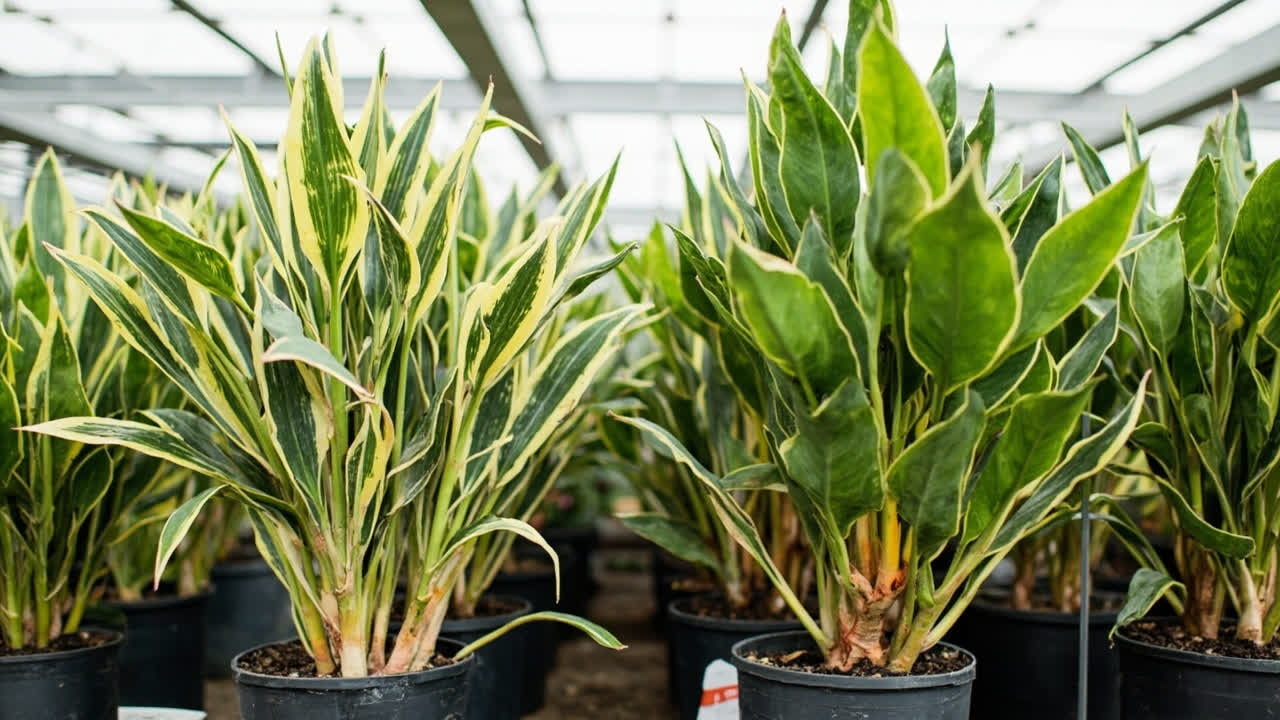
- Snake plant (Sansevieria): root rot from overwatering is the main killer; the plant tolerates neglect better than attention. See snake plant root rot.
- Croton: leaf drop from temperature changes or drafts. The plant is sensitive to being moved. See croton problems for species-specific help.
Summary
Run the five-check diagnosis protocol: soil moisture, pot weight, leaf pattern, root inspection, environment. Match symptoms to one of four causes (water, light, environment, pests/disease). Apply the matching fix. Use the “can it be saved?” framework to decide whether to rescue or replace. Prevent recurrence with weekly inspection, proper watering, and drainage.
For symptom-specific deep dives, see: yellow leaves on plants, wilting plant rescue, root rot diagnosis and rescue, and houseplant pest identification.