Philodendrons are generally resilient plants, but even the most attentive plant parent encounters problems occasionally. Most Philodendron issues fall into a few predictable patterns, and the key to solving them is identifying the cause correctly — treating symptoms without addressing the cause never works.
Yellow Leaves
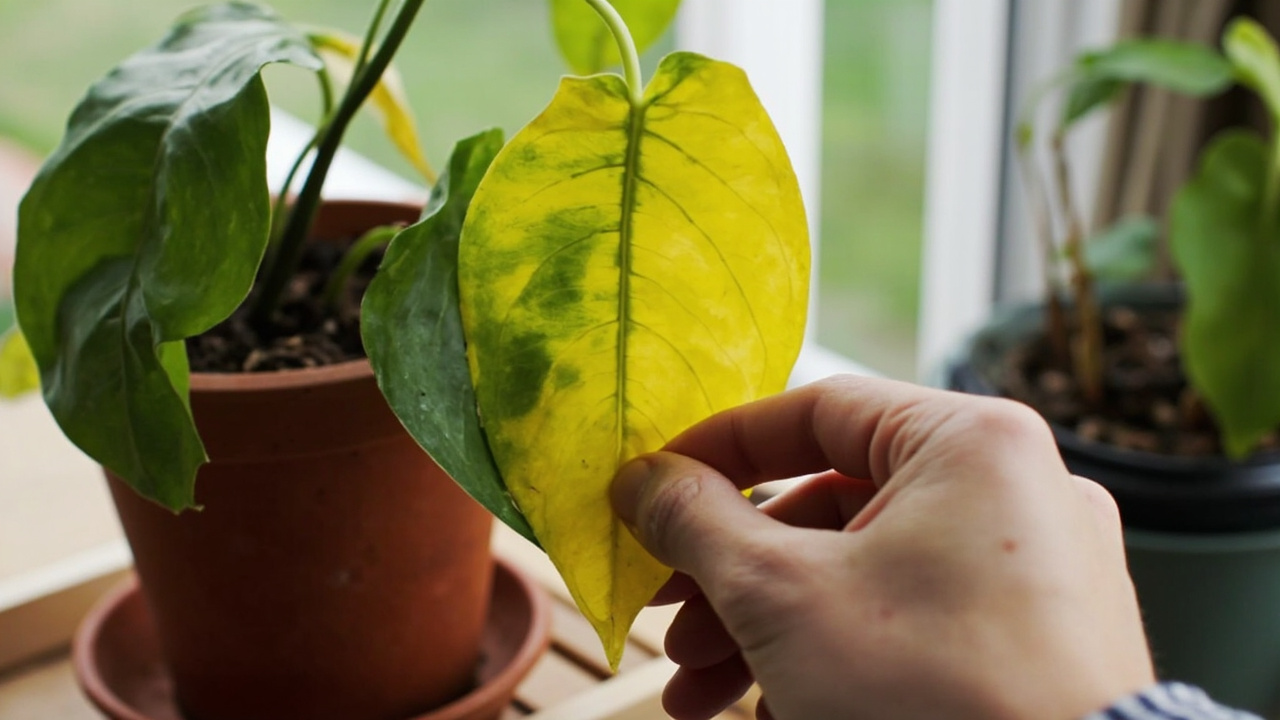
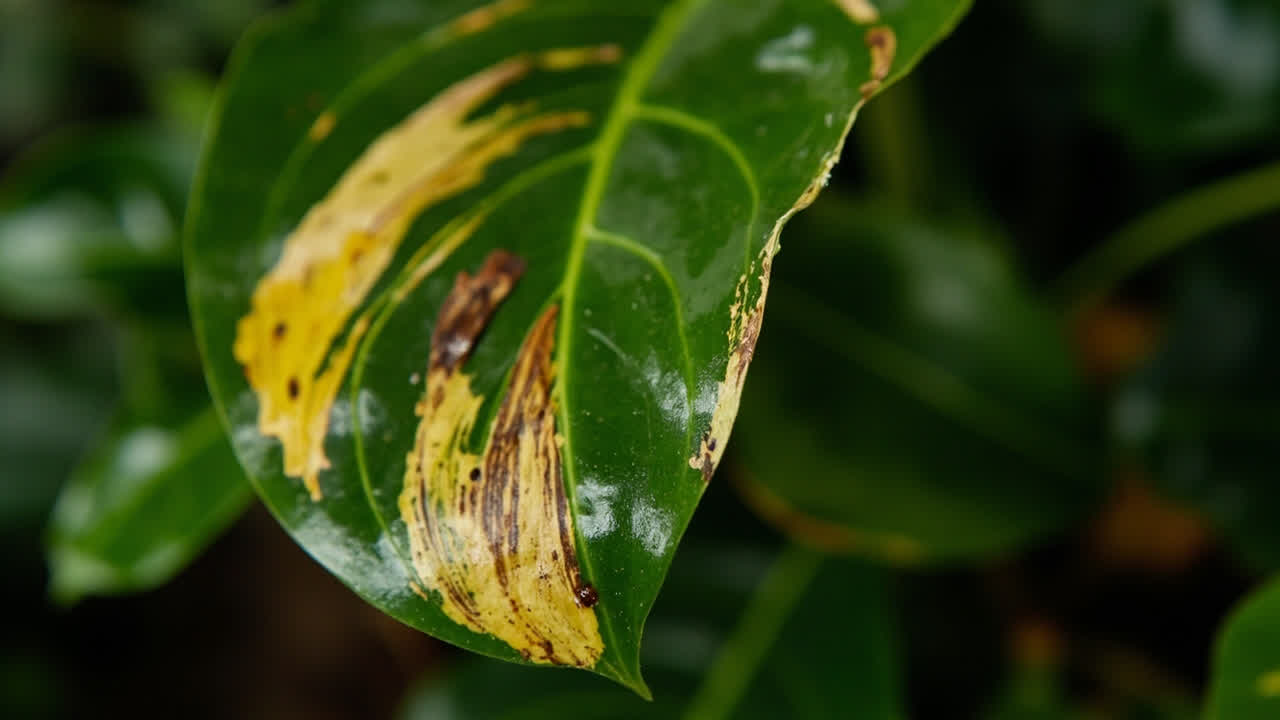
Yellow leaves on a Philodendron are the most common issue and the one with the most possible causes. The key is to note where the yellowing starts:
Yellowing at the base of the plant, on the oldest leaves. This is natural — Philodendrons shed their oldest leaves as they grow. One or two yellow leaves at the base of a healthy plant with active new growth is not a problem. If multiple leaves are yellowing simultaneously across the plant, it is likely overwatering or a root problem.
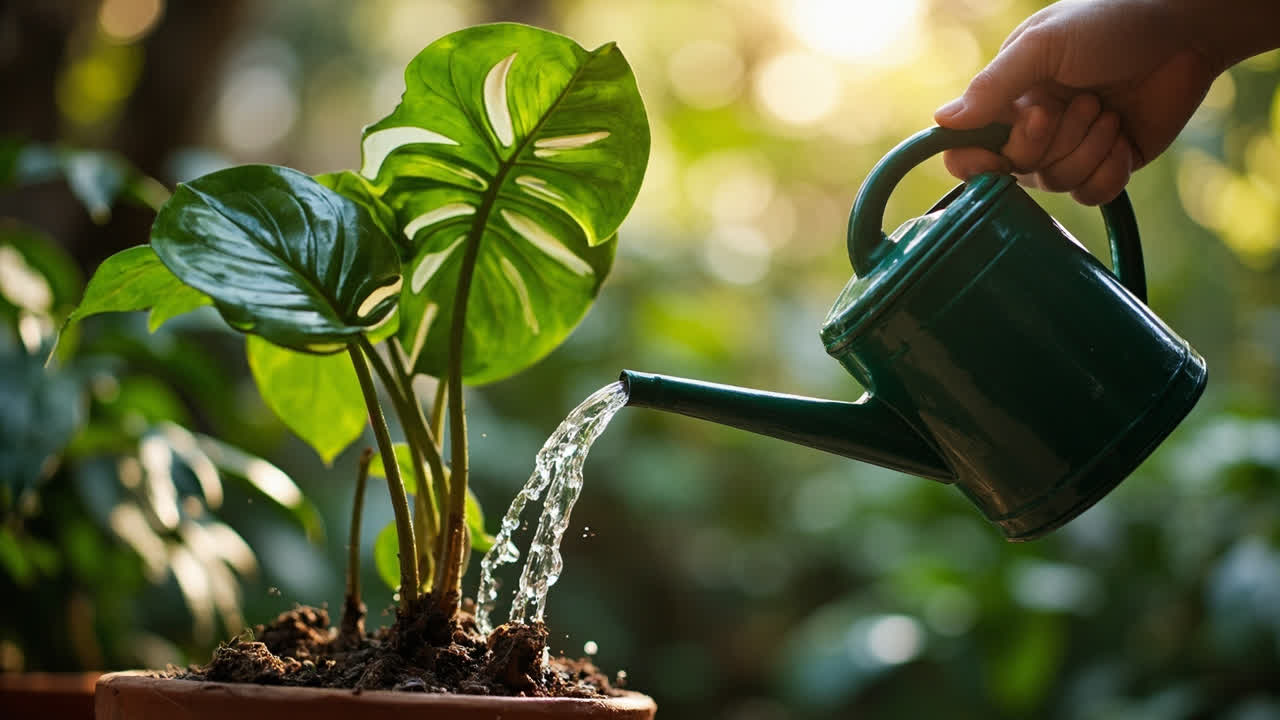
Yellowing across the whole plant or on many leaves at once. Overwatering. Check the soil — if it has been wet for more than four to five days since the last watering, the roots are likely suffering. Stop watering, let the soil dry out, and monitor. If the plant does not recover within a week, consider repotting with fresh, fast-draining mix.
Yellowing between the veins while the veins stay green. Iron deficiency, often caused by soil that is too alkaline. This is less common in Singapore but can happen in plants that have not been repotted for several years. The fix is to switch to a slightly more acidic mix or use filtered water for a period.
Brown Leaf Tips
Brown tips on Philodendron leaves are most commonly caused by:
Low humidity. Air-conditioned rooms are the usual suspect. The dry air strips moisture from the leaf edges faster than the roots can supply it. Use a pebble tray, move the plant further from the AC vent, or group it with other plants to raise humidity.
Over-fertilising. Salt accumulation causes the leaf edges and tips to burn. If you feed your Philodendron more than once a month, or if you see a white crust on the soil surface, flush the soil with clean water several times. Reduce feeding frequency and concentration.
Underwatering. Chronic underwatering produces the same brown-tipping pattern as low humidity. If the soil is bone dry between waterings, increase watering frequency slightly.
Yellow Leaves Plus Wilting
The most alarming combination: leaves that are both yellow and limp simultaneously. This points to root rot. The roots have died and cannot supply water or nutrients to the leaves. In this case:
- Remove the plant from the pot
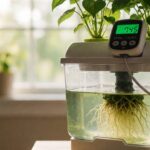
- Examine the roots — healthy Philodendron roots are pale cream to tan and firm; rotting roots are dark brown, mushy, and smell musty
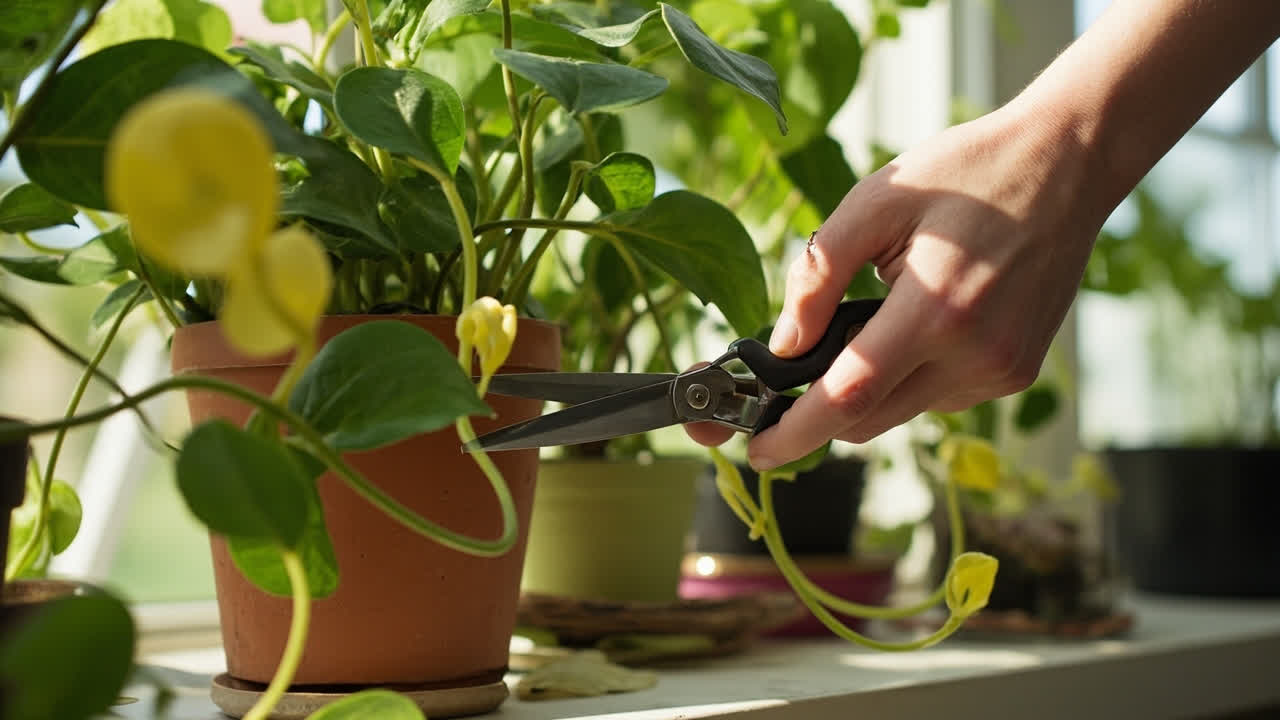
- Trim all dark, mushy roots with clean scissors
- Repot in fresh, fast-draining mix
- Do not water for at least a week; let the plant recover before watering again
If more than two-thirds of the root system is gone, you will need to propagate from the remaining healthy vine to save the plant.
Leggy Growth and Long Stems
Long, widely-spaced stems with small leaves are a sign of insufficient light. The plant is reaching for more light and putting all its energy into lengthening rather than leaf production. The fix is straightforward: move the plant closer to a window or to a brighter position. New growth will emerge more compact once the light issue is resolved. Old, leggy growth will not recover — prune it back once the plant is established in better light.
Small or Deformed New Leaves
New leaves that emerge smaller than previous ones or that do not unfurl properly usually indicate the plant is directing its energy somewhere else — usually a root problem or a soil that has been depleted of nutrients. If the root system looks healthy, feed the plant lightly. If the soil has not been changed in over a year, repotting with fresh mix will help.
Chewed or deformed new leaves are usually physical damage — a cat or pet has chewed them, or the leaf was physically damaged while emerging from the unfurling point. The damage is permanent but new growth will emerge normally once the cause is removed.
Variegation Fading
For variegated Philodendrons — Brasil, Birkin, Pink Princess — if new leaves emerge with less variegation or all-green sections, the plant needs more light. Move it to a brighter position. The plant may have been in a low-light environment for some time before the reduction became visible in new growth. Increasing light now will not restore the variegation on existing leaves, but it will maximise variegation on new growth.
For general Philodendron care, see the Philodendron Care guide.
Turn any PDF statement into a clean sheet
Skip the typos and the hours of copying. Our converter handles any bank statement format and outputs Excel, CSV, or QBO for QuickBooks. No file retention, free to try.
Convert your statement