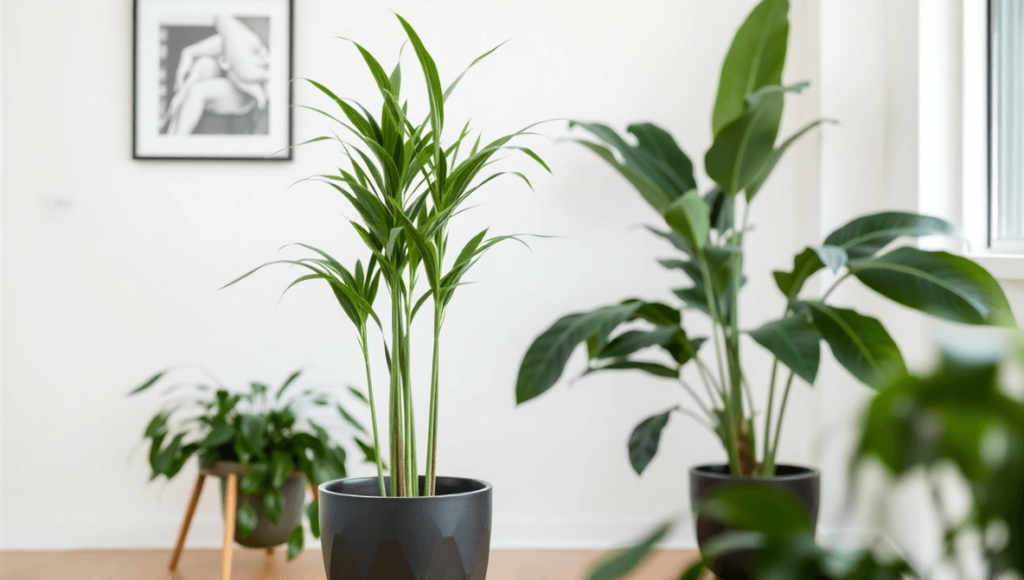
You want to buy a Dracaena Massangeana — Mass Cane Plant, Corn Plant, whatever name you know it by — and you are standing in a nursery or scrolling through an online store, and you realise you are not sure what to look for. They come in different sizes, different stages of growth, different pot conditions. Some look healthy and vibrant. Others look like they have been in that same pot for three years too long. Here is what separates a good buy from a regret.
What to Look For in a Healthy Mass Cane Plant
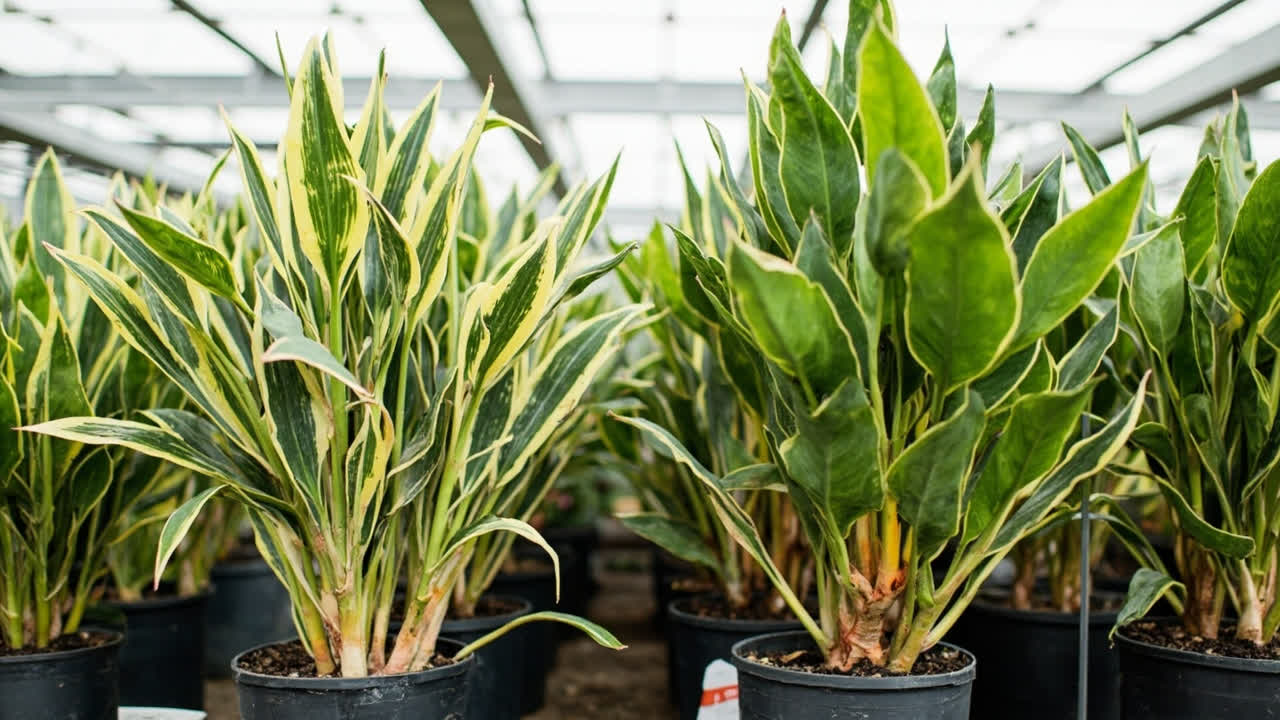
The first thing to check is the leaves. A healthy Dracaena Massangeana has firm, upright leaves with a strong variegated stripe running down the centre — the signature yellow-to-light-green band that makes this plant recognisable. The leaves should feel thick and leathery when you handle them, not papery or limp. Avoid any plant where the leaves are drooping despite the soil being moist — that is a sign of root stress.
Check the cane stems next. The canes should feel hard and solid when you press them gently — not soft, not giving way under pressure. You can run your thumb along the side of a cane: if it feels firm and the skin does not peel or dent easily, the tissue underneath is intact. Soft or dented canes indicate internal rot, often from past overwatering. Even if the leaves look okay at the top, a soft cane is a structurally compromised plant that may collapse within months.
Look at the base of the stem where it meets the soil. This is the most common place for early rot to begin. If you can see any dark, discoloured tissue at the base — anything that looks wetter or darker than the rest of the cane — do not buy that plant. The rot has already started and it will spread.
What to Avoid When Choosing a Mass Cane Plant
Yellowing leaves on the bottom tier. A few yellow leaves at the base can be normal — older leaves drop as the plant grows. But if the bottom three to four leaves are all yellowing simultaneously, or if the yellowing is spreading upward, the plant has a systemic problem — usually root rot from chronic overwatering.
Brown leaf tips across multiple leaves. A single brown tip on one leaf is within normal variation. Brown tips on every leaf, or on multiple leaves across the whole plant, indicate consistent stress — usually fluoride sensitivity from tap water, over-fertilising, or prolonged low humidity. This is not something you can fix quickly and it will affect the plant’s appearance for many months.
Roots growing out of the drainage hole. If thick white or brown roots are pushing out of the bottom of the pot, the plant has been in that pot for too long and is root-bound. You can buy it, but you will need to repot it within a week or two or it will become stunted and decline. Budget that into your purchase decision.
Empty pot slots or missing soil. In some retail settings, plants are displayed without soil — just bare roots in a pot with nothing holding moisture. A Mass Cane Plant can survive a few days like this, but anything more than a week of bare-root display means the root system has dried out and the plant is stressed. Do not buy from a retailer that displays stock this way on an ongoing basis.
Spider webs or tiny speckling on leaf undersides. Lift a few leaves and look at the underside, particularly near the base of the leaf where it joins the stem. Fine speckling, tiny moving dots, or fine webbing are signs of spider mite or thrips infestation. Even if the plant looks okay from a distance, a pest problem will spread to your other houseplants and require weeks of treatment.
Choosing the Right Size for Your Space
Mass Cane Plants are sold in a wide range of sizes, from 30 cm tabletop specimens to 150 cm-plus floor specimens. Here is a practical sizing guide:
30 cm to 60 cm — tabletop or shelf plants. These are typically younger plants in 15 cm to 20 cm pots. They work on a side table, a wide shelf, a bathroom counter, or a windowsill. They are affordable and easy to move. The trade-off is that they are more vulnerable to transplant stress and may need repotting within a year.
60 cm to 100 cm — medium floor or large shelf plants. These are the most common size in retail nurseries. They work as floor plants in small spaces, beside a sofa, in a bedroom corner, or in a hallway. This is the most versatile size range and the most commonly purchased for home interiors.
100 cm to 150 cm+ — large statement floor plants. These are mature specimens in 30 cm pots or larger. They make a genuine architectural statement in a lobby, a wide living room corner, or a reception area. They are more expensive and more difficult to transport. They also tend to be more resilient because the cane structure is established and the root system is extensive. If you have the space and the budget, a larger specimen is often a better long-term investment than a small plant that you will need to repot and establish over time.
Pot Condition and Soil Quality
Never buy a Mass Cane Plant in a pot with no drainage holes. This is non-negotiable. The plant’s number one killer is root rot from standing water, and a pot with no drainage makes overwatering almost inevitable regardless of how careful you are. If a plant is in a decorative pot without holes, ask the retailer to drill one or transfer the plant to a proper nursery pot before you take it home.
Check the soil surface. It should be firm and level, not compacted or cracked. If the soil has pulled away from the edges of the pot, that is a sign the root ball has dried out severely at some point. The plant may have recovered on the surface, but the root system has likely been compromised. If the soil surface is green with moss, that indicates the plant has been kept consistently moist for an extended period — which means overwatering has been the norm, and root health is uncertain.
Where to Buy : Nursery vs Online
Nurseries and garden centres give you the advantage of inspection. You can check the cane firmness, the root condition, and the leaf health before you commit. You can also see the actual plant rather than a photograph. For Mass Cane Plants, buying in person is strongly preferable if you have access to a good nursery.
Online purchases are practical for larger specimens that you cannot easily transport yourself, and for people in areas without access to specialist nurseries. The trade-off is that you cannot inspect before buying. To reduce risk: buy from a retailer with a clear returns policy, buy in warm weather months when cold shipping damage is less likely, and be prepared to repot immediately upon arrival if the soil is inadequate or the plant looks stressed.
What to Do Immediately After Bringing It Home
Once you get your Mass Cane Plant home, do not put it in a bright, hot position immediately. Give it two weeks in a moderate indirect light spot to acclimate. Do not fertilise for the first month — the plant needs time to settle before it is asked to process nutrients. Water only when the top 5 cm of soil is dry. If the plant was root-bound in the pot, repot it into a slightly larger container with fresh, well-draining potting mix — the best soil for Mass Cane Plant will give it the drainage it needs to avoid root stress during establishment.
If you bought a plant with any sign of pest or disease, isolate it from your existing houseplants for three to four weeks while you treat it. The last thing you want is to introduce spider mites or scale into a healthy collection.
For the full care guide after purchase, see the Mass Cane Plant care guide and Mass Cane Plant light requirements to set up your plant for long-term success.
Turn any PDF statement into a clean sheet
Skip the typos and the hours of copying. Our converter handles any bank statement format and outputs Excel, CSV, or QBO for QuickBooks. No file retention, free to try.
Convert your statement