Propagating plants from cuttings is one of the most reliable ways to multiply your houseplants and garden plants without buying new ones. The core principle is straightforward: a severed stem section, given the right conditions, regenerates a complete root system and becomes an independent plant. What trips most people up is not the concept — it is the conditions.
Why Cuttings Work : The Biology Behind It
Plants have undifferentiated cells called meristematic tissue concentrated in their stems, nodes, and root tips. When a stem is cut and exposed to moisture and warmth, these cells shift from their original purpose to a new program: root generation. This is called adventitious root formation. The cutting does not regrow from the cut end — it grows new roots from scratch along the buried stem section.
This capability varies by species and by the age of the parent plant. Young, vigorous stems root faster than old, woody ones. Plants like pothos, philodendron, and tradescantia have high auxin concentrations that stimulate root growth and root almost effortlessly. Others, like succulents and rubber plants, root more slowly because they have less accessible meristematic tissue in their stems.
Choosing and Preparing the Cutting
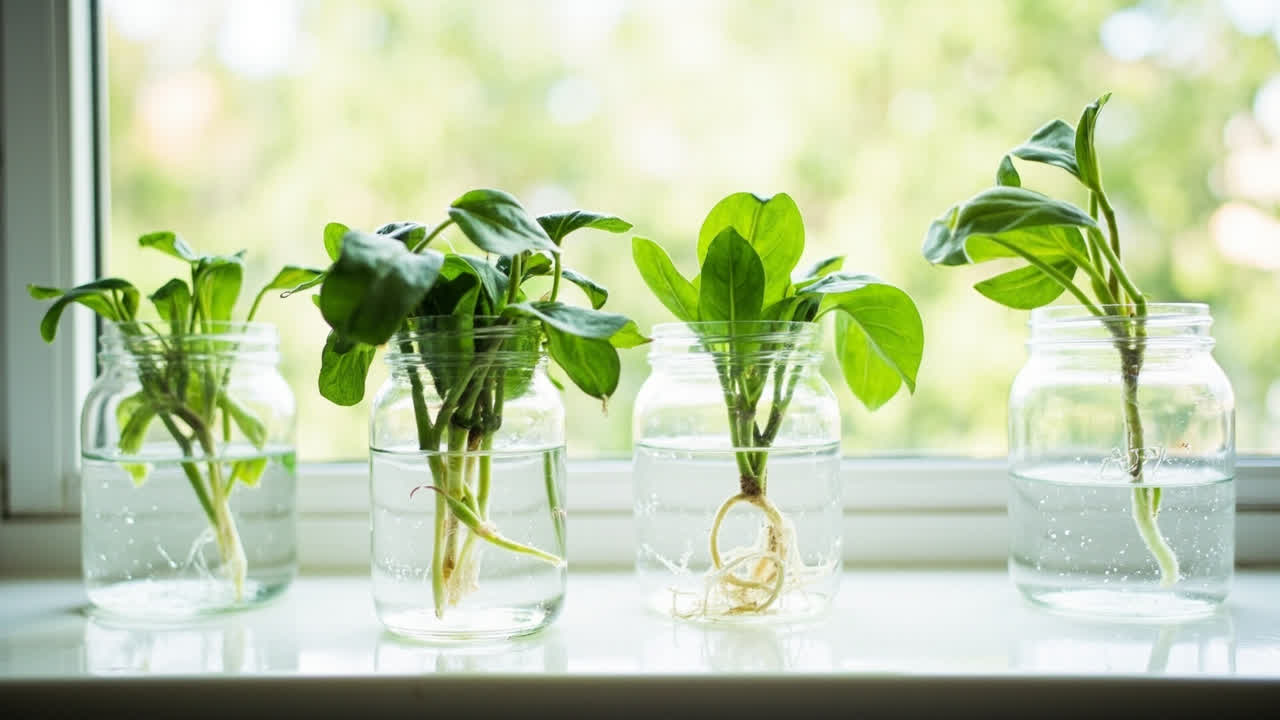
The cutting should be 4–6 inches long with 2–3 nodes visible. Nodes are the slightly swollen points along the stem where leaves attach and where roots will emerge. A cutting without a node will not root — it has no meristematic tissue to generate from. Cut just below a node using clean, sharp scissors or a blade. Dull tools crush the vascular tissue and reduce the cutting is ability to uptake water.
Remove the lower leaves before planting. Any leaf that would be buried below the soil or water line will rot and introduce pathogens. Leave the top 2–3 leaves intact — they provide the photosynthesis that sustains the cutting before roots develop. For large-leafed plants like monstera, cut the leaves in half to reduce moisture loss through transpiration.
For species with milky sap like rubber plants and poinsettias, let the cut end callous for 30–60 minutes before planting. Callusing — where the sap hardens into a protective layer — reduces the risk of rot and prepares the wound for root generation.
Water Propagation vs Soil Propagation
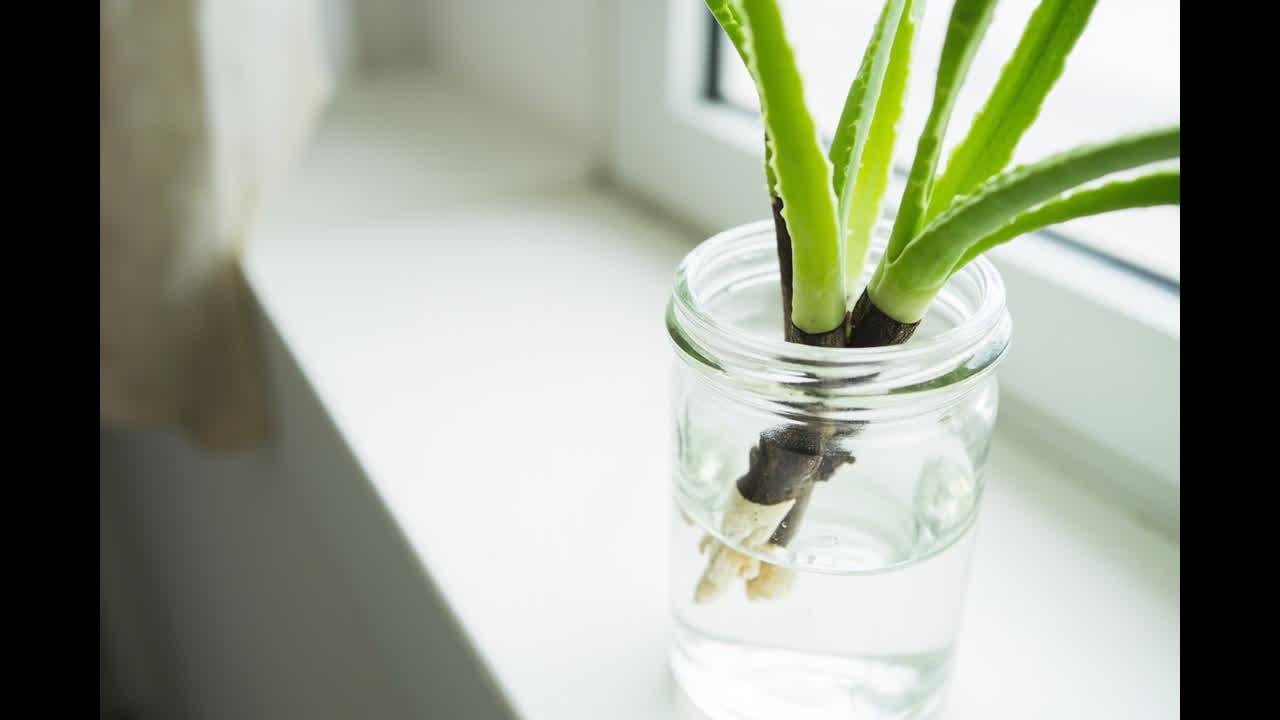
Water propagation lets you watch root growth, which is satisfying and informative. Change the water every 3–5 days, using plain water at room temperature — nutrient solution is unnecessary and can encourage bacterial growth. Transfer to soil once roots reach 2–3 inches long. A cutting with roots adapted to water has a harder time adjusting to soil than one started in soil directly.
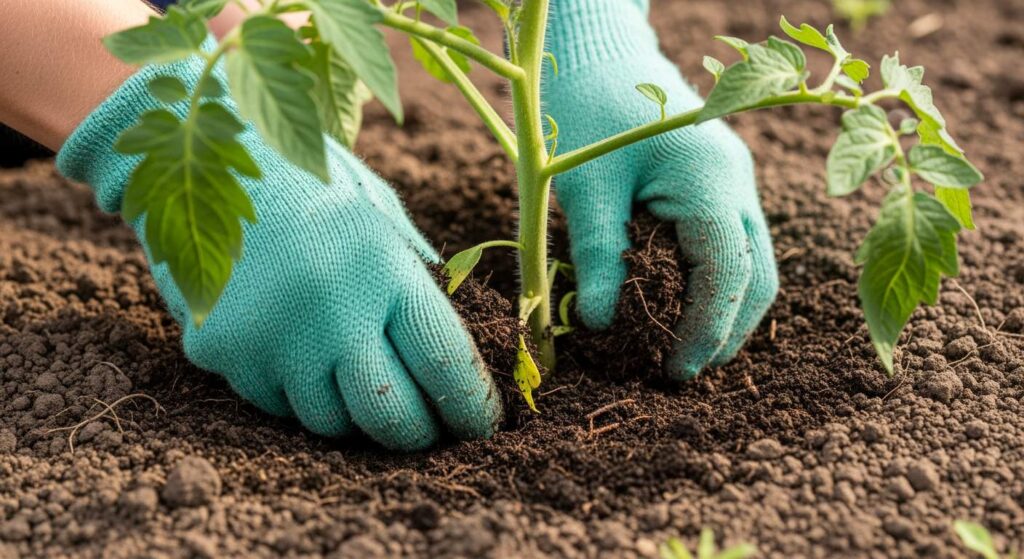
Soil propagation produces roots that are better adapted to their permanent medium from the start, but you lose the ability to monitor root development. Use a well-draining soilless mix — one part perlite to one part peat moss or coco coir works well. Keep the medium consistently moist but not waterlogged, and maintain high humidity around the cutting by covering it with a clear plastic bag or placing it in a propagation box.
For most home houseplants, water propagation is the better starting point because it is low-cost, requires no special equipment, and lets you see exactly what is happening.
Rooting Hormone : When to Use It and When to Skip It
Rooting hormone powder accelerates root generation for stubborn species and for cuttings taken from older or woody parent plants. It is not necessary for easy-rooters like pothos, philodendron, and most tropical vines — those root reliably without it. It is worth using for woody shrubs, roses, and slow-rooting houseplants like fiddle-leaf fig.
Apply by dipping the cut end in the powder lightly — do not coat it thickly, as excess hormone inhibits rather than promotes root growth. Tap off any excess before planting. Store the container sealed and in a cool, dark place; open air and moisture degrade the active auxin compounds.
Light, Temperature, and Humidity During Propagation
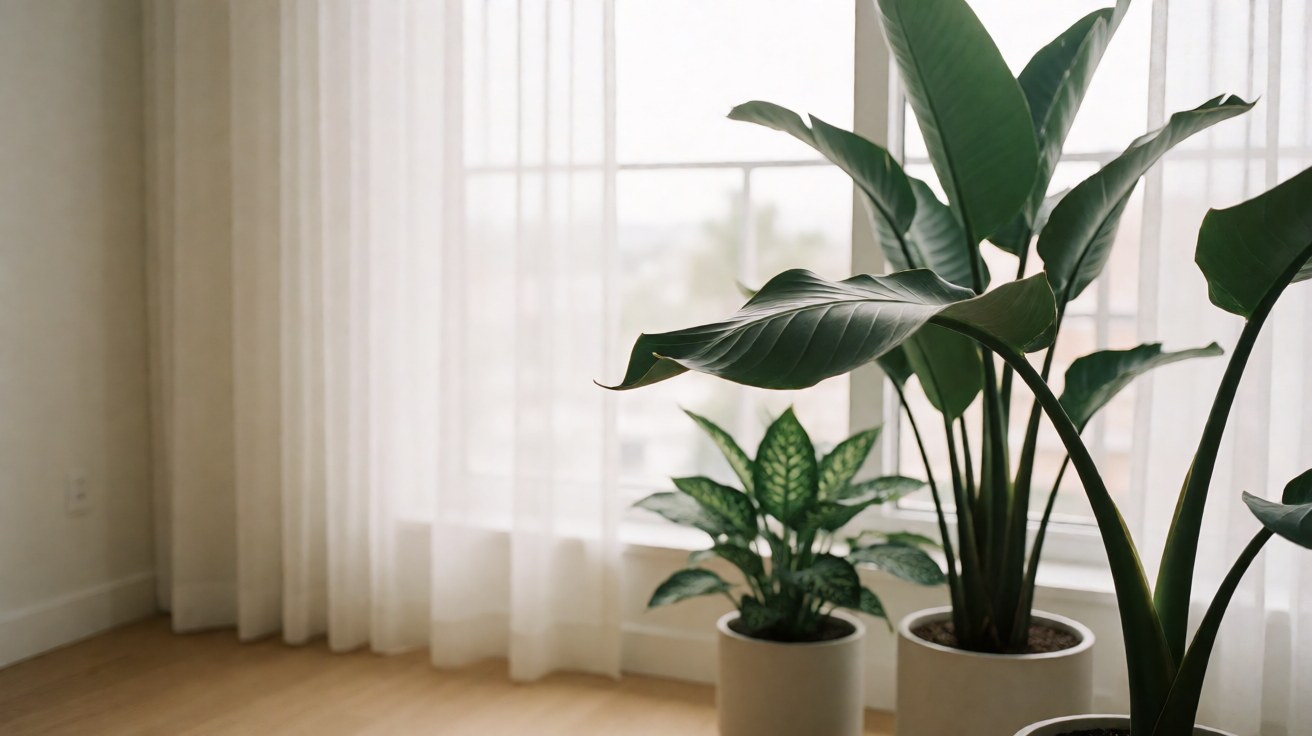
Cuttings do not need direct sunlight — they lack roots to draw water and are prone to drying out through leaf transpiration. Bright indirect light (within 2–3 feet of an east or west window) is ideal. In deep shade, the cutting has insufficient energy to fuel root generation and may sit dormant for weeks before rotting.
Temperature matters more than most propagation guides acknowledge. The ideal root-generation temperature is 21–27°C — warmer than typical room air in many homes. Bottom heat from a heat mat placed under the propagation vessel accelerates rooting by 30–50% compared to cuttings at room temperature. In rooms below 18°C, rooting slows dramatically or stops entirely.
High humidity prevents the cutting from losing water faster than it can absorb it. A clear plastic bag tented over the cutting or aPropagation box with a lid retains humidity around the leaves. Open the bag or lid briefly every few days for air exchange and to prevent the fungal growth that stagnant humid air encourages.
Common Propagation Mistakes
The most common failure is moving the cutting to soil too early. Roots shorter than 2 inches are not yet functionally capable of supporting the plant — they lack the root mass to reliably draw water and nutrients from soil. Wait until the root network is branched and at least 2–3 inches long before transferring.
Rotting is the second most common failure. A cutting that turns black at the base, goes limp, or develops a sulfurous smell has begun to rot. Cut back to clean tissue above the rot, let callous, and restart. Do not try to save a rotting cutting by letting it dry out — without roots, the cutting cannot recover moisture regardless.
Checking too frequently is a human error more than a plant error. Picking up a cutting to examine roots, tugging to test resistance, or moving it between water and soil disrupts the delicate developing root tips. Set the cutting in place and leave it for 10–14 days before checking.
Plants That Root Easily from Cuttings
The species most reliable for beginners propagating at home:
- Pothos — nodes + water + indirect light = roots within 7–14 days
- Philodendron — similar to pothos; heart-leaf and Brasil varieties root fastest
- Tradescantia (spiderwort) — roots in 5–7 days in water
- Pilea peperomioides — cut a stem with a few leaves and root in soil
- Snake plant snake plant propagation — leaf-section cuttings root in 3–4 weeks; water propagates individual leaves
- String of pearls — stem cuttings root in 2–3 weeks; avoid overwatering once planted
Propagation is a skill that improves with observation. The first few attempts teach you how your specific conditions — your home is temperature, humidity, and light — affect rooting speed. Once you understand how those variables interact, propagation guide propagating a wider range of species becomes predictable rather than experimental.
—
Turn That PDF Into a Spreadsheet in Minutes
You've seen how to do it manually — now let the tool handle the heavy lifting. Upload your bank statement and get Excel, CSV, or QBO in a few clicks.
Try It Free