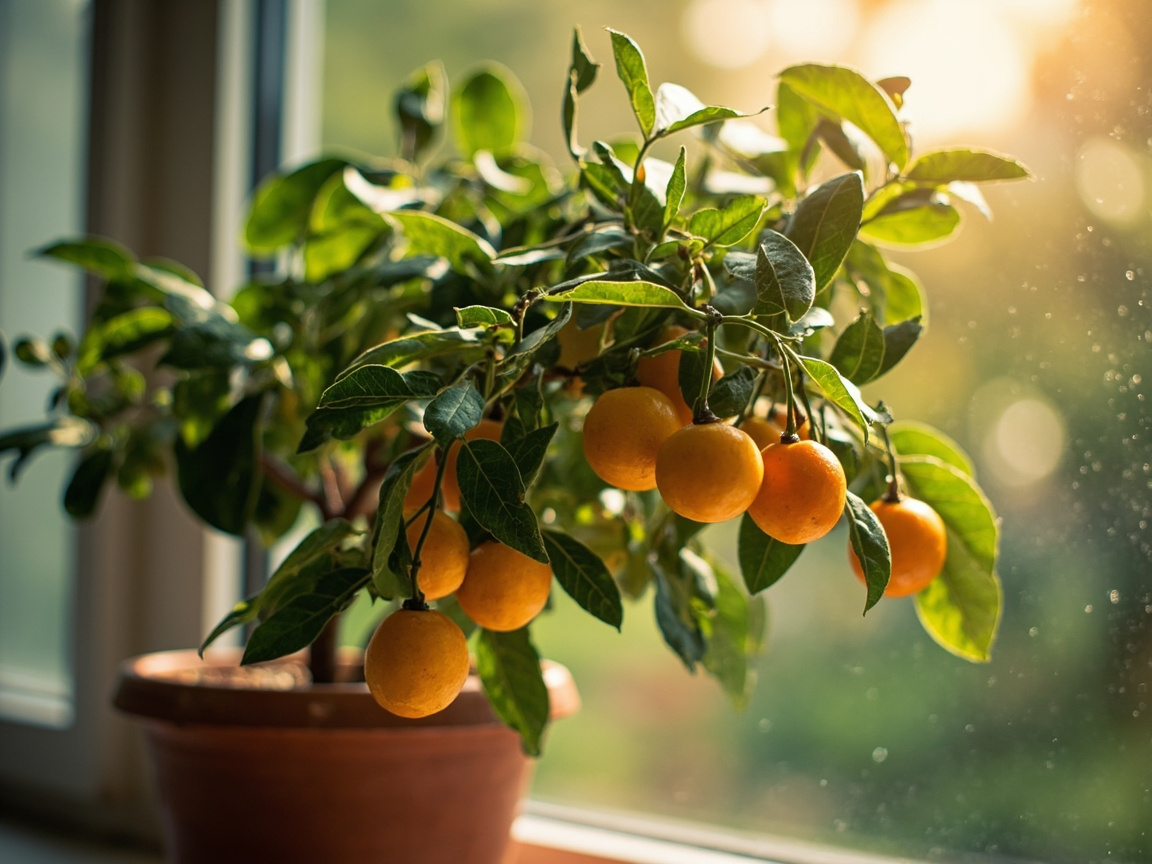
What Is a Calamondin Orange. The calamondin orange (Citrus × microcarpa × C. mitis, sometimes sold as × Citrofortunella microcarpa) is a hybrid of a kumquat and a mandarin orange. That kumquat parentage is what gives this tree its genuine cold tolerance — down to 20°F (−6°C) — making it the hardiest of all dwarf container citrus you can grow indoors. A Meyer lemon looks stressed below 25°F (−4°C). A calamondin shrugs off a brief cold snap at 20°F and keeps its leaves on.
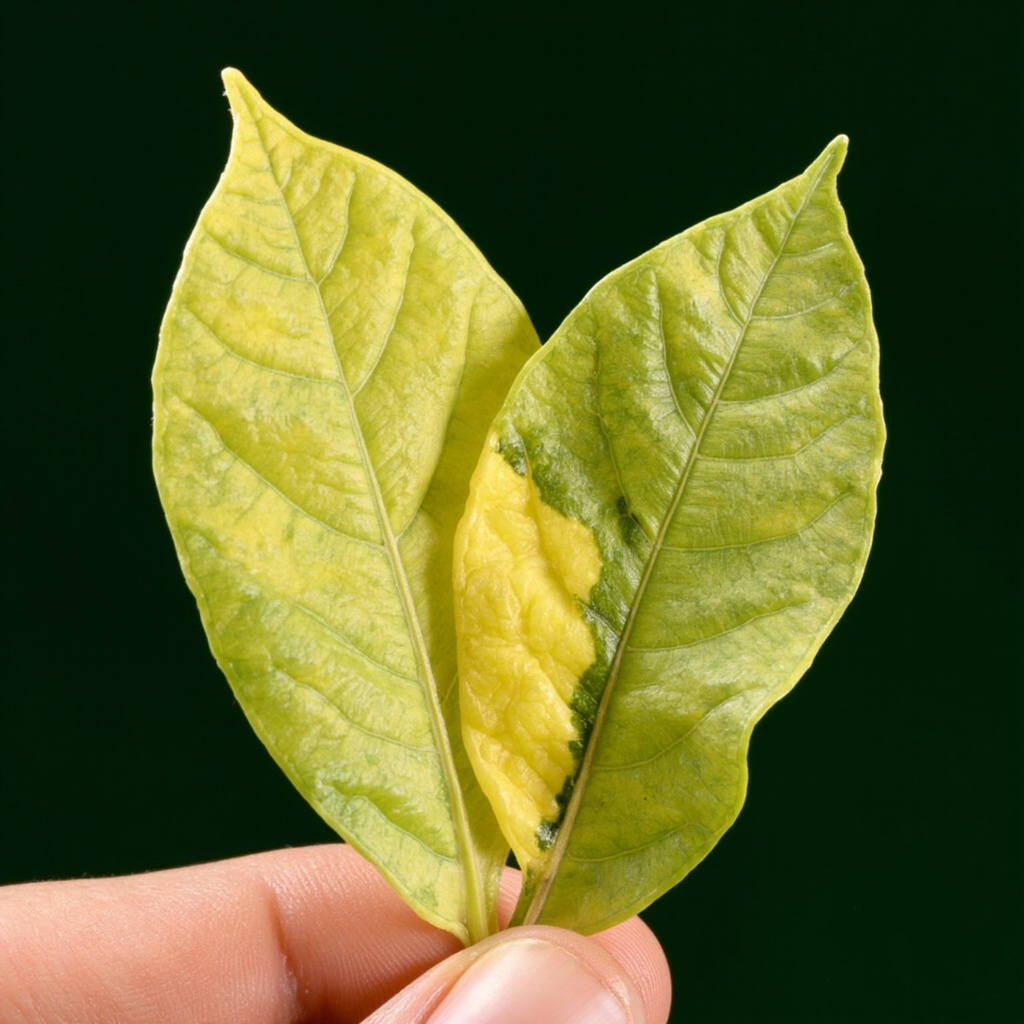
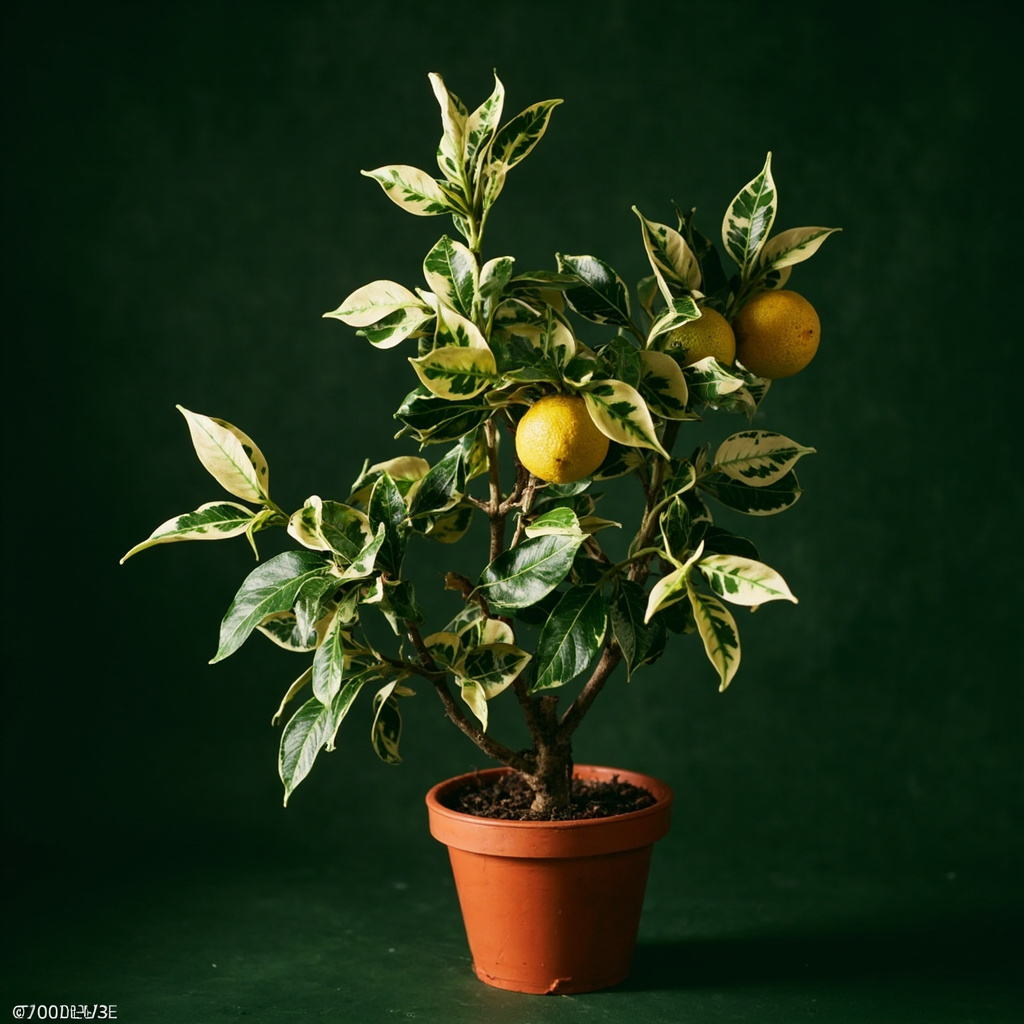
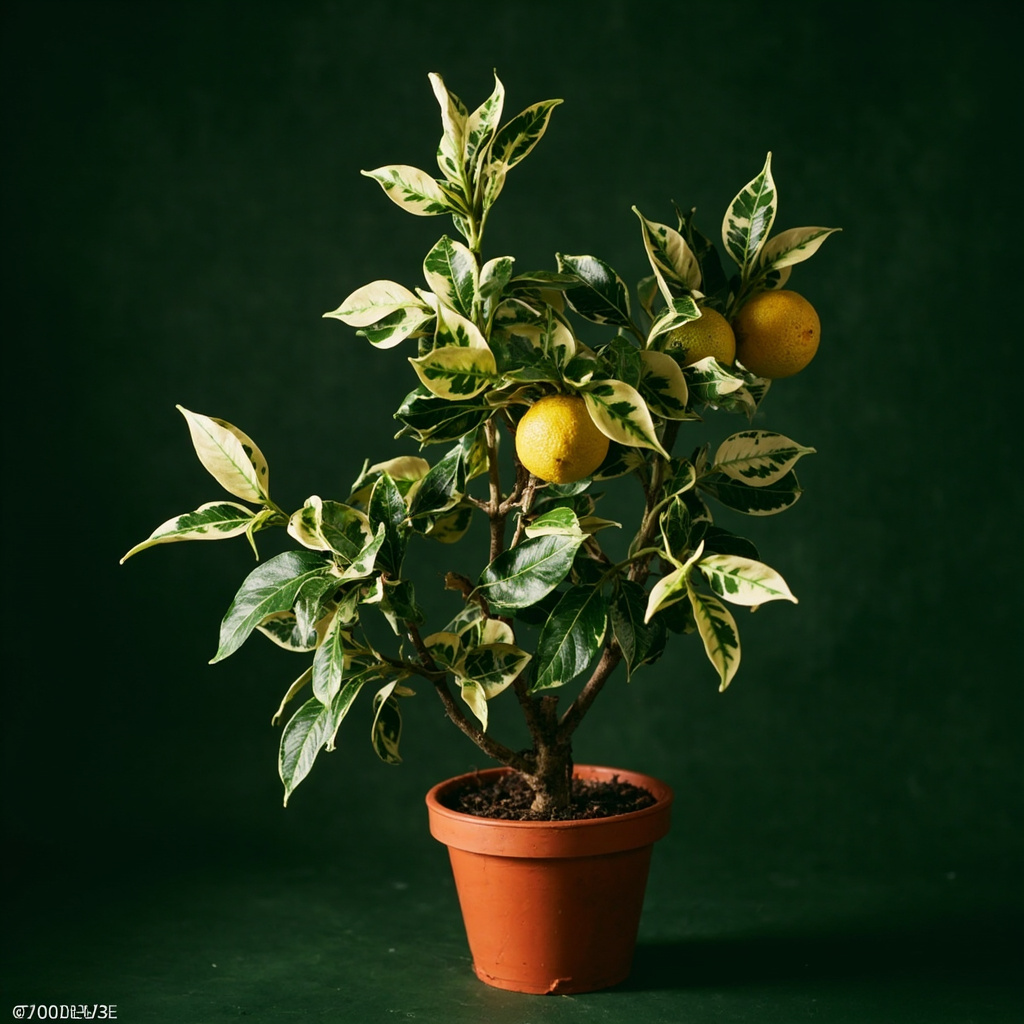
Two main cultivars dominate. The standard green calamondin is the workhorse: glossy dark-green leaves, white star-shaped flowers, and fruit that ripens from deep green to bright orange with vertical stripes of pale yellow on the immature rind. The variegated cultivars ‘Tigers‘ and ‘Peters‘ show cream-white sectoring on the leaves and striped green-on-cream fruit when young. Both variegated types grow roughly 20% slower than the green type because the white leaf sectors contain no chlorophyll; they need 1–2 extra hours of direct light to maintain variegation without fading. Neither cultivar produces fruit that sets reliably from seed; buy a grafted tree from a nursery for fruit within the first year.
Light and Temperature : Half What a Meyer Needs
A Meyer lemon demands 8+ hours of direct sun at 600+ μmol. A calamondin thrives on 4–6 hours at 300–400 μmol. That gap makes the calamondin the right choice for a bright north-facing room, an east-facing kitchen window, or any spot where the reading light test says “bright but not blinding.” The same north-facing rooms where culinary herbs grow well are ideal for calamondins — filtered through a sheer curtain, noon to 4 PM, with the pot turned 90 degrees every week to keep the canopy even.
Temperature tolerance follows the kumquat line. Brief dips to 20°F (−6°C) cause no lasting damage; sustained temperatures below 30°F (−1°C) trigger leaf drop but recovery in spring is reliable. Indoors, the calamondin handles the dry air from central heating better than a Meyer — it tolerates 30–40% relative humidity without the stippled leaf margins that plague a Meyer at the same humidity. Do not place the tree directly above a hot-air vent; the rapid drop in local humidity desiccates flower buds within 3 days of opening.
Watering, Soil, and Fertilizing
Water a calamondin when the top 3 inches (7–8 cm) of potting mix feel dry. The wider margin compared to a Meyer is the practical reason this tree is more forgiving of missed waterings. A 10-inch unglazed terracotta pot in a north-facing window typically needs water every 7–10 days in summer and every 14–21 days in winter. Use the same 1:1:1 bark-perlite-potting mix as you would for a Meyer lemon; the bark-heavy structure stays open for gas exchange in the root zone, which prevents the anaerobic root rot that kills container citrus.
Fertilize from March through October, once every 3 weeks, using a balanced NPK formulation — 15-15-15 at half the label dilution rate. The lower light receipt means the tree cannot process biweekly feeding the way a Meyer can in full southern exposure. Add a single foliar application of chelated citrus micronutrients in March and again in June. Reduce to half strength monthly from November through February. The sign of overfeeding is crispy brown leaf margins on new growth — distinguish this from the clean purplish curling caused by a cold draft, which resolves on its own once the source is sealed.
Pruning, Flowering, and the Variegation Question
Prune a calamondin for shape once a year in late February, before the spring flush. Remove canes that grow past 12–15 inches (30–38 cm) — the natural habit is denser and bushier than a Meyer, so interior branches need thinning to let light reach the fruiting wood. Cut just above an outward-facing node. The tree responds with 4–6 new shoots in the following 4 weeks.
Flowering begins in March and can continue through August indoors, triggered by the same day-length signal that drives a Meyer. The flowers are self-fertile; hand pollination indoors raises fruit set from roughly 30% to 70–80% of all flowers. Use a soft artist’s brush to swirl inside each open flower every morning for 3 days. The fruit that forms is smaller than a Meyer — roughly 1.5 inches (4 cm) in diameter — and takes 6–9 months from pollination to full orange ripeness.
For a variegated variety, the cost of beauty is energy. ‘Tigers‘ and ‘Peters‘ produce roughly 30% fewer leaves and grow approximately 20% slower than the green type. The variegation itself is stable but will fade toward all-green if light drops below 4 hours of direct exposure. Give variegated cultivars 6+ hours of direct light to keep the cream sectoring strong and prevent reversion. The tradeoff: a variegated calamondin flowers less prolifically, which means fewer fruit per season — typically 8–15 versus 20–30 on a green type of the same age.
Harvesting and Using the Fruit
Pick calamondin fruit when the rind is fully orange with no remaining green blush at the blossom end. At peak ripeness the flesh is intensely sour — comparable to a lemon but with a faintly mandarin-like aromatic quality that sets it apart. The rind is thin and sweet. The contrast is why calamondins are eaten whole, skin and flesh together, the same way you eat a kumquat. Bite through the sweet rind first, then the acidic interior.
The primary use is culinary. In Filipino cooking, calamondin juice serves as a souring agent for sinigang and a dipping sauce base (toyomansi: calamondin juice + soy sauce). In Western kitchens, the juice substitutes 1:1 for lime juice in marinades, salad dressings, and ceviche; the zest candies well and turns up in marmalade and chutney. A single mature tree produces 30–50 fruit per season from year three onward, which is like-for-like more useful in the kitchen than a Meyer lemon’s 15–20 larger fruit because the sour rind and thinner peel mean less waste and more versatile use.
Turn That PDF Into a Spreadsheet in Minutes
You've seen how to do it manually — now let the tool handle the heavy lifting. Upload your bank statement and get Excel, CSV, or QBO in a few clicks.
Try It Free