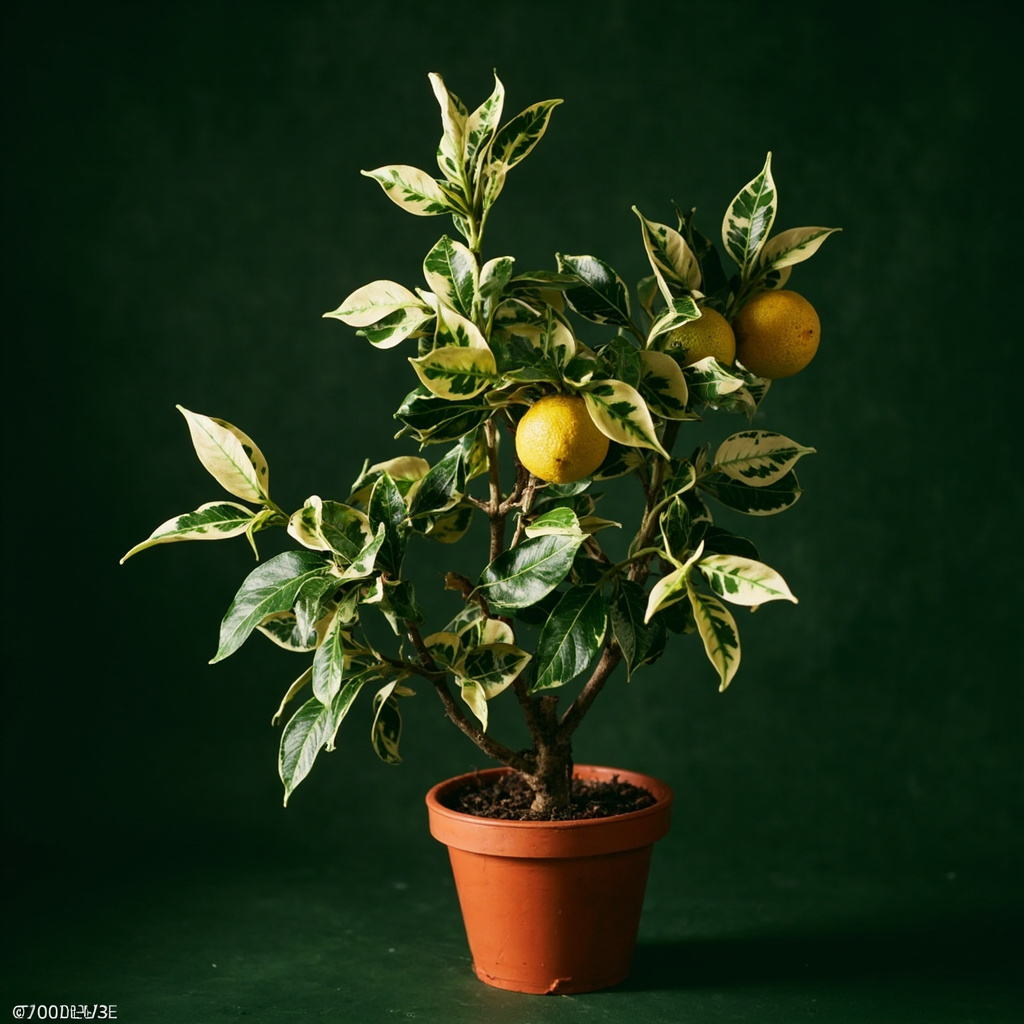
Indoor Citrus Yellow Leaves — The Three Most Common Causes. Yellow leaves on an indoor citrus tree are a symptom, not a disease. Three causes — light deficiency, overwatering, and nutrient imbalance — account for more than 90% of cases. The fix for each is different, and applying the wrong one (fertilizing an overwatered tree, for example) accelerates the decline. This checklist helps you identify the exact cause in your tree and apply the right fix without guesswork.
Work through the three checks below in order. Each one leads to a specific action — and most causes are reversible if caught before the yellowing reaches the upper canopy.
Light Deficiency: Uniform Yellowing, Lower Canopy First
If the oldest, lowest leaves on your tree are turning uniform pale yellow-green while the upper leaves stay deep green, light insufficiency is the cause. Chlorophyll degrades without sufficient photosynthetically active radiation (PAR) above roughly 600 μmol of direct exposure — and most windows in winter deliver 200–400 μmol at the leaf level. The tree sheds its oldest leaves first because those are the least efficient photon collectors by position.
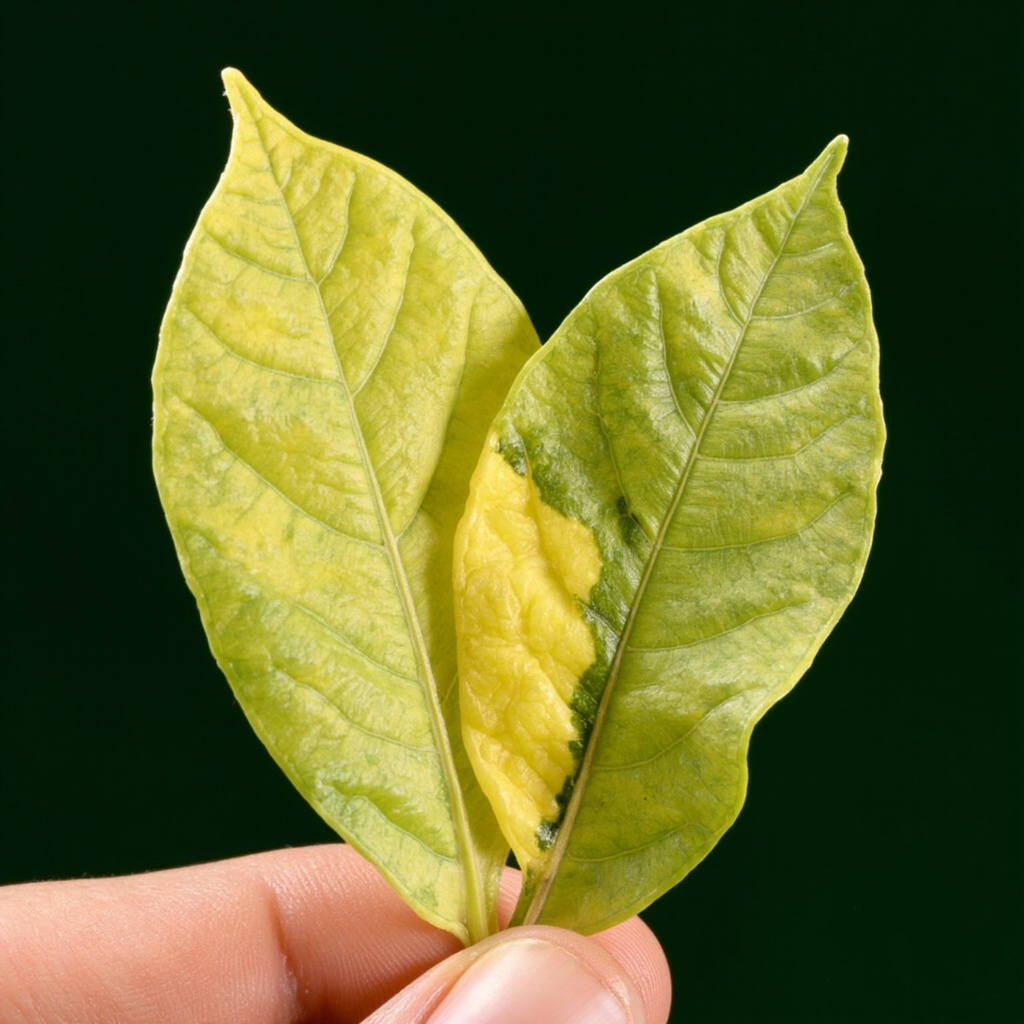
The fix: move the tree to a south-facing window or add a full-spectrum grow light for 4 supplemental hours per day, hung 12 inches (30 cm) above the canopy. Expect to see new green growth within 3–4 weeks; the yellowed lower leaves will not recover — they fall naturally as new growth expands above them. A calamondin orange needs roughly half the light of a Meyer; if you moved your Meyer to where your calamondin was happy, the lower-canopy yellowing is almost certainly light-gated.
Overwatering: Yellowing With Damp Roots and No Fragrance
The quickest field test: stick your finger into the soil. If it feels wet below the second knuckle and you watered within the last 7 days, you are likely overwatering. In anaerobic soil, fine feeder roots suffocate within 7–10 days and turn from white-and-crisp to brown-and-mushy. When roots die back, the tree drops leaves from the bottom up — often with a uniform yellow color that looks exactly like light deficiency but comes on faster, sometimes over 2–3 weeks.
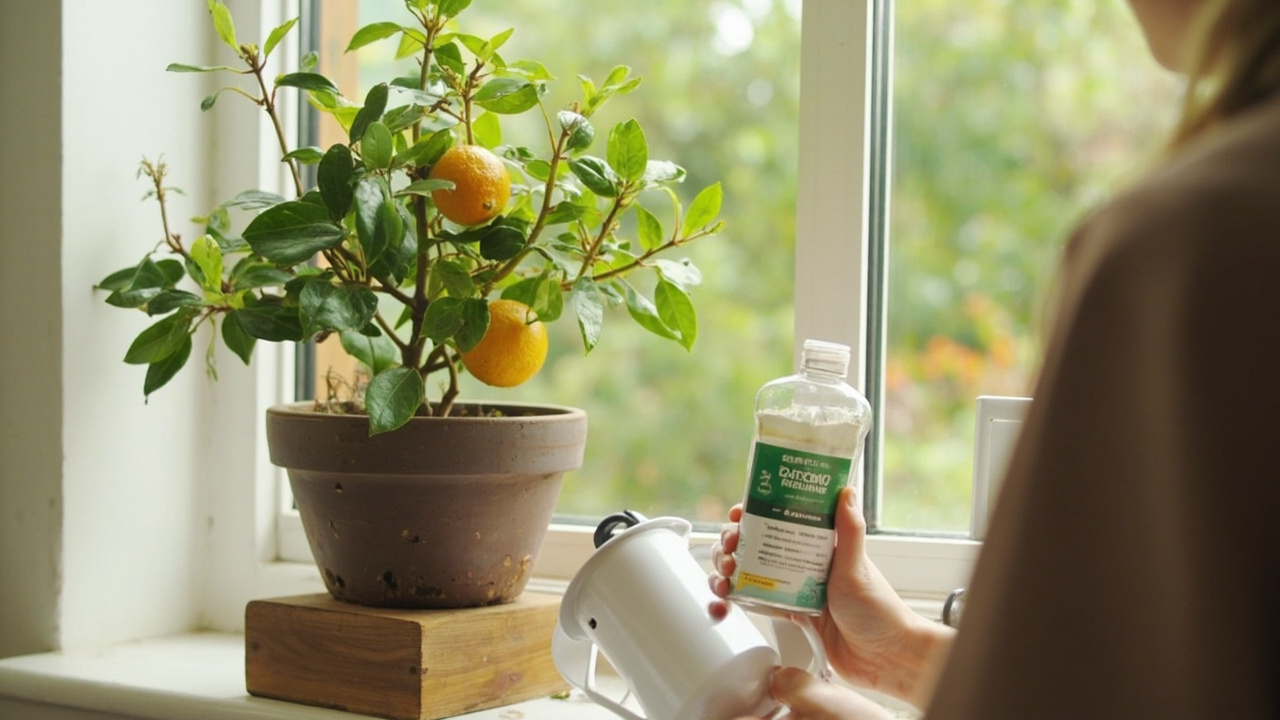
The fix: unpot the tree. Wash the root ball gently under tuing water away all the old mix. Inspect the roots. Trim away any that are dark-brown, black, or mushy with clean bypass pruners — cut back to white or cream tissue. Discard the old potting mix (it contains anaerobic pathogens). Repot in fresh 1:1:1 bark-perlite-potting mix. Do not water for 5 days after repotting to let root cuts callus over. Then resume watering only when the top 2 inches (5 cm) are dry.
The same overwatering protocol applies to Meyer lemons. The key is catching it before the crown (trunk base) turns soft — once that happens, the tree is in terminal decline.
Nutrient Deficiency: Four Deficiencies, Four Fixes
When leaves yellow on a tree with adequate light and correct watering, look at where the yellowing occurs and what pattern it follows. The location points to the mineral.
Nitrogen deficiency: oldest leaves turn uniform pale yellow, progressing upward. The fix is a single 15-15-15 fertilizer application at half label strength. Response shows as darker green new growth within 10–14 days.
Magnesium deficiency: interveiling chlorosis — green veins, yellow tissue between them — on older leaves. Fix with a chelated magnesium foliar spray (1 tablespoon Epsom salts per gallon of water (3.8 L), spray every 3 days for 2 weeks). Response is visible within 7 days.
Iron deficiency: interveiling chlorosis on new growth first, not old. This usually means your soil pH has drifted above 6.5, locking out iron. Fix with a chelated iron drench and lower soil pH to 5.5–6.0 using a sulfur-based soil acidifier. Response takes 2–4 weeks.
Zinc deficiency: small, narrow leaves with a rosette pattern (multiple leaves emerging from one node) on new growth, plus interveiling mottling. Fix with a zinc sulfate foliar spray and a citrus micronutrient drench. Kumquats yellow with the same pattern — the micronutrient requirement is shared across all indoor citrus.
Indoor Citrus Leaf Drop: When Yellow Means Too Late to Wait
If yellow leaves are dropping from the tree faster than you can count them — more than 30% canopy loss in a week — you are past nutrient or water stress and into root rot or acute temperature shock. Root rot moves fast: once the crown feels soft or the trunk base darkens when scratched with a fingernail, the vascular tissue is compromised and the tree cannot move water or nutrients to the canopy.
The recovery protocol unpot, rinse, trim, repot — the same as overwatering surgery above. The difference is timing: a tree with 50% canopy loss after root rot has roughly 30–50% survival odds if the crown is still firm. Leaf drop following root rot stops naturally once the root system stabilizes. New growth emerges between week 6–10 if the tree survives — no new growth by week 12 means the root system was too far gone for recovery.
Turn That PDF Into a Spreadsheet in Minutes
You've seen how to do it manually — now let the tool handle the heavy lifting. Upload your bank statement and get Excel, CSV, or QBO in a few clicks.