
An alocasia is one of the most visually striking houseplants you can grow, but it also has a reputation for drama. The leaves collapse at the slightest dryness. Yellowing shows up the moment humidity dips. And somewhere between October and March, the plant drops every leaf and panics you into the trash. None of that is what the plant actually needs from you, and none of it is hard to manage once you understand how alocasias grow in the wild. This guide walks through the full care picture: light, water, humidity, soil, fertilizer, dormancy, and the problems that show up most often, so the next leaf your alocasia puts out is bigger and bolder than the last.
What an alocasia actually is (and why it acts like a diva)
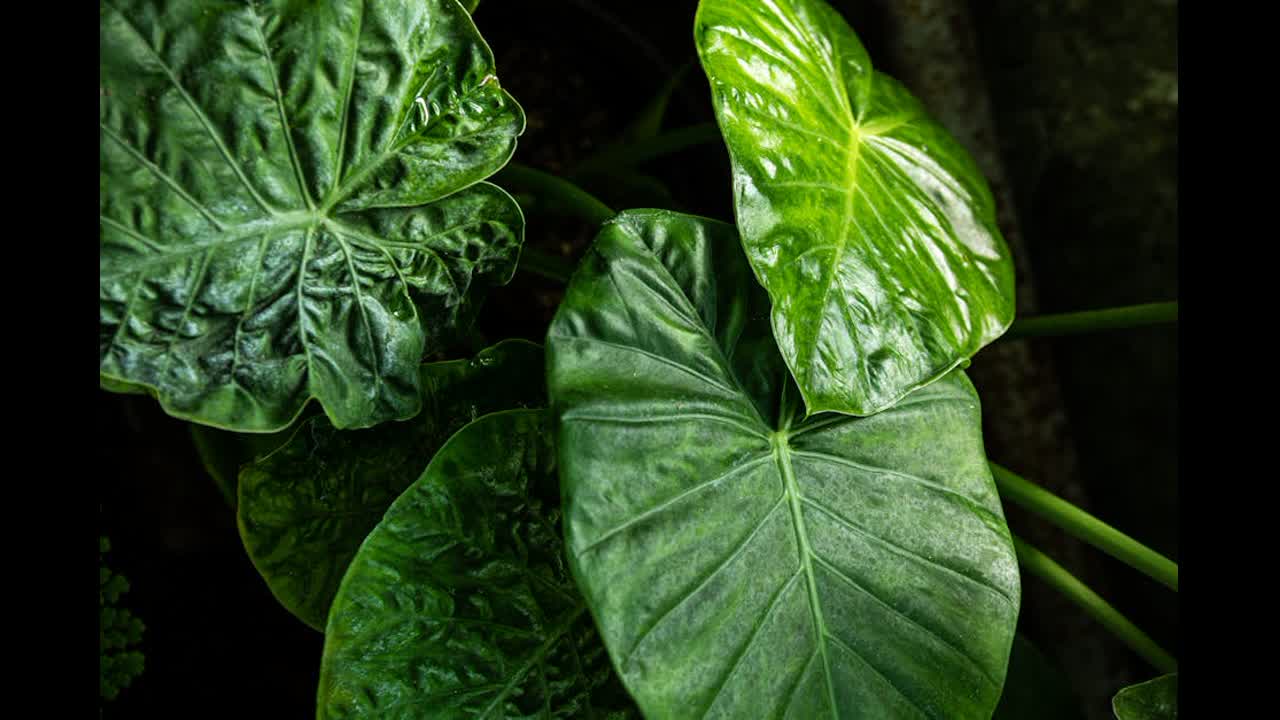
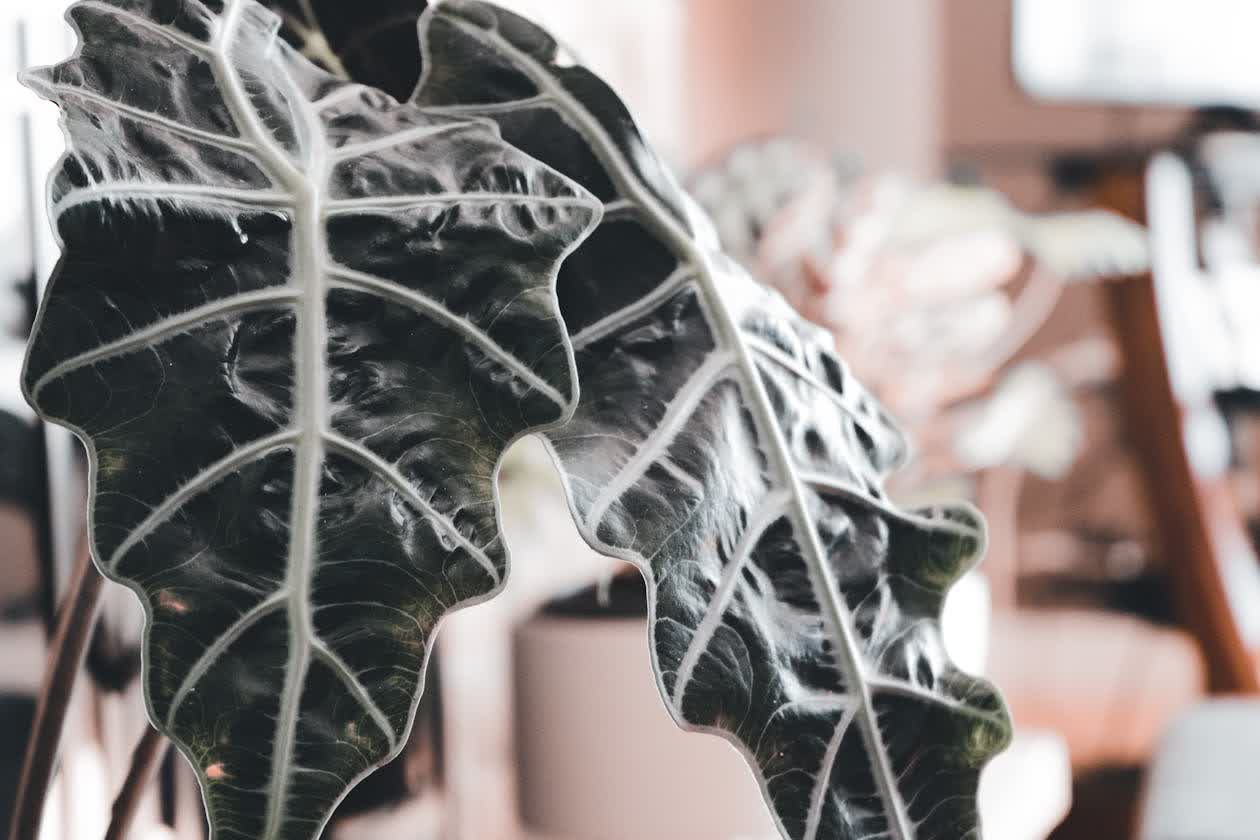
Alocasia is a genus of around 90 species in the aroid family, mostly native to the tropical forests of Southeast Asia, from Borneo and the Philippines across to eastern Australia. The two species you see most in garden centers are Alocasia amazonica (the hybrid you will see labeled Polly or African Mask) and Alocasia zebrina (sold for its striking striped petioles). Most of the larger specimens and the supermarket-staple “elephant ear” types descend from Alocasia macrorrhizos.
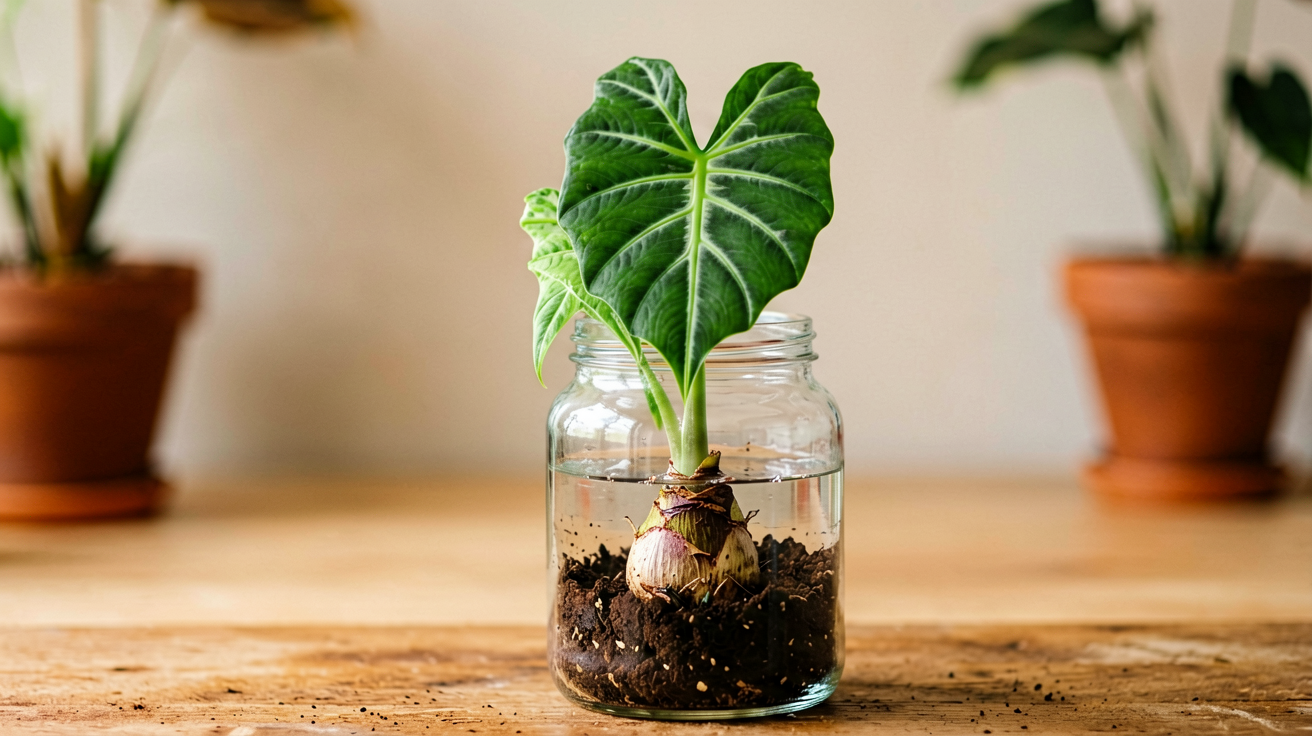
What unites them, and what makes them tricky indoors, is that they evolved as understory plants in seasonal monsoon forests. They push out big leaves in the wet season, photosynthesize hard through the humid months, then go dormant when the rains stop and the forest floor dries out. Indoors, that dormancy is triggered by shorter days, lower humidity, and cooler nights, which is exactly the winter pattern in most homes. When a leaf droops in November, it is not broken. It is old. The plant is moving energy back into the corm to wait for spring.
Once you read an alocasia as a seasonal plant rather than a year-round leafy houseplant, most of its “drama” becomes predictable. The goal of care is to keep the plant natural cycle going: lush growth in summer, a quiet rest in winter, and a strong return when days lengthen again.
Light: bright but never direct afternoon sun
Alocasias want a lot of light, but filtered light. In their native range they sit below the canopy, so the sun reaches them only as dappled brightness through leaves. Direct afternoon sun, especially through a south or west window, scorches the leaf surface and bleaches the variegation on cultivars like Polly.
An east-facing window is usually the sweet spot: a few hours of direct morning sun, then bright indirect light for the rest of the day. A north window works in summer but tends to be too dim in winter unless you add a grow light. In a south or west room, set the plant 3 to 6 feet back from the window, or use a sheer curtain to break the light.
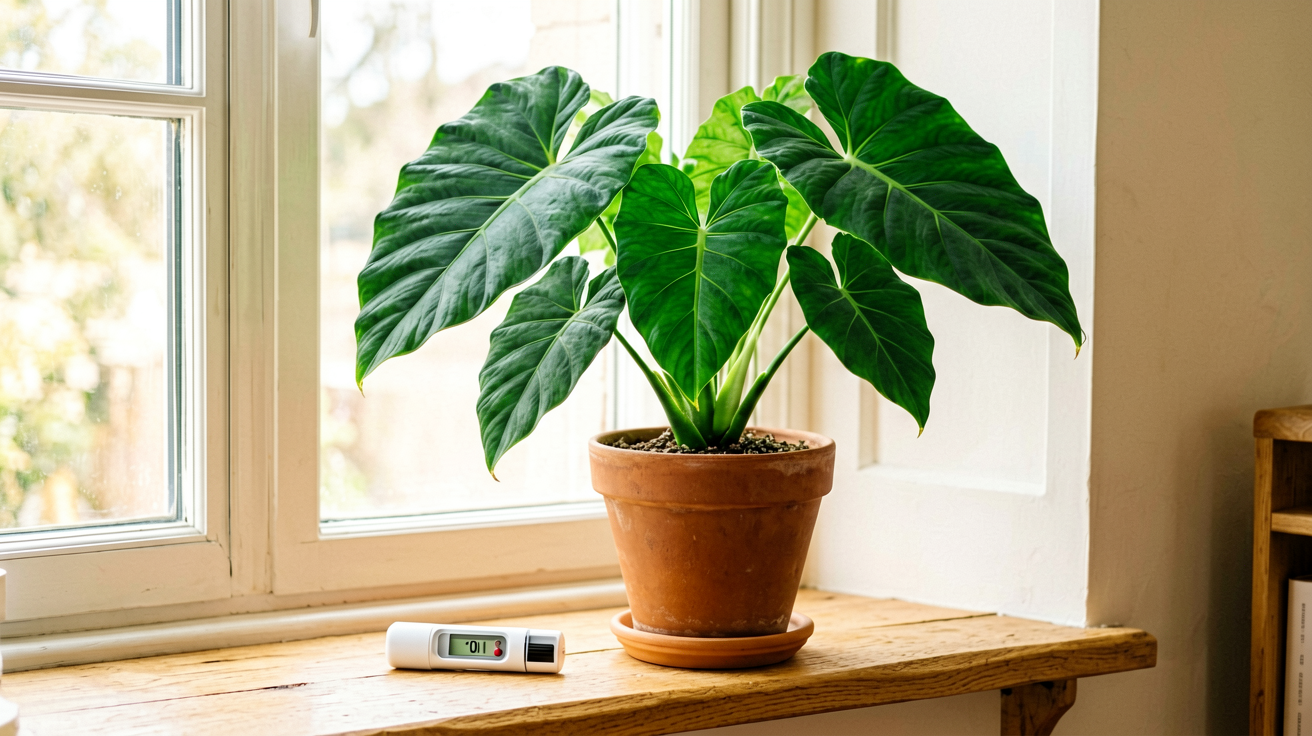
Bright indirect light is not a vague aesthetic. It corresponds to roughly 200 to 400 foot-candles at the leaf, or about 10 to 20 percent of full outdoor sun. A cheap light meter app on a phone can read this in a few seconds. If your reading comes back under 100 foot-candles, the plant will survive but will not push new leaves, so expect slow growth and small foliage.
When you are ready to balance the position with watering frequency, the cluster guide on alocasia light requirements covers the lux numbers and grow-light setup in more depth.
Water: the most common way alocasia owners kill their plants
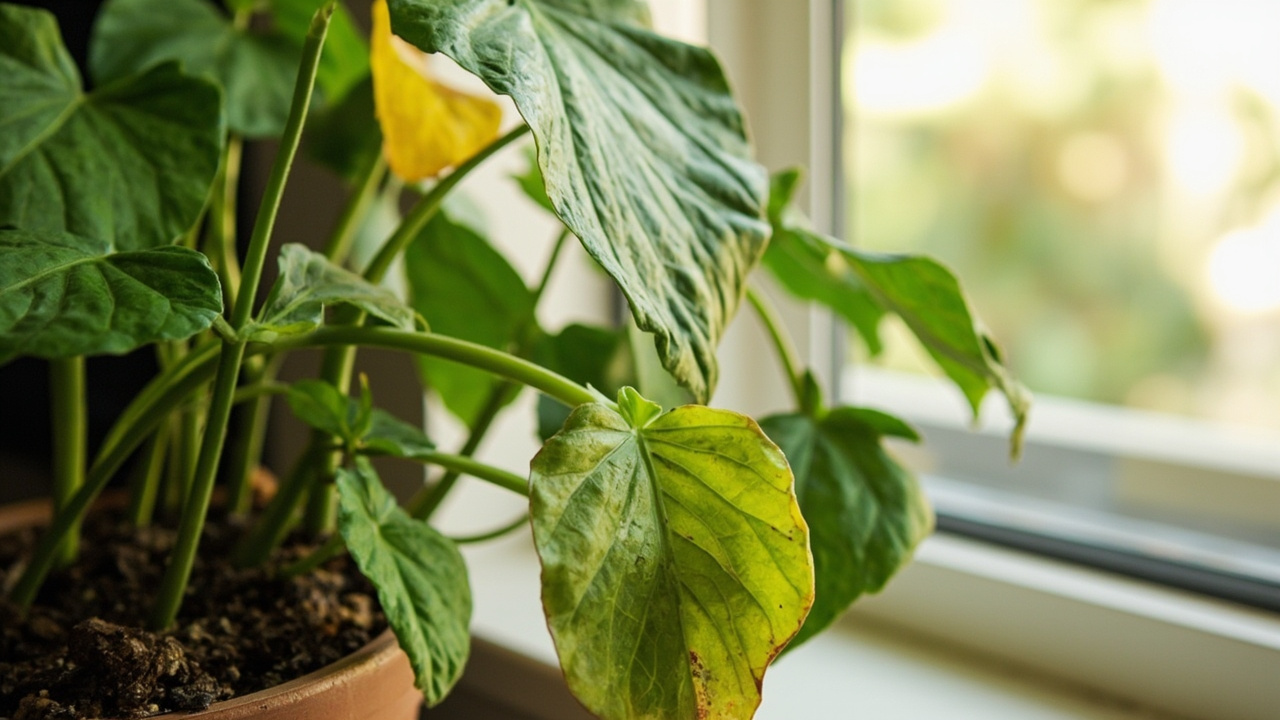
More alocasias die from overwatering than from any other cause, and the symptom looks exactly like underwatering. The leaves go soft, the petioles droop, and the natural response is to water more, which finishes the job. The plant was not thirsty. Its roots were suffocating in soil that stayed wet too long.
The reliable rule is to let the top 2 inches of soil dry out between waterings, then water thoroughly until it drains from the bottom. In a porous mix in a terracotta pot, that is usually every 7 to 10 days in the growing season. In dense potting soil in a plastic pot, it stretches to 14 days or more.
Two practical shortcuts:
- Stick a wooden chopstick or a moisture meter 2 inches down. If it comes out clean and dry, water. If it comes out with damp soil clinging, wait.
- Pick up the pot right after watering and again a few days later. A dry alocasia pot feels noticeably lighter than a wet one. Calibrate yourself once and the weight check takes two seconds.
When in doubt, wait one more day. Alocasias store water in their corms and rhizomes, so a brief dry period is harmless. Sitting wet for a week is not. For a deeper dive, the cluster page on alocasia watering breaks down the seasonal cadence.
Humidity and temperature: tropical but adaptable
Alocasias evolved in forests with humidity routinely above 70 percent. Most homes sit between 30 and 45 percent in winter, which is the gap that causes crispy leaf edges, spider mite outbreaks, and the dramatic leaf drop everyone warns you about.
The target indoors is 50 percent relative humidity or higher. A small humidifier running on a hygrometer switch is the most reliable way to get there. Grouping alocasias with other tropical plants raises the local humidity a few points but rarely enough on its own. Misting does almost nothing because the humidity spike fades in minutes and wet leaves can invite fungal spots.
Temperature-wise, the comfortable range is 18 to 27 degrees Celsius (65 to 80 degrees Fahrenheit). Below 13 degrees C (55 degrees F), growth slows dramatically and the plant starts preparing for dormancy. Below 10 degrees C (50 degrees F), foliage damage is likely. Keep alocasias away from cold drafts, frosty windows, and AC vents blowing directly onto the leaves.
If your home runs dry in winter, the page on alocasia humidity requirements has a cheap setup that holds 55 percent reliably through the dry months.
Soil and repotting: fast-draining mix in a tight pot
Alocasias want a mix that holds a little moisture but drains fast enough that the corm never sits in soggy soil. A reliable starting recipe is roughly:
- 40 percent standard indoor potting mix (peat or coco coir based)
- 30 percent perlite or pumice
- 20 percent orchid bark (small grade)
- 10 percent worm castings or compost (for slow-release organic matter)
That mix holds enough water to keep the corm hydrated between drinks but lets excess run out the drainage hole within a few seconds. Terracotta pots help because the porous walls wick moisture out of the soil and protect against overwatering. Plastic pots are fine, just water more carefully and never let the plant sit in a saucer of standing water.
Alocasias prefer being slightly root-bound. Repot only when roots are visibly circling the bottom or pushing out of the drainage hole, which is usually every 2 to 3 years. Go up only one pot size (about 2 inches larger in diameter). A pot that is too large holds more soil than the roots can drink, which keeps the mix wet and brings back the overwatering cycle.
Repot in spring as the plant comes out of dormancy, water in with a dilute fertilizer solution, and avoid fertilizing again for 4 to 6 weeks while fresh roots establish. See alocasia soil requirements for ingredient swaps if you do not have orchid bark on hand.
Fertilizing: feed the leaves, not the soil
Alocasias are moderate feeders. A balanced liquid fertilizer at half strength every 2 to 4 weeks during the growing season (spring through early fall) is plenty. A typical 10-10-10 or 20-20-20 formulation works, diluted to about 1/4 teaspoon per gallon.
Skip fertilizing entirely from late fall through early spring. The plant is either dormant or growing slowly, and unused fertilizer salts accumulate in the pot, which is one of the hidden causes of brown leaf tips and crispy edges that look identical to low-humidity damage. Flushing the pot with plain water once a month during the growing season helps wash salts out of the root zone.
If leaves are coming out smaller than the previous set, pale, or stretched, the plant is either asking for more light or more food. Address light first because fertilizing a light-starved alocasia just produces weak, leggy growth.
Dormancy: the part nobody warns you about
Most first-time alocasia owners panic when their plant drops every leaf in November. The corm is still alive under the soil; the plant has just shed foliage it cannot sustain in low light and dry indoor air. The right response is to stop watering frequently, move the pot to a slightly cooler spot if possible, and stop fertilizing. Keep the soil just barely moist, around a tablespoon of water every 2 to 3 weeks is enough.
When days lengthen in late winter, new growth appears from the corm. Resume normal watering and start the fertilizer schedule again. The first new leaf is usually smaller than the ones the plant dropped, which is normal. Each subsequent leaf should get bigger as the corm replenishes its energy reserves.
If you want to skip dormancy entirely, add a grow light on a 12 to 14 hour timer through winter. The plant will keep most of its leaves and continue slow growth. Many collectors choose this for the showy cultivars they do not want to see defoliated.
Common problems and quick fixes
Crispy brown leaf edges usually mean low humidity combined with minerals in tap water. Switch to filtered or rainwater and run a humidifier near the plant. Yellowing lower leaves with soft stems point to overwatering or, in severe cases, root rot. Unpot the plant, cut away any black mushy roots with a sterile knife, and repot in dry mix. Yellowing with webbing on the underside signals spider mites, so wipe leaves with a 50/50 water and isopropyl alcohol mix and treat weekly until clear.
Drooping leaves that perk back up after watering are normal. Drooping leaves that do not perk up are usually cold damage, severe underwatering, or a corm that has rotted out. Check the soil moisture and the corm firmness (gently squeeze the soil around the base) before adjusting your watering schedule. For a full diagnostic chart, see the cluster page on alocasia problems.
Alocasia sap contains calcium oxalate crystals and is mildly toxic to cats, dogs, and humans if ingested. The bitter taste usually stops pets quickly, but if your cat is a determined chewer, place the plant out of reach or skip alocasias entirely.
Alocasias reward a little patience with genuinely dramatic foliage. Match the light, mind the watering, give them humidity in winter, and let them rest when they ask to. The plant will tell you what it needs once you know what to watch for.
Turn That PDF Into a Spreadsheet in Minutes
You've seen how to do it manually — now let the tool handle the heavy lifting. Upload your bank statement and get Excel, CSV, or QBO in a few clicks.
Try It Free