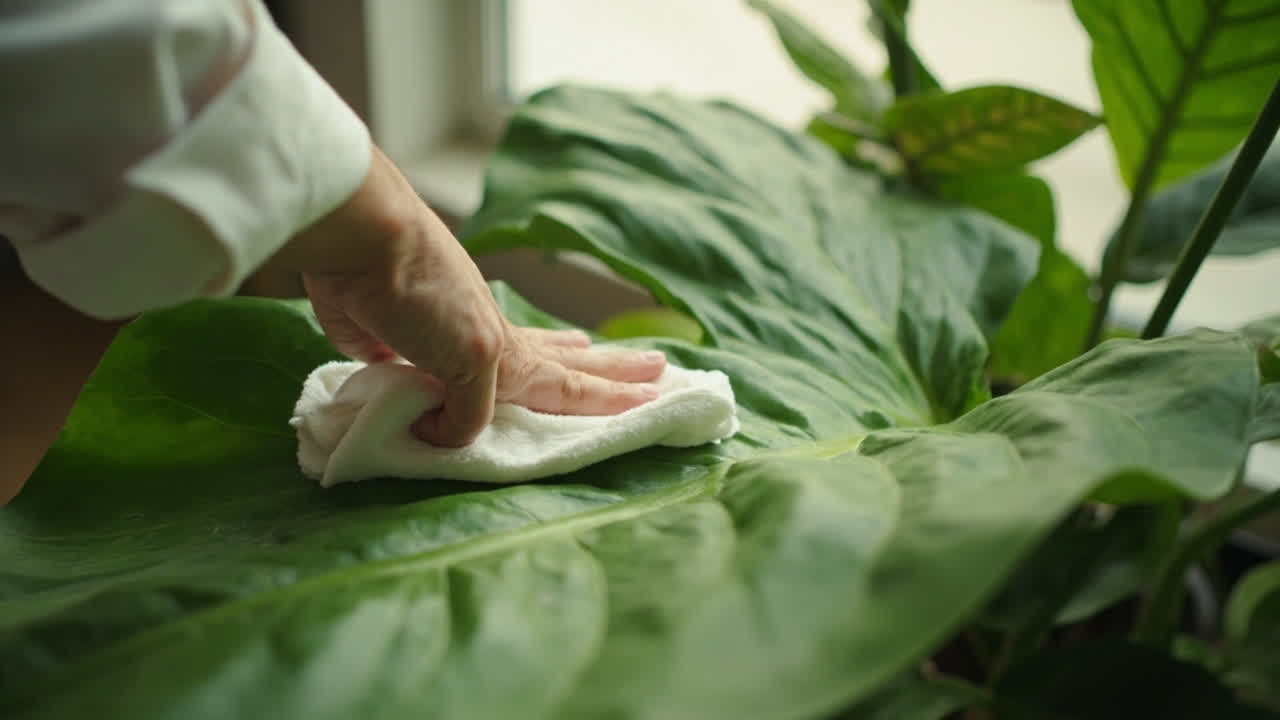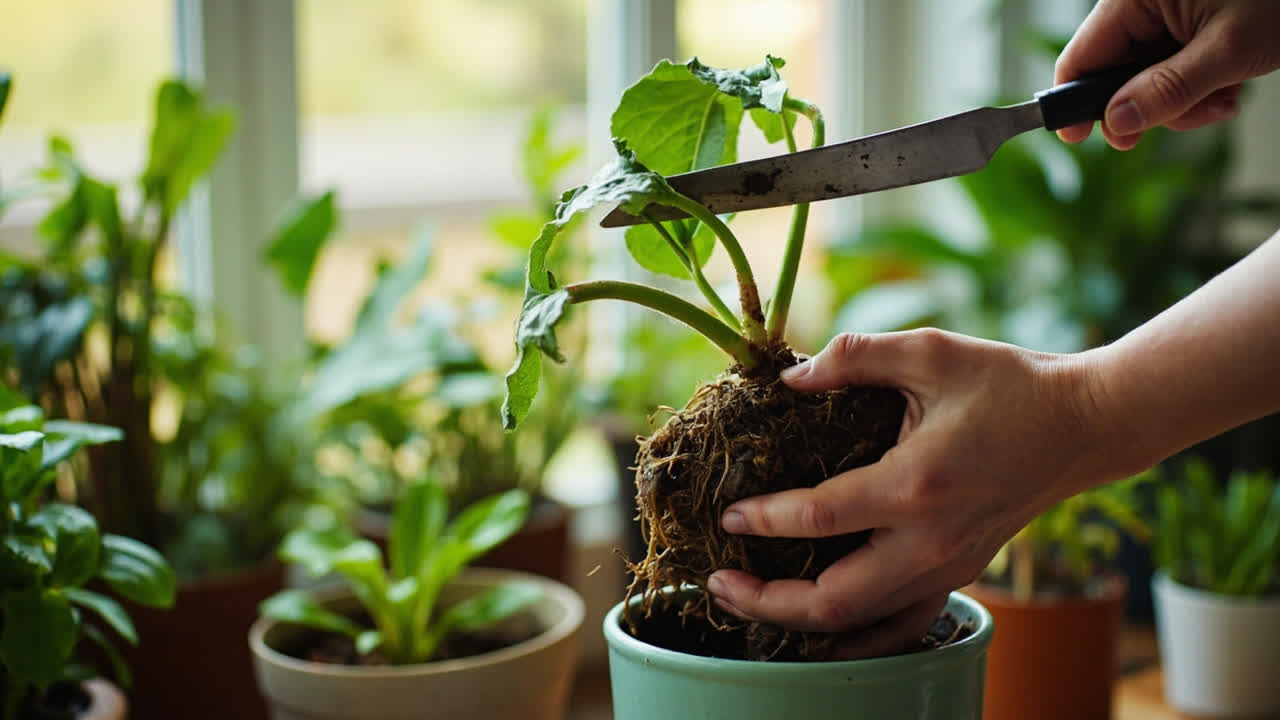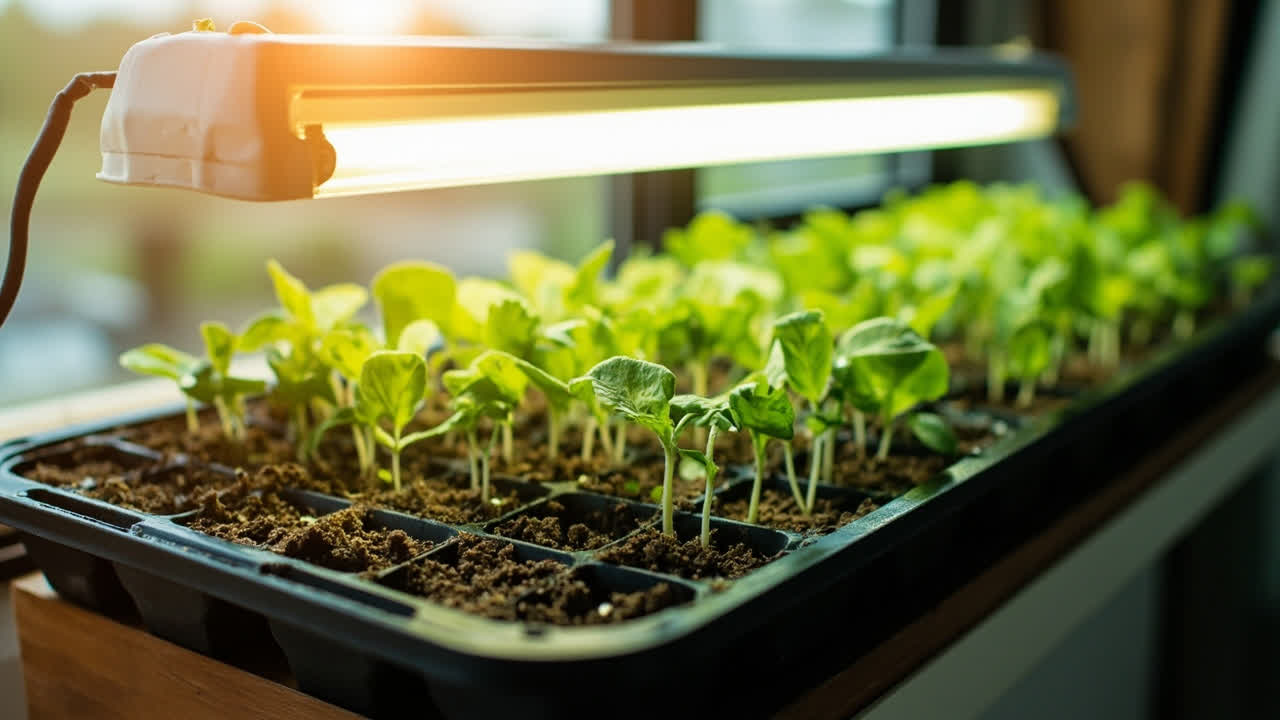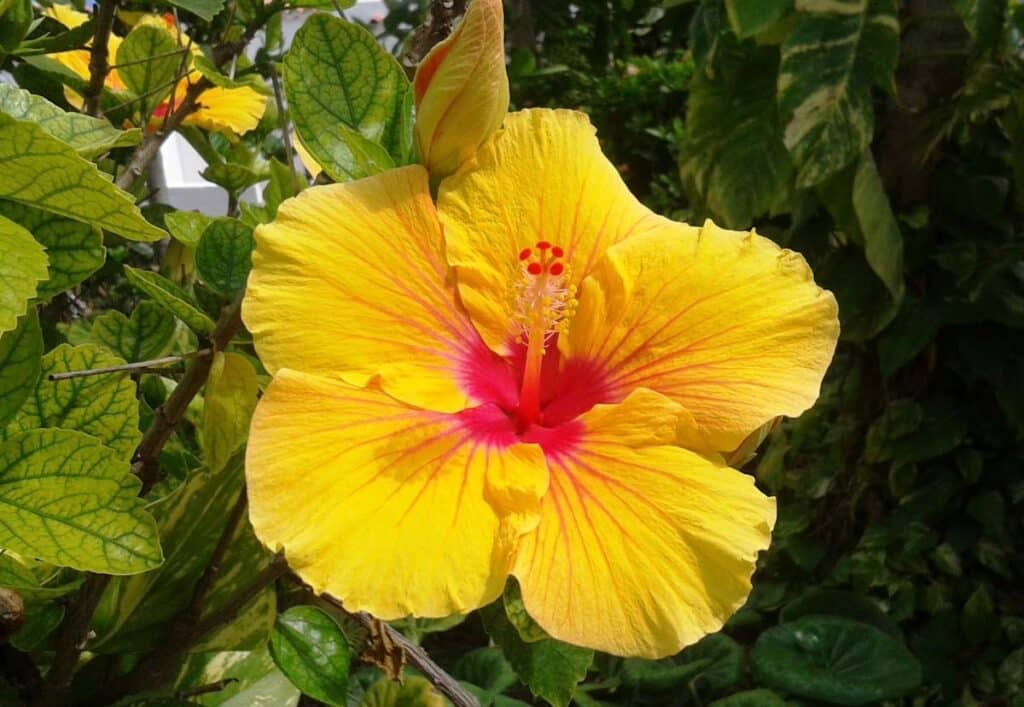

Hey there, plant lovers! Let’s dive into the common problems with hibiscus plants face and how to tackle them head-on. These stunning plants, whether they’re hibiscus trees, hardy hibiscus, tropical hibiscus, or Chinese hibiscus, can bring a touch of tropical paradise to any garden.
If you’re a fan of vibrant and beautiful flowers, you’ve probably come across hibiscus plants. These vibrant beauties can bring a burst of color to any garden, but like any plant, they can sometimes face a few challenges.
Don’t worry, though – I’ve got your back with some expert advice to get your hibiscus back on track!
Look: How To Save A Dying Hibiscus Plant
Common Problems with Hibiscus Plants: Quick Guide
Today, we’re diving into some common hibiscus plant problems and how to fix ’em. These colorful darlings can bring a pop of pizzazz to any garden, but sometimes they hit a few road bumps.
Fear not, my friends! I’ve got your back with some expert advice to get those hibiscus back in their bloomin’ glory!
- Yellowing Leaves: Ah, the dreaded yellowing leaves. It’s like your hibiscus is trying to tell you something, but what? Well, most likely, it’s a case of overwatering. These babies like their soil moist, but not swimming. So, give ’em a good soak and let that excess water drain away. If the problem persists, it might be a nutrient deficiency. Time to bring in the big guns – a slow-release fertilizer made just for hibiscus. Feed those babies and watch ’em thrive!
- Pest Infestation: Ugh, pests. They’re like the annoying neighbors of the plant world. Aphids, mealybugs, and whiteflies can’t resist the deliciousness of hibiscus leaves. But fear not, my friends! We have weapons against these critters – insecticidal soap and neem oil. These natural warriors will kick those pests to the curb without harming your precious plants or the environment. Follow the instructions on the bottle and keep those invaders at bay.
- Flower Drop: Oh no, the flower drop dilemma! It’s like your hibiscus is playing a cruel game of “now you see it, now you don’t” with its blooms. This could be due to temperature swings, lack of sunlight, or wonky watering. Hibiscus are sun worshippers, so give ’em at least six hours of sunshine a day. Keep the watering consistent, not too much and not too little. If you suspect temperature changes are the culprit, relocate your hibiscus to a more stable spot. They’ll thank you with fabulous blooms!
- Leaf Spot: Ah, leaf spot, the bane of hibiscus existence. Those pesky fungal diseases can turn your plant’s leaves into a spotted mess. To prevent this disaster, water your hibiscus at the base and avoid sprinkling from above. We don’t want a damp party for fungi to thrive in! If you spot (pun intended) leaf spot, remove those affected leaves and dispose of ’em pronto. You can also apply a fungicide specifically made for leaf spot to protect your precious plant.
What is Hibiscus?
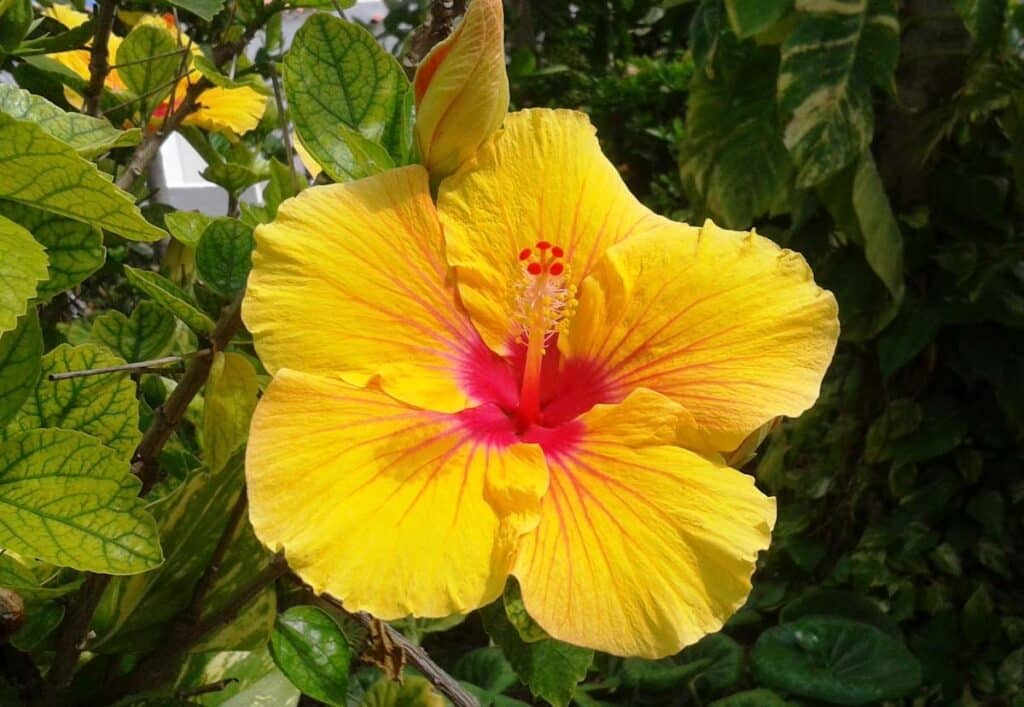
Let’s start with the basics. Hibiscus is a diverse genus of flowering plants that belong to the Malvaceae family. These plants are native to warm-temperate, subtropical, and tropical regions all over the world.
You’ll find different types of hibiscus plants, from small shrubs to towering hibiscus trees. What sets them apart is their show-stopping flowers that come in a variety of colors.
| Variety | Common Name | Characteristics |
|---|---|---|
| Hibiscus syriacus | Rose of Sharon | Hardy, deciduous shrub with showy flowers |
| Hibiscus rosa sinensis | Tropical hibiscus | Evergreen shrub with large, colorful flowers |
| Hibiscus moscheutos | Hardy hibiscus | Perennial with large flowers and sturdy stems |
Insect Infestations in Hibiscus Plants
Just like us, hibiscus plants have their fair share of unwanted visitors. The Japanese beetle, aphids, and spider mites are some of the most common insect pests that can wreak havoc on your hibiscus.
Japanese beetles are notorious for devouring hibiscus leaves and flower buds. Aphids, those tiny sap-suckers, multiply rapidly and can cause damage by feasting on your hibiscus plants. And let’s not forget about spider mites, those minuscule troublemakers that spin webs and suck the life out of your hibiscus leaves.
How to Spot an Infestation
To catch these sneaky pests in action, keep an eye out for damaged leaves, webs, or discoloration on your hibiscus plants. You might also notice the pests themselves or signs of leaf wilting.
Acting swiftly is key to prevent further damage to your beloved plants.
Taking Down the Invaders
When it comes to combating insect pests, you have options. Natural remedies like insecticidal soap or horticultural oil can suffocate and eliminate the pests without harming your plants.
If the infestation is severe, you may need to turn to chemical control methods like insecticides. Remember to follow the instructions on the product label and take precautions to protect beneficial insects.
Preventing Future Infestations
Stay one step ahead of those pesky pests by regularly inspecting and monitoring your hibiscus plants. Maintain good cultural practices, such as proper watering and pruning, to keep your plants healthy and less attractive to pests.
Consider planting companion plants like marigolds or garlic, which can help repel common hibiscus pests.
Disease Issues in Hibiscus Plants
Unfortunately, hibiscus plants can fall victim to various diseases. Wilt disease, root rot, leaf spot, and powdery mildew are some of the most common culprits.
Wilt disease is caused by a fungus that attacks the plant’s vascular system, leading to wilting and eventual death.
Root rot, another fungal disease, affects the roots and results in yellowing leaves and stunted growth.
Leaf spot manifests as dark spots on the leaves, while powdery mildew appears as a white powdery substance.
Spotting and Diagnosing Diseases
Keep an eye out for visual symptoms like wilting, discoloration, or spots on your hibiscus plants. In some cases, you may need to send a sample to a laboratory for testing and analysis to get a definitive diagnosis.
Acting promptly can prevent the hibiscus disease from spreading to other plants.
Fighting Back Against Diseases
To combat fungal diseases and fungicides, then antifungal treatments are your best allies. Pruning and removing infected plant parts can also help stop the spread of the disease.
Properly dispose of any infected plant material to avoid further contamination.
Prevention is Key
Prevention is always better than cure. Take good care of your hibiscus plants by providing them with the right conditions, regular watering, and proper fertilization.
Choose disease-resistant varieties to reduce the risk of infections.
Keep your gardening tools clean and remove fallen leaves to minimize the chances of fungal diseases taking hold.
Yellow Leaves on Hibiscus Plants
If you notice your hibiscus leaves turning yellow, several factors could be at play. Nutrient deficiencies, overwatering, and environmental factors can all contribute to this issue.
Lack of iron or nitrogen can cause yellowing leaves. Overwatering or poor drainage can lead to root rot, resulting in yellowed foliage.
Excessive sunlight or extreme temperatures can also cause leaf yellowing.
Bringing Back the Green
To revive those yellow leaves, adjust the soil pH and nutrient levels by applying the right fertilizers. Avoid overwatering by allowing the soil to dry out a bit between waterings.
Make sure your hibiscus gets the right amount of shade or sunlight, depending on its needs.
Prevention is Better Than Yellow Leaves
Prevent yellowing leaves by regularly testing your soil and fertilizing accordingly. Monitor your watering habits and ensure proper drainage to avoid overwatering and root rot.
Adjust the plant’s location to provide the ideal amount of sunlight for healthy foliage.
Dropping Buds and Flowers in Hibiscus Plants
It’s disheartening to see those beautiful buds and flowers dropping prematurely. Environmental stress, pest infestations, and disease infections can all be behind this issue.
Temperature fluctuations and excessive wind can stress the plant, causing buds and flowers to drop.
Pests like aphids or budworms can also damage the buds and flowers. Fungal diseases can infect them, leading to drop-off.
Saving Your Blooms
Create optimal growing conditions for your hibiscus plants by maintaining a stable temperature and protecting them from strong winds. Control pests using insecticides or natural remedies to prevent damage to buds and flowers.
Manage and treat fungal infections with the help of fungicides to keep your blooms intact.
Key Takeaways
- Choose the right hibiscus variety for your needs, such as hibiscus tree, hibiscus plant, or rose mallow.
- Provide optimal growing conditions, including sunlight, well-draining soil, and appropriate watering.
- Use a balanced fertilizer for hibiscus plants during the growing season.
- Monitor and control pests and diseases to keep your hibiscus plants healthy.
- Regular pruning and maintenance will help maintain the shape and health of your hibiscus plants.
Expert Actionable Tips:
- Select the appropriate hibiscus variety for your specific needs, such as hibiscus tree, hibiscus plant, or rose mallow. Popular options include hibiscus syriacus (also known as h syriacus or rose of Sharon), hibiscus rosa sinensis (tropical hibiscus), and hibiscus moscheutos (hardy hibiscus).
- Ensure your hibiscus plants receive plenty of sunlight, ideally 6-8 hours a day.
- Plant them in well-draining, moist soil to prevent waterlogged roots.
- Consider growing hibiscus indoors if you live in a colder climate or during the winter months.
- Water your hibiscus plants regularly, keeping the soil consistently moist but not waterlogged.
- During the growing season, apply a balanced fertilizer specifically formulated for hibiscus plants to promote healthy growth and vibrant blooms.
- Monitor your hibiscus plants for common pests like aphids, spider mites, and Japanese beetles. Use insecticidal soap or horticultural oil to control infestations.
- Keep an eye out for hibiscus diseases such as leaf spot, powdery mildew, or root rot. Use fungicides or other appropriate treatments to combat these issues.
- Regularly prune your hibiscus plants to maintain their shape and encourage new growth.
- Remove any yellow leaf or diseased parts of the plant promptly to prevent the spread of infections.
Most Common Hibiscus Diseases & Pests
Congratulations, green thumbs! You’re now equipped with the knowledge to tackle common problems with hibiscus plants.
By staying vigilant, monitoring your plants, and taking proactive measures, you can ensure that your hibiscus plants thrive and continue to dazzle with their vibrant blooms.
Remember, gardening is a journey, and it’s normal to encounter a few bumps along the way. But with the right information and a little bit of love, your hibiscus plants will reward you with their stunning beauty.
So, go forth and conquer those pesky pests, fight off diseases like a hibiscus superhero, and keep those leaves green and healthy.
Your hibiscus plants will thank you with a display of breathtaking hibiscus flower that will make your garden the envy of the neighborhood.
Happy gardening, my fellow plant enthusiasts! May your hibiscus plants flourish and bring joy and beauty to your outdoor oasis.
FAQ: Common Problems with Hibiscus Plants
Q: What are the signs of overwatering hibiscus?
A: Overwatering hibiscus can lead to yellow leaves, wilting, and root rot. If you notice the soil is constantly damp or the hibiscus leaves are turning yellow, it’s a sign of overwatering. Adjust your watering schedule accordingly.
Q: How do you treat a stressed hibiscus?
A: To treat a stressed hibiscus, first identify the cause of stress. It could be due to improper watering, lack of sunlight, or pests. Adjust the watering schedule, ensure adequate sunlight, and use appropriate pest control measures. Pruning can also help rejuvenate a stressed hibiscus.
Q: What is the fungal disease in hibiscus?
A: One common fungal disease in hibiscus is powdery mildew. It appears as a white, powdery substance on the leaves, stems, and flowers. To treat powdery mildew, use a fungicide specifically formulated for hibiscus plants and improve air circulation around the plant.
Q: What are the signs of root rot in hibiscus?
A: Signs of root rot in hibiscus include yellowing and wilting leaves, stunted growth, and a foul smell from the soil. To confirm root rot, gently remove the entire plant from its pot and examine the roots. Healthy roots are white, while rotted roots are brown and mushy.
Q: How do you fertilize hibiscus?
A: Fertilize hibiscus plants with a balanced fertilizer formulated for flowering plants. Apply the fertilizer according to the package instructions, usually every 4-6 weeks during the growing season. Avoid over-fertilizing, as it can lead to salt buildup and damage the hibiscus.
Q: Can I grow hibiscus in pots?
A: Yes, hibiscus can be grown in pots, making them suitable for both indoor and outdoor gardening. Choose a large enough pot with drainage holes and use well-draining potting soil. Ensure the potted hibiscus receives adequate sunlight and regular watering.
Q: What is hibiscus moscheutos?
A: Hibiscus moscheutos, also known as hardy hibiscus, is a perennial flowering plant with large flowers and sturdy stems. It is known for its resilience and ability to withstand colder temperatures. This tropical plant adds a vibrant touch to gardens and landscapes.
Q: How do I care for my hibiscus leaf?
A: To care for hibiscus leaves, ensure they receive adequate sunlight and are not overcrowded. Monitor for pests, such as aphids or spider mites, and treat them promptly. Remove any yellow leaves or diseased parts of the plant to maintain overall plant health.
Turn That PDF Into a Spreadsheet in Minutes
You've seen how to do it manually — now let the tool handle the heavy lifting. Upload your bank statement and get Excel, CSV, or QBO in a few clicks.
Try It Free