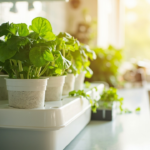
Stem cuttings root faster than division and produce flavorful plants sooner, but the real secret to oregano that tastes like oregano is harvesting at exactly the right moment — when flower buds have formed but haven’t opened yet. Carvacrol concentration peaks in this 3-to-5-day window because the plant is diverting all its energy into reproduction, packing the leaves with the defensive compounds that happen to make your pasta sauce taste incredible. Miss the window by two weeks and you’ve lost 40% of the flavor.
The mechanism is straightforward: volatile oil production ramps up as the plant transitions from vegetative growth to flowering. Penn State Extension research shows that oregano harvested at the tight-bud stage contains 35–50% more essential oil than leaves harvested two weeks earlier or later. The RHS recommends harvesting “just before the flowers open” — this isn’t folklore, it’s measurable chemistry. The buds themselves are also the most flavorful part of the plant.
The framework is simple: harvest in mid-morning after dew has dried but before midday heat volatilizes the oils. Cut stems 4–6 inches long from the top third of the plant, always above a leaf node. Never remove more than one-third of the plant at once. And if you miss the bud window, cut the plant back hard anyway — it will flush new growth and give you a second, smaller harvest in late summer.
When to Harvest Oregano — The Flavor Window
The single most important factor in oregano flavor isn’t variety, soil, or sun — it’s harvest timing. Oregano’s volatile oil concentration follows a predictable curve through the growing season: low in early spring, rising through late spring, peaking when flower buds form but before they open, then declining rapidly once flowers bloom. That peak window lasts roughly 3–5 days, and catching it makes the difference between oregano that seasons food and oregano that just adds green.
Time of day matters too. Harvest in mid-morning (9–11 AM) after dew has dried but before the afternoon heat drives off volatile oils. UC Davis postharvest studies on Mediterranean herbs show that mid-morning harvests retain 15–20% more essential oil than afternoon harvests. Morning-cut stems also dry faster because surface moisture is lower.
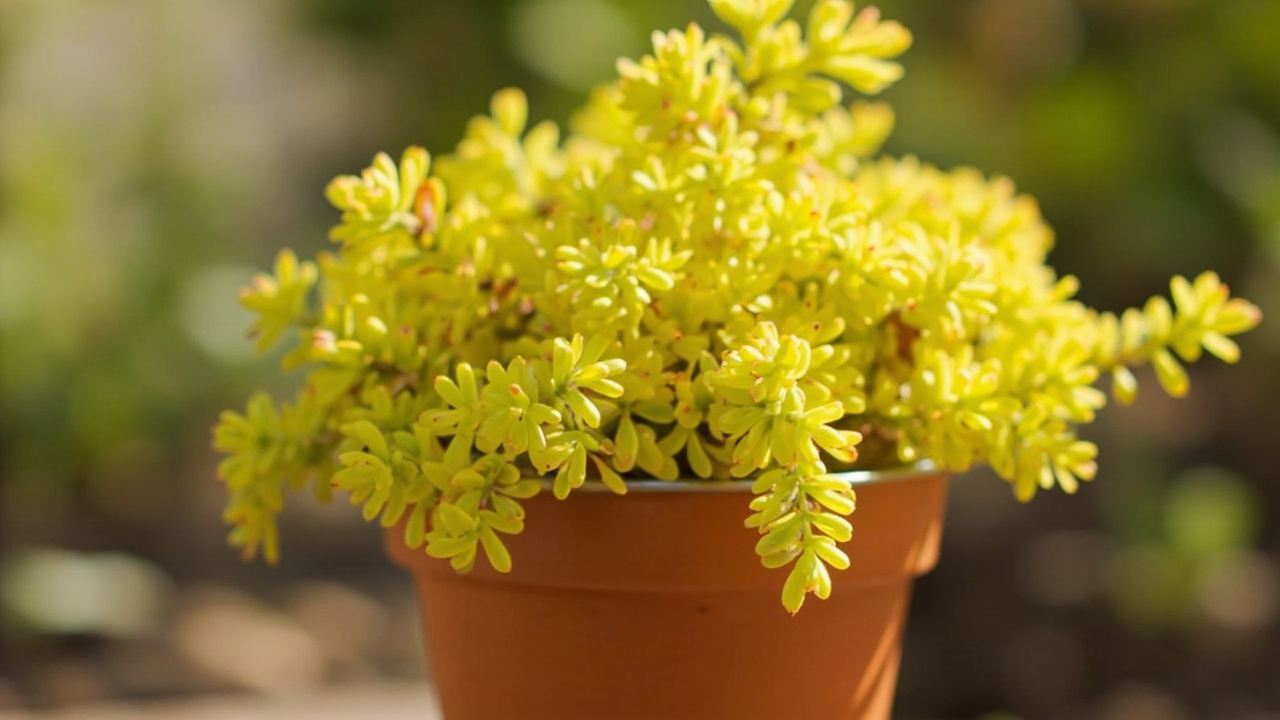
The main harvest window for most zones is late May through early July, depending on variety and latitude. Greek oregano typically buds first (late spring), followed by Italian and golden oregano (early summer). You can take light cuttings year-round once the plant is established, but the big harvest — the one you dry for winter — should target the bud stage. A second flush of growth in late August gives a smaller but still worthwhile harvest before dormancy.
Post-flower harvest isn’t worthless, but it’s a compromise. Once oregano flowers, the plant redirects energy from leaf oil production to seed development. The leaves don’t become bitter — they just become less potent. If you miss the bud window, harvest anyway (you’ll still get usable oregano) and set a calendar reminder for next year. For variety-specific timing differences, see the oregano varieties guide.
How to Harvest Without Killing the Plant
The one-third rule is the foundation of sustainable oregano harvesting: never remove more than 33% of the plant’s total growth in a single cutting. Oregano needs its leaves to photosynthesize and recover; taking more than a third shocks the plant, slows regrowth, and can kill stems that don’t have enough leaf area to push new growth. For a mature plant, that means cutting stems back by about one-third of their length.
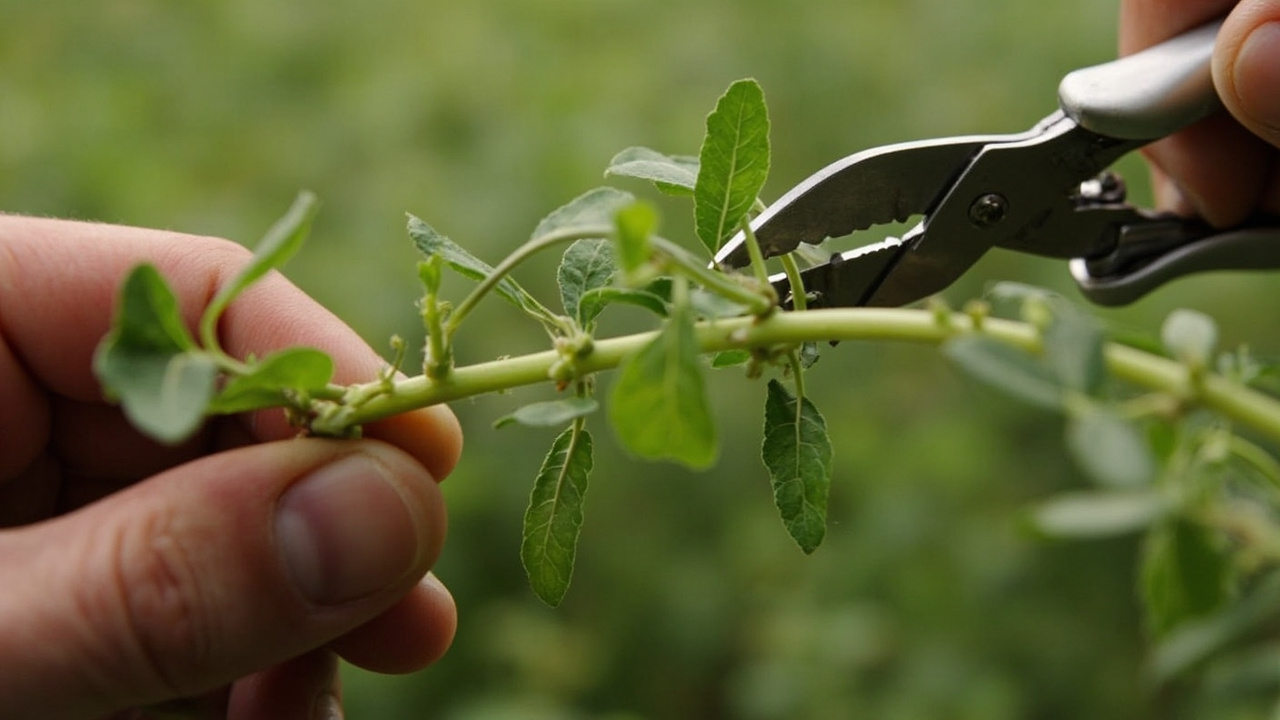
Where you cut determines where new growth emerges. Always cut about ¼ inch above a leaf node (the point where leaves attach to the stem) at a 45-degree angle. Two new stems will emerge from the node below your cut, which is why regular harvesting makes oregano bushier over time. Cutting in the middle of an internode (a bare stretch of stem) leaves a dead stub that won’t regrow — the plant has to push new growth from the nearest node instead, wasting energy.
Harvest from the top down, not the bottom up. The youngest, most flavorful leaves are at the growing tips. The oldest leaves near the base are often tough, sparse, and lower in volatile oil. Cut the top 4–6 inches of each stem, leaving at least two sets of leaves below the cut. This encourages lateral branching and creates the dense, bushy habit that produces the most harvestable material over the season.
Frequency beats intensity. Taking a small cutting every week produces more total harvest over a season than one massive monthly cut, because the plant is constantly being stimulated to produce new growth. Weekly harvesting also keeps the plant in a vegetative state longer, delaying flowering and extending the peak-flavor window. For the full growing protocol that supports this harvest intensity, see the oregano care complete guide.
Annual Pruning — Resetting Woody Oregano
Even well-maintained oregano becomes woody after 2–3 years as stems lignify (turn brown and rigid) and stop producing new leaves. The fix is a hard prune in early spring: cut the entire plant back to 4–6 inches above the soil line, removing all the old woody growth. Oregano is remarkably resilient — it regenerates from dormant buds at the base that you can’t see until the old growth is removed.
Woody stems are easy to identify: they’re brown, rigid, and snap rather than bend. Green stems are flexible and show active growth. Lignified stems will never produce new leaves — the plant’s meristematic tissue (growth cells) is only active in green, flexible tissue. This is why pruning back to green growth is essential; cutting woody stems shorter doesn’t help because there’s nothing there to regrow from.
The 80% rule determines whether pruning or propagation is the right call. If less than 80% of your oregano is woody, a hard prune will usually restore it. If more than 80% is woody, the plant is too far gone — take 4-inch stem cuttings from any remaining green growth and start fresh. Oregano roots in water within 7–10 days, and you’ll have a productive new plant in 6–8 weeks. For the full propagation protocol, see the oregano propagation guide.
After a hard prune, go easy on water for the first two weeks. The plant has minimal leaf area to transpire water, so the soil stays wet longer — overwatering at this stage causes root rot before new growth establishes. No fertilizer for the first month either; let the plant focus on root and shoot development before pushing it with nutrients. A light feeding at week 4 with diluted fish emulsion supports the new flush.
Timeline after hard prune: new shoots visible in 10–14 days, meaningful harvestable growth in 6–8 weeks, full production by mid-summer. The regrown plant will be bushier and more productive than the original because you’ve reset the woody-to-green ratio. Repeat this annual hard prune every spring to keep oregano productive for 4–5 years before it truly needs replacing.
Drying, Freezing, and Storing Oregano
Air-drying is the best method for preserving oregano flavor, and it requires no special equipment. Gather 8–12 stems into a small bundle, tie the stems with twine, and hang them upside down in a warm, dark, well-ventilated space — an attic, pantry, or closet with a small fan works. Drying takes 7–14 days depending on humidity. The oregano is ready when leaves crumble easily between your fingers. Strip the leaves from the stems and store them whole (not crushed) in an airtight glass jar.
Oven-drying and food dehydrators are faster (2–4 hours at 95–110°F) but sacrifice 15–25% of volatile oil to heat. If you must use heat, keep the temperature below 100°F and check every 30 minutes. The Old Farmer’s Almanac recommends the lowest possible setting with the door propped open for airflow. Dehydrators with temperature control are better than ovens because they circulate air more evenly and maintain consistent low heat.
Freezing preserves more volatile oil than any drying method. The ice cube method is simplest: chop fresh oregano leaves, pack them into ice cube trays, cover with olive oil or water, and freeze. Each cube is a pre-portioned flavor bomb for soups, stews, and sauces. Frozen oregano retains 80–90% of its fresh flavor for 6 months. The texture is limp after thawing (the cell walls rupture during freezing), so use frozen oregano in cooked dishes, not raw applications.
Storage determines how long dried oregano stays potent. Airtight glass jar, stored in a dark cabinet, at room temperature: 6 months of good flavor, 12 months of usable-but-declining flavor. Crushed or ground oregano loses flavor 3x faster than whole leaves because increased surface area accelerates oxidation. Only crush leaves immediately before use. Keep the jar sealed between uses and never store oregano above the stove — the heat degrades the oils.
Dried oregano has gone stale when the aroma is faint or dusty rather than warm and pungent, the color has faded from green-grey to tan, and the crumbled leaves taste like hay rather than herbs. Stale oregano isn’t harmful — just ineffective. If you can’t smell it from 6 inches away with the jar open, it’s time to compost it and dry a fresh batch.
End-of-Season Care and Overwintering
Time your final harvest 4–6 weeks before your average first frost date. This gives the plant enough time to push new growth that will harden off before dormancy. Take everything above 6 inches — this is your winter-drying batch, and it’s usually the largest harvest of the year. After the final cut, the remaining stubs will go dormant; don’t expect new growth until spring.
The last cut is aggressive by design: you’re removing all the tender growth that would die in frost anyway, leaving only the woody base and root system to overwinter. Dry the entire harvest using the air-drying method above. One mature oregano plant typically yields 1–2 cups of dried leaves from the end-of-season harvest — enough to last most home cooks through winter.
Winter protection varies by zone. Zones 7–10: oregano stays evergreen; no protection needed. Zone 6: apply 2–3 inches of mulch (straw or shredded leaves) around the base after the ground freezes. Zone 5: mulch heavily and consider a burlap wrap for exposed containers. Zones 4 and below: bring potted oregano indoors to a cool, bright room (40–55°F) or treat it as an annual. Outdoor oregano in zones 4 and below usually dies regardless of protection — wet soil kills it before cold does.
Spring wake-up: remove mulch in March when daytime temperatures consistently exceed 50°F. Resume watering gradually — the plant needs less than you think while it’s still semi-dormant. The first new shoots emerge from the base, not from old stems, so don’t panic if the woody skeleton looks dead for weeks. By mid-April in most zones, you’ll have enough new growth to resume light harvesting. For Mediterranean herb cousins with similar overwintering needs, see the rosemary care guide.
📖 Why Your Oregano Is Leggy & Woody — when to prune hard and when to start over.
From PDF to Excel in one click
Forget retyping line by line. Upload any bank statement, get a spreadsheet you can actually use. Your files are never stored, and you can test the converter with 3 free conversions.
Try it free