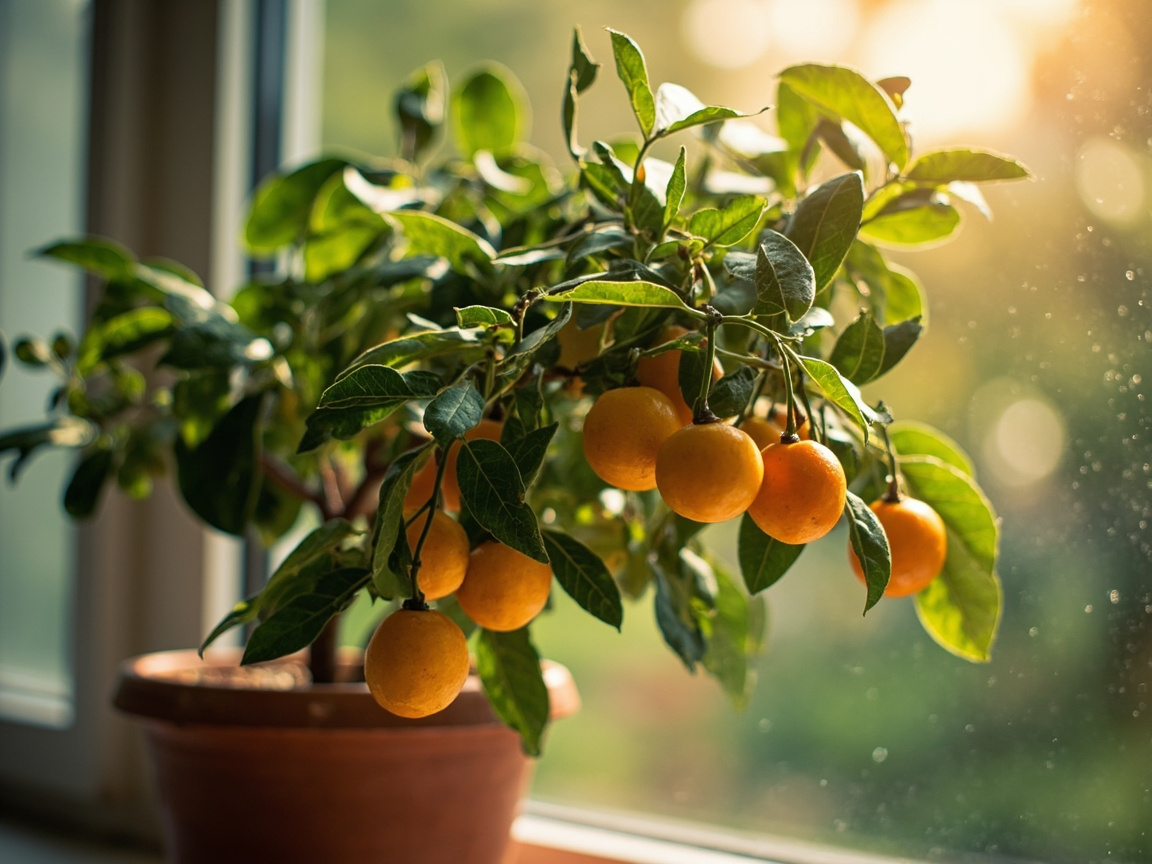
Indoor Citrus Leaf Drop — A Different Problem Than Yellow Leaves. When your indoor citrus drops leaves that are still deep green — no yellow browning, no slow fade — you are looking at a different problem than a deficiency or overwatering. Green-leaf drop is environmental stress. The tree has sensed an abrupt change in temperature, humidity, or water availability and triggered an abscission layer at the base of each petiole to shed canopy it cannot sustain.
The word you need to know is committed. Once the abscission layer forms — typically day 3 to 5 of unbroken stress — those leaves are dead tissue regardless of what you do next. They will fall within 7 days no matter how perfect conditions become. The goal of this protocol is not to save the fallen leaves. It is to stop the tree from losing more while it grows replacements. Yellow-leaf drop has a completely different trigger — yellowing means internal stress; green-leaf drop means environmental shock.
Cold Shock: The Number One Cause
Temperatures below 50°F (10°C) for 6+ hours trigger leaf drop in most indoor citrus — and a sudden drop from 70°F to 50°F+ is worse than a gradual descent. The tree produces ethylene as a stress hormone; once ethylene accumulates beyond a threshold at the petiole base, the abscission layer forms within 48–72 hours. The leaves are still green when they hit the floor because the tree didn’t have time to resorb nutrients from them before dropping.
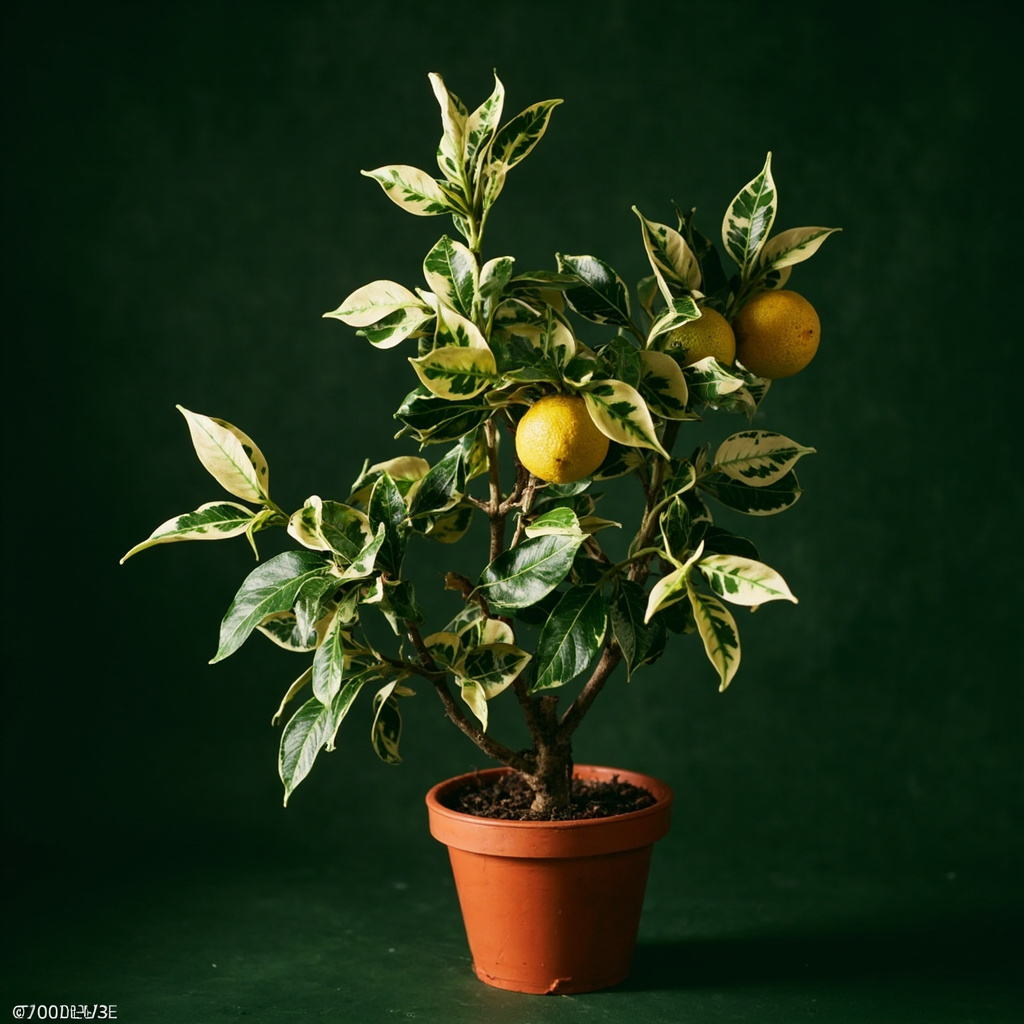
The 24-hour stabilization protocol: move the tree immediately to a room above 55°F (13°C). Do not place it directly next to a heat register — the radiant heat causes local humidity crash. Do not mist the foliage — water on cold leaves causes spotting. Do not fertilize until new growth emerges. Keep the soil barely moist (not wet) and wait. Kumquats tolerate cold down to 20°F (−6°C); if you grow a calamondin or kumquat instead of a Meyer, your threshold for cold drop is lower — probably sustained below 40°F (4°C) for several hours.
Humidity Crash: Winter Heating Indoors
Central heating drops indoor relative humidity to 20–30% in winter. Calamondin tolerates 20%; the calamondin’s kumquat parentage gives it genuine dry-air tolerance. A Meyer lemon starts dropping green leaves below 30% relative humidity. The mechanism is the same as cold shock — ethylene accumulation — except the stress is desiccation at the petiole rather than cold at the cell membrane. New growth emerges with thin, papery leaves if you don’t raise the humidity above 40%.
The 24-hour stabilization protocol: fill a pebble tray with 1 inch (2.5 cm) of water and set the pot on the pebbles — not in the water. The pot base must sit above the water line to avoid wicking. This raises local humidity around the canopy by 10–15% within 6 hours. Alternatively, a cool-mist humidifier on the lowest setting placed 3 feet away does the same job faster. Do not mist — misting raises humidity for 15 minutes, then drops back, and repeated wetting of leaves indoors encourages fungal leaf spot.
Drought Stress: When You Missed the Watering Window
If the top half of the root zone dried to the permanent wilting point (roughly −1.5 MPa of soil moisture tension), the tree drops its oldest leaves first to reduce water demand. You may not have noticed the wilting itself — the leaves turgid enough to stand upright still but flop slightly when gently held. The day after permanent wilt, the abscission layer begins forming on the bottom third of the canopy.
The 24-hour stabilization protocol: submerge the entire pot in a bucket of room-temperature water for 15 minutes. Tiny air bubbles will rise from the root zone — that’s the sign the soil is rewetting. Lift the pot, let it drain completely for 30 minutes, then return to the saucer. Do not water again until the top 2 inches (5 cm) feel dry. Do not fertilize the stressed tree for 3 weeks — the damaged root tips can’t handle nutrient uptake and will burn. Resume standard watering when new growth appears.
Recovery Timeline and Realistic Expectations
Week 1: no new leaf drop. This is the first sign the protocol is working. Week 2–3: the tree looks static — same number of leaves, same color. This is normal — the root system is rebuilding before pushing canopy growth. Week 4–6: new growth emerges from dormant buds midway along existing branches, not always from the tips. Week 6–8: the new growth is hard enough to count. If you have firm new stems by week 8, the tree has survived the shock.
If the crown (where the trunk meets the soil) is soft or dark, or if there is zero new growth by week 12, the root system was too compromised to recover. At that point, the odds of survival are roughly 30–50% and the practical decision is to compost the tree and start with a healthy new one. Yellow-leaf diagnosis is still required if mixed symptoms appear — green-leaf drop and yellowing together usually means root rot rather than pure environmental stress.
Turn PDF Bank Statements Into Workable Spreadsheets
Your bank statement is a mess of numbers, but your books shouldn't be. Use our converter to get Excel, CSV, or QBO files — ready for QuickBooks.
Try It Free Now