Monstera deliciosa needs a chunky, well-draining aroid mix that holds enough moisture for the roots between waterings but never stays soggy. A bag of standard indoor potting soil on its own is too dense, and a soilless mix with too much perlite is too lean. The honest answer for most indoor growers is to make a simple blend from a few common ingredients, and most of the rest of the soil problem is about pot size and watering rhythm rather than the exact bag.
Three things matter in a monstera soil: large particle size for airflow around the roots, organic matter that holds moisture without compacting, and good drainage so the bottom of the pot never sits in water. Get those right and the plant will outgrow most store-bought mixes within a single growing season.
What monstera roots actually need
Monstera is a hemiepiphyte in the wild. It germinates on the forest floor and climbs a tree, sending out aerial roots that grip bark and pull moisture from the humid air and the rain that runs down the trunk. The root system that lives in the soil is mostly there for anchorage and a baseline nutrient supply, which is why a dense, peat-heavy mix suffocates it within a few months.
In a pot, monstera roots respond to two things. They grow into the open air pockets between large particles, and they rot in the small, waterlogged pockets that form in fine, dense soil. The faster the water moves through the pot and the more oxygen stays in the root zone, the more the roots branch and the steadier the new leaf growth.
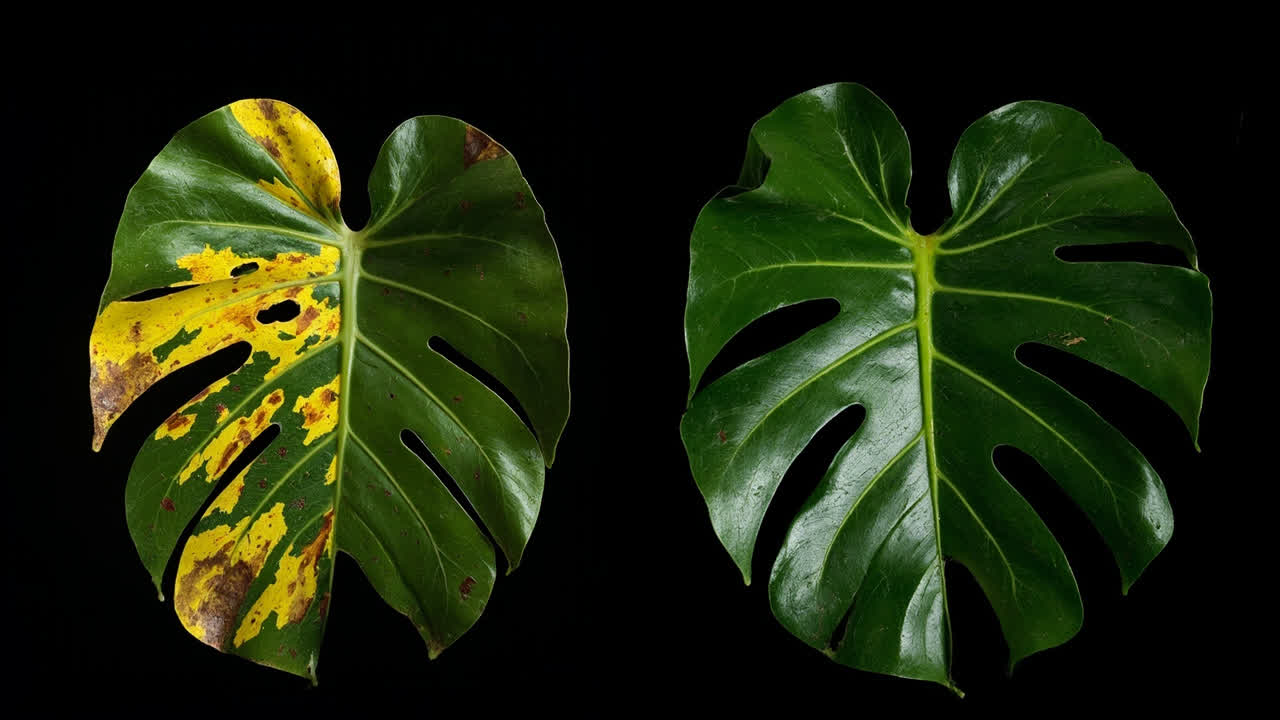
The visual signal that the soil is wrong is consistent. Slow summer growth, yellowing of the older leaves, and a damp smell from the pot a week after watering usually mean the mix is too dense. A plant that dries out in two days in a six-inch pot usually means the mix is too lean, and the plant is using more water than the roots can hold between waterings.
The three jobs a good monstera mix has to do
The first job is structural. The mix has to stay open and airy for months, because monstera roots grow slowly and the same soil has to support the plant for at least a year between repottings. Materials that break down fast, like fine peat or standard garden compost, do not stay open long enough.
The second job is moisture buffering. The mix has to hold enough water that the roots do not dry out between waterings, but not so much that the lower half of the pot stays wet for days. Coco coir and pine bark are good at this balance, and they break down slowly enough to keep the structure stable.
The third job is drainage. Water should run through the pot in under a minute when the mix is fresh, and the surface should dry to the touch within two or three days in a normal indoor environment. If water sits on the surface or trickles out the bottom in a slow stream, the mix is too dense or the pot has poor drainage.
Ingredients that work in a monstera mix
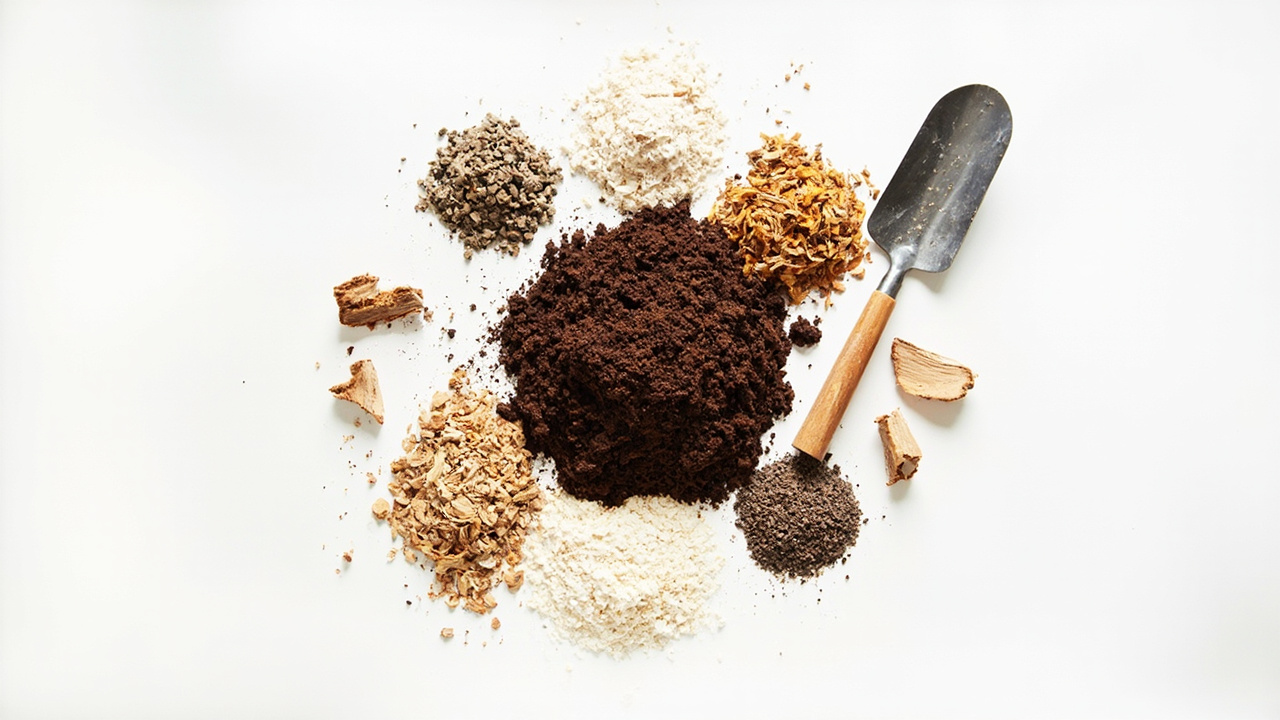
Five ingredients cover almost every sensible monstera mix:
- Pine bark or orchid bark: the chunky structural backbone. Sits in large pieces, breaks down slowly, and creates the air pockets monstera roots need.
- Perlite or pumice: lightweight volcanic particles that improve drainage and hold a little moisture in their porous surface. Perlite floats to the top over time; pumice stays mixed in.
- Coco coir or peat moss: the fine organic matter that holds moisture and nutrients. Coco coir is more sustainable and re-wets more easily than peat.
- Worm castings or compost: a small amount of rich organic matter for slow nutrient release. Five to ten percent of the mix is enough.
- Activated charcoal or biochar: an optional addition that helps buffer the pH and keep the microbial life healthy in the pot.
A reliable starting recipe is one part pine bark, one part perlite or pumice, one part coco coir, and half a part worm castings. That blend drains in under a minute, holds moisture for three to five days in a six-inch pot, and supports steady growth through a full season without compacting.
What to avoid in a monstera mix
Standard indoor potting soil is too dense on its own. It holds too much water and breaks down into a tight mass within a few months, which is the most common cause of root rot in a monstera. It can be used as a base if it is heavily amended with bark and perlite, but it should never be the whole mix.
Garden soil, topsoil, and any mix labeled for outdoor beds is unsuitable for indoor pots. The particle size is too fine, the microbial life is wrong for a closed container, and the drainage is poor. Even cactus and succulent mixes are too lean for monstera, because they dry out too fast in a warm room.
Anything that holds too much water, including sphagnum moss on its own or pure peat, will eventually rot the roots in a normal indoor pot. Sphagnum is useful as a small addition for moisture retention in a dry room, but it should be blended with bark and perlite rather than used as the whole medium.
DIY mix and ready-made options
Mixing the blend at home is straightforward and cheaper than buying a branded aroid mix. A 1:1:1:0.5 ratio of pine bark, perlite, coco coir, and worm castings by volume works in most climates. In a dry indoor room, lean slightly toward more coco coir. In a humid indoor room or in a self-watering pot, lean toward more bark and perlite.
Ready-made aroid mixes from brands like FoxFarm, Espoma, and the smaller specialty shops save time and are consistent. Check the ingredient list rather than the marketing. A mix that is mostly bark, perlite, and coco coir will work for monstera. A mix that lists peat as the first ingredient and has very little bark is too dense on its own.
Pre-mixed tropical plant soils are a reasonable shortcut, but they often need an extra handful of perlite or bark to open up the structure. Plan on amending any bagged mix with about 20% extra perlite or pine bark by volume before using it for monstera.
Pot size, drainage, and how they interact with the soil
A monstera in a pot that is too large for its root system will hold moisture in the unused soil, which is the most common cause of root rot in a young plant. A pot that is one to two inches larger in diameter than the previous one, with drainage holes, is the right step up at each repotting. The plant should never sit in a saucer of standing water.
Drainage holes are non-negotiable. Cachepots and decorative outer pots should be empty of standing water thirty minutes after each watering. A monstera in a sealed pot without drainage will eventually suffocate the roots, even in the best soil mix.
Pot material also matters. Terracotta breathes and pulls moisture out through the sides, which is helpful in a humid room or for an over-waterer. Plastic and glazed ceramic hold moisture longer, which is helpful in a dry room or for a forgetful waterer. The same soil mix behaves differently in different pots, and the watering guide explains how to read the dry-down rhythm in each pot type.
When to refresh the soil
Monstera benefits from a fresh top-dressing of mix every spring. A one-inch layer of new mix scratched into the top of the pot replaces what has broken down and adds a small amount of fresh organic matter. The rest of the soil stays in place, and the plant continues to grow.
A full repot into fresh mix is needed every two to three years, or whenever the plant has filled the pot with roots and the water runs straight through without wetting the rootball. Lift the plant out, shake off the loose old mix, tease the roots apart gently, and repot into the next size up with fresh mix. The best time to repot is early spring, just as new growth is starting.
Repotting is also the time to check the roots. Healthy monstera roots are white to light tan, firm, and smell clean. Dark, mushy roots that fall apart in the hand are a sign of root rot, and they need to be trimmed back to firm tissue before the plant goes into fresh mix. The monstera root rot page covers the recovery process in detail.
How the soil fits with the rest of the care plan
Soil is the foundation the rest of the care plan sits on, and the watering routine only works if the soil is open enough to drain and the pot is the right size. A good mix in a too-large pot still stays wet too long, and a poor mix in a tight pot dries out faster than the roots can keep up.
The full picture comes together in the monstera care guide, which ties the soil, the watering rhythm, the light, and the temperature into one routine. A monstera in the right soil, with a watering rhythm that matches the pot and the room, will push a new leaf every four to six weeks through the warm months and hold the older leaves clean through the slow season.
A bag of pine bark, a bag of perlite, a block of coco coir, and a small bag of worm castings cover most monstera soil needs for a year of care. The mix takes fifteen minutes to put together, costs less than a single branded bag, and supports the kind of strong root growth that turns a small starter plant into a full, climbing specimen over a couple of seasons.
Turn any PDF statement into a clean sheet
Skip the typos and the hours of copying. Our converter handles any bank statement format and outputs Excel, CSV, or QBO for QuickBooks. No file retention, free to try.
Convert your statement