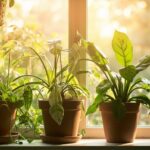

Let’s explore the most effective strategies on how to save a wilting plant and nurse it back to health. Whether you have a peace lily, tomato plant, basil plant, or any other type of plant, you will equiped with the knowledge and techniques needed to revive your beloved green companions.
A wilting plant can be a cause for concern for any gardener, but fear not!
By adjusting watering practices, caring for the soil, and addressing specific plant needs, you can rescue your wilting plants and restore them to their former vibrancy.
Understanding the Causes of Wilting
Before we dive into the solutions, it is crucial to understand the root causes of wilting. Here are the common culprits that can lead to a plant’s distress:
Root-related issues
- Root Rot: The Silent Killer
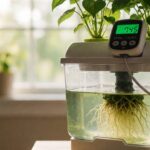
Root rot, caused by fungal pathogens, is one of the most common issues leading to plant wilting. Excessive moisture and poor drainage create an ideal environment for the development of root rot. To address this problem, it is essential to identify the signs early on, such as yellowing leaves, foul odor, and mushy roots. Remove the affected portions, repot the plant in fresh soil, and ensure proper drainage to prevent future occurrences. - Striking a Balance: Watering Woes
Wilting can also occur due to inadequate or excessive watering. A lack of water deprives the plant of essential nutrients, while overwatering can drown the roots and lead to oxygen deprivation. The key is to strike a balance. Test the soil moisture level before watering and adjust accordingly, ensuring the roots receive enough water without becoming waterlogged. - Pot-Bound Plants: Setting Roots Free
Plants that have outgrown their current containers can experience wilting due to limited root space. This occurs when the roots become tightly packed and fail to access adequate water and nutrients. Repotting the plant in a larger pot with fresh soil and encouraging healthy root growth can revitalize a wilting plant.
See: how to revive dying calathea plant
Diseases and pests affecting plants
- Battling Bacterial Wilt
Bacterial wilt is a devastating disease that affects various plants, including tomatoes and basil. It is crucial to identify the symptoms early, such as wilting leaves, yellowing, and stunted growth. Remove and destroy infected plants promptly to prevent the spread of the bacteria. Practicing good hygiene, including disinfecting tools and providing adequate airflow, can help prevent bacterial wilt. - The Menace of Fusarium Wilt
Fusarium wilt is a soil-borne fungal disease that affects a wide range of plants, including tomatoes. Infected plants often display wilting leaves and yellowing. Unfortunately, there is no cure for fusarium wilt once a plant is infected. Prevention involves selecting resistant varieties, improving soil health, and practicing crop rotation. - Tomato Spotted Wilt Virus: A Plant’s Nightmare
Tomato spotted wilt virus (TSWV) is transmitted by thrips and can cause severe damage to tomato plants. Symptoms include wilting, yellowing, and dark streaks on the stems. There is no cure for TSWV, so prevention is key. Implementing integrated pest management strategies, including thrips control, can help minimize the risk of infection. - Battling Verticillium Wilt
Verticillium wilt is a fungal disease that affects a wide range of plants, causing wilting, yellowing, and stunted growth. It thrives in cool, moist conditions, making prevention crucial. Selecting resistant plant varieties, improving soil drainage, and practicing crop rotation are effective measures against verticillium wilt.
Plant-Specific Strategies for Recovery
Now that we have explored the common causes of wilting, let’s delve into plant-specific strategies for rescuing your green companions:
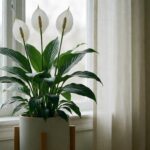
Peace Lily: Restoring Elegance and Grace
The peace lily is a popular indoor plant known for its striking foliage and elegant white flowers. To save a wilting peace lily, follow these steps:
- Assess the Plant’s Overall Condition: Examine the leaves, roots, and soil moisture level to determine the plant’s health status.
- Watering Techniques: Water peace lilies thoroughly when the top inch of soil feels dry to the touch. Avoid overwatering or allowing the plant to sit in standing water, as this can lead to root rot.
- Light Requirements: Place peace lilies in bright, indirect light. Avoid direct sunlight, as it can scorch the leaves.
Tomato Plant: Rescuing the Flavorful Harvest
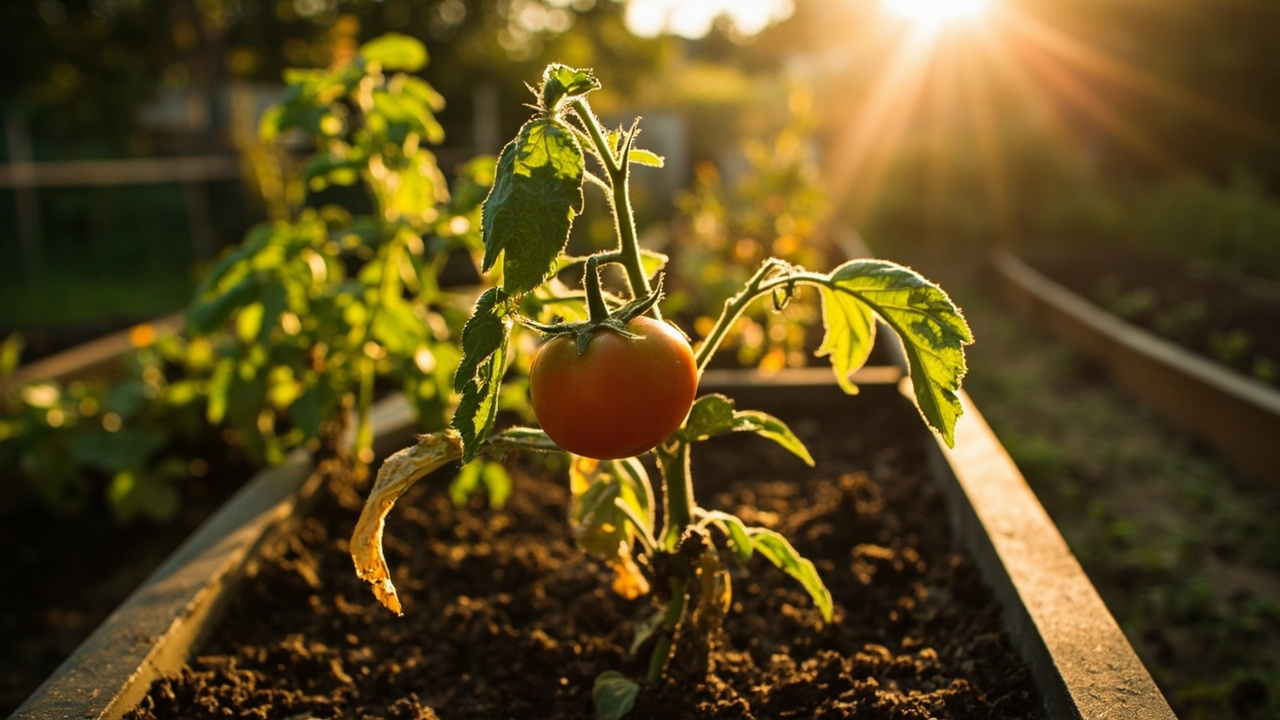
Tomatoes are a staple in many gardens, and saving a wilting tomato plant is crucial to ensure a bountiful harvest. Follow these steps for revival:
- Identifying Signs of Wilt: Wilting, yellowing leaves, and a general decline in plant health can indicate various wilt diseases affecting tomatoes.
- Soil Moisture Management: Tomatoes require consistent moisture, but overwatering can lead to root rot. Water deeply and infrequently, ensuring the soil is well-drained. Mulching can help retain moisture and regulate soil temperature.
- Treating Specific Wilt Diseases: Fusarium wilt and verticillium wilt are common tomato diseases. Start with disease-resistant varieties, practice crop rotation, and implement proper sanitation practices to prevent their occurrence.
Learn more: Save Dying Tomato Plants
Basil Plant: Aromatic Recovery
Basil is a beloved herb in the culinary world, and a wilting basil plant can be distressing. Consider the following steps to revive your basil:
- Addressing Common Wilting Issues: Wilting in basil plants can occur due to root rot, overwatering, or under-watering. Assess the plant’s condition and adjust watering practices accordingly.
- Sunlight and Water Requirements: Basil thrives in full sunlight, so ensure it receives at least six hours of direct light daily. Water when the top inch of soil is dry, allowing excess water to drain.
- Soil Care and Fertilization: Use well-draining potting mix with organic matter. Fertilize regularly with a balanced, water-soluble fertilizer to support healthy growth.
Indoor Plants: Bouncing Back Indoors
Indoor plants can also experience wilting, often due to factors such as insufficient light, improper watering, or lack of humidity. Consider the following steps to save your wilting indoor plants:
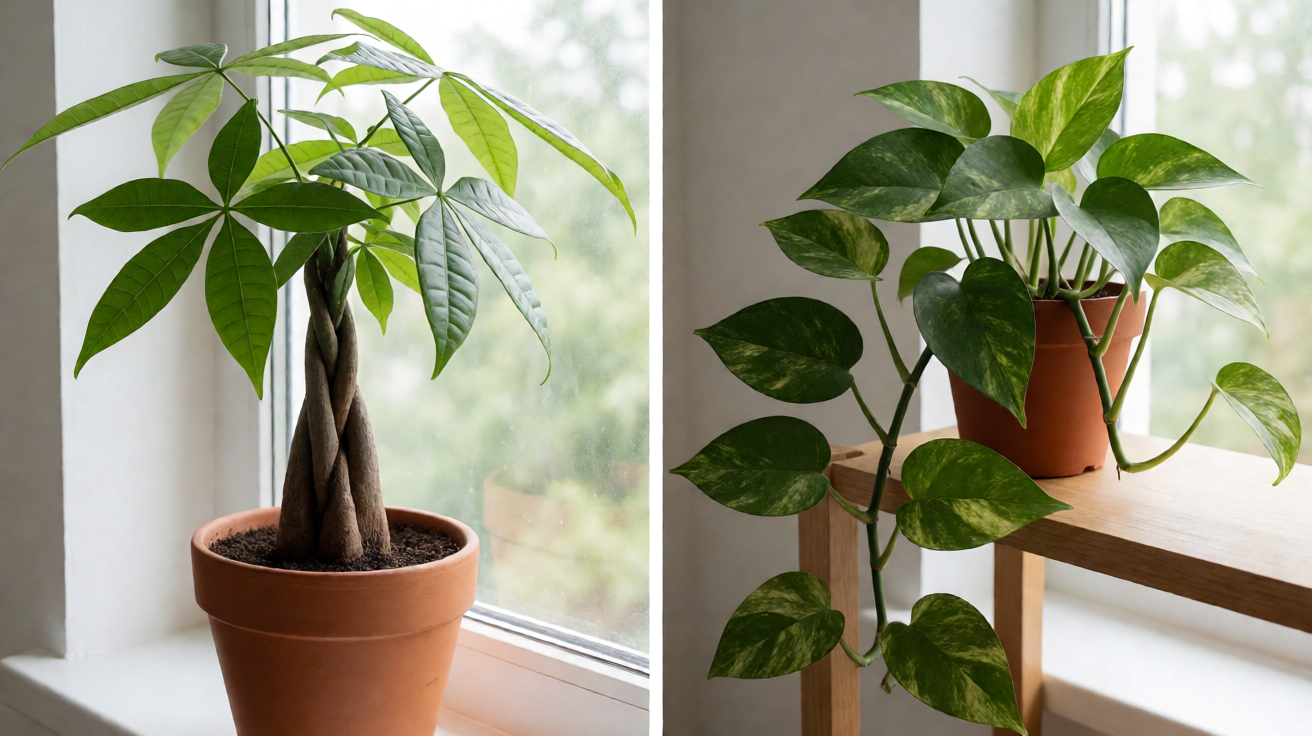
- Identifying Stress Factors: Assess the plant’s environment for potential stressors, such as low light, dry air, or improper watering practices.
- Light Requirements: Place indoor plants in locations with adequate light for their specific needs. Supplemental grow lights can be beneficial for plants with high light requirements.
- Watering Techniques: Avoid overwatering or underwatering. Check soil moisture levels regularly and adjust watering accordingly. Ensure pots have proper drainage to prevent waterlogged roots.
Read More: save a dying bamboo plant
Essential Steps to Rescue a Wilting Plant
Now that we have covered plant-specific strategies, let’s explore the essential steps that apply to rescuing any wilting plant:
Assessing the Plant’s Overall Condition
- Examine the Leaves: Look for wilting, yellowing, or browning leaves. Determine whether the wilting affects the entire plant or specific branches.
- Check the Roots: Gently remove the plant from its pot and inspect the roots. Healthy roots should be firm, white, and free from foul odors. If you notice mushy or brown roots, root rot may be present.
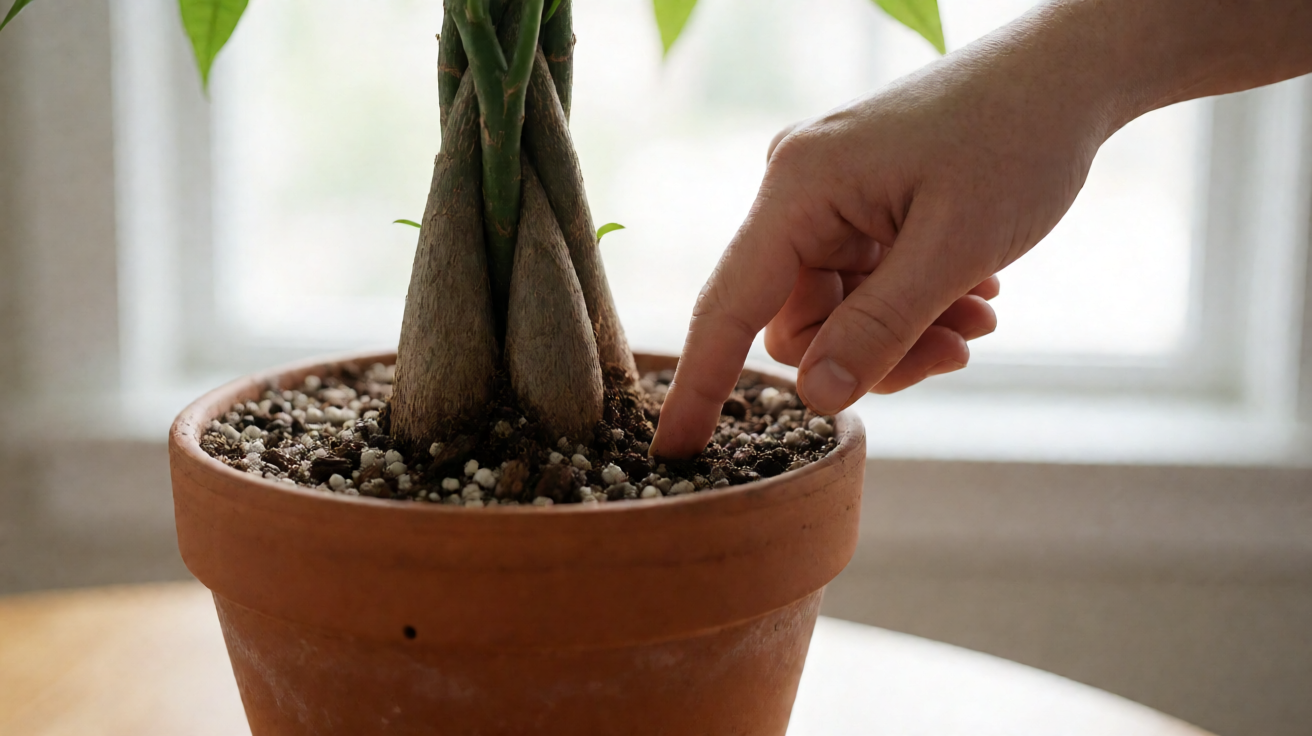
- Soil Moisture: Assess the soil moisture level by inserting your finger into the soil. If it feels dry beyond the top inch, the plant may require watering.
Adjusting Watering Practices
- Determining Watering Frequency: Different plants have varying water requirements. Research the specific needs of your plant and adjust the watering frequency accordingly.
- Watering Techniques: Water thoroughly, allowing water to flow out of the drainage holes. Discard any excess water from saucers to prevent waterlogging.
Soil Care and Rejuvenation
- Understanding Soil Moisture: Proper soil moisture is crucial for plant health. Ensure the soil is moist but not waterlogged. Use a well-draining potting mix to promote healthy root growth.
- Replacing or Replenishing Soil: If root rot is present or the soil is overly compacted, repot the plant in fresh soil. Choose a pot that allows for proper root growth and drainage.
- Epsom Salt for Magnesium Supplementation: In certain cases, adding Epsom salt to the soil can help supply magnesium, which is essential for plant growth. Follow the recommended dosage for your specific plant.
Pruning and Removing Dead Leaves
- Identifying Dead or Diseased Foliage: Dead or diseased leaves can hamper a plant’s recovery. Carefully remove any brown, yellow, or withered leaves, ensuring clean cuts to prevent further damage.
- Promoting New Growth: Pruning stimulates new growth by redirecting the plant’s energy to healthier parts. Trim back any leggy or overgrown branches to encourage bushier growth.
Preventive Measures for Long-Term Health
While saving a wilting plant is crucial, implementing preventive measures can help maintain long-term plant health. Consider the following steps:
- Understanding the Needs of Specific Plants
- Research Plant Requirements: Different plants have unique needs in terms of light, water, and soil conditions. Understand the specific requirements of each plant in your care.
- Adjust Care Practices: Tailor your watering, lighting, and fertilization practices to meet the specific needs of each plant, ensuring optimal growth and vitality.
- Regular Inspection for Signs of Distress
- Monitor Plant Health: Regularly check plants for signs of distress, such as wilting, yellowing leaves, or pest infestations. Early detection allows for prompt intervention and minimizes damage.
- Pest Control: Implement integrated pest management strategies to prevent and manage common pests. Regularly inspect plants for signs of infestation, and take appropriate measures if pests are detected.
- Proper Maintenance Practices
- Watering Techniques and Schedules: Develop a watering routine based on each plant’s specific needs. Avoid overwatering or underwatering by monitoring soil moisture levels.
- Fertilization and Soil Nutrient Management: Provide plants with essential nutrients through regular fertilization. Use a balanced fertilizer appropriate for each plant, following the manufacturer’s instructions.
- Lighting and Temperature Control: Position plants in areas that provide optimal light levels for their specific requirements. Maintain appropriate temperatures to ensure plant health and growth.
Reviving A Wilted Plant
Learn how to save a wilting plant requires understanding the underlying causes and implementing appropriate solutions.
Whether you have a peace lily, tomato plant, basil plant, or any other type of plant, recognizing the signs of distress and taking timely action can make all the difference.
By adjusting watering practices, caring for the soil, and addressing specific plant needs, you can rescue your wilting plants and restore them to their former vibrancy.
Remember, with a little care and attention, your green companions will thrive once again, bringing beauty and joy to your home or garden.
Read also: why houseplant leaves droop, the diagnostic that decides between thirst and root failure before any rescue step.
Turn any PDF statement into a clean sheet
Skip the typos and the hours of copying. Our converter handles any bank statement format and outputs Excel, CSV, or QBO for QuickBooks. No file retention, free to try.
Convert your statement