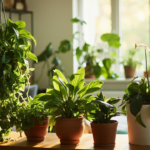
ZZ plants are resilient, but they are not immune to problems. The most common issues — yellowing leaves, mushy stems, and stunted growth — are almost always caused by the same root cause: overwatering. Understand that first, and most ZZ plant problems become straightforward to diagnose and fix.
Yellow Leaves
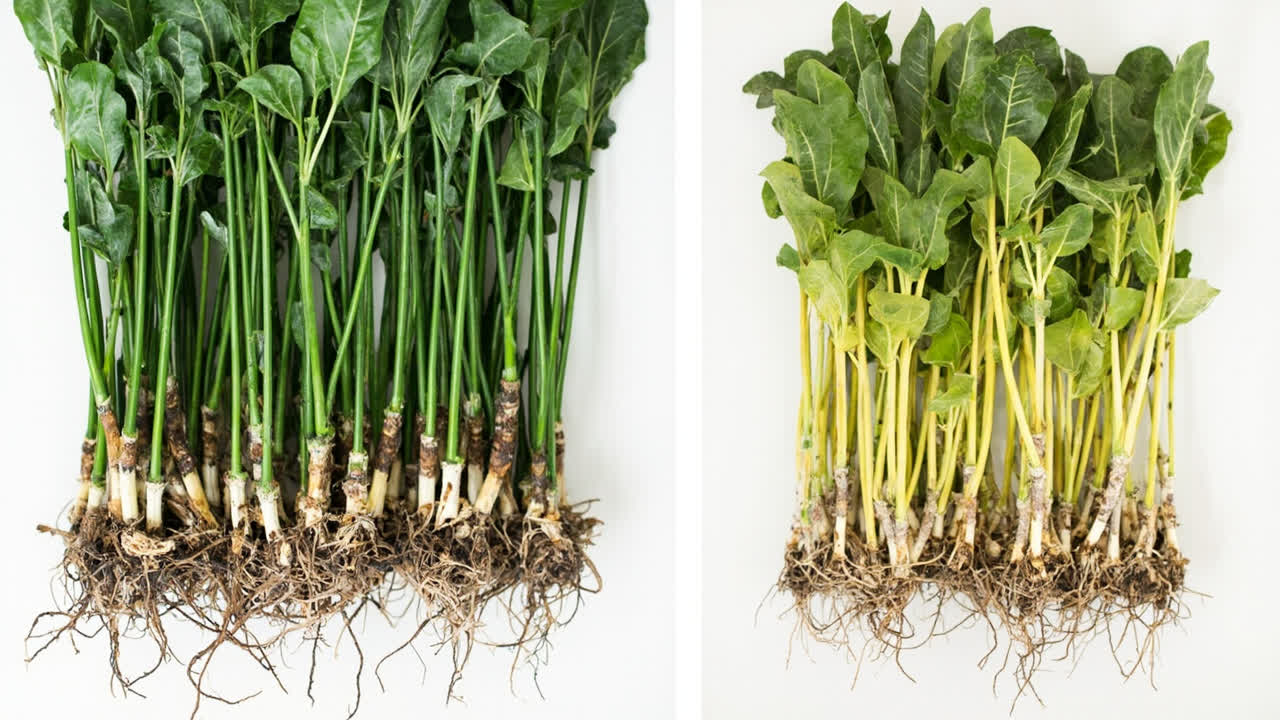
Yellow leaves on a ZZ plant are the clearest signal that something is wrong with the watering. In most cases, it is overwatering — the rhizomes are sitting in wet soil and beginning to rot, and the plant is cutting off water supply to the oldest leaves to conserve resources. If several leaves are yellowing at once, especially if the yellowing starts from the base of the stems, stop watering immediately and let the soil dry out completely.
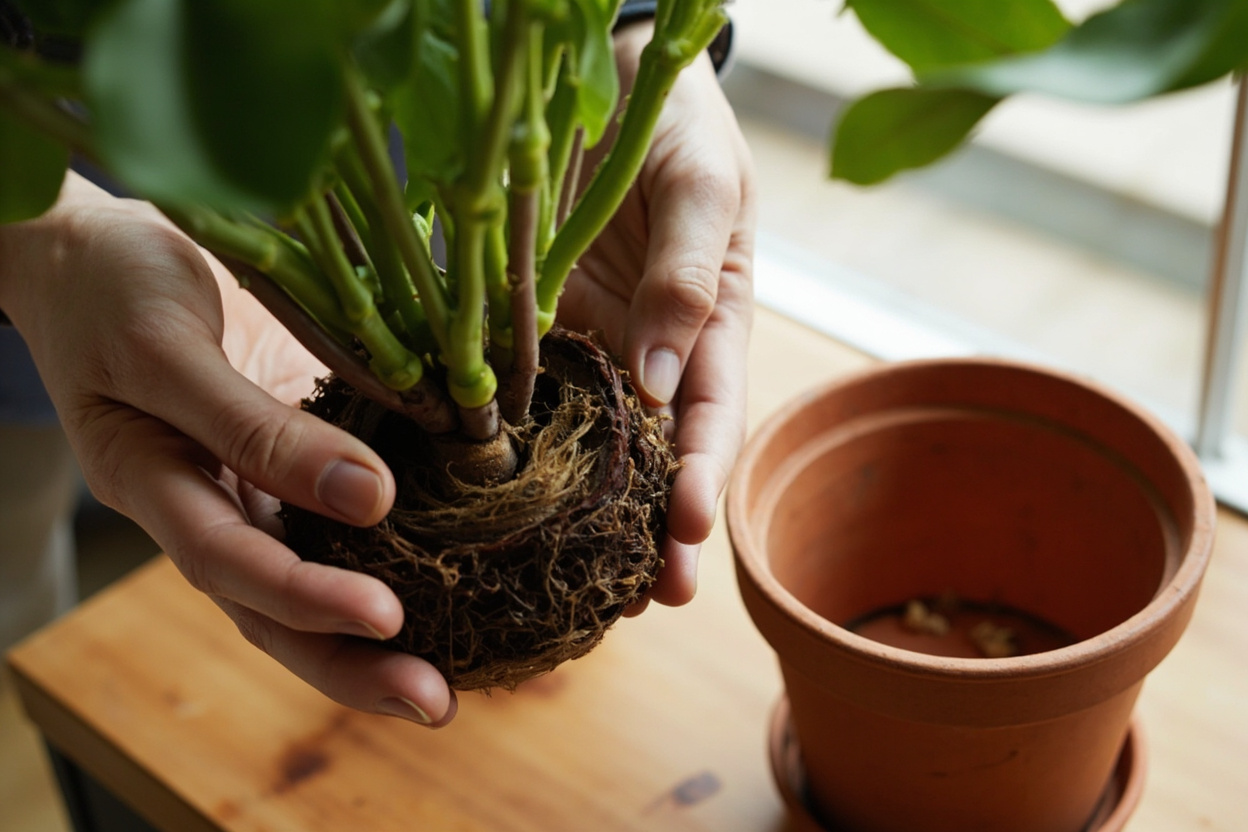
If the soil is wet and the yellowing is spreading, remove the plant from its pot and check the rhizomes. Healthy ZZ plant rhizomes are firm and pale yellow to light beige — the colour of a raw potato. Dark, mushy, or foul-smelling rhizomes indicate rot. Trim away all affected rhizomes with a clean, sharp knife, dust the cuts with cinnamon (a natural antifungal), and repot in fresh, completely dry, fast-draining soil. Do not water for at least two weeks, then water very sparingly.
Single yellow leaves at the base of stems can be natural aging — the plant periodically replaces old leaves with new growth. If only one leaf is yellow and the rest of the plant looks healthy, remove the yellow leaf and monitor.
Mushy Stems
Stems that feel soft, look shrivelled, or collapse are caused by rhizome rot — the base of the stem is connected to a rotting rhizome that can no longer support the plant. This is almost always the result of overwatering combined with a pot without drainage or soil that stays wet for too long.
To save the plant: unpot it, remove all soil, and identify firm, healthy rhizomes versus soft, dark, rotting ones. Healthy rhizomes can be separated from the rotting mass and replanted individually in fresh, dry soil. Do not water for at least two weeks after replanting. Most healthy rhizomes will sprout new growth within four to eight weeks if kept warm and in bright, indirect light.
If all the rhizomes are soft and rotting, the plant is likely not salvageable. Check the stems themselves — if any stem sections are firm and green inside, they may be propagated in the same way as corm division, though ZZ plant stem propagation is unreliable.
Stalks Falling Over
A ZZ plant stalk that suddenly droops or falls over is usually caused by root rot at the base — the stalk loses its structural support when the rhizome it connects to rots. Sometimes it is caused by the plant being severely underwatered for a long period, which causes the rhizomes to shrink and lose their water reserves.
Distinguish between the two by checking the soil. If the soil is bone dry, the plant has been underwatered — water thoroughly and the stalk may recover within a few days if the rhizomes are still healthy. If the soil is wet, the cause is rot — follow the rhizome inspection procedure above.
Slow or No Growth
ZZ plants are slow growers by nature. Even in ideal conditions, you will see only a few new stems per year. A ZZ plant that has produced no new stems in a year but looks otherwise healthy is not necessarily a problem — it may just need better conditions.
Insufficient light is the most common cause of genuinely stunted growth. While ZZ plants tolerate low light, they grow noticeably faster in bright, indirect light. A previously active plant that has stopped growing may simply need to be moved closer to a window.
Being severely root bound also restricts growth. If the pot is full of coiled rhizomes with little visible soil, repot in spring into a pot 2 inches larger with fresh soil. The plant will produce new growth in the season following repotting.
Shrivelling or Wrinkling Stalks
Stalks that look shrivelled or wrinkled have lost the water stored in their rhizomes. This is caused by prolonged underwatering or, paradoxically, by severe overwatering that has killed the rhizomes’ water-absorbing function. Feel the rhizomes through the soil or gently unpot the plant to assess. Firm rhizomes with a slightly shrivelled plant indicate underwatering — water thoroughly and the plant should recover within a week. Soft, mushy rhizomes indicate rot from overwatering — follow the rot treatment procedure.
Brown Leaf Tips
Brown tips on otherwise healthy ZZ plant leaves are usually caused by over-fertilizing, fluoride in tap water, or the soil being kept too dry for extended periods. The fix depends on the cause: flush the soil thoroughly with clean water to remove salt buildup if over-fertilizing is suspected; switch to filtered water if the tap water is heavily treated; establish a consistent watering routine that lets the soil dry fully between waterings without extending the dry period excessively.
White Crust on Soil Surface
A white or grey crust on the soil surface is salt buildup from fertilizer or, less commonly, minerals from tap water. This is not immediately harmful but creates increasingly hostile soil conditions over time. Flush the soil thoroughly by running water through the pot multiple times, letting it drain fully each time. If the crust is heavy, repot in fresh soil. Reduce fertilizing to half the recommended frequency or switch to a lower-concentration fertilizer.
Pests
ZZ plants are rarely affected by pests — the thick, waxy leaves are not attractive to most common houseplant pests. Spider mites occasionally appear in very dry conditions, visible as fine webbing between leaves and small tan or brown dots on leaf undersides. Mealybugs appear as small white cottony clusters at the leaf bases and stem joints. Wipe affected areas with a cotton swab dipped in rubbing alcohol, then spray with neem oil or insecticidal soap. In most cases, a ZZ plant with healthy growing conditions will recover from a minor pest problem quickly.
The ZZ Plant Problem Summary
The vast majority of ZZ plant problems have the same root cause: overwatering or a pot without drainage. If your ZZ plant is struggling, the first and most important response is always to check the soil moisture and the rhizome condition. If the soil is wet and the rhizomes are firm and healthy, stop watering and let the soil dry completely. If the rhizomes are soft or dark, treat for rot. In almost every case, the fix starts with watering less, not with more intervention.
Turn any PDF statement into a clean sheet
Skip the typos and the hours of copying. Our converter handles any bank statement format and outputs Excel, CSV, or QBO for QuickBooks. No file retention, free to try.
Convert your statement