Snake plants — technically Dracaena trifasciata, formerly Sansevieria trifasciata — are among the most forgiving houseplants you can grow. They survive conditions that would kill most other plants, and they do it with minimal care requirements. If you want a plant that looks striking, purifies indoor air, and does not demand constant attention, a snake plant is one of the best choices available.
Why Snake Plants Are So Popular
Snake plants have earned their reputation as nearly indestructible houseplants through decades of indoor growing. They originated in West Africa, growing in arid, rocky savannah environments — conditions that shaped their extreme tolerance for neglect. They store water in their thick, succulent leaves and can survive weeks without watering. They tolerate low light, average humidity, and inconsistent care better than almost any other tropical plant.
But “surviving” and “thriving” are different things. A snake plant in good conditions — proper light, appropriate watering, decent soil — will produce new leaves regularly, grow taller, and look genuinely impressive. The difference between a snake plant that just survives and one that actually looks good is not much more than getting the basics right.
Light Requirements
Snake plants tolerate low light better than most plants, but they grow best in bright indirect light. An east-facing window or a spot two to three metres from a north-facing window is ideal. They can survive in dim corners, but growth will be slow to nonexistent, and the plant may become leggy and pale over time.
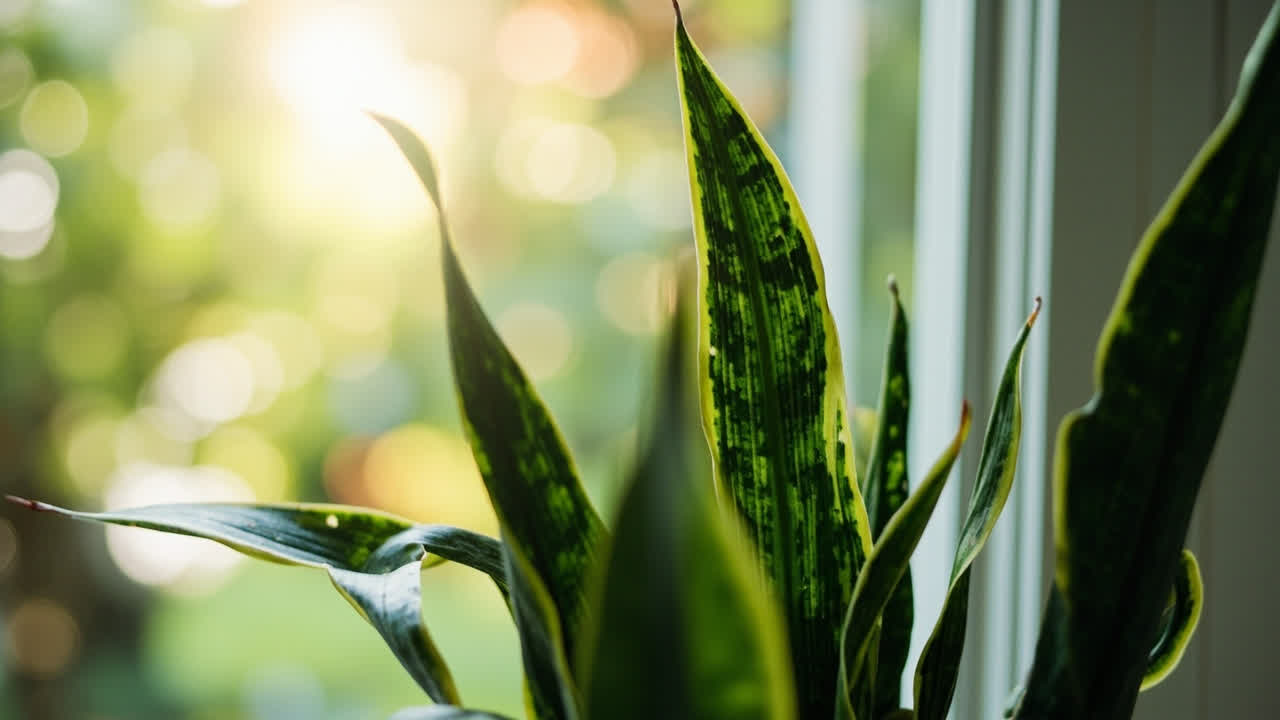
Variegated varieties — those with yellow or cream edges like the popular Laurentii — need more light than solid green varieties to maintain their variegation. In low light, new leaves often emerge mostly green, losing the distinctive coloring. If you want to keep the variegation strong, give the plant more light.
Direct sun is tolerated in moderate amounts — early morning sun is fine — but harsh afternoon sun can scorch the leaves, leaving pale or brown patches. In Singapore’s climate, a position that receives gentle morning sun with shade in the afternoon is best for a snake plant near a window.
Watering
The most common mistake with snake plants is overwatering. They are succulents — they store water in their leaves and are adapted to survive drought. In their native habitat, they go weeks without rain. In a home environment, they need watering only when the soil is completely dry, which in Singapore’s climate typically means every two to three weeks in the growing season and every four to six weeks in the cooler months.
When you water, water thoroughly — flood the soil and let it drain completely. Do not water a little bit frequently — that keeps the root zone moist and risks root rot. The “soak and dry” method is essential for snake plants: water heavily, then leave the plant alone until the soil is bone dry.
The easiest way to check: insert your finger into the soil up to the second knuckle. If any moisture is felt at all, wait. If it is completely dry, water.
Soil and Drainage
Snake plants need fast-draining soil. Standard potting mix holds too much moisture and will cause root rot if used directly. The best mix is one part general potting mix combined with one part perlite or coarse sand, creating a fast-draining medium that dries quickly after watering.
The pot matters just as much as the soil. Always use a pot with a large drainage hole. Even with fast-draining soil, water that cannot escape will pool at the bottom and rot the roots. Terra cotta pots are preferable to plastic for snake plants because the material allows the soil to breathe and dries out faster.
Temperature and Humidity
Snake plants are comfortable in the same temperature range as most Singapore homes: 65°F to 86°F (18°C to 30°C). They are less sensitive to air conditioning than tropical plants like Pothos or Philodendrons — the dry air does not bother them as much. Below 50°F (10°C) for extended periods, they can suffer cold damage, but this is rarely a concern in climate-controlled Singapore homes.
What to Expect Over Time
Snake plants grow from rhizomes — underground stems that produce new shoots called pups. A healthy snake plant will regularly produce new leaves from the soil, and over time the pot will become full of multiple upright shoots. This is the natural growth pattern and it means the plant is healthy. When the pot becomes densely packed with shoots, you can divide and repot to create new plants.
Snake plants are also known for their air-purifying qualities. NASA studies have listed them among the plants effective at filtering indoor air toxins, making them a practical choice for bedrooms and offices.
For specific problems, see the Snake Plant Problems guide. For propagation, see Snake Plant Propagation guide.
Turn That PDF Into a Spreadsheet in Minutes
You've seen how to do it manually — now let the tool handle the heavy lifting. Upload your bank statement and get Excel, CSV, or QBO in a few clicks.
Try It Free