You are choosing between a Dracaena Massangeana and an Epipremnum aureum — two plants that could not be more different in how they look, how they grow, and what they ask of you day to day. One is a tall upright cane that grows slowly and stands like a column. The other is a fast-growing trailing vine that spills over shelves and pots. This is a comparison between an architectural statement plant and a versatile, forgiving trailer — and the right answer depends entirely on what you need from your plant.
Growth Habit : The Fundamental Difference
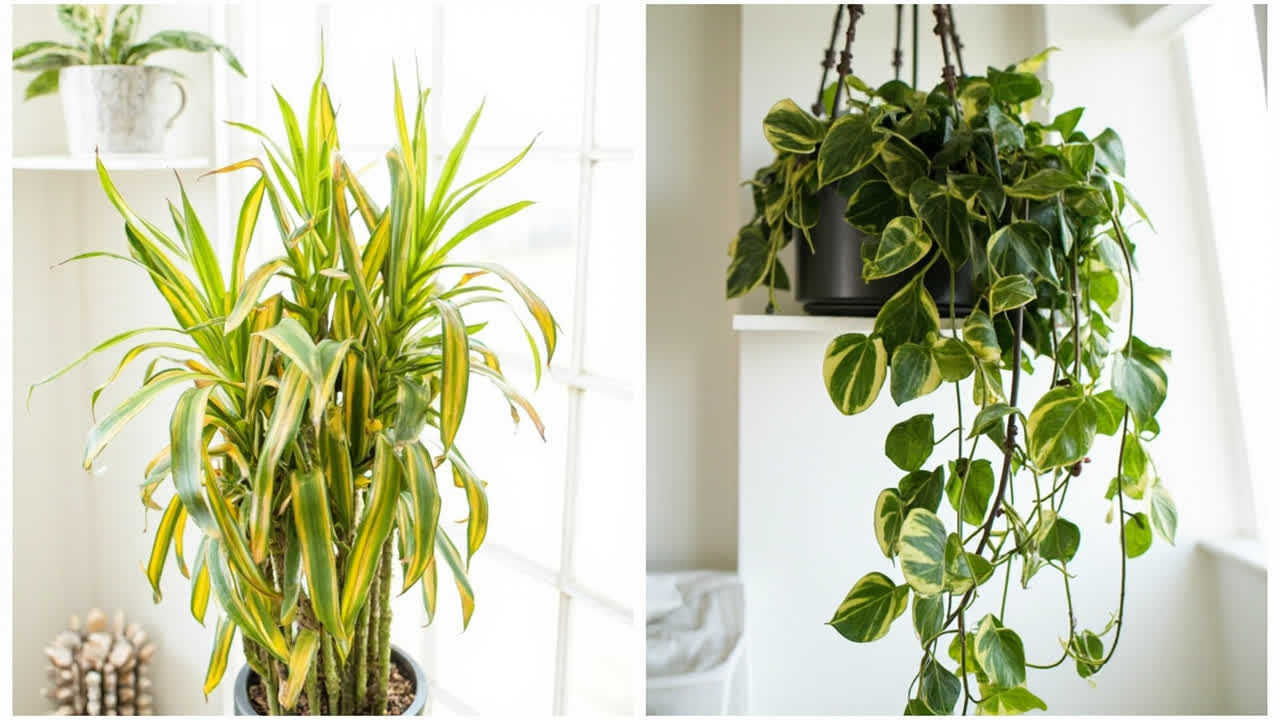
The Dracaena Massangeana — Mass Cane Plant or Corn Plant — grows upward from thick, woody cane stems. Mature plants reach 90 cm to 180 cm depending on container size and light availability. It grows slowly, typically producing one to two new leaves per month in good conditions, sometimes less in low light. It is a vertical plant — it occupies a defined column of space and stays there. It does not trail, cascade, or sprawl. If you need something tall and contained for a corner, beside a sofa, or as a floor statement, this is what it looks like.
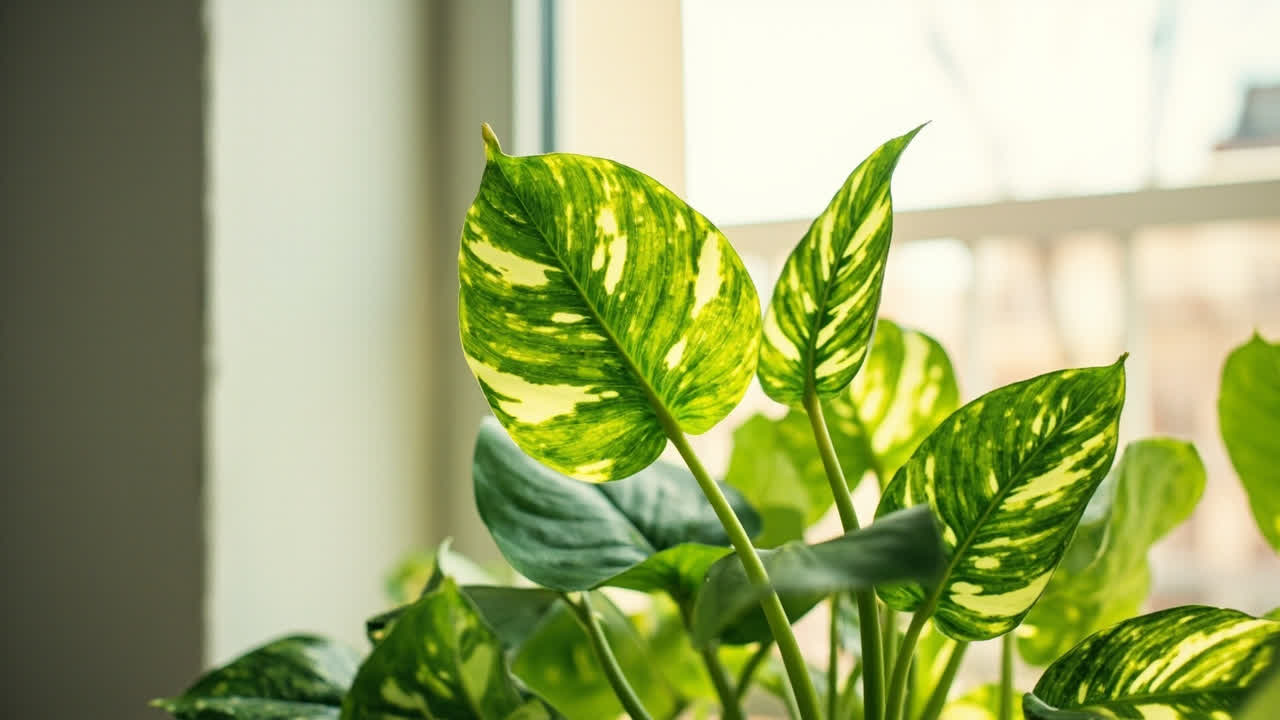
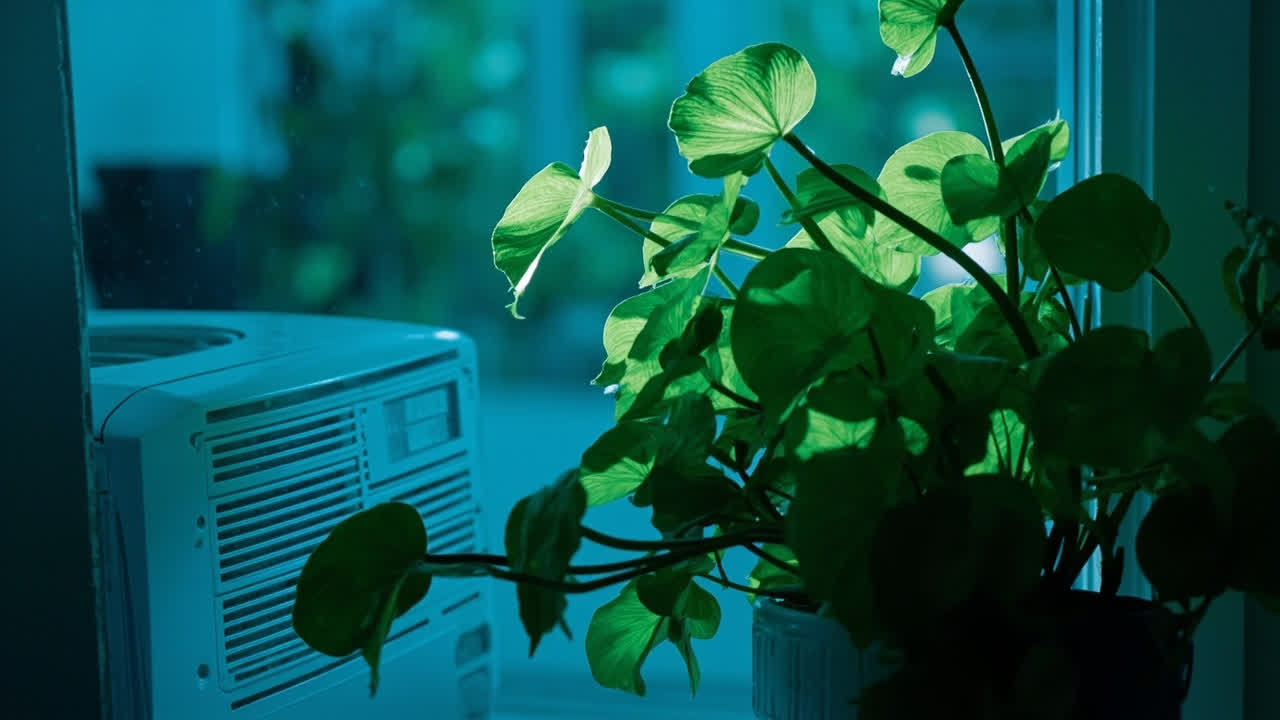
The Epipremnum aureum — Pothos, also called Devil’s Ivy — grows as a vine. In a pot with a moss pole or trellis it climbs. Without support, it trails over the pot edge and cascades downward, potentially reaching several metres in length over time. Even without a climbing structure, it spreads horizontally across shelves and surfaces. This makes it far more versatile in placement — on top of a bookshelf, in a hanging basket, trained along a wall — but less predictable in form.
Light Requirements : Both Tolerate Low Light, But Differently
Both plants are frequently recommended for low-light spaces. The reality is more specific to each plant.
The Mass Cane Plant tolerates low light well but its growth slows noticeably in shade. In a north-facing room or an office with only fluorescent lighting, it will survive indefinitely but may go months without producing new leaves. The key thing: it does not do well in direct sunlight — the leaves scorch easily and irreversibly. Bright indirect light is ideal. A position two to three metres from a window with good ambient daylight is its sweet spot. See the Mass Cane Plant light requirements guide for specifics.
The Pothos is one of the most shade-tolerant houseplants available. It survives and maintains itself in genuinely dark corners, rooms with only fluorescent lighting, and spaces far from any window. More than that — it continues to grow in these conditions at a pace that the Mass Cane Plant simply cannot match. If you have a genuinely dark space and want visible, ongoing growth, Pothos wins this category without contest.
If you have some natural light but not full sun, both plants will grow — Pothos just grows faster and more enthusiastically.
Watering : The Pothos Is More Demanding
The Mass Cane Plant is drought-tolerant. Its cane stems store enough water to survive three to four weeks without watering in low-light conditions. Overwatering is the primary risk — root rot from saturated soil is the most common cause of death for Dracaena Massangeana in home conditions. If you travel frequently or tend to forget schedules, this plant is forgiving.
The Pothos prefers consistent moisture. The soil should dry out partially between waterings — not completely dry, not perpetually wet. In practice, this means watering every 7 to 10 days in typical indoor conditions. The plant will droop dramatically when thirsty and recover quickly after watering, which makes its needs very legible. But repeated extended drought will cause the vines to yellow and the plant to thin out over time.
For irregular watering schedules, the Mass Cane Plant is the easier plant. For someone who can maintain a once-a-week watering routine, Pothos is straightforward.
Maintenance Difficulty : Which Is Easier for Beginners?
The Pothos is widely considered one of the easiest houseplants in the world. It tolerates a wide range of conditions, bounces back from stress quickly, and grows visibly fast enough to give satisfaction. It requires little more than occasional watering, a monthly feed during growing season, and the occasional trim to keep it from becoming too leggy.
The Mass Cane Plant is not difficult, but it is less immediately forgiving than Pothos if overwatering occurs. Root rot is subtle in its early stages — by the time you see yellowing leaves, significant root damage may have already occurred. It also needs less frequent fertilising and less attention to humidity. In many ways it is a “better to ignore than fuss over” plant — the risk is doing too much, not too little.
For a complete beginner, Pothos is the more immediately rewarding plant. For someone who wants a structural, permanent presence in their space and is comfortable with a slower growth pace, the Mass Cane Plant is an excellent choice that requires minimal intervention once established.
Propagation : Pothos Is Far Easier
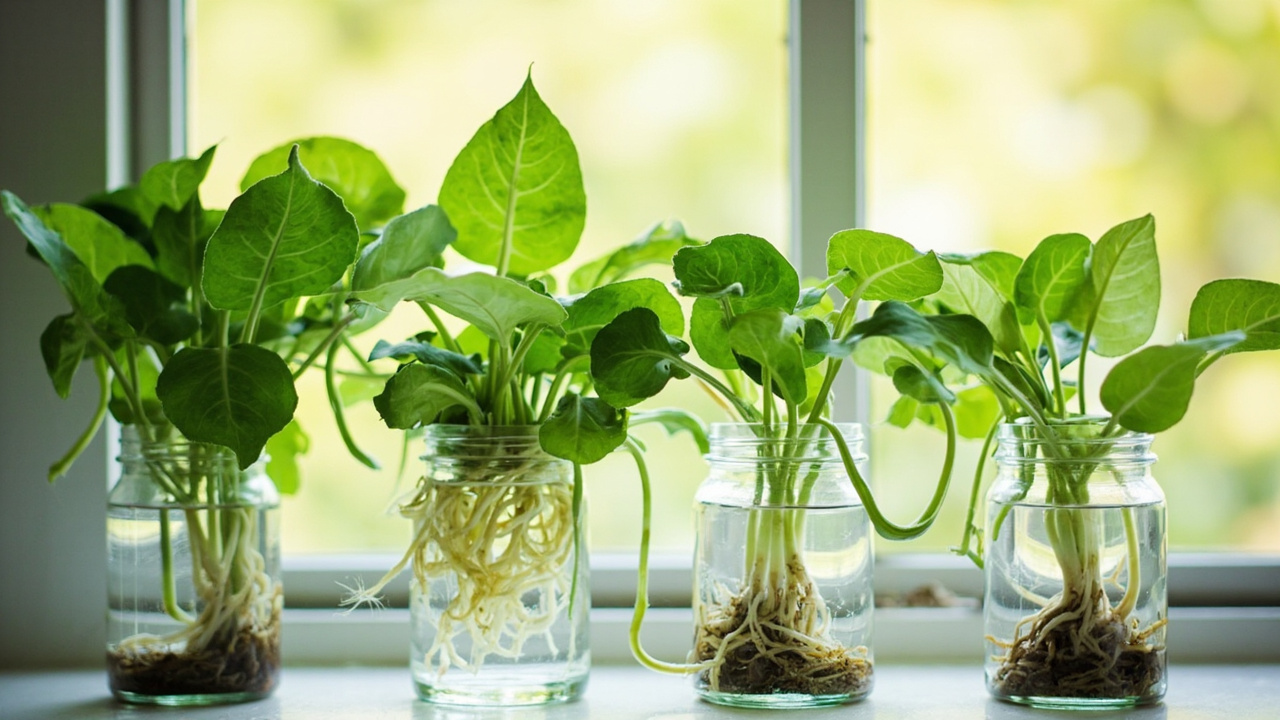
Propagating a Pothos requires only a node cutting — a section of vine with at least one aerial root node — placed in water or moist perlite. Roots appear within two to three weeks. You can propagate dozens of plants from a single mother plant with almost no skill required. This also means you can grow new Pothos plants to fill other spaces in your home for free.
Propagating a Mass Cane Plant requires cutting a healthy cane section, letting the cut end dry and callous for a day, and planting it in moist perlite or directly in soil. Rooting takes four to eight weeks, and the cutting will not show growth until roots are well established. Success rates are lower for beginners and the process is slower. The propagating Mass Cane Plant guide has the full method.
If you enjoy propagation and want to multiply your plants, Pothos is far more satisfying to work with.
Toxicity : Both Are Toxic to Pets
The Mass Cane Plant contains saponins, which cause vomiting, drooling, and reduced appetite in cats and dogs if ingested. The Pothos contains calcium oxalate crystals, which cause oral irritation, pain, and drooling in both cats and dogs. Both are toxic — neither is the safer choice in a pet-accessible home.
If you have pets that chew plants, both need to be kept out of reach. For pet owners who want to keep plants accessible to animals, neither is suitable and a pet-safe alternative is needed.
Aesthetic and Design Use Cases
These two plants create completely different visual effects in a room.
The Mass Cane Plant reads as architectural — it is a piece of living furniture. It anchors corners, fills narrow vertical spaces, and provides a strong structural presence beside seating or in entryways. Its variegated yellow-striped leaves create a tropical but controlled impression. It works particularly well in modern and minimalist interiors where the clean vertical line is an asset.
The Pothos reads as organic and informal. Trailing vines soften shelves, fill empty wall space, and cascade over surfaces. It works beautifully in bohemian interiors, layered shelving arrangements, and spaces where a sense of lush abundance is the goal. It is also the stronger choice for hanging planter situations.
For a statement corner or a reception area: Mass Cane Plant wins. For a shelf, a hanging planter, or a layered plant display: Pothos wins.
Verdict : Which Plant Suits You?
Choose the Mass Cane Plant if:
- You want a tall, structural, contained plant for a specific position
- You have moderate to low indirect light and want active growth
- You water infrequently or have an irregular schedule
- You want a permanent, slow-growing feature plant that does not need frequent intervention
- Your aesthetic goal is a clean, architectural tropical statement
Choose the Pothos if:
- You want fast, visible growth even in low light
- You are working with shelves, hanging planters, or trailing displays
- You enjoy propagating and multiplying your plants
- You prefer a relaxed, lush, informal aesthetic
- You can maintain a regular weekly watering schedule
For the specific Mass Cane Plant watering needs and light requirements, see the relevant guides on Aqualogi.
Turn PDF Bank Statements Into Workable Spreadsheets
Your bank statement is a mess of numbers, but your books shouldn't be. Use our converter to get Excel, CSV, or QBO files — ready for QuickBooks.
Try It Free Now