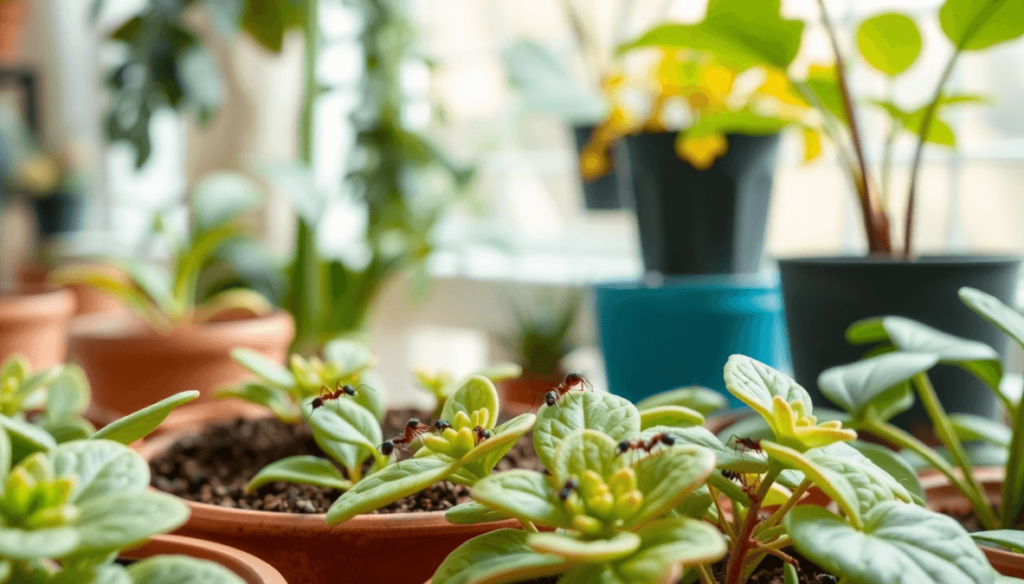

Learning how to keep ants out of houseplants is essential when you spot a tenacious column of ants marching across your kitchen floor, turning your serene green oasis into a frustrating battleground.
It’s a common problem for every home gardener, but the solution is often simpler than you think!
The truth is, an ant infestation in your potted plants rarely means the ants are interested in the plant itself. They are usually drawn to something much sweeter.
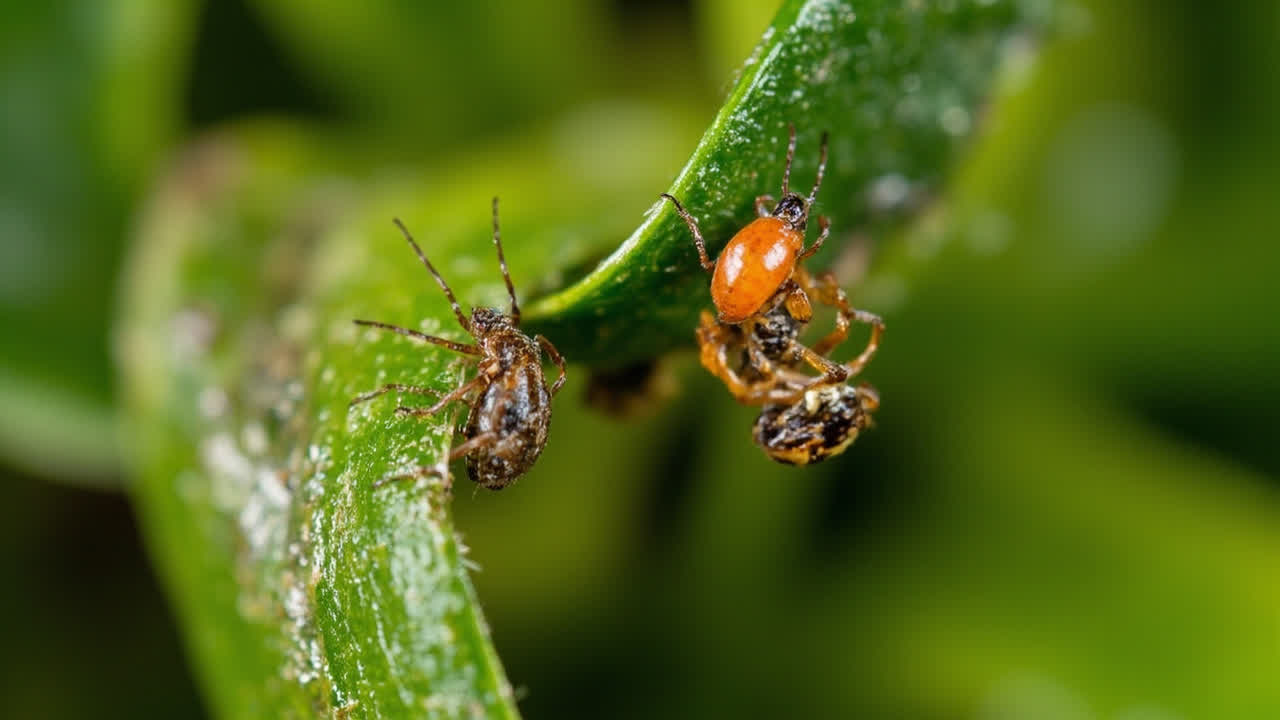
This ant activity is a tell-tale sign of other tiny pests, like aphids, mealybugs, or scale insects. These critters feast on your plant’s sap and excrete a sugary, sticky substance called honeydew—a five-star meal for ants.
The good news… you can reclaim your space with gentle and effective home remedies that ensure your plant health is better than ever.
Why Do I Have Ants in My Houseplants?
Before tackling pest control, let’s do a little reconnaissance. Understanding the root cause of the ant problem is the first step to lasting prevention.
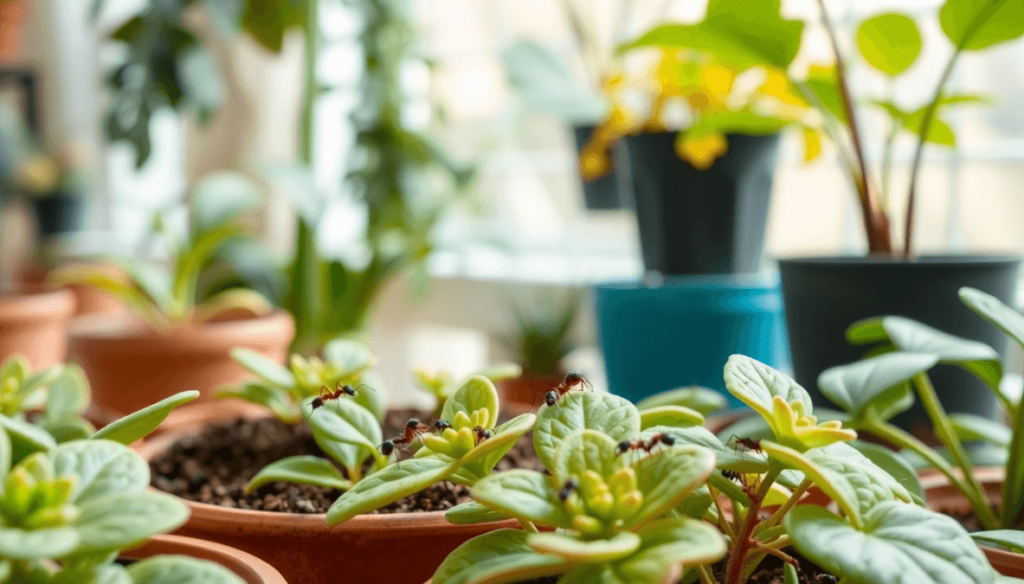
- A Hidden Food Source: That sticky honeydew is the primary attractant. Ants have a symbiotic relationship with these pests; they will literally “farm” them, protecting them from predators like ladybugs in exchange for a constant supply of food.
A meticulous inspection is your first move:- Look Underneath: Gently turn over leaves and check along stems, especially new growth, for clusters of tiny aphids, white cottony masses of mealybugs, or hard bumps from scale insects.
- Check the Soil Line: Examine where the plant stems meet the soil for any ant activity or nests.
- Scan for Frass: Look for fine, sawdust-like material (frass) on the soil surface or around the pot, a potential sign of carpenter ants.
- A Cozy Nesting Spot: The damp, warm, and protected potting soil inside a plant pot can be an ideal nesting site for species like odorous house ants or pavement ants that may have migrated in from the patio or garden. The consistent moisture from your watering schedule is very appealing.
- A Thirsty Colony: Sometimes, ants are simply looking for water, especially during dry spells. If your soil is chronically waterlogged from overwatering, it’s like an open invitation.
Identifying the type of ant can also provide clues. Spotting larger, dark-colored carpenter ants, for example, is a bigger red flag, as their presence might indicate a larger moisture issue or decaying wood in your home’s structure, not just in the plant pot.
How to Prevent Ants in Potted Plants
The cornerstone of any gardener’s strategy is prevention. Proactive plant husbandry and home maintenance can make your space far less inviting to pests.
First, block their path. Look for obvious entry points like small gaps around windowsills or tiny cracks in the foundation. A little caulk goes a long way in sealing cracks and barricading their routes.
Next, focus on sanitation. Remove food sources by promptly cleaning up crumbs and sugary clean spills, especially in the kitchen. Pay close attention to pet food bowls, as they are a significant draw.
Finally, use strategic potting techniques to make your plants less attractive hosts:
- Elevate Your Plants: Using simple pot feet or placing your pots on a tray filled with a half-inch of water creates a moat that ants can’t cross. It’s a simple but remarkably effective deterrent.
- Check Your Drainage: Ensure your plant pot has excellent drainage holes. Waterlogged soil can compromise the plant’s root ball and overall root system.
- Amend Your Soil: When you’re potting a new plant, consider amending the potting soil with a bit of sand or perlite. This improves drainage and makes the soil a less hospitable substrate for colonization.
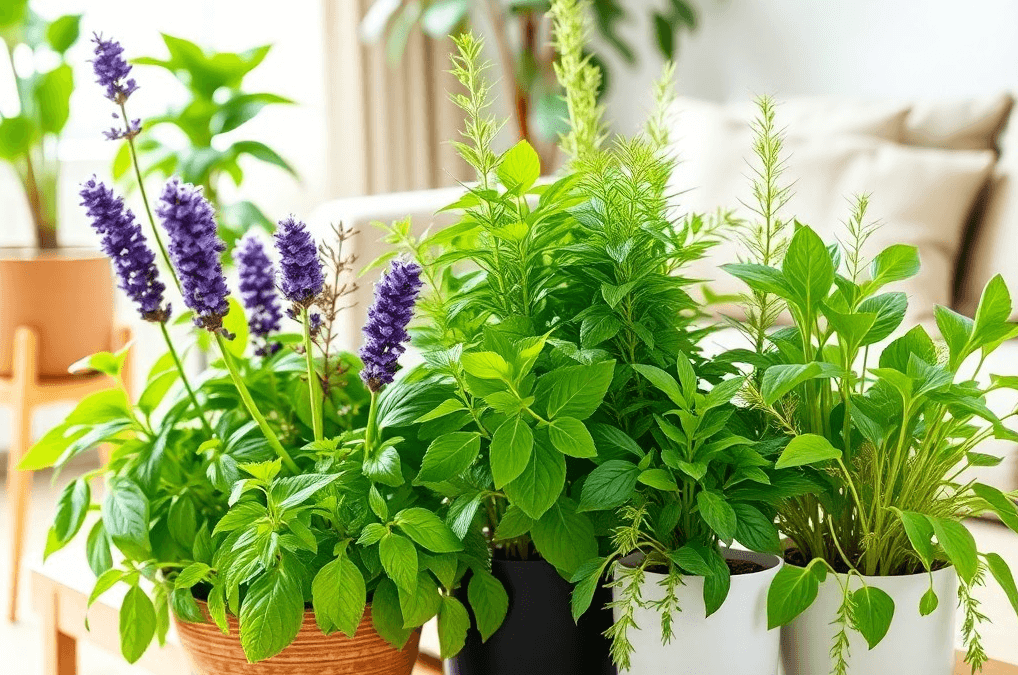
- Enlist Aromatic Allies: Incorporate a few naturally ant-repellent plants into your indoor garden. The strong scents of herbs like Mint, Rosemary, and Lavender are often offensive to ants, creating a natural barrier.

| Prevention Checklist | Action Item | Why It Works |
|---|---|---|
| Home Entry Points | Seal gaps around windows, doors, and pipes with caulk. | Blocks the most common highways for ants to enter your home. |
| Kitchen & Food Areas | Wipe up spills immediately; store food in airtight containers. | Eliminates the food sources that attract ants in the first place. |
| Plant Setup | Elevate pots on feet or use a water-filled tray as a moat. | Creates a physical barrier that ants cannot easily cross. |
| Potting & Drainage | Ensure pots have good drainage; amend soil with sand/perlite. | Prevents waterlogged soil, which attracts ants and harms plant roots. |
| Aromatic Allies | Place ant-repellent plants like mint or rosemary nearby. | The strong scents naturally deter ants from approaching the area. |
Natural Ways to Get Rid of Ants on Indoor Plants
If you already have an ant problem, don’t rush for the caustic chemical sprays. Your pantry likely holds several effective and safe natural remedies.
- Cinnamon and Spice: Ants navigate using pheromone trails, and potent aromas disrupt their path. Sprinkling powdered cinnamon on the soil surface is an excellent repellent. You can also use cayenne pepper, black pepper, or even used coffee grounds.
- Citrus Power: Ants are repelled by the essential oils in citrus. You can lay orange peels or other citrus peels on the soil or create a spray. Mix lemon juice and water in a spray bottle to wipe down ant trails. A diluted white vinegar solution works just as well.
- Peppermint Oil Power: The strong scent of peppermint oil overwhelms an ant’s sensitive antennae, effectively jamming their chemical communication. For a potent repellent spray, mix 10-20 drops of pure peppermint essential oil with 2 cups of water and a few drops of dish soap in a spray bottle.
- Neem Oil Treatment: Neem oil is a cornerstone of organic pest control. It’s a repellent that also disrupts insects’ hormonal systems. Mix 1-2 teaspoons of cold-pressed neem oil and 1/2 teaspoon of mild dish soap into a quart of warm water. Use a spray bottle to treat pests on leaves or pour it directly on the soil as a “soil drench.”
- Soapy Water Solution: For a direct intervention, a simple soapy water solution is incredibly effective. For a heavy infestation, you can submerge the entire pot in a bucket of this solution for about 20 minutes to eradicate ants in the soil. Afterward, flush the root ball thoroughly with clean water.
- Diatomaceous Earth (DE): This powder abrades the ants’ waxy exoskeleton, causing them to dehydrate. Sprinkle a light layer of food-grade DE on top of dry soil. It’s non-toxic to pets and humans but lethal to ants. Reapply after watering. Source: University of California Agriculture & Natural Resources

| Natural Remedy | How It Works | How to Apply | Best For |
|---|---|---|---|
| Cinnamon/Pepper | Strong scent disrupts pheromone trails. | Sprinkle powder on top of the soil. | Repelling ants from the pot; low-level issues. |
| Citrus Peels/Spray | D-limonene in citrus oil is a natural repellent. | Lay peels on soil or spray diluted lemon juice on trails. | Wiping out scent trails and deterring entry. |
| Peppermint Oil Spray | Overwhelms ants’ sensory organs. | Mix 10-20 drops with water and a little soap in a spray bottle. | A strong, non-contact repellent for trails & pot exteriors. |
| Neem Oil Drench | Acts as a repellent and disrupts insect growth. | Mix with water and soap; pour directly onto the soil. | Treating the root cause (pests) and repelling ants. |
| Soapy Water | Breaks down insect exoskeletons. | Submerge the pot for 20 mins or spray directly on pests. | Directly eliminating pests on the plant and ants in the soil. |
| Diatomaceous Earth | Abrasive particles dehydrate ants. | Sprinkle a thin layer of food-grade powder on dry soil. | Creating a deadly barrier for ants crawling on the soil. |
Advanced Solutions for a Stubborn Ant Infestation
Sometimes, a colony is stubbornly entrenched. In these cases, you may need more robust methods.
- Ant Baits and Traps: The most effective ant baits and ant traps are slow-acting. Worker ants carry the toxicant—often boric acid—back to the nest, eliminating the entire colony. Always opt for commercial, enclosed bait stations that are child- and pet-tamper-resistant. You can also place sticky traps around the base of the plant pot to catch foragers.
- Repotting: For a truly pervasive ant infestation, the best solution is repotting. Gently remove the plant, wash the old, contaminated soil from the root ball, scrub the plant pot with hot, soapy water, and repot in a fresh, sterile growing medium.
Common Ant Control Mistakes to Avoid
- Don’t Just Spray Foragers: It’s tempting to spray the line of ants you see, but these are just a fraction of the colony. For a lasting solution, you must target the nest with slow-acting ant baits.
- Avoid Outdoor Pesticides Indoors: Never use a pesticide intended for your lawn or garden inside your home. These products aren’t formulated for enclosed spaces.
- Don’t Ignore the Root Cause: Simply getting rid of the ants without addressing the underlying issue—be it an aphid infestation or overwatering—means they’re likely to return.
While focusing on your indoor plants, it’s worth remembering the broader ecosystem. If you have an outdoor garden, encouraging beneficial insects like ladybugs and lacewings can help control aphid populations, reducing the chance of them gaining entry indoors.
Get Rid Ants From Houseplants
Seeing pests on your beloved plants can be discouraging, but it’s a common part of plant stewardship.
With observation, persistence, and these effective methods, you can protect your leafy friends and enjoy the peace they bring to your home.
Now, you have learn how to get rid ants from your houseplants, what’s next?
Happy gardening, folks!
From Bank Statement to QuickBooks-Ready File
That manual cleanup you just read about? This tool skips it. Turn your PDF into QBO for QuickBooks without storing your data anywhere.
Start Converting