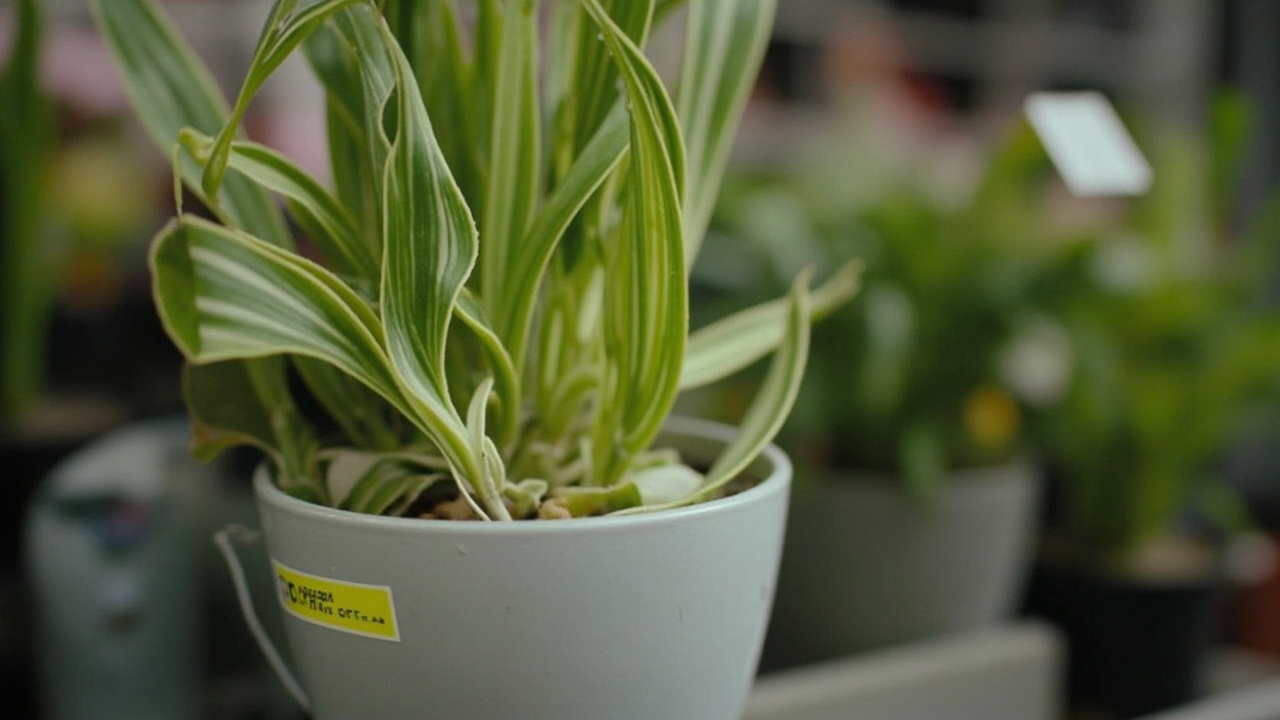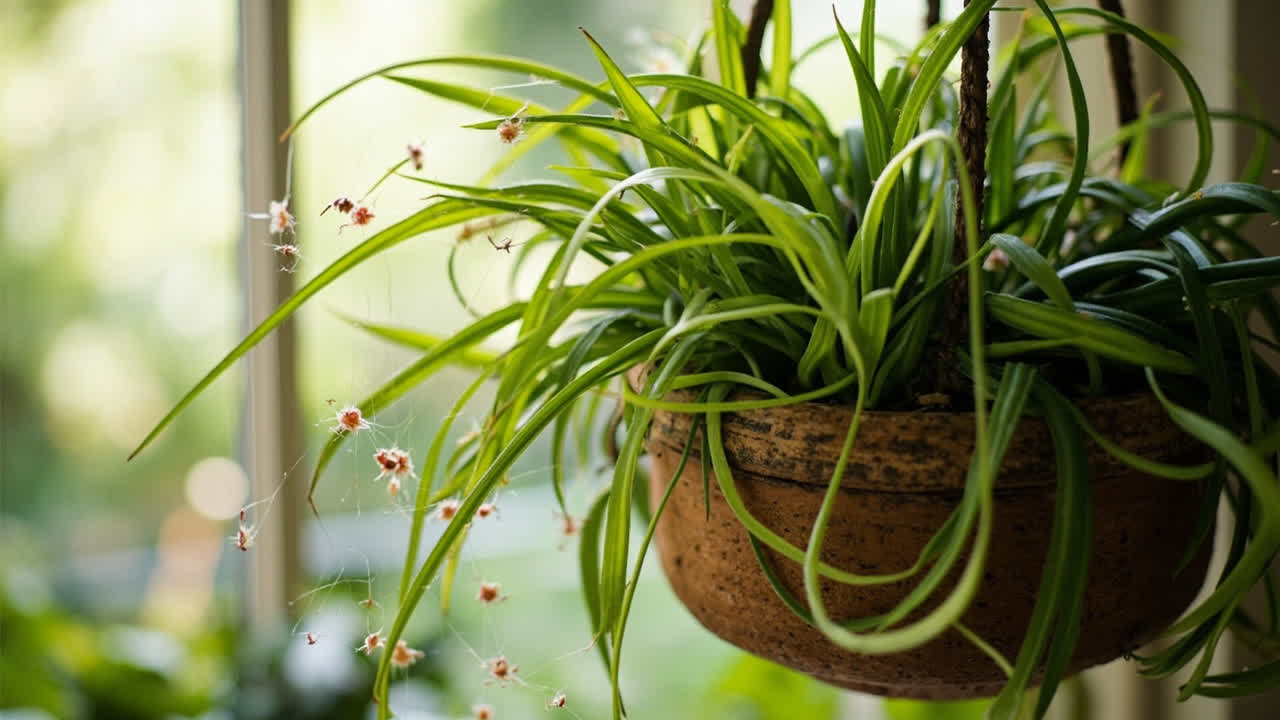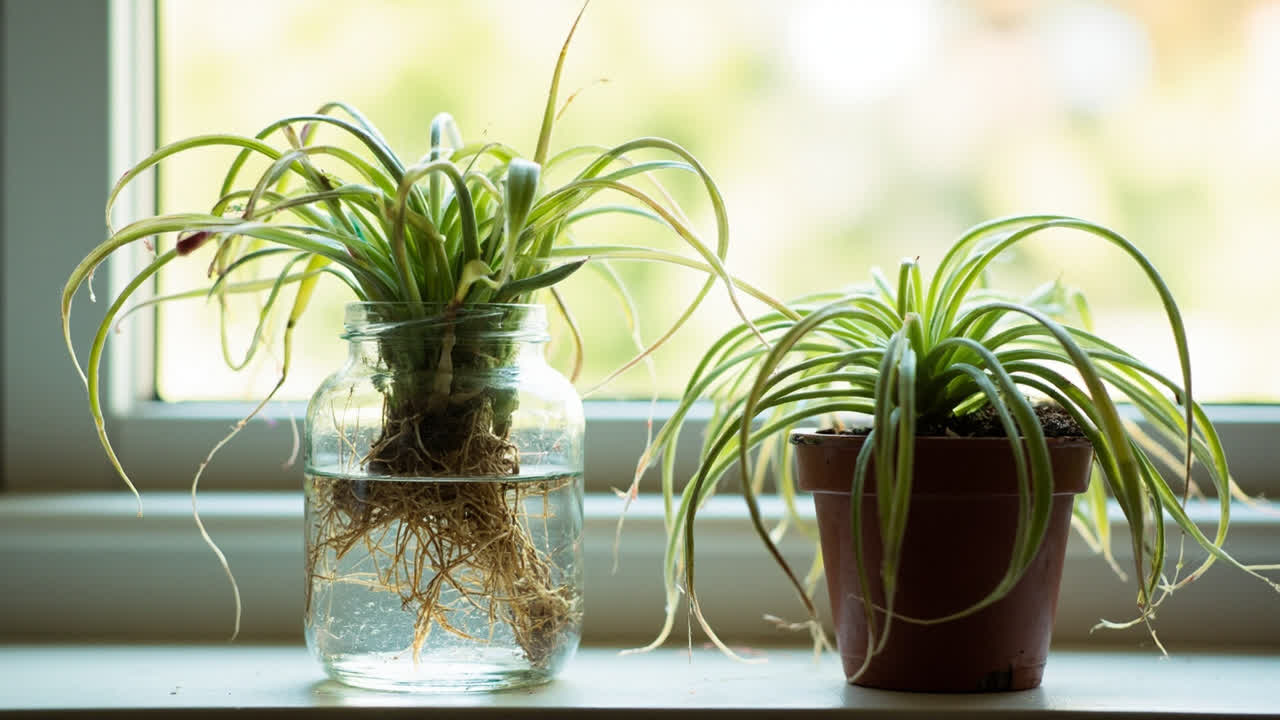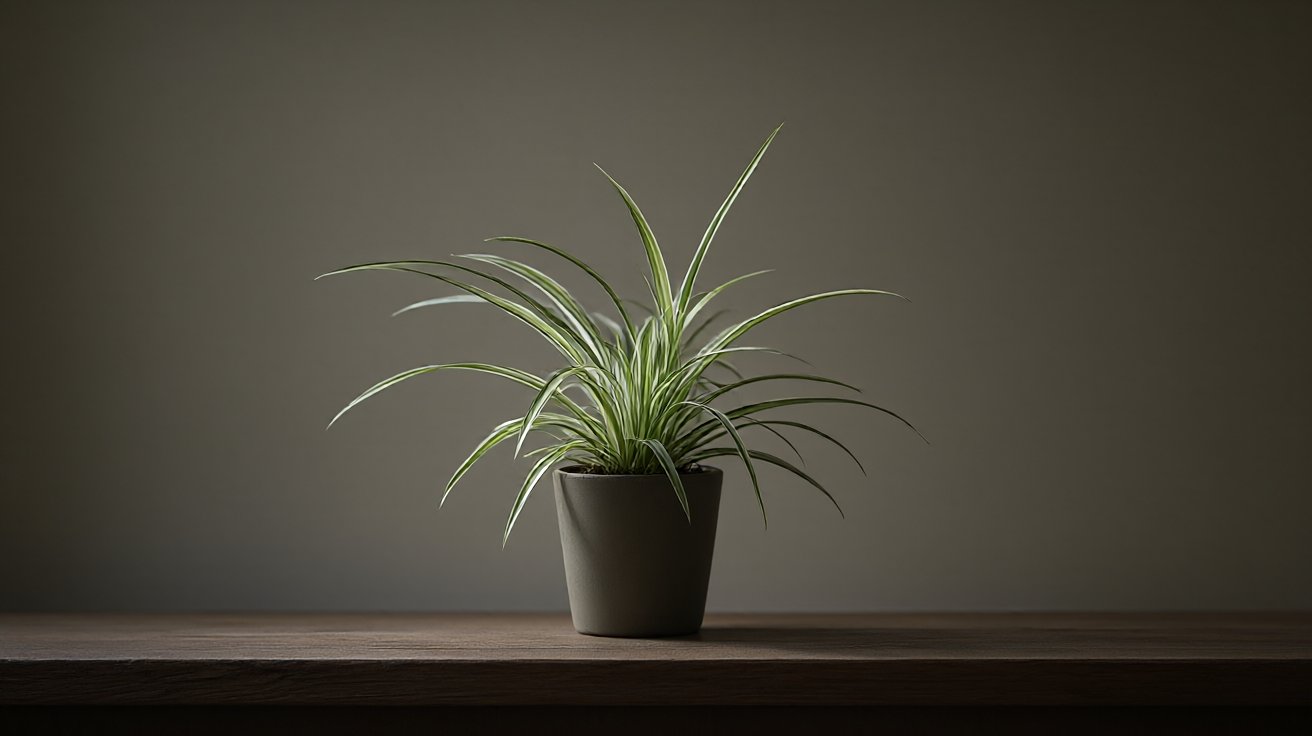

A spider plant that stops growing is rarely dead. It is usually responding to a condition it cannot fix on its own: too little light, a pot it has outgrown, or a season that has slowed its metabolism. The fix is not more fertilizer; it is identifying which condition changed first. This guide walks through the diagnosis in order, from the most common cause to the least.
It is written for Chlorophytum comosum grown indoors.
The Most Common Cause: Insufficient Light
Spider plants are often sold as low-light plants, which is misleading. They survive in low light; they grow in bright, indirect light. A plant in a dim corner may look alive for months while producing almost no new leaves. The tell is etiolation: longer, thinner leaves reaching toward the window, and paler variegation.
Move the plant closer to a bright window, out of direct midday sun. Growth should resume within two to four weeks. If the plant has been in low light for a long time, reintroduce brighter light gradually to avoid scorch. Our spider plant low light guide covers the survival-versus-growth distinction, and spider plant light requirements covers intensity.
The Second Most Common Cause: Root Bound
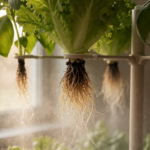
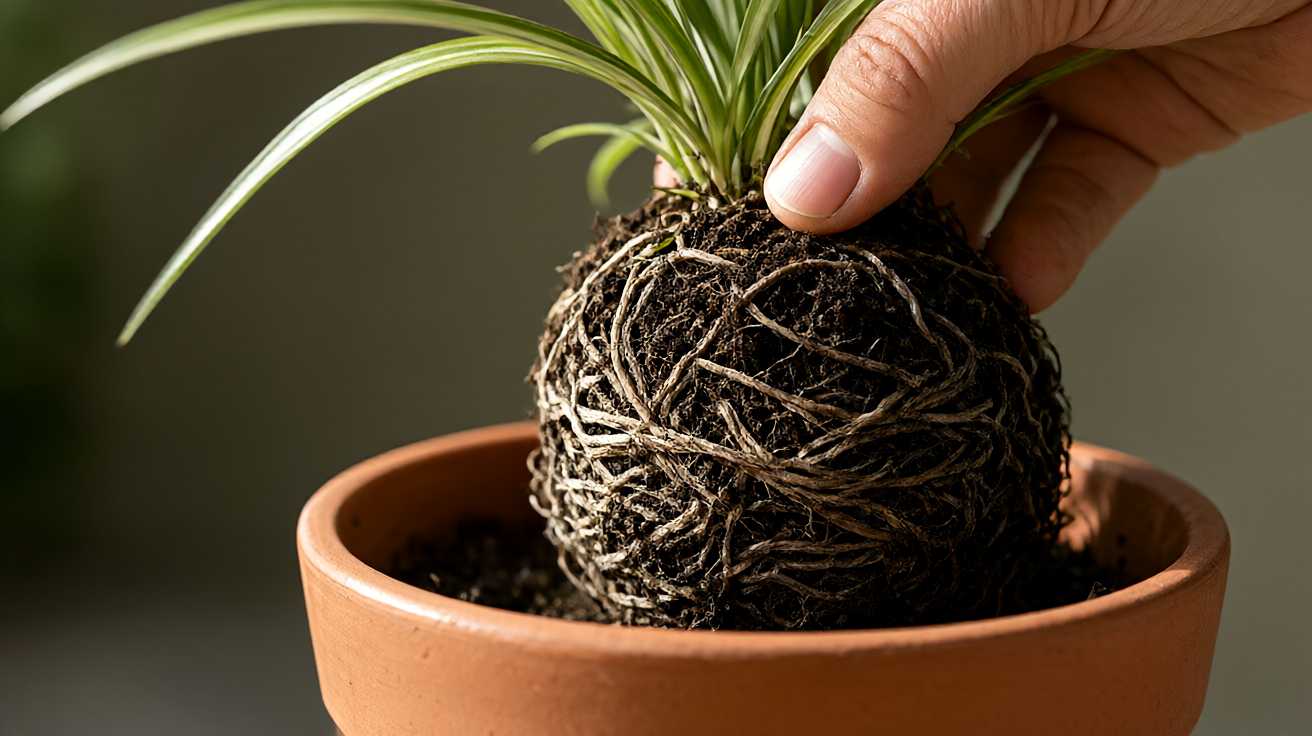
A plant that has filled its pot with roots has nowhere to expand and little soil to hold water and nutrients. Growth stalls even when light and water are correct. The signs are roots at the drainage hole, soil that dries within a day, and no new growth for months.
Unpot and inspect. If the root ball is dense, repot one size up into fresh mix. Our spider plant root bound guide covers diagnosis, and how to repot a spider plant covers the procedure.
Seasonal Slowdown
Spider plants slow growth in autumn and winter as light decreases and temperatures drop. This is normal and not a problem to fix. A plant that stops growing in November and resumes in March is behaving correctly. Do not increase watering or fertilizer to force growth; that only risks root rot in soil that dries more slowly.
Reduce watering slightly and stop fertilizing until spring. Resume when new growth appears.
Nutrient Depletion
Soil nutrients are finite. A plant in the same pot for over a year, or one that has never been fertilized, may stall from nitrogen deficiency. The signs are pale, yellowish older leaves and slow growth despite adequate light and water.
Feed at half strength during the growing season. Do not overcorrect: excess fertilizer causes burn, which stalls growth further. Our how to fertilize spider plants guide covers ratios, and spider plant fertilizer burn covers the risk.
Water Quality and Root Stress
Fluoride and salts in tap water accumulate over time and damage roots, which reduces water and nutrient uptake. A plant that grows slowly and shows brown tips despite correct care may be suffering water-quality stress. Switch to rainwater or filtered water, and flush the soil periodically. Our spider plant tap water guide explains the mechanism.
Overwatering and Root Rot
Root rot is the hidden killer of spider plants. Damaged roots cannot support growth even when light and nutrients are adequate. The plant may look alive but produce nothing. Check the soil: if it stays wet and the base is soft or musty, rot is likely. Stop watering, inspect roots, and repot into fresh mix if needed. Our spider plant overwatering and spider plant root rot guides cover diagnosis and recovery.
Temperature Stress
Cold drafts and sudden temperature swings slow metabolism and can stall growth. A plant near a window in winter, or under an air conditioning vent, may stop growing even in good light. Move it to a stable spot. The comfortable range is roughly 13 to 27 degrees Celsius. Our spider plant temperature tolerance guide covers thresholds.
Diagnostic Order
Check in this order, because the causes overlap:
1. Light: is the plant within 1 to 2 metres of a bright window?
2. Season: is it autumn or winter?
3. Roots: is the pot full of roots, or is the soil staying wet?
4. Water: are you using tap water, and are there brown tips?
5. Nutrients: has the plant been fed this growing season?
6. Temperature: is the plant in a draft or near a vent?
Only change one variable at a time, and give the plant two to four weeks to respond before changing another.
When to Expect Growth
A healthy spider plant in good conditions adds new leaves continuously through spring and summer, and produces spiderettes when mature. If growth resumes after your fix, the plant was limited by that factor. If nothing changes after six weeks, revisit the root system; persistent stagnation is almost always a root problem.
For the full care baseline, see our spider plant care guide, and if slow growth is only one of several symptoms, our spider plant problems index helps sort the picture.
From PDF to Excel in one click
Forget retyping line by line. Upload any bank statement, get a spreadsheet you can actually use. Your files are never stored, and you can test the converter with 3 free conversions.
Try it free