
Spider plants are often promoted as air purifiers, pet-safe houseplants, and easy beginner plants. Some of those claims are well supported; others are overstated. This guide separates what spider plants actually do from what marketing says they do, so you can decide whether one belongs in your home for the right reasons.
It is written for Chlorophytum comosum grown indoors.
What Spider Plants Actually Do Well
They are genuinely easy to grow. Spider plants tolerate irregular watering, a range of light levels, and neglect better than most houseplants. Their tuberous roots store water, which gives them a buffer against missed waterings. They recover from stress faster than most species, and they produce visible new growth quickly, which makes them rewarding for beginners.
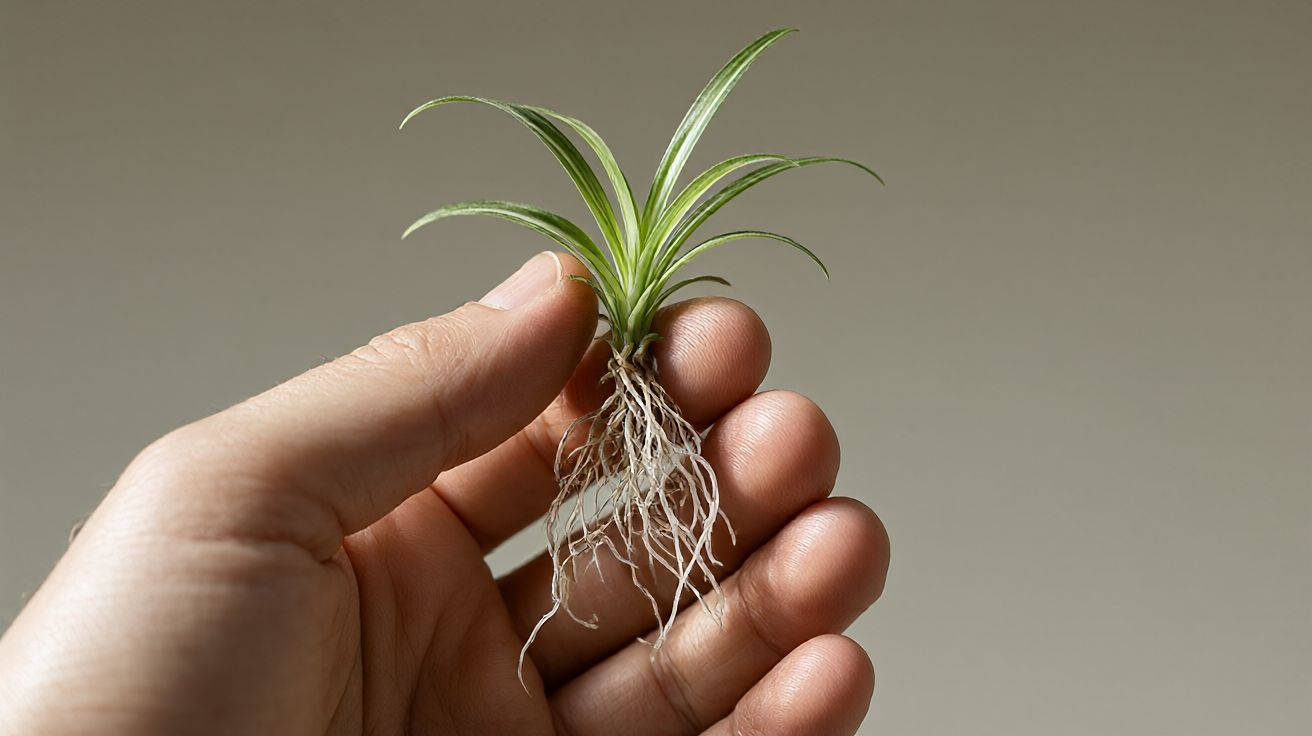
They propagate prolifically. A mature plant produces spiderettes that root easily in water or soil, making it simple to share plants or fill a collection without buying more. Our spider plant propagation guide covers method selection.
They are non-toxic to cats and dogs. The ASPCA lists Chlorophytum comosum as non-toxic to both. Ingestion can still cause mild gastrointestinal upset, and non-toxic does not mean unlimited consumption is advisable, but the plant is safer than many common houseplants.
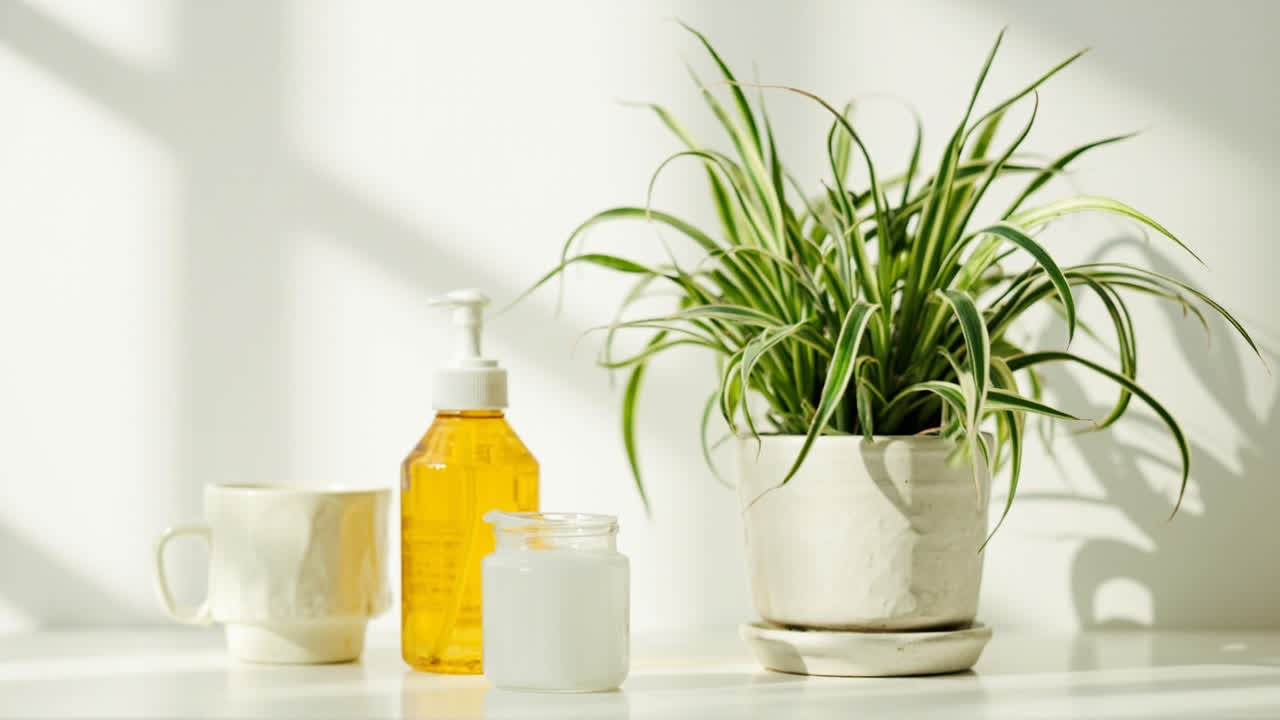
They are visually adaptable. Variegated forms brighten dim corners, and the arching habit works in hanging baskets, shelves, and stands. They fit a wide range of interiors without demanding specific conditions.
The Air-Purification Claim: What the Evidence Actually Shows
The claim that spider plants purify indoor air comes from a 1989 NASA study that tested plants in sealed chambers. Spider plants performed well at removing certain volatile organic compounds under those conditions.
The problem is scale. The NASA study used a small number of plants in a sealed container with no air exchange. A real home has hundreds of air changes per hour through ventilation, and the number of plants needed to match that ventilation is impractical. Recent reviews of the indoor plant literature conclude that the effect of houseplants on indoor air quality in real homes is negligible compared with ventilation and source control.
This does not make spider plants useless. They are still attractive, low-maintenance plants. It means you should not buy one expecting measurable air purification. If indoor air quality is your goal, ventilation, filtration, and removing pollutant sources are the effective interventions.
What Spider Plants Do Not Do
They do not thrive in deep shade. They survive low light, but growth and variegation suffer. If you need a plant for a dark corner, a snake plant or ZZ plant is more tolerant.
They are not drought-proof. They tolerate missed waterings better than ferns, but repeated drought causes brown tips and stunted growth. They need consistent, if infrequent, watering.
They are not pest-free. Spider mites and mealybugs can infest them, especially in dry air. Regular inspection is still needed. Our spider plant pest identification guide covers common species.
Practical Uses Around the Home
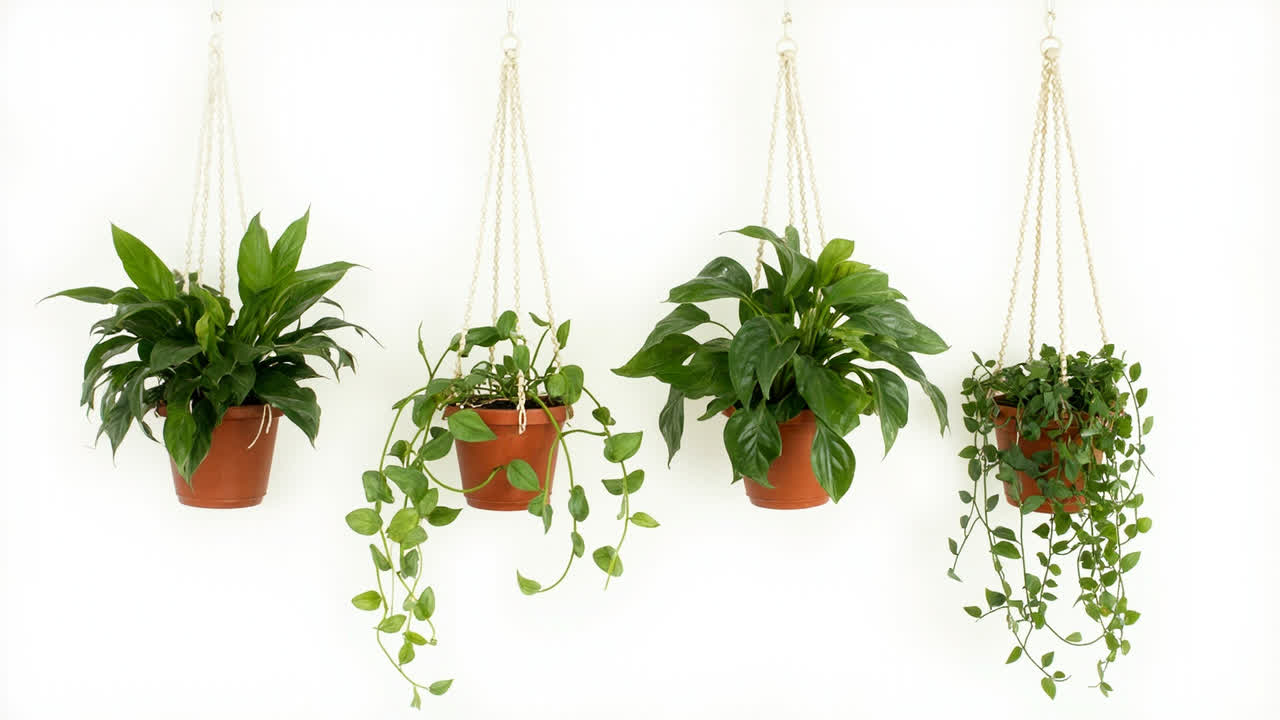
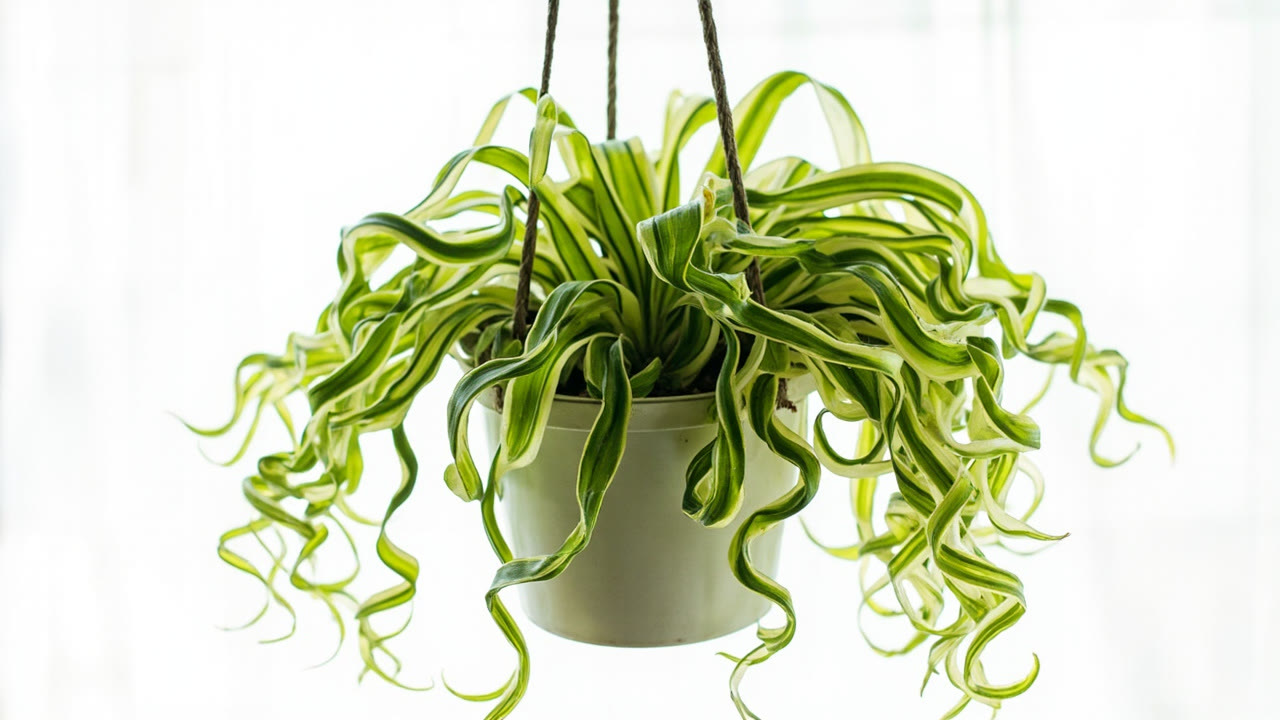
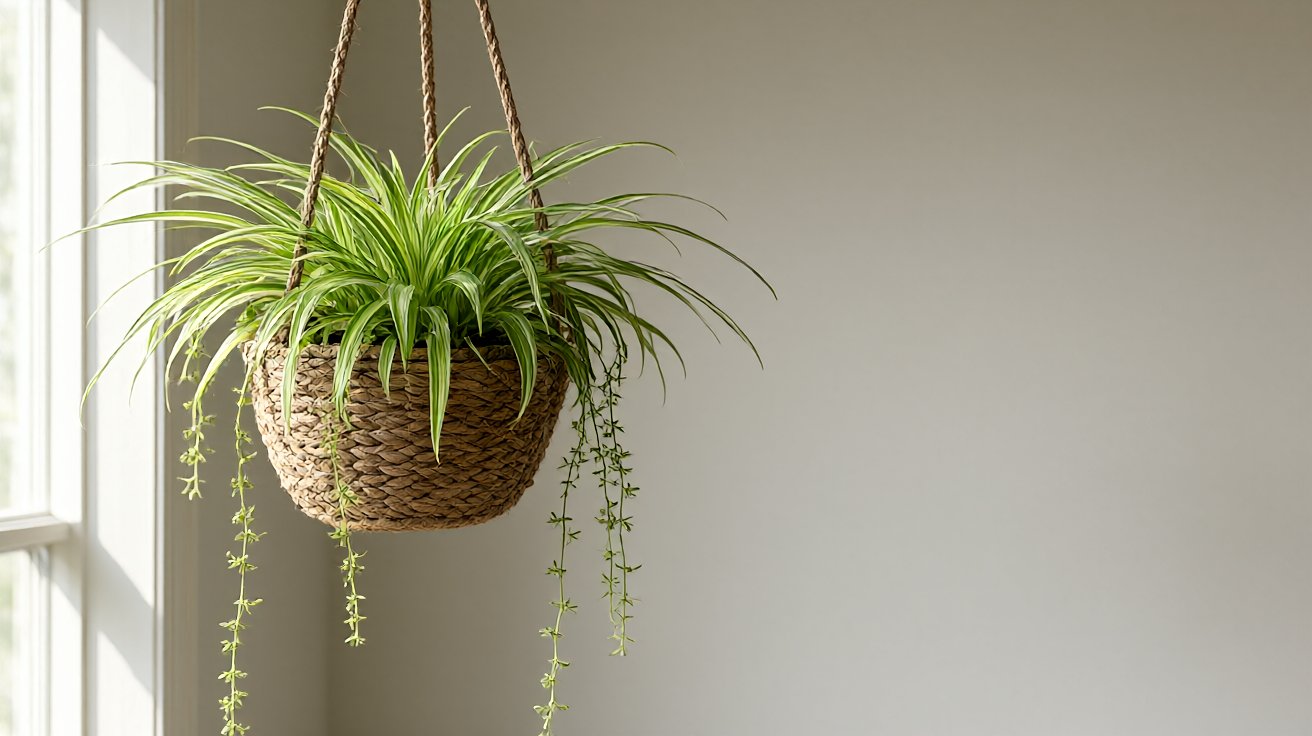
Hanging baskets: the arching leaves and cascading spiderettes suit a hanging planter in a bright room. Our guide on spider plant hanging basket care covers the specific needs.
Propagation and sharing: because spiderettes root so easily, a single plant can supply gifts for years. This is a genuine, practical use that most plants cannot match.
Educational plant: the visible life cycle, from flower to runner to spiderette to rooted plant, makes spider plants useful for teaching children about plant reproduction.
Low-maintenance collection filler: in a bright spot with decent humidity, a spider plant adds texture and movement without demanding daily attention.
Choosing a Spider Plant for the Right Reason
Buy a spider plant because you want an attractive, low-maintenance plant that propagates easily and is safe around pets. Do not buy one expecting air purification, deep-shade performance, or zero care. Match the plant to the conditions you can provide, and it will reward you for years.
For the full care baseline, see our spider plant care guide, and if you are choosing between cultivars, our spider plant varieties comparison and spider plant buying guide cover selection.
From Bank Statement to QuickBooks-Ready File
That manual cleanup you just read about? This tool skips it. Turn your PDF into QBO for QuickBooks without storing your data anywhere.
Start Converting