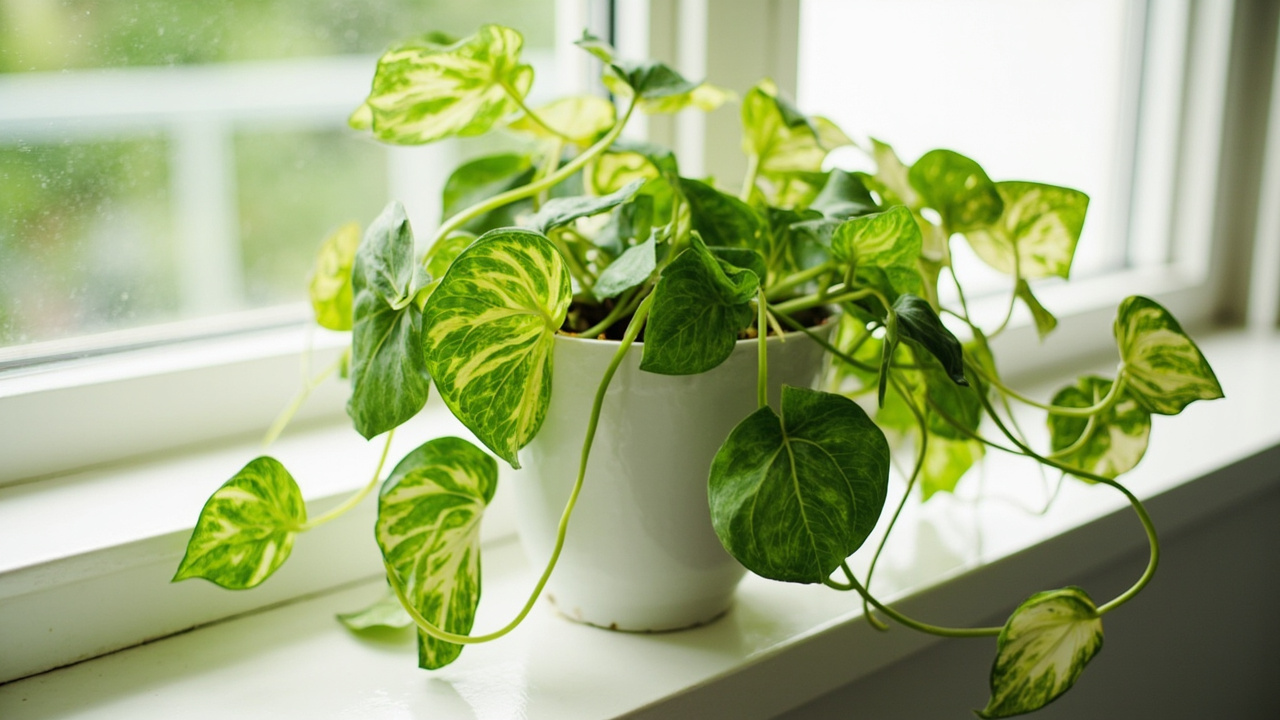
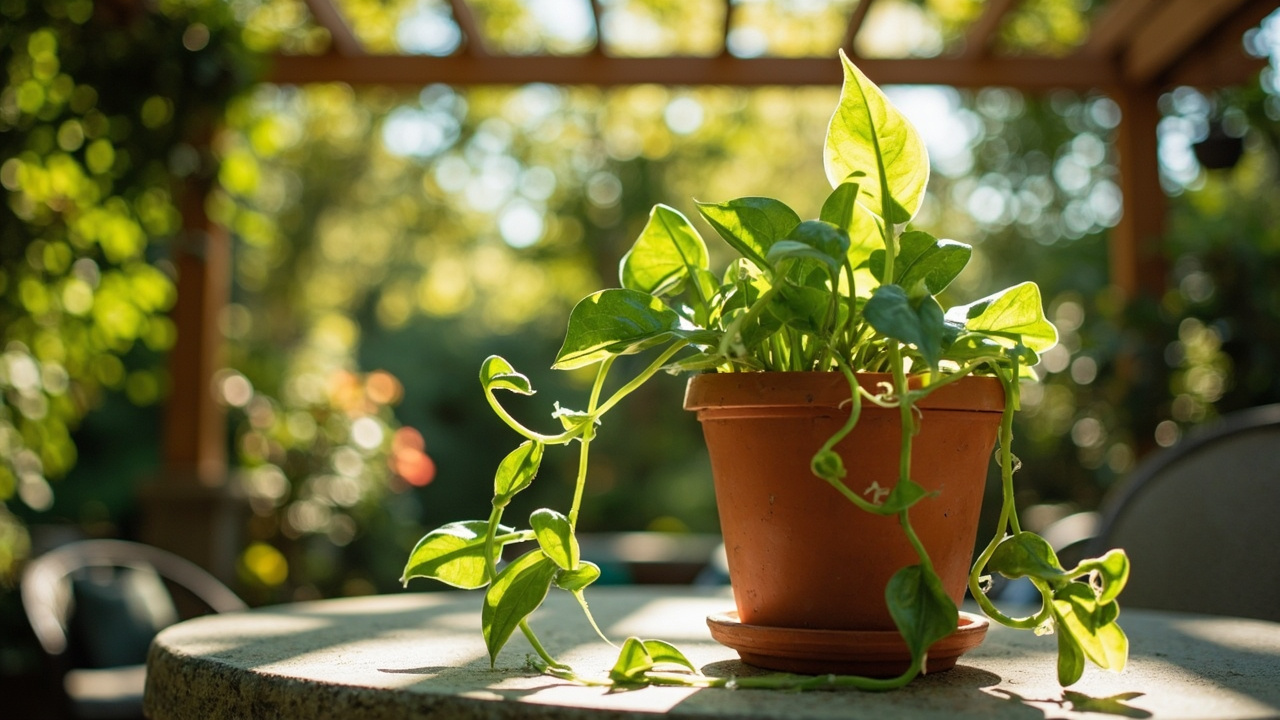
Money plants (Epipremnum aureum) grow best at 50–70% relative humidity. Below 40%, the first sign is usually brown leaf edges, and new growth slows noticeably. This article covers what the plant actually needs, how to spot problems, and how to fix them.
As a tropical understory plant, money plant evolved in consistently humid forests where moisture hangs in the air year-round. That history shapes its expectations indoors: it moves water through its leaves constantly, and dry air interrupts that process at the stomata — the tiny pores on leaf surfaces that regulate gas exchange and water loss.
When humidity drops below 40%, the plant cannot keep up with water loss through those stomata. The first casualty is usually the leaf edges, which lose water fastest because they have the largest surface-area-to-volume ratio. Crispy, brown edges on the oldest leaves are the most common early warning sign.
What Relative Humidity Does for a Money Plant
Relative humidity is not just about moisture in the air — it is about the rate at which a plant can move water up from its roots and out through its leaves. In a money plant, this process — called transpiration — creates a continuous pull that also brings dissolved nutrients up from the potting mix. When the air is dry, the stomata close partially to conserve water. That closure slows nutrient uptake even if the soil is damp and well-fed. The plant is essentially going thirsty while sitting in moist soil.
At 50–70% relative humidity, money plant transpires at a steady, sustainable rate. Leaves stay flexible, new leaves expand fully, and the characteristic glossy, fenestrated foliage develops properly. Below 40%, the guard cells around the stomata signal the plant to throttle back, and growth stalls even under otherwise good conditions.
The Money Plant’s Ideal Humidity Range
Money plants are comfortable in the same humidity range most homes maintain naturally in summer: 50–70% relative humidity. Below 50%, stress symptoms begin to appear on sensitive specimens, particularly in winter when heating systems strip moisture from indoor air. Below 30–35%, damage becomes visible within days.
Avoid pushing humidity above 80% for extended periods. Very high humidity reduces the vapor pressure differential between the leaf and the air, which slows transpiration below the level needed for active growth. More importantly, consistently wet leaf surfaces at high humidity invite fungal pathogens — the same Alternaria and Botrytis species that cause leaf spots and stem rot in crowded collections.
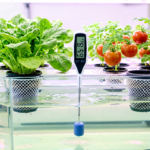
The practical sweet spot is 50–65%, which is comfortable for both the plant and most household members. A hygrometer near the plant tells you the real number rather than guessing from room-level readings.
Signs Your Money Plant Needs More Humidity
Humidity stress shows up in a predictable sequence on money plants. Catching it early matters — prolonged stress does not kill the plant outright, but it opens the door to secondary problems like spider mites, which thrive in dry conditions.
Browning Leaf Edges
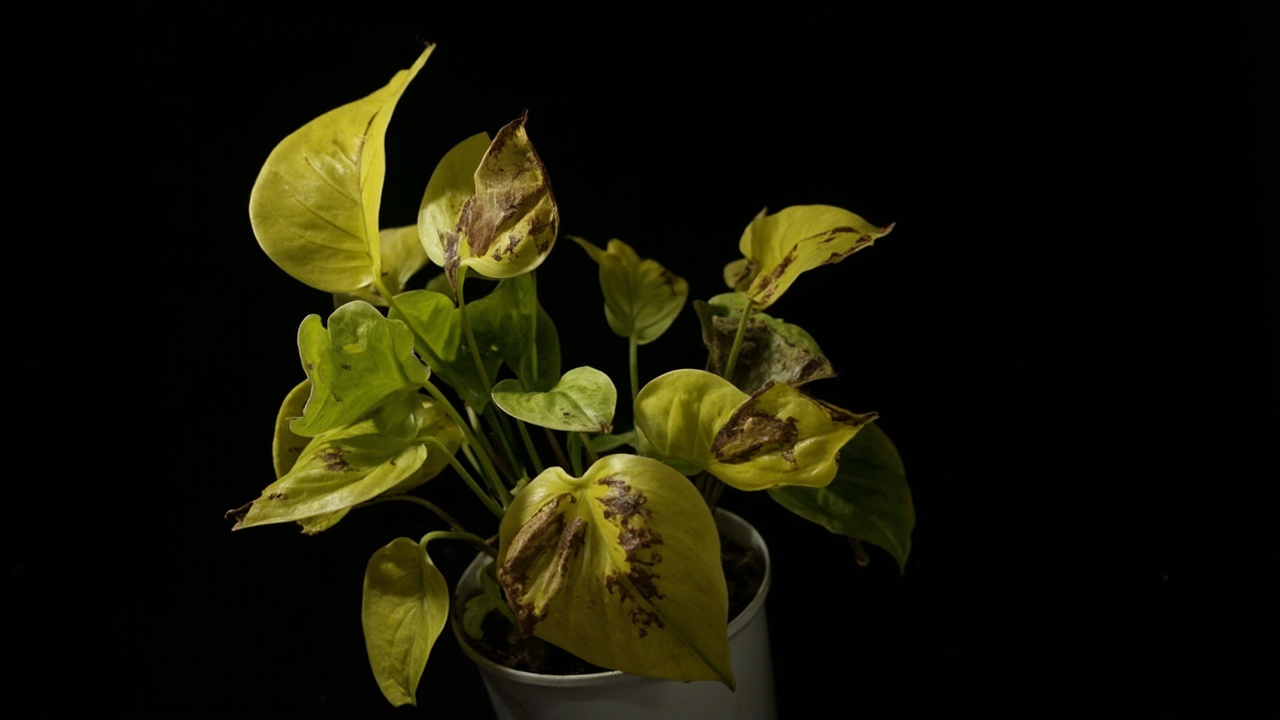
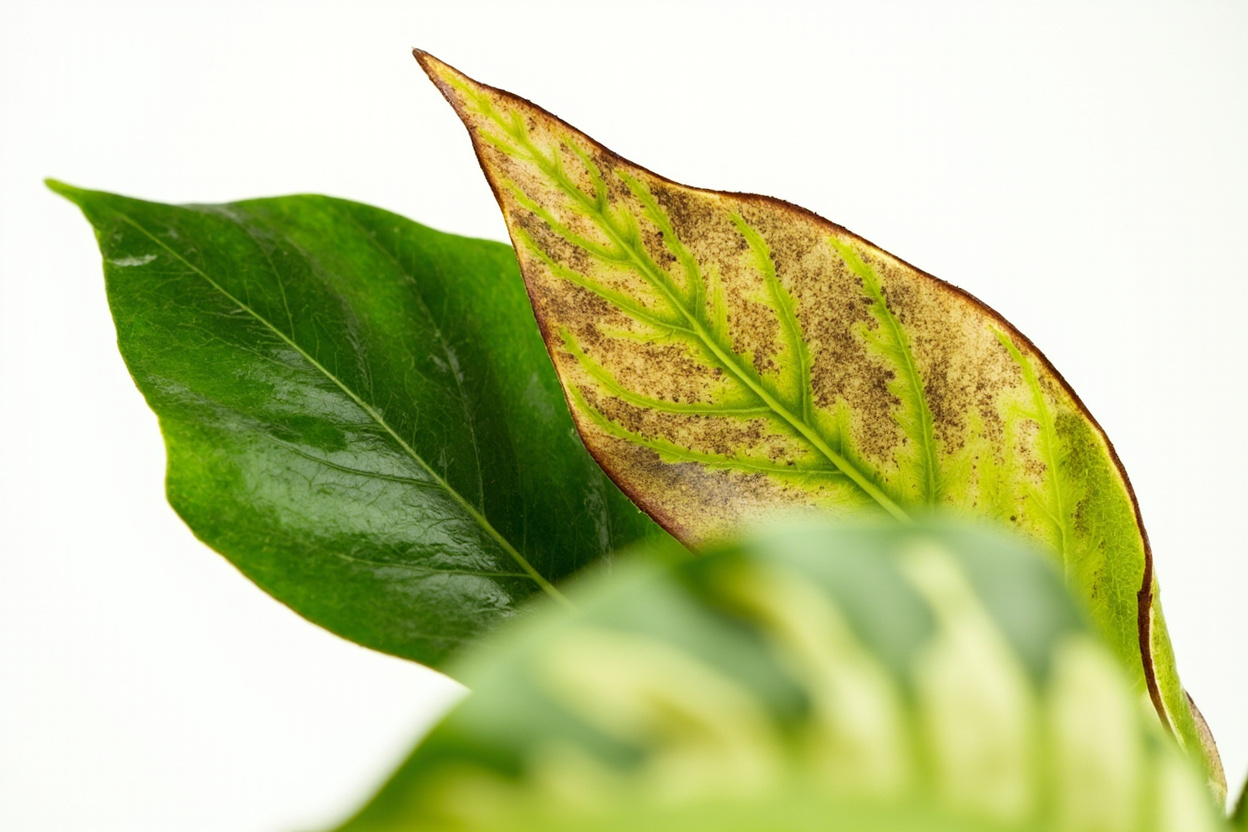
The most common symptom. Leaf edges and tips turn dry and crispy while the rest of the leaf stays green. The affected tissue is papery to the touch and does not recover. New leaves expand smaller than expected. This is a reliable sign that relative humidity at the leaf surface is running below 40%.
Leaf Curling
Leaves roll inward along their edges, reducing the surface area exposed to dry air. This is an active drought-avoidance mechanism — the plant is trying to lose less water. Curling that appears suddenly in dry weather or during winter heating season is almost always humidity-related rather than a watering problem.
Stunted New Growth
New leaves emerge smaller than usual, sometimes only partially unfurled. The newest leaf may be pale or yellowish. This happens because the plant cannot maintain the turgor pressure needed to expand new tissue when water loss exceeds absorption.
How to Raise Humidity for Your Money Plant
These methods work in roughly descending order of effectiveness. Start with the simplest and move up only if needed.
- Use a pebble tray: Place a tray filled with pebbles and water beneath the pot, with the pot sitting on the pebbles above the waterline. Evaporation raises local humidity around the leaves. Refill the tray every few days. Effectiveness: modest, but free and low-maintenance.
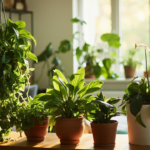
- Group plants together: Plants transpire, and grouped together they create a shared humid microclimate. A cluster of three or more plants noticeably outperforms a single isolated plant in dry conditions. If you need to revive a money plant in water after severe root damage, the extra humidity from grouping helps it recover faster.
- Run a humidifier nearby: A small cool-mist humidifier in the same room — not pointed directly at the plant — raises room-level humidity into the 50–70% range. Clean it weekly to prevent mold and bacterial buildup in the unit.
- Move the plant to a more humid room: Kitchens and bathrooms naturally run more humid than living rooms or bedrooms. A money plant near a frequently used kitchen, or in a bathroom with a window, often stays healthier in winter without any additional intervention.
- Mist the leaves (use with caution): Light misting provides a brief humidity boost but evaporates within minutes in dry air. It is not a substitute for any of the methods above, and wet leaf surfaces for extended periods can promote fungal growth. If you mist, do it in the morning so leaves dry before evening.
Results from raising humidity typically show within 1–2 weeks: existing leaves stop crisping further, and new leaves begin expanding at normal size. The already-damaged edges will not heal, but they will not spread once the plant is back in its comfort zone.
Common Mistakes When Managing Humidity
Over-correcting humidity causes problems as real as dry air. The most common mistakes:
- Sealing the plant in a closed case or bag: This traps moisture against the leaves and eliminates air circulation, creating ideal conditions for fungal rot. Money plants are not terrarium plants — they need airflow.
- Pointing a humidifier directly at the foliage: Constant direct moisture on leaves is more harmful than dry air. Aim humidifiers at room level, away from direct leaf contact.
- Ignoring temperature interaction: Warm air holds more moisture than cool air. A hygrometer reading of 50% at 70°F (21°C) feels much more humid than the same reading at 60°F (16°C). Factor in temperature when evaluating whether your plant is actually comfortable.
- Assuming room-level humidity applies at leaf level: Humidity near a heating vent, on top of a radiator, or beside a drafty window can run 20–30 percentage points below the room average. Measure where the plant actually lives.
Other Epipremnum varieties like pothos handle dry air somewhat better, but the pothos humidity requirements are similar enough that the same rules apply. The honest answer is that most money plant humidity issues are winter problems solved by a small humidifier running intermittently in the same room. If you are doing more complicated interventions than that, the plant is likely in an unusually dry environment — or the problem is actually something else, such as inconsistent watering or fertilizer salt buildup.
From PDF to Excel in one click
Forget retyping line by line. Upload any bank statement, get a spreadsheet you can actually use. Your files are never stored, and you can test the converter with 3 free conversions.
Try it free