
Money plants are the most forgiving tropical houseplant when it comes to watering — but “forgiving” isn’t the same as “no attention needed.” Most money plant problems that aren’t light-related are watering-related, and they’re almost always overwatering rather than underwatering.
The good news: getting watering right for money plants is one of the easiest things to fix once you understand the logic.
How Money Plants Actually Use Water
Epipremnum aureum stores water in its leaves and trailing stems. This means it can draw on reserves when you forget to water, and it signals thirst by visibly drooping rather than dying. Unlike more sensitive houseplants that suffer damage from a single missed watering, a money plant that looks wilted from drought usually recovers within hours of watering.
That said, consistent overwatering is where money plants get into trouble. The root system doesn’t tolerate saturated soil well — sitting in water for days causes the roots to rot, which then prevents the plant from absorbing water even when it’s available. This is the confusing part: an overwatered money plant can look like it’s underwatered because the damaged roots can’t do their job.
The Moisture Check: Your Only Real Guide
Don’t water by calendar. The only reliable guide is the soil. Insert your finger 1-2 inches into the potting mix. If it feels dry at that depth, water. If it feels damp, wait. In a 6-inch pot in average indoor conditions, this might mean watering every 7-10 days in spring and summer, and every 2-3 weeks in winter.
Pick up the pot before watering — after a few weeks of handling your plant, you’ll know what “light” feels like versus “still has moisture.” This is more reliable than any schedule.
Watering by Season
Spring and Summer
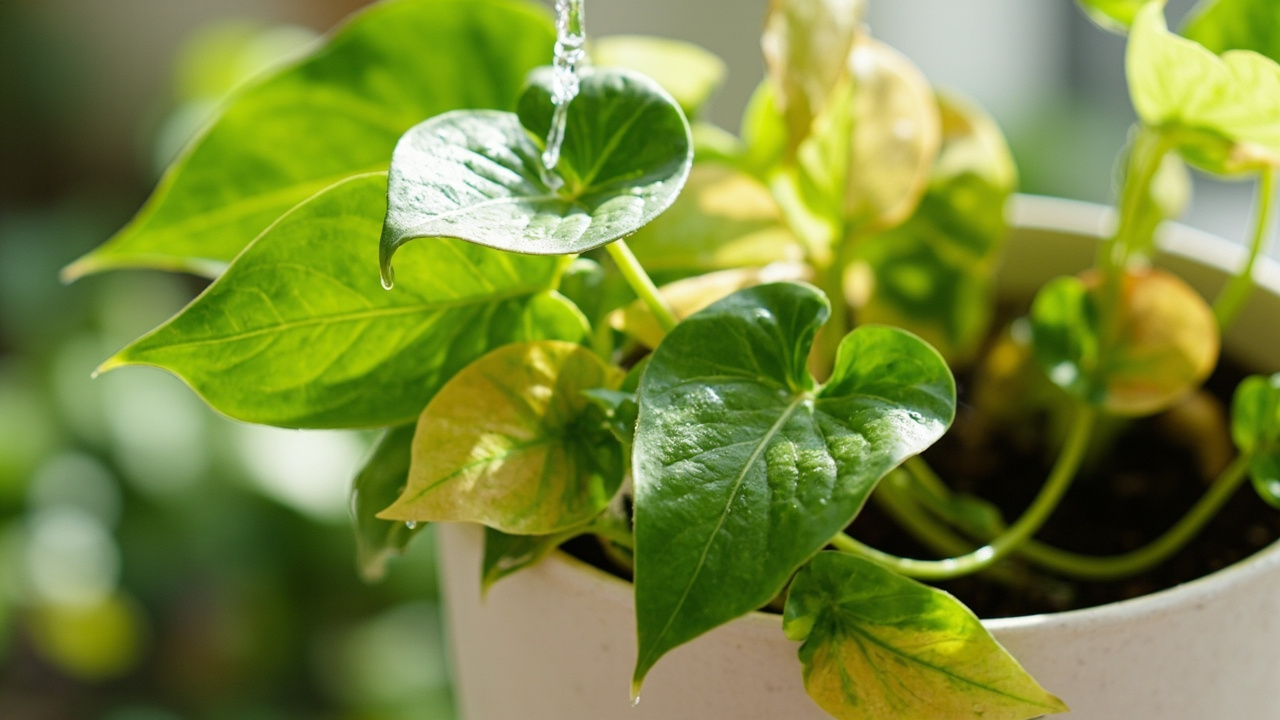
Money plants grow most actively from March through September. During this period, they use more water — the soil dries faster, the plant is transpiring more, and the metabolic rate is higher. Water thoroughly when the top inch is dry. When you water, water until it flows from the drainage holes, then stop. This flushes the soil and ensures the entire root zone gets moisture rather than just the surface.
In very bright conditions, a money plant in a small pot might need water every 5-7 days in summer. In moderate room light, every 10-14 days is typical.
Fall and Winter
Growth slows from October through February, and the plant uses less water. The soil takes longer to dry in cool conditions even if the light hasn’t changed. Reduce watering frequency significantly during these months — you might water the same plant only 2-3 times over the entire winter.
What most people do wrong in winter: they keep the summer watering schedule and wonder why the soil stays wet for weeks. The calendar says every 10 days, so they water every 10 days. The plant doesn’t need it. Check the soil instead.
Signs You’ve Got the Watering Wrong
Overwatering Signs
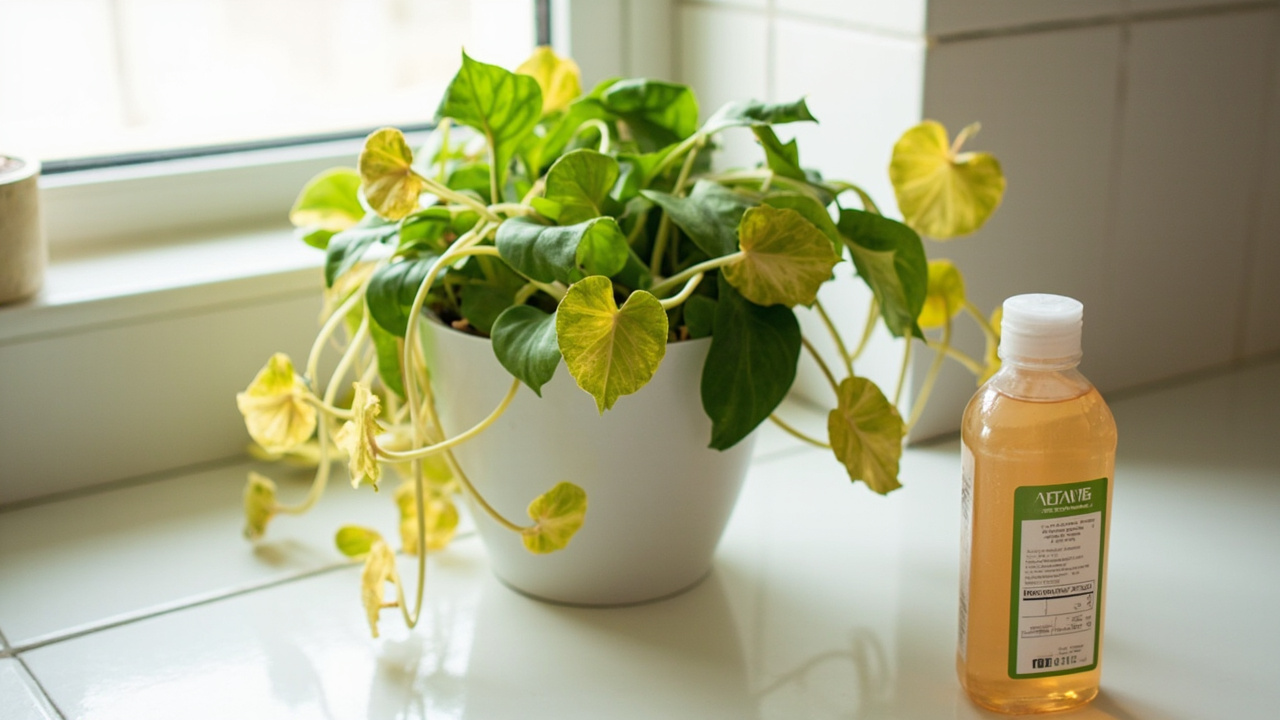
Multiple leaves yellowing at once, particularly the lower leaves. Soft, mushy stems — not just limp, actually soft to the touch. Soil that stays damp for more than two weeks after watering. A pot that feels unusually heavy even after the soil surface has dried. Any smell of decay from the soil.
If you’re seeing these signs, stop watering immediately. Let the soil dry out completely before watering again. If the stems are soft near the base, check the roots for rot.
Underwatering Signs
The most obvious sign: the vines look dramatically droopy and the leaves fold slightly inward. This is the plant’s hydraulic system showing strain — it’s lost water faster than it can replace it. Water thoroughly and the plant should firm within 2-4 hours.
Less obvious underwatering: persistent dryness at the root zone causes leaf edges to brown and crisp. This looks like sunburn or salt buildup but appears in spots that aren’t necessarily in direct light. A thorough soaking usually resolves it and new leaves come in healthy.
Water Quality
Money plants handle most water types reasonably well, but they have one notable sensitivity: fluoride and chlorine, particularly in the neon pothos variety. If your tap water is heavily chlorinated or you’re on a municipal water system with fluoride, you may see tip burn on sensitive varieties even when your watering frequency is correct.
The fix is simple: fill a watering vessel or jug the day before you plan to water and leave it uncovered overnight. The chlorine dissipates, and the water comes to room temperature — both of which are better for the plant. For most money plant varieties, this step isn’t necessary. For neon pothos and a few other sensitive varieties, it’s worth doing.
The Saucer Rule
Always empty the saucer under the pot within 30 minutes of watering. A money plant sitting in standing water is effectively in saturated soil — the drainage holes do nothing if the water has nowhere to go after filling the saucer. This is one of the most common causes of root rot in money plants that are otherwise watered correctly.
Terra cotta pots are particularly useful for money plants because the clay wicks moisture from the soil surface, which speeds drying and reduces overwatering risk. The trade-off is that you may need to water slightly more often because the pot itself absorbs some of the water you apply.
From Bank Statement to QuickBooks-Ready File
That manual cleanup you just read about? This tool skips it. Turn your PDF into QBO for QuickBooks without storing your data anywhere.
Start Converting