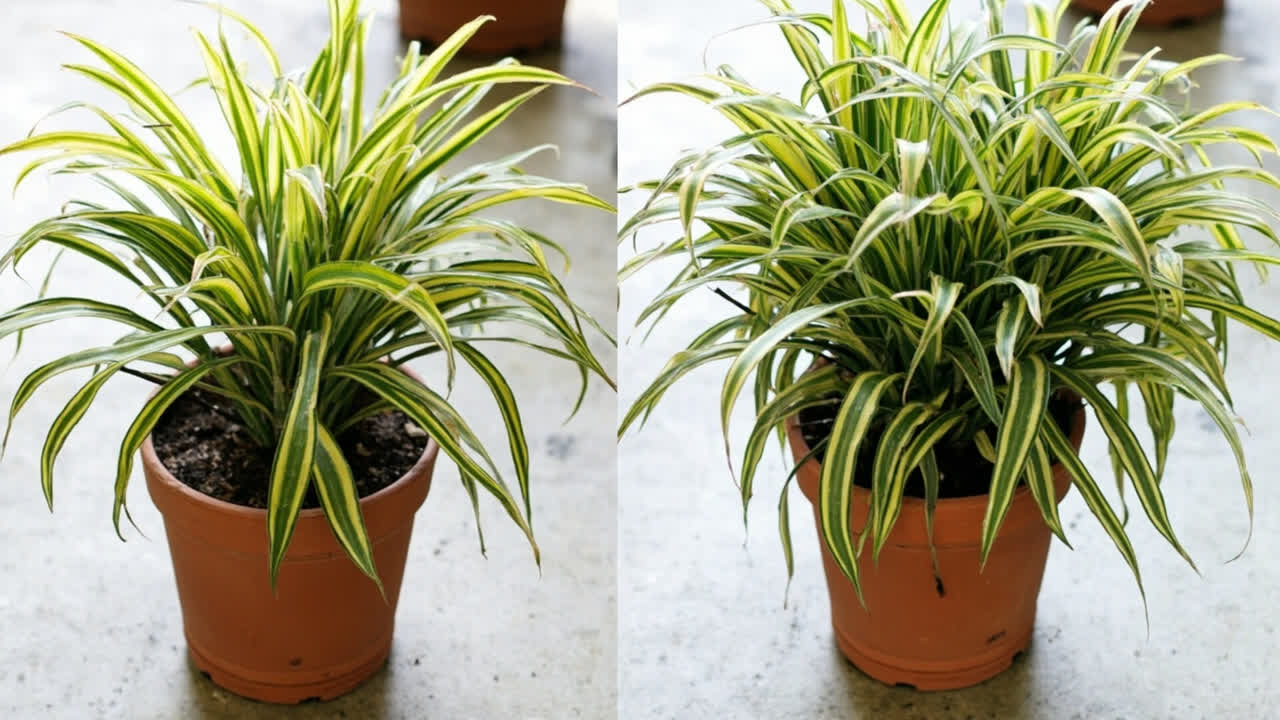
You have been watering your Dracaena Massangeana on schedule. The soil feels dry between waterings. You have not moved it, repotted it, or changed anything — and yet the leaves are going yellow, the stem near the base feels soft when you press it, and the whole plant looks like it is slowly collapsing. That smell when you push the pot close to your face — musty, almost sour — is not normal. Your mass cane plant has root rot, and the clock is not on your side.
The good news is that if you catch it early, you can save the plant. This guide walks you through exactly what root rot looks like in a Dracaena Massangeana, why it happens even when you think you are watering correctly, and what steps to take right now to stop the damage.
What Root Rot Looks Like in a Mass Cane Plant
Root rot in your Dracaena Massangeana does not announce itself with dramatic sudden wilting. It creeps in slowly, and by the time most people notice, several weeks of damage have already accumulated. Here is what to look for, broken down by the order symptoms typically appear:
Early warning signs — weeks one and two:
The oldest leaves at the bottom of the plant start yellowing. Not a crisp, dry yellow like a nutrient deficiency — more of a soft, muted, washed-out yellow. The leaf tips may brown slightly. Growth slows noticeably. You might notice the plant is not pushing any new leaves even though it used to be active.
Mid-stage signs — weeks three and four:
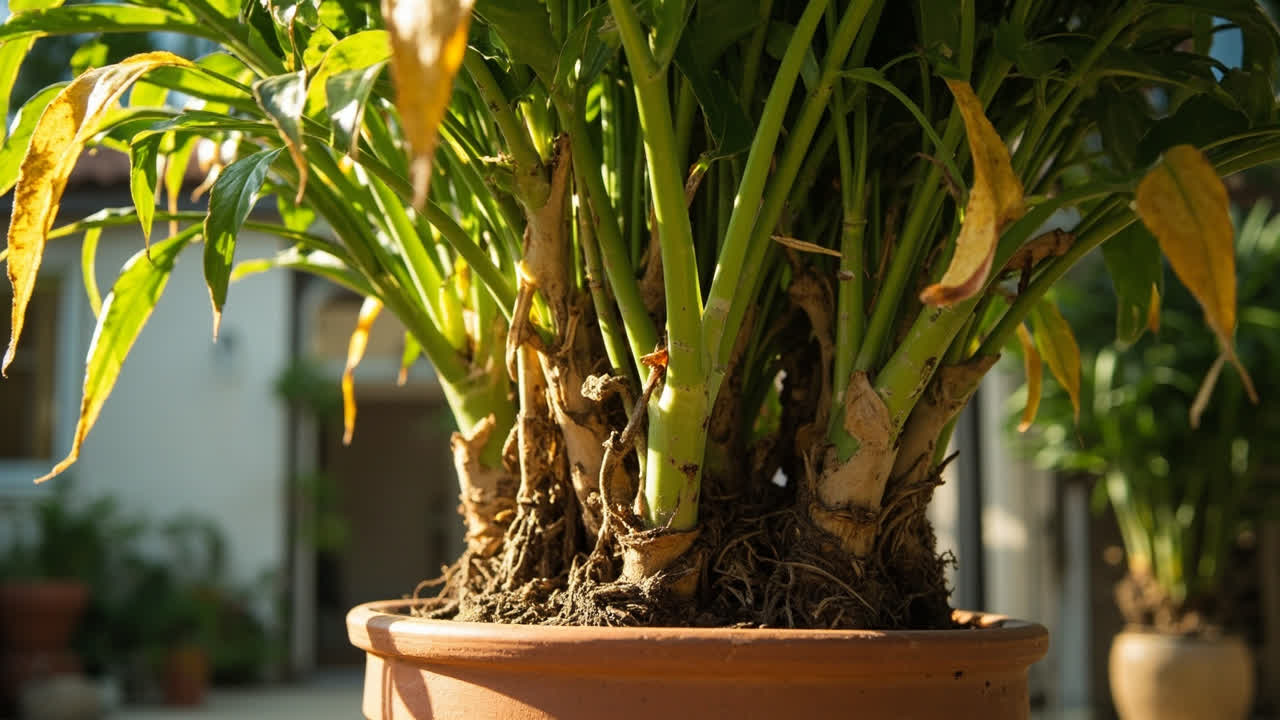
The yellowing spreads upward. Leaves lose firmness — they feel limp when you handle them rather than holding their shape. The lower stem, just above the soil line, may feel slightly soft or give a little when you press it. A musty, earthy smell may become noticeable if you lift the pot or disturb the soil surface.
Advanced signs — critical stage:
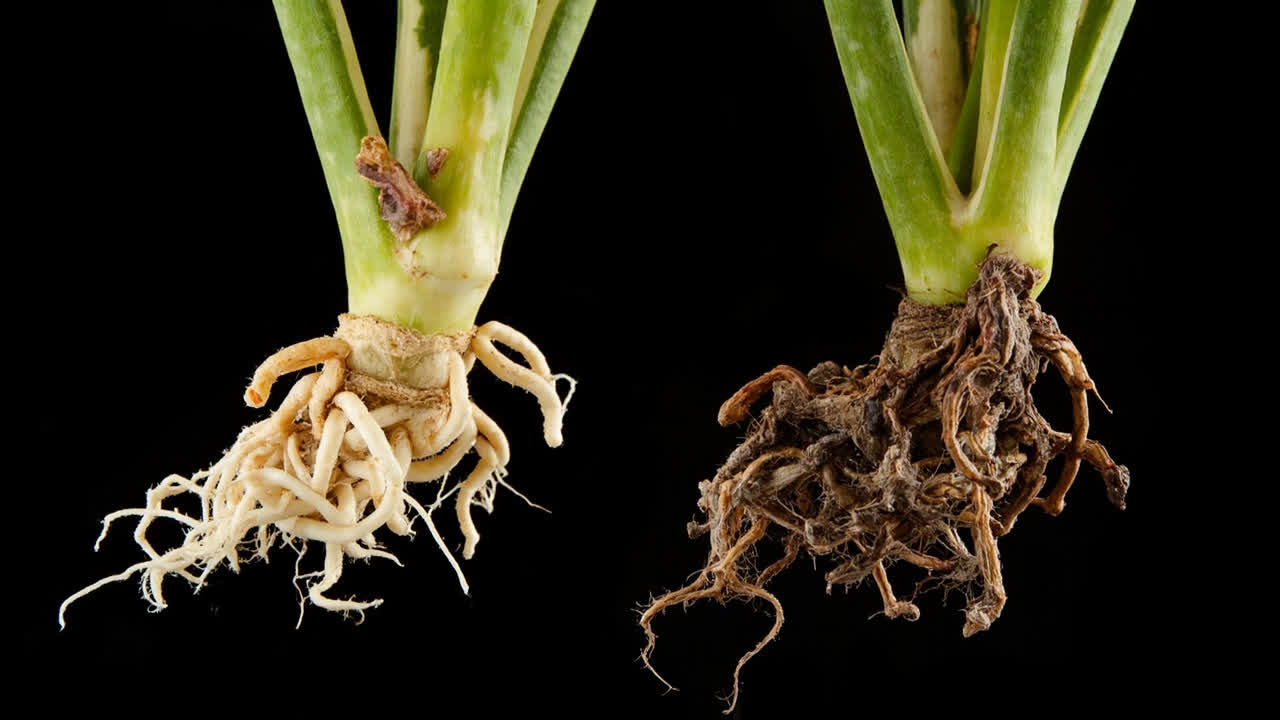
The entire plant droops even though the soil is moist. The base of the stem is visibly dark, mushy, or discoloured. The root system — if you were to check it — would show brown, slimy, easily breakable roots instead of firm white ones. At this stage, rescue becomes significantly harder and may require removing the plant entirely, cutting healthy cane sections, and rooting them as cuttings.
Why Overwatering Causes Root Rot in Dracaena Massangeana
You might be thinking: I waited until the soil was dry before watering. And that is the right instinct. But root rot in a Dracaena Massangeana is not only about how often you water. It is about what happens to the roots between watering cycles when the soil stays wet too long — even once.
When the soil in a mass cane pot stays saturated for more than a day or two, the small air pockets in the soil collapse. Roots need oxygen. Without it, the root tissue begins to die. As the roots die, they become vulnerable to opportunistic fungal organisms that are present in all soil — primarily Pythium and Phytophthora species, which thrive in anaerobic, waterlogged conditions.
These fungi do not need much. Once the roots are weakened, they invade and colonise the dead tissue. The infection spreads upward through the root system and eventually reaches the cane. By the time you see yellowing leaves at the base, the roots are already severely compromised.
Other factors that accelerate root rot even with proper watering:
Poor drainage in the pot. A pot with no drainage hole, or a drainage hole that is clogged, turns any excess water into a reservoir. The bottom of the pot stays permanently wet even if the surface feels dry.
A soil mix that holds too much water. Dense, clay-heavy mixes or straight potting soil retain moisture for far longer than a Dracaena Massangeana can tolerate. The roots sit in soup.
Cold damage to roots. If your mass cane plant is near a cold window or an air conditioning vent, temperatures below 15°C can shock the root system, making it unable to absorb water efficiently. The soil stays wet longer because the plant is not drawing moisture, and the roots are simultaneously weakened.
How to Check Your Plant for Root Rot Right Now
Do not wait. Here is what to do:
Step 1 — Remove the plant from the pot. Place newspaper or a tarp on the floor. Tip the pot sideways and gently slide the root ball out. Do not pull by the stem — support the base.
Step 2 — Examine the roots. Healthy Dracaena Massangeana roots are firm, off-white to light tan, and slightly elastic when you pull on them. Rotting roots are dark brown to black, mushy, slimy, and break apart easily between your fingers. They may smell foul.
Step 3 — Determine how far the rot has spread.
- If more than two-thirds of the root system isrotted, the plant is in critical condition. You can still try to save it by cutting healthy cane sections and rooting them as cuttings, but the original plant is unlikely to recover.
- If roughly half the roots are damaged, the plant can recover with intervention.
- If only the outermost small roots are affected and the main structural roots are still firm, you have caught it early and recovery is straightforward.
After checking, if you see firm white roots but a foul smell from the soil, that soil is already contaminated and needs to be replaced — not reused.
How to Save a Mass Cane Plant With Root Rot
Once you have assessed the damage, take these steps immediately:
Step 1 — Stop watering entirely. Do not water again until you have completed the repotting process and the plant shows signs of recovery. This may mean two to three weeks of dry soil, and that is correct.
Step 2 — Trim all rotted roots. Using clean, sharp scissors or secateurs, cut away every discoloured, mushy root. Cut all the way back to firm, light-coloured tissue. If the root system is severely reduced as a result, that is fine — the remaining roots will support recovery if the plant is given proper conditions.
Step 3 — Rinse the remaining root system. Gently rinse under lukewarm water to remove soil that may contain fungal spores. If the base of the stem is discoloured, scrub it lightly with a soft brush.
Step 4 — Treat with a fungicide. Use a copper-based fungicide or a broad-spectrum houseplant fungicide diluted as directed. Drench the remaining roots and the lower stem. This reduces the chance of the remaining fungus re-invading the compromised tissue.
Step 5 — Repot in fresh, well-draining soil. Use a pot that is clean, has at least one large drainage hole, and is only slightly larger than the trimmed root ball — too large a pot holds too much moisture. The well-draining soil mix for Mass Cane should include perlite, orchid bark, or coarse sand to ensure rapid drainage. Do not reuse the old soil.
Step 6 — Place in indirect light, not direct sun. A recovery plant should not be fighting high light demand. Bright indirect light is ideal. Keep it there for at least four weeks while it regenerates roots.
Step 7 — Do not water for at least 10 to 14 days after repotting. The repotted plant needs time to heal before its root system is asked to do any work. Check the soil at the 10-day mark by inserting your finger two inches deep — if it is completely dry, you can water once lightly. If it is still moist, wait.
After three to four weeks, you should see the plant stabilise — no new yellowing, the stem firming up, possibly new leaf growth emerging from the centre. That is your confirmation that the roots have re-established.
How to Distinguish Root Rot From Other Problems
Yellowing leaves can mean many things. Here is how to tell root rot apart:
Root rot vs. underwatering:
Underwatered Dracaena Massangeana leaves also yellow, but they feel dry and crispy at the edges, not limp. The soil is bone dry. The leaves may curl inward. Underwatering rarely causes stem softness. Correcting the watering schedule reverses the symptoms within a week or two.
Root rot vs. nutrient deficiency:
Nutrient deficiency yellowing starts in the leaves between the veins — an interveinal yellowing pattern — while the veins themselves stay green. Root rot yellowing begins at the leaf base and progresses outward, and the leaf feels soft throughout. Nutrient deficiency does not cause mushy stems.
Root rot vs. natural leaf drop:
Dracaena Massangeana naturally drops its oldest leaves as it grows. Natural yellowing affects one or two leaves at a time, always the lowest and oldest, and the plant otherwise looks healthy and actively growing. Root rot causes simultaneous yellowing across multiple leaves and the plant visibly declines.
Preventing Root Rot in Your Mass Cane Plant
Root rot is easier to prevent than to cure. Here is the maintenance protocol that keeps a Dracaena Massangeana safe:
Water only when the top 5 cm of soil is dry. Do not water on a fixed schedule — check the soil every time. In summer, this might be every 7 to 10 days. In winter, it might be every three weeks. The proper watering schedule for Mass Cane adapts to the plant’s environment, not a calendar.
Never let the pot sit in standing water. If you use a saucer beneath the pot, check 30 minutes after watering and empty any water that has collected. “Wet feet” — the condition where roots sit in standing water — is one of the most common causes of root rot even in otherwise well-watered plants.
Use a fast-draining soil mix from day one. Adding at least 30% perlite or coarse material to your potting mix dramatically improves drainage and air exchange around the roots. The well-draining soil mix for Mass Cane is specifically formulated to prevent this.
Keep the plant away from cold drafts. Below 15°C, the root system’s ability to absorb water is significantly reduced. In a cold room, the soil stays wet longer and the roots are more vulnerable. Keep your mass cane plant away from air conditioning vents and single-pane windows in cooler months.
Reduce watering in winter. Dracaena Massangeana slows its growth significantly in the cooler months. It does not need the same volume of water. Drop your watering frequency by roughly half from November through February in temperate climates.
For more on diagnosing problems with your mass cane plant, see the common Mass Cane Plant pests and diseases guide. If your plant has collapsed from advanced root rot and you need to rescue it, the how to save a drowning Mass Cane Plant guide covers cutting and rooting healthy cane sections as a last resort.
Root rot is one of the most common reasons a mass cane plant dies, and in almost every case it is preventable with the right watering habits and soil. Catch the early signs, act quickly, and your Dracaena Massangeana will recover.
Turn PDF Bank Statements Into Workable Spreadsheets
Your bank statement is a mess of numbers, but your books shouldn't be. Use our converter to get Excel, CSV, or QBO files — ready for QuickBooks.
Try It Free Now