If you grow Calathea indoors, temperature is one of the two variables most people get wrong — the other is humidity. Most guides cite 65–85°F (18–29°C) and leave it at that. But the actual damage threshold is lower and more specific than that, and the mechanisms behind it are worth knowing before your next winter draft sneaks through a cracked window.
The Safe Range and Where the Danger Actually Starts
Calathea thrives between 65–80°F (18–27°C). The critical number to know is 60°F (15°C): below this, the foliage starts to show it. Not immediately — cold damage is usually delayed by 24–72 hours — but within a few days you will notice leaves curling, yellowing from the edges inward, or developing translucent brown patches that look like sunburn but aren’t.
The irreversibility threshold is 55°F (13°C). Below this, cells in the mesophyll layer begin to rupture. That damage is structural. The leaves will not recover. You can prevent further damage by moving the plant, but any leaf that has already gone translucent-brown is gone.
Upper limit is less of an emergency but still real: sustained temperatures above 85°F (29°C) combined with low humidity will cause leaf edges to crisp and the prayer mechanism to slow or stop. Most homes don’t reach this unless the plant sits directly over a radiator.
Why Cold Windowsills Are the Most Common Offender
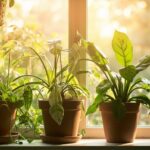
The most frequent source of Calathea cold damage isn’t a dropped thermostat — it’s a windowsill that looks warm but isn’t. Glass is a poor insulator. A Calathea pot sitting against a cold window pane in November through February can be 5–8°F (3–4°C) colder than the room thermostat reads. That gap is enough to push the root zone below 60°F (15°C) even when the room reads 68°F (20°C).
The roots are more cold-sensitive than the foliage. When root zone temperature drops, the plant’s ability to absorb water and nutrients drops sharply — even if the soil looks dry or the leaf curl seems like it needs more water. Adding water at this point makes things worse.
AC Vents, Drafts, and the Differential Problem
Air conditioning creates a specific pattern of damage: directional curling on the side facing the vent, sometimes with a yellow halo. Unlike humidity stress (which causes even, bilateral curling across the whole plant), AC damage is localised to one side or one quadrant of the leaf canopy.
A draft is different. A single leaf near a frequently opened door may show edge Browning and slight curl, while the rest of the plant looks unaffected. The diagnostic is spatial: if damage is not evenly distributed, think air movement first.
The Differential Problem: Cold Soil, Warm Air
Calathea is a tropical understory plant. In the wild, the soil is consistently warm and the air is consistently humid. Indoors, the most common failure mode is a pot sitting on a cold ceramic surface next to a warm room. The roots experience 55°F (13°C) while the leaves experience 72°F (22°C). The plant cannot reconcile the two.
The fix: use a cork or wooden trivets under the pot in winter, especially on stone windowsills or uninsibrated floors. This alone can raise root zone temperature by 4–7°F (2–4°C) without changing the room thermostat.
What to Do When You Discover Cold Damage
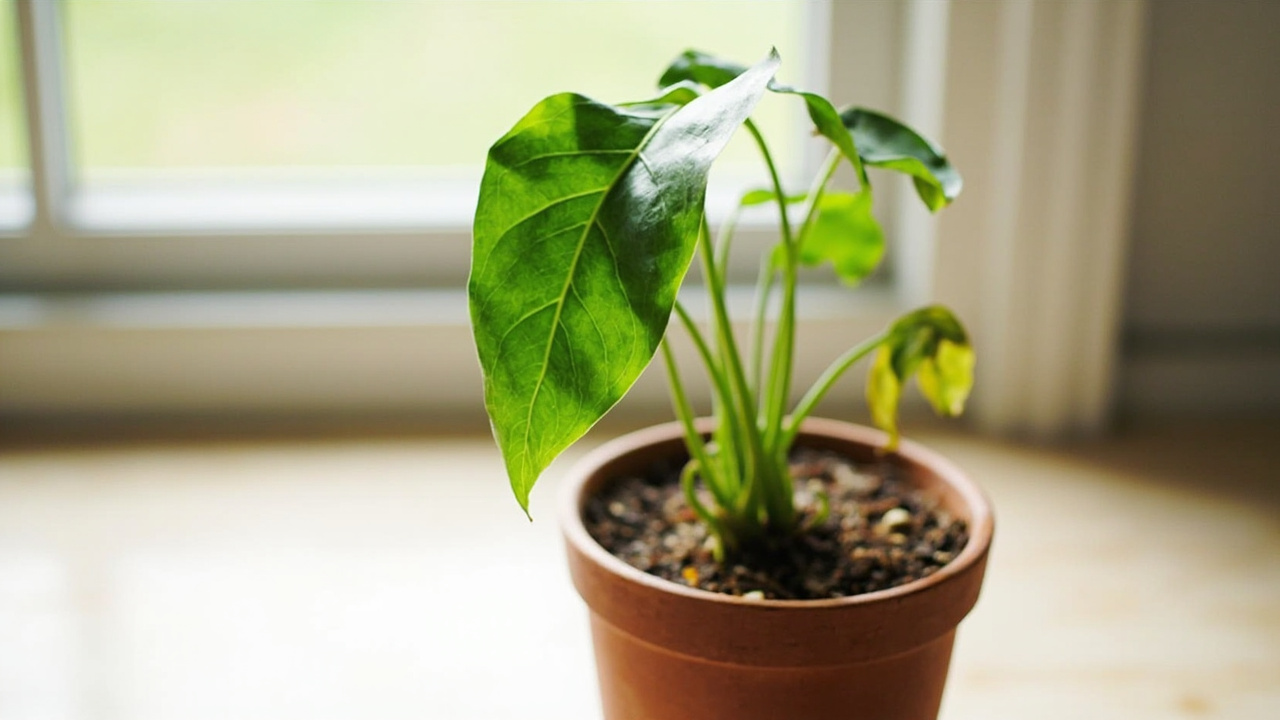
If the damage is already visible (translucent or brown patches, irreversible curl), do not prune immediately. Wait 7–10 days. Some leaf recovery is possible as the plant redistributes resources from undamaged zones. Cutting damaged leaves too early can trigger another stress response.
If the plant is wilting despite moist soil and temperatures below 60°F (15°C), stop watering and move the plant to a warmer location. The root zone needs to warm before the plant can process water again. Resume watering at half the normal volume once the root zone reads above 65°F (18°C) for at least 48 consecutive hours.
For plants that have experienced root zone temperatures below 50°F (10°C) for more than 4 hours, check for root rot as a secondary issue — cold-damp soil is the perfect substrate for Pythium and Rhizoctonia.
Placement Checklist for Every Season
Before moving a Calathea to a new location, run through this list:
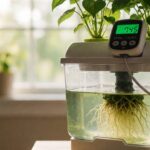
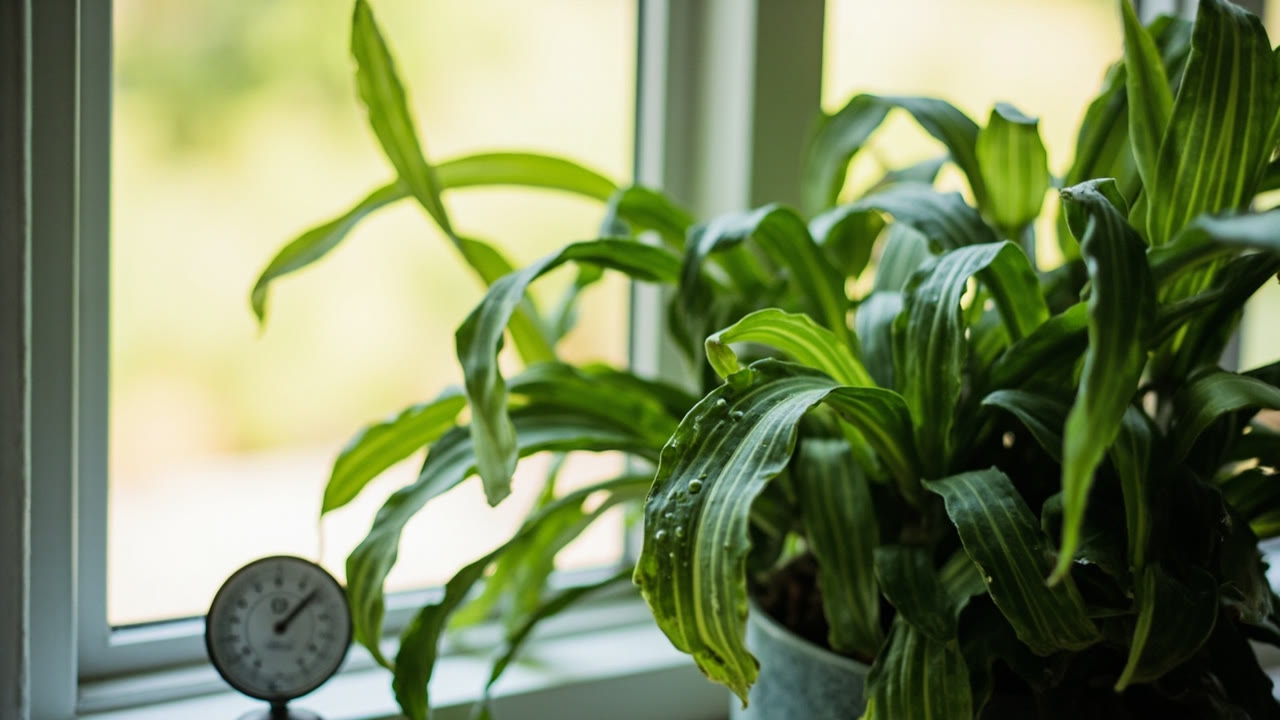
- Check the window glass temperature in winter with a digital thermometer probe held against the pane — if it’s below 55°F (13°C), the pot is likely too cold even if the room is fine.
- Avoid locations where room air moves across the plant at more than 0.5 m/s — ceiling fans, HVAC returns, and frequently opened doors create desiccation that Calathea cannot offset in low humidity.
- Keep Calathea at least 3 feet (1 metre) from radiators in winter. Direct radiant heat above 80°F (27°C) for more than 4 hours will cause edge crisping.
- Aim for consistent night temperatures not more than 5–7°F (3–4°C) below day temperatures — Calathea does not like a large diurnal swing.
- In summer, if the plant is near a window that receives direct sun for more than 2 hours, move it back from the glass. Transparent window glass acts as a solar amplifier and can push leaf surface temperature 8–12°F (4–6°C) above ambient air temperature.
The most reliable indicator of a good Calathea position is not the thermostat reading — it’s the plant itself. Calathea tells you within 2 weeks whether a location is working: new leaves unfurl evenly, the prayer mechanism is active at night, and no edge yellowing appears on the oldest leaves. If any of those signals are missing, check temperature first.
For related care context, see how Calathea light requirements interact with temperature placement — south-facing windows in summer create a double heat-stress risk that is often misdiagnosed as a watering problem. And if you’re seeing leaf curl, the Calathea leaf curling guide walks through the four causes with a diagnostic key.
From PDF to Excel in one click
Forget retyping line by line. Upload any bank statement, get a spreadsheet you can actually use. Your files are never stored, and you can test the converter with 3 free conversions.
Try it free