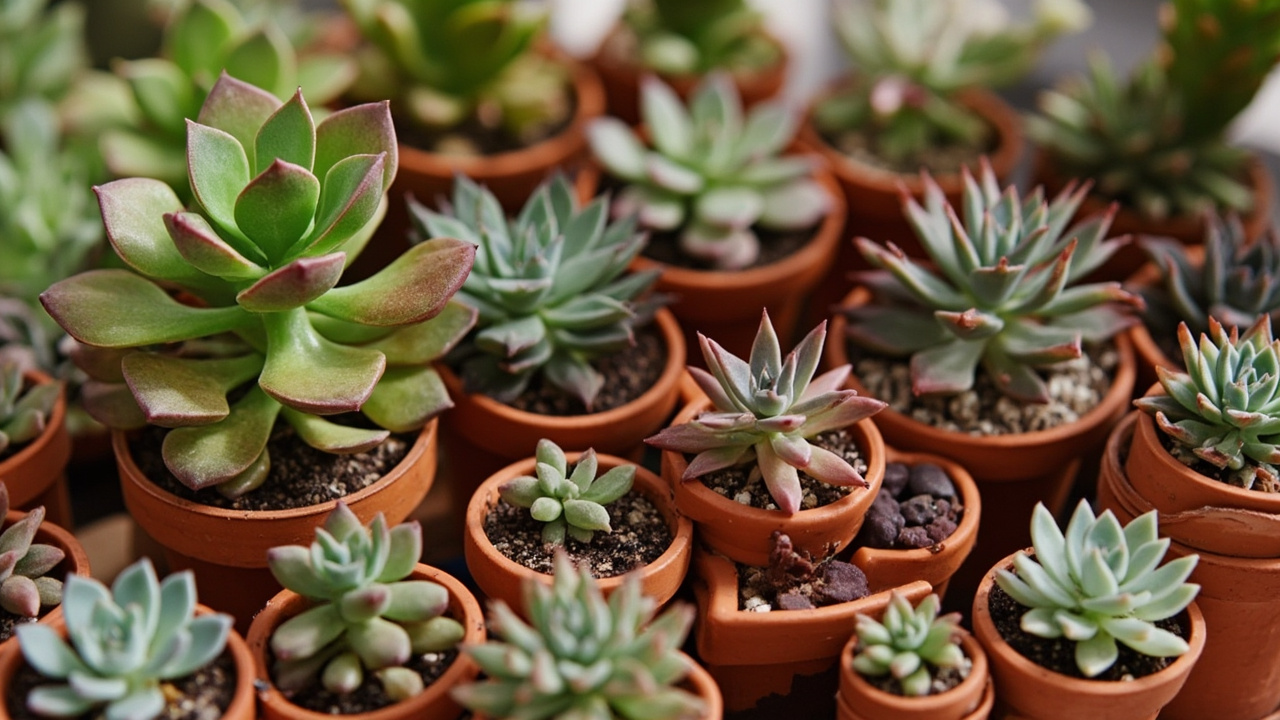
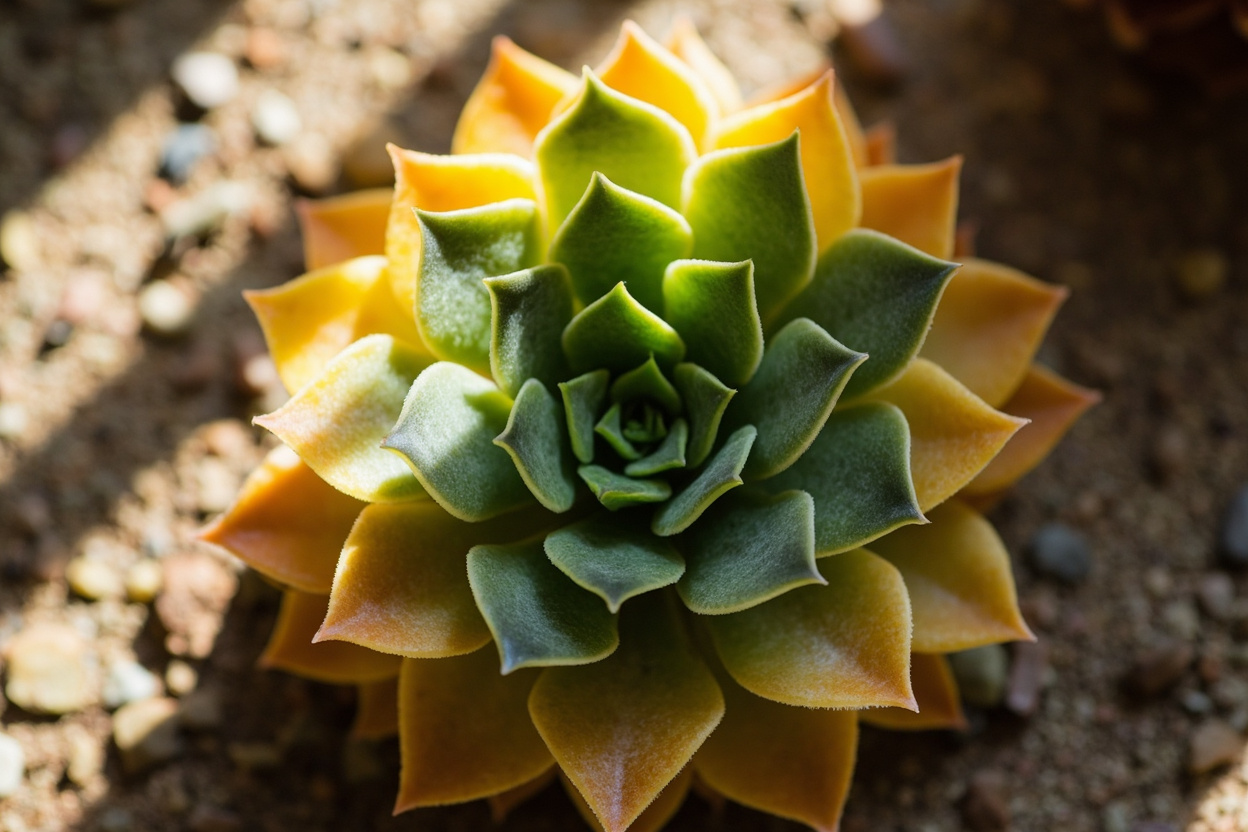
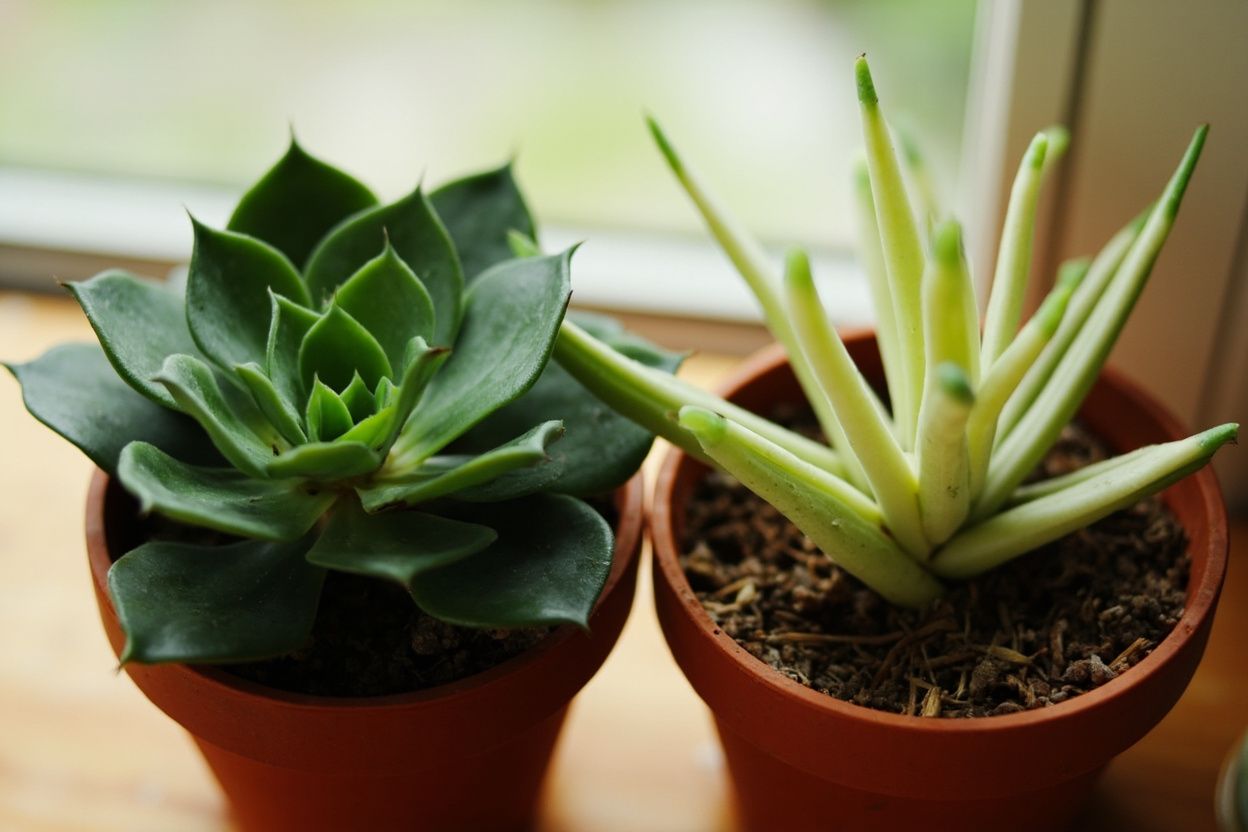
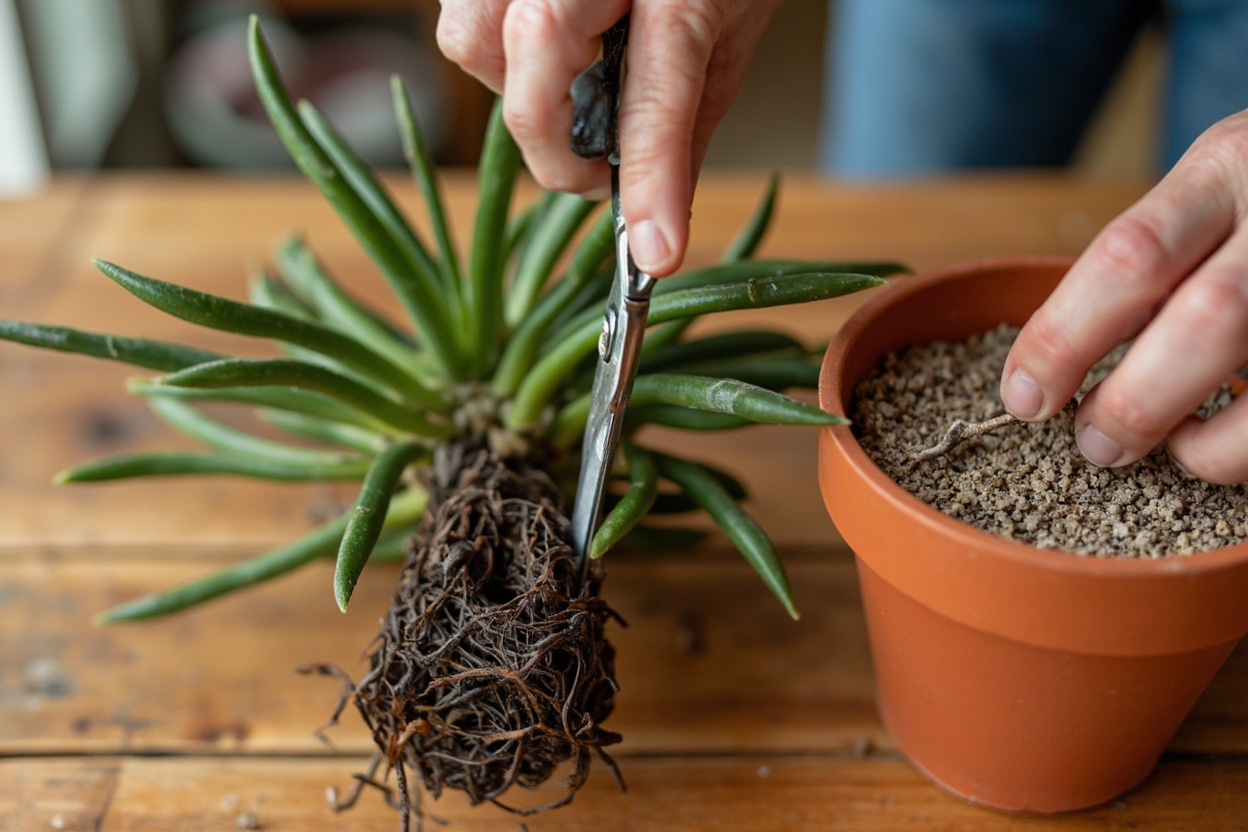
The Echeveria genus contains over 150 recognized species and hundreds of hybrids. The care difference between cultivars is larger than most generic guides admit. An Echeveria elegans tolerates partial shade and irregular watering with minimal complaint. An Echeveria laui in the same conditions will etiolate, shed its farina, and die within a single growing season.
Buying the wrong cultivar for your light and habits is the most common reason new collectors fail with Echeveria. It is not watering mistakes. It is not soil choice or repotting timing. It is a mismatch between the plant’s genetics and the environment it lands in. A thriving elegans on a bright windowsill beats a dying laui under a grow light every time.
This guide profiles seven cultivars that represent the range of what is widely available in 2026. Each profile includes the specific light level, space requirement, and skill level the cultivar demands. For the genus-wide care fundamentals that apply across all cultivars, the Echeveria care guide covers the baseline. This guide builds on that baseline by showing where specific cultivars diverge from it.
Why Cultivar Choice Matters More Than Care Advice
Most Echeveria care advice is written as if the genus behaves as a single plant. Water sparingly, give bright light, use gritty mix, and wait for offsets. That advice works for elegans and a handful of other forgiving cultivars. It fails for laui, which needs direct sun and zero handling. It fails for gibbiflora, which outgrows the windowsill entirely.
The controlled vocabulary of Echeveria collecting reflects this diversity. Rosette size, farina density, offsetting habit, variegation pattern, tubercles, striations — these are not decorative details. They are the visible markers of each cultivar’s environmental demands. A compact rosette with thick farina evolved in high-light, low-humidity conditions. A loose rosette with thin leaves evolved in sheltered rock crevices.
The practical implication is simple: match the cultivar to the conditions you can provide, not the conditions the plant theoretically prefers. A cultivar that thrives in your actual environment will always outperform a “better” cultivar that struggles.
Propagation success also varies — some cultivars produce pups freely, others rarely offset. The Echeveria light requirements guide covers the full spectrum, but the cultivar profiles below tell you where each variety sits on it.
Echeveria elegans: The Reliable Standard
Echeveria elegans is the cultivar most garden centers label simply as “Echeveria,” and it is the right starting point for any collector. It forms a tight, symmetrical rosette of pale blue-green leaves coated in a moderate layer of farina. Mature rosettes reach four to six inches across and produce offsets freely from the base, eventually filling a wide, shallow bowl with daughter plants.
The reason elegans earns its beginner reputation is tolerance. It handles bright indirect light without the etiolation that plagues more demanding varieties. It forgives a missed watering cycle by drawing on leaf reserves without immediate visible damage. And it recovers from minor farina damage — a fingerprint, a water droplet — by producing new leaves with fresh coating each growth cycle.
The trade-off is visual subtlety. elegans lacks the dramatic color shifts of pulidonis or the sculptural presence of gibbiflora. It is a workhorse, not a show horse. Light requirements are moderate: four to six hours of bright indirect light or two to three hours of direct morning sun. A south-facing or east-facing windowsill is ideal.
From Bank Statement to QuickBooks-Ready File
That manual cleanup you just read about? This tool skips it. Turn your PDF into QBO for QuickBooks without storing your data anywhere.
Start ConvertingEcheveria pulidonis: The Color-Shifting Showpiece
Echeveria pulidonis is the cultivar that converts casual succulent buyers into collectors. Its leaves are apple-green for most of the year, but under sun stress — bright light and mild drought — the margins flush a vivid crimson red. The contrast between the green center and the red edges is sharp enough to look artificial. It intensifies in cooler months when day-night temperature swings trigger anthocyanin production.
The rosette is compact, typically four to five inches across, with pointed leaves arranged in a precise spiral. Unlike elegans, pulidonis is slower to offset. Many plants remain single-rosette for years, which makes them ideal for solo display in small terracotta pots. The farina coating is lighter than elegans, which means the leaf surface is slightly more exposed.
Handle pulidonis with the edges of the leaves only, or use a piece of folded paper as a grip. The watering guide explains how to read leaf signals — pulidonis shows underwatering stress earlier than elegans, with wrinkles along the upper leaf surface when the plant draws on reserves.
Pulidonis demands more light than elegans to maintain its coloration and compact form. Give it at least four hours of direct sun or six hours of bright indirect light. Without sufficient light, the red margins fade to pink and then to nothing, and the rosette begins to open. Under grow lights, position the plant within eight inches of a full-spectrum LED rated at 30 watts or higher.
Echeveria laui: The Powdery Blue Collector’s Gem
Echeveria laui is the cultivar that experienced collectors point to when someone asks “what is the most beautiful succulent?” Its leaves are coated in an exceptionally thick layer of farina that produces a uniform powdery blue-white color, almost like frosting. The rosette is slow-growing, typically reaching only three to four inches after several years. The individual leaves are thick, concave, and arranged in a tight geometric spiral.
The same farina that makes laui desirable also makes it unforgiving. Any contact — a finger, a water droplet, a neighboring leaf in a crowded planter — leaves a permanent mark on existing leaves. The damaged area does not heal or re-coat. Only new growth emerges with fresh farina, which means a single careless handling event can mar the plant’s appearance for an entire growing season.
Light needs are high: laui needs four to six hours of direct sun to maintain its compact form and dense farina. In lower light, the rosette opens, the internodes stretch, and the farina thins to reveal the pale green leaf beneath.
Water sparingly — laui stores more water per leaf volume than almost any other Echeveria, and overwatering is the fastest way to kill it. If you are drawn to laui, accept that it is a plant for patient growers with strong light and steady hands.
Echeveria Perle von Nurnberg: The Hybrid Workhorse
Echeveria Perle von Nurnberg is a hybrid of Echeveria gibbiflora and Echeveria elegans, and it combines the best traits of both parents. The rosette is larger than elegans — five to seven inches across — with grey-purple leaves that develop pink-orange margins under sun stress. The farina coating is moderate, enough to give the plant a soft, matte finish without the extreme fragility of laui.
What makes Perle von Nurnberg a strong choice for collectors stepping up from beginner cultivars is its visual impact relative to its care demands. It looks exotic — the coloration is closer to a high-end hybrid than a common garden center plant — but it tolerates the same bright indirect light and irregular watering that elegans handles. It is also less prone to etiolation than laui or pulidonis.
The hybrid vigor extends to root health. Perle von Nurnberg develops a robust root system that resists early-stage root rot in marginal soil. This does not mean it tolerates waterlogged conditions — no Echeveria does — but it provides a buffer for growers still calibrating their watering instincts. For a broader perspective on how Echeveria compares to other rosette-forming succulents, the haworthia varieties guide covers the sister genus.
Echeveria gibbiflora and runyonii: The Statement Plants
Most Echeveria cultivars stay under eight inches, which makes them easy to fit on windowsills and shelves. Echeveria gibbiflora and Echeveria runyonii break that pattern. Gibbiflora produces rosettes up to twelve inches across on thick, fleshy stems that can reach two feet over several years. Runyonii — often sold as “Topsy Turvy” for its dramatically upswept leaves — reaches eight to ten inches with a similar upright growth habit.
The larger size comes with higher light demands. These cultivars evolved in exposed, high-elevation sites in Mexico and need direct sun for at least half the day to maintain compact form. In indoor settings, they perform best in south-facing windows or under dedicated grow lights. Without sufficient light, gibbiflora elongates rapidly, producing a bare stem with a rosette perched at the top.
Watering for large Echeveria follows the same soak-and-dry principle, but the larger root ball holds more moisture, which extends the drying period. In winter dormancy, gibbiflora can go four to six weeks between waterings without stress.
The thick leaves serve as visible water-reserve indicators: slightly soft, flexible leaves mean the plant is drawing on reserves and is ready for water. For the broader succulent context, the succulent care guide covers genus-neutral principles.
Matching Cultivars to Your Growing Conditions
The right Echeveria for your collection comes down to three variables: light, space, and your tolerance for maintenance. If you have a bright east-facing windowsill and want a low-maintenance plant that forgives occasional neglect, start with elegans. If you have a south-facing window and want dramatic color, choose pulidonis. If you have strong light, steady hands, and patience for a slow grower, laui rewards the investment.
Space matters more than most buyers realize. A single gibbiflora will eventually need a 10-inch pot and a dedicated spot on the floor or a sturdy shelf. elegans and Perle von Nurnberg stay compact enough for multi-plant arrangements in wide, shallow bowls. Pulidonis and laui are best grown as solo specimens — their form is the point, and crowding from neighboring plants damages the farina and obscures the rosette geometry.
Soil is the one variable that does not change between cultivars. Every Echeveria in this guide needs the same mineral-heavy, fast-draining substrate. The Echeveria soil mix guide breaks down the 5:1:1 formula that works across the genus. Get the soil right first, then match the cultivar to your light. That order — substrate before selection — prevents more losses than any other decision in Echeveria growing.