Chlorosis is the loss of green color in leaves when a plant cannot make enough chlorophyll or cannot keep it functioning properly. If your houseplant leaves are turning pale yellow while the veins stay greener, or the whole leaf looks washed out instead of richly green, you are not just looking at a “sad plant.” You are looking at a signal that the plant’s energy system is under strain.
This matters because chlorosis is a symptom, not a verdict. A plant can turn chlorotic from root stress, nutrient lockout, poor soil chemistry, weak light, or chronic watering mistakes. That is why random fixes so often fail. The yellowing is visible, but the real issue usually starts lower down — in the roots, the potting mix, or the plant’s ability to move nutrients where they need to go.
Here is the fast read before we go deeper:
- Even yellowing across an older leaf often points to a broad stress issue or nutrient shortage.
- Yellow tissue with greener veins often points to chlorosis more specifically than simple aging does.
- New leaves turning pale first usually suggest an immobile nutrient problem such as iron stress.
- Older leaves fading first often suggest the plant is reallocating nutrients or struggling with root function.
What chlorosis actually means
Chlorosis means the leaf is losing chlorophyll, which is the pigment that gives leaves their green color and helps capture light for photosynthesis. Once that pigment declines, the leaf cannot do its job as efficiently, which is why chlorosis is not just a cosmetic issue. It is the visible surface of an energy problem.
The useful distinction is this: yellow leaves are a description, but chlorosis is an explanation. Not every yellow leaf is chlorosis in the meaningful diagnostic sense, because some leaves yellow simply because they are old, damaged, or naturally being shed. Chlorosis is the kind of yellowing that makes you ask what is interfering with the plant’s internal machinery.
What chlorosis looks like on a real houseplant
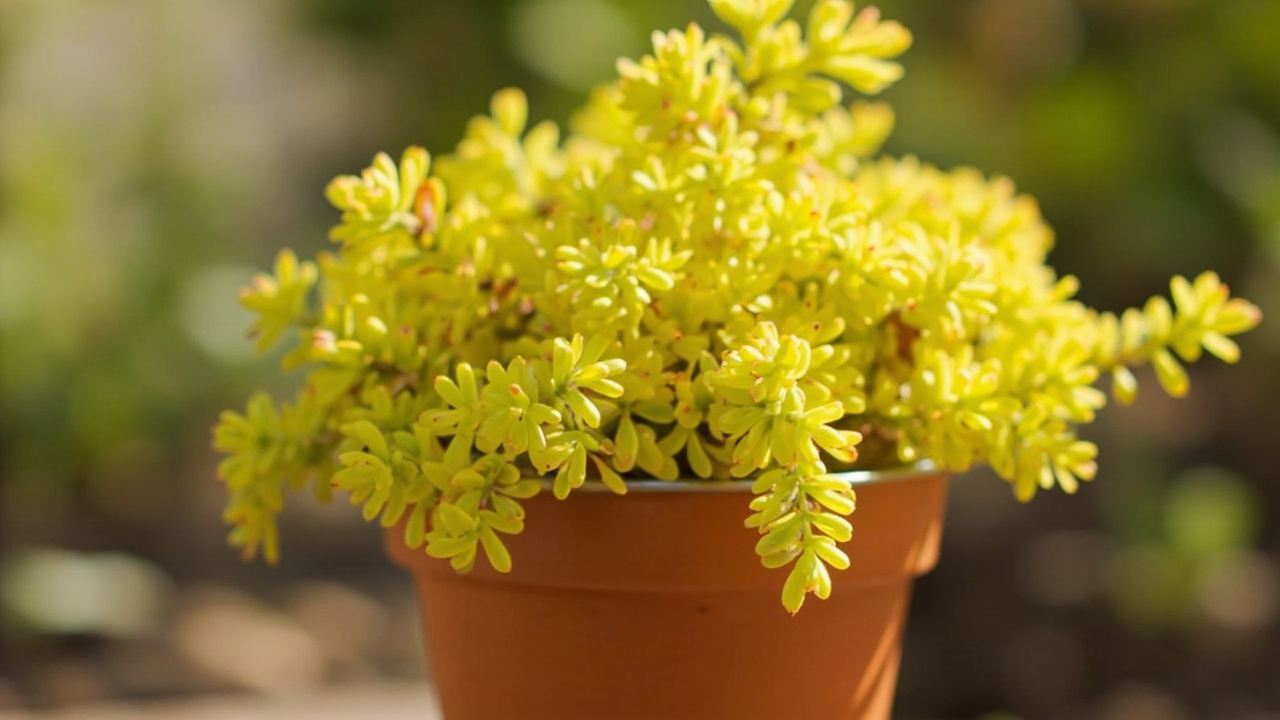
Chlorosis rarely arrives as a neat textbook example. More often, you notice that the plant looks a little drained before you realize it looks yellow. The green seems thinner. New leaves arrive lighter than the old ones. A once-deep leaf color starts looking diluted, especially near the center of the plant or on the freshest growth.
The pattern tells you a lot. If the veins stay greener while the tissue between them fades, that is a strong chlorosis clue. If the whole leaf turns flat yellow from the tip inward, the issue may be broader stress rather than a single nutrient pattern. If the oldest leaves fade first, the plant may be moving resources upward to protect new growth. If the newest leaves emerge pale first, the plant may be struggling to access iron or another nutrient that cannot simply be pulled from older tissue.
This is where many readers get stuck: the leaf looks like a watering problem, so they water more. But chlorosis often gets worse when you answer a color problem with extra water. A root system already struggling in stale, soggy soil does not need more enthusiasm. It needs better function.
From PDF to Excel in one click
Forget retyping line by line. Upload any bank statement, get a spreadsheet you can actually use. Your files are never stored, and you can test the converter with 3 free conversions.
Try it freeWhy chlorosis happens indoors
Most indoor chlorosis starts with one of four pressures: root stress, nutrient imbalance, poor potting mix conditions, or light that is too weak to support healthy leaf function. Different plants express those pressures differently, but the pattern is the same. The plant can no longer maintain normal green growth, so chlorophyll production or stability slips first.
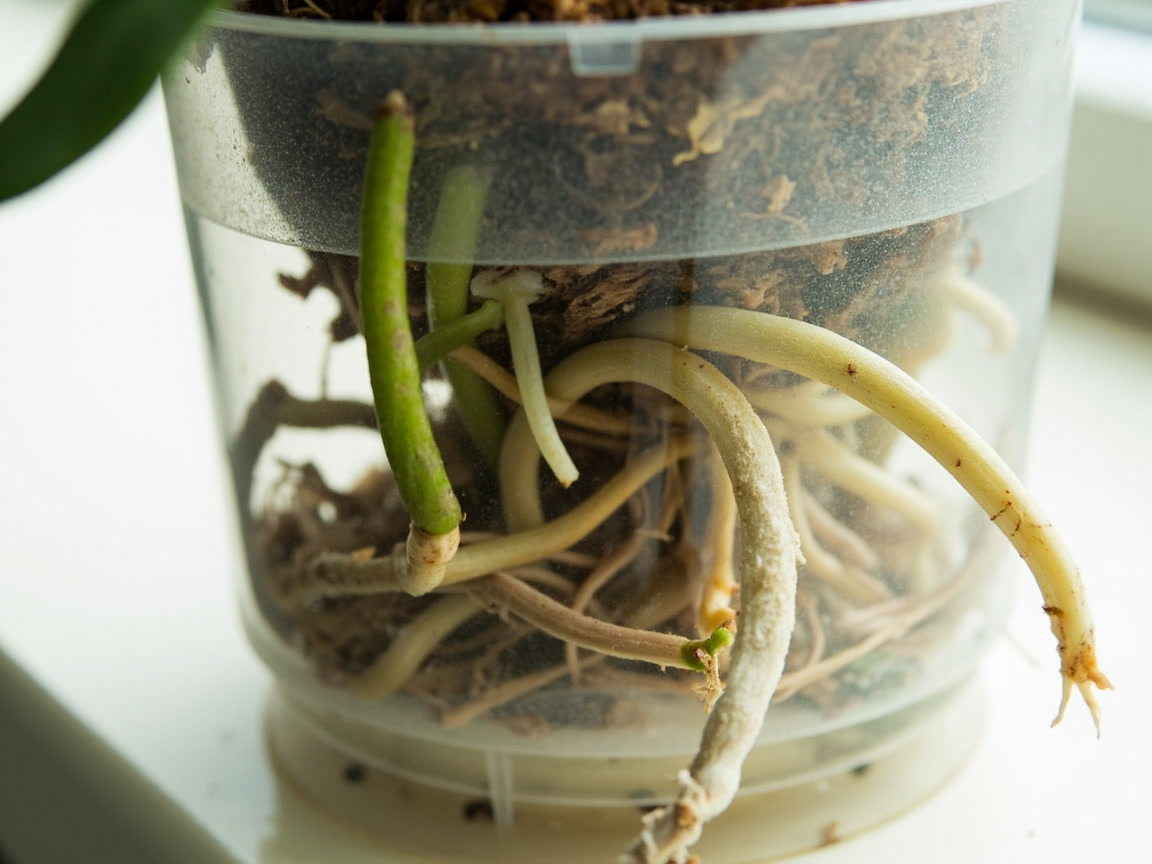
Root stress is one of the biggest hidden causes. If the soil stays wet too long, roots lose access to oxygen. If roots are damaged, crowded, or beginning to rot, the plant cannot move water and nutrients efficiently even when those nutrients are technically present in the pot. This is one reason articles like best soil for mass cane plant matter more than they first appear to. Soil texture is not just a preference issue. It controls root performance.
Light also plays a bigger role than many people expect. A plant in dim conditions may not use nutrients efficiently enough to maintain strong color, especially if the plant is already stressed elsewhere. A room can look bright to you and still be weak plant light. Chlorosis is not always caused by low light, but low light often makes every other weakness harder for the plant to overcome.
Chlorosis is a symptom, not the root cause
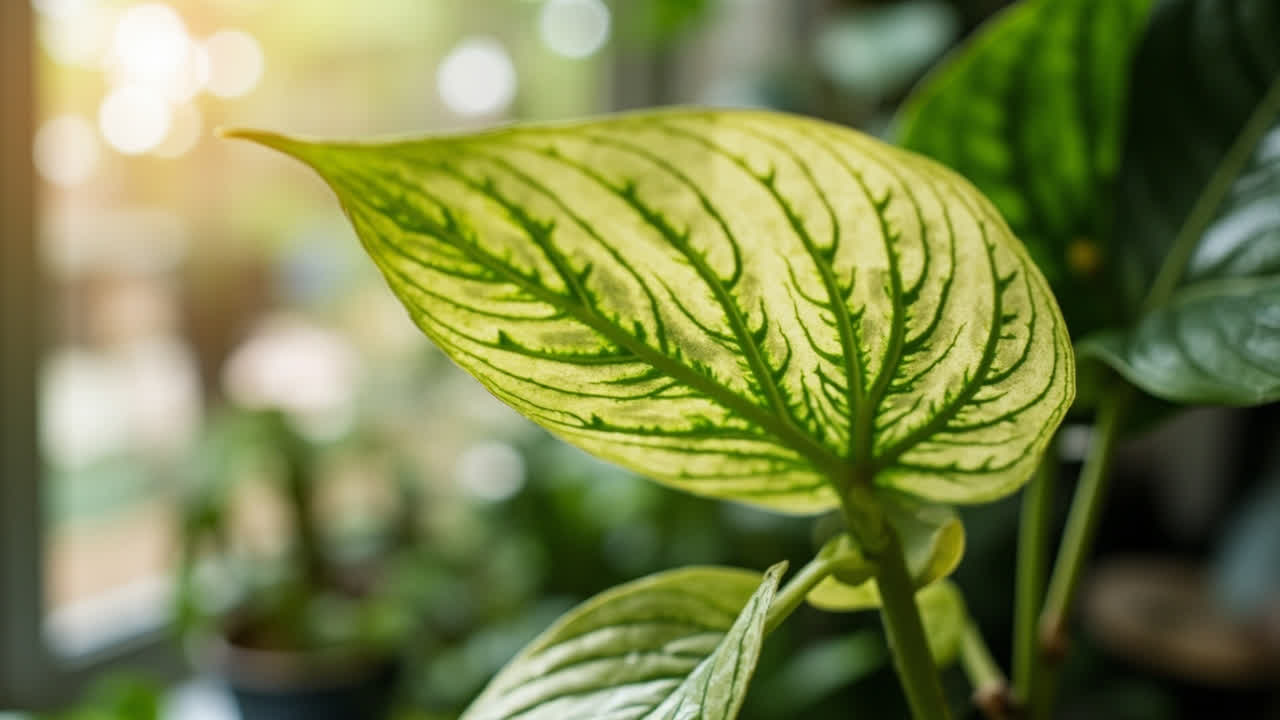
This is the most important reframe in the article: chlorosis is not the diagnosis you stop at. It is the clue that tells you where to investigate next. Treating chlorosis without checking the roots, watering pattern, soil behavior, and light conditions is like repainting a ceiling stain without checking the roof.
That is why two plants can show similar yellowing for completely different reasons. One pothos may be chlorotic because it is sitting in compacted, wet mix for too long. Another may be pale because it is in weak light and growing on fumes. A dracaena may show chlorosis because mineral buildup is interfering with nutrient uptake. The leaf color is the announcement. The actual cause is still backstage.
If your plant’s leaves are broadly fading and you are trying to separate general yellowing from a more specific chlorosis pattern, this wider guide to why indoor plant leaves turn yellow helps place the symptom in context.
How to read the pattern without guessing
A good chlorosis read starts with three questions: which leaves changed first, what does the yellowing pattern look like, and what has been happening in the root zone? Those three answers usually tell you more than a rushed fertilizer purchase does.
Start with leaf age. Pale new growth often points you toward iron-related chlorosis or root-zone problems that block nutrient access. Pale older growth points more often toward broader stress, nutrient redistribution, or long-running care imbalance. Then look at the pattern itself. Veins staying green while the tissue fades suggests a more classic chlorosis pattern. Uniform yellowing with limp texture may point more strongly to watering or root stress.
Then check the pot, because the roots usually tell the truth faster than the leaves do. If the soil smells stale, stays cold and damp for days, or has become hard and compacted on top, the plant may not be absorbing nutrients properly no matter what the label on your fertilizer says. A healthy root system makes green leaves possible. A stressed root system makes chlorosis much easier to trigger.
Common houseplant situations where chlorosis shows up
Chlorosis often appears after a plant has quietly tolerated the wrong setup for a while. A mass cane in dense soil may stay upright for months before the leaves begin to lose color. A pothos in a dim corner may keep growing, but the green slowly thins out as the plant stretches and weakens. A humidity-sensitive plant may lose efficiency in dry indoor air, especially when other stresses are already stacking up.
That stacking effect matters. Houseplants rarely struggle from one perfectly isolated issue. A plant in weak light, heavy soil, and dry air is not dealing with three separate inconveniences. It is dealing with one compounding system failure. That is why articles like how to increase humidity for houseplants can matter indirectly even when humidity is not the first cause on paper. Better conditions make recovery easier.
You can see this especially clearly with dracaena types. If you have seen a plant go pale, then tip-brown, then generally tired-looking, compare it with a more specific pattern reference like mass cane leaves turning yellow and brown. Chlorosis often overlaps with other symptoms before readers realize the plant has been declining for a while.
What chlorosis does not always mean
Chlorosis does not automatically mean your plant needs more fertilizer. That is probably the most common wrong turn. If roots are impaired or the potting mix is staying too wet, adding nutrients can make the situation noisier without making it better. More input does not help a plant that cannot process the input well.
It also does not always mean the plant is dying. A chlorotic plant can recover if you identify the real stress and correct it before the damage spreads too far. But recovery usually shows up in new growth first. Old pale tissue may not fully darken again, which is why improvement needs to be judged by what the next leaves do, not by waiting for every existing leaf to look perfect again.
What to do next when you notice chlorosis
Your best next step is not a blind fix. It is a short investigation. Check whether the soil is staying wet too long, whether the plant is root-bound or root-damaged, whether the light is weaker than the plant needs, and whether the yellowing pattern starts on old or new leaves. That sequence is slower than guessing, but much faster than repeating the wrong remedy for three weeks.
Once you correct the actual cause, watch the next 2–6 weeks of growth. That is when chlorosis becomes easier to judge honestly. If new leaves come in greener, the root or nutrient issue is improving. If new leaves stay pale, the plant is still blocked somewhere — usually in light, roots, or nutrient access. Plants rarely hide the truth for long once new growth starts.
The real takeaway
Chlorosis is the visible loss of green color when your plant cannot maintain normal chlorophyll function. That is the definition, but the more useful takeaway is simpler: chlorosis is not a random yellow-leaf mood. It is a sign that something underneath the leaf surface is interfering with how the plant powers itself.
Once you start reading chlorosis as a signal instead of a standalone problem, your decisions get better. You stop treating color alone and start checking the system that produced it. That is usually the difference between a plant that keeps fading politely and one that finally gets a real chance to recover.