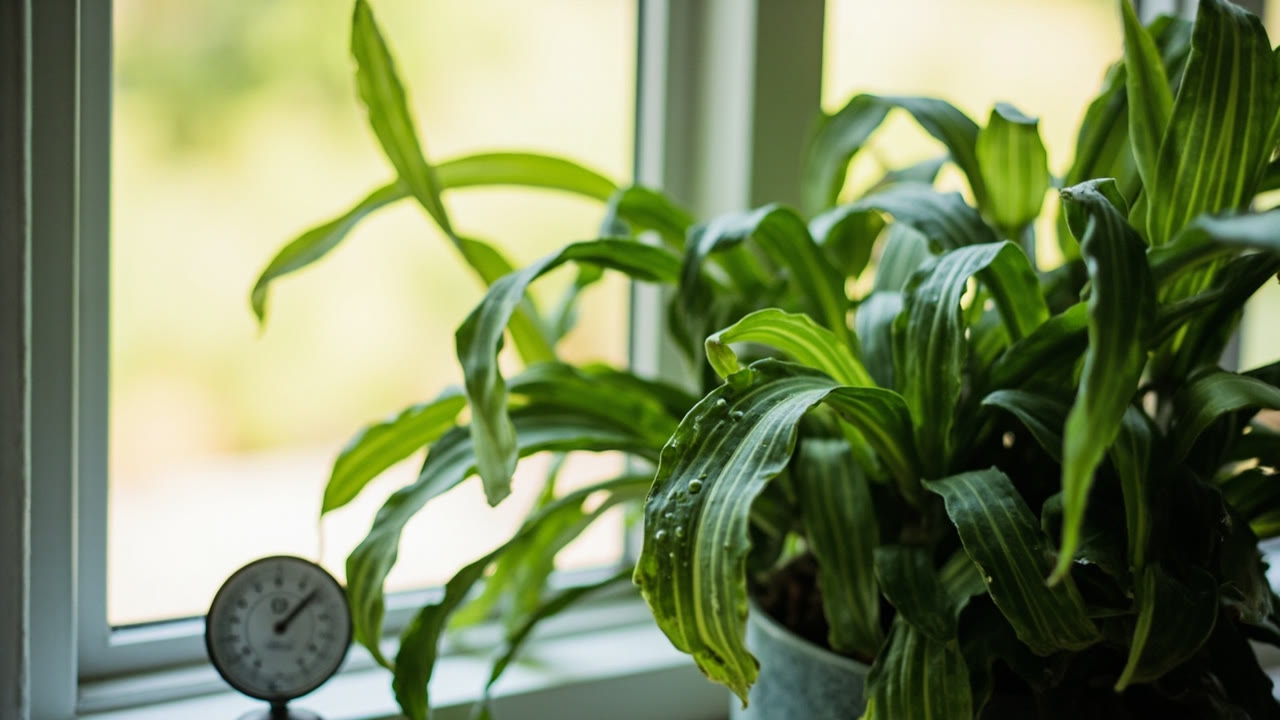
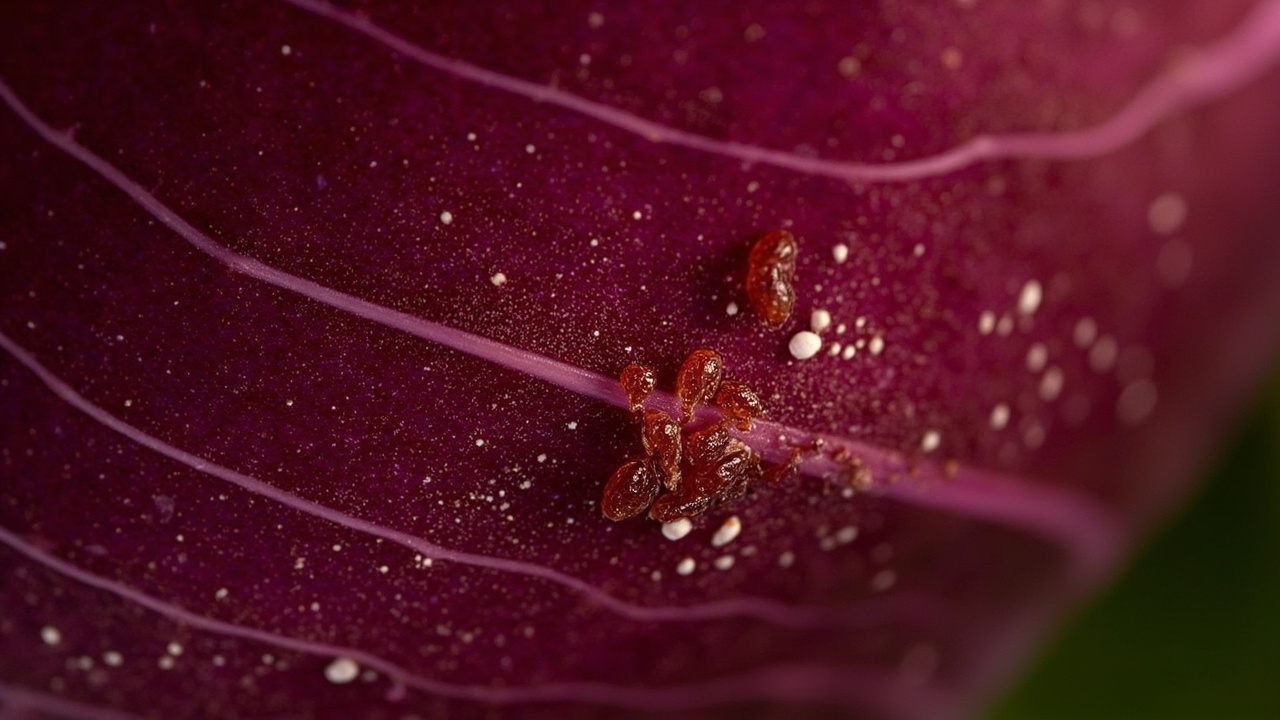
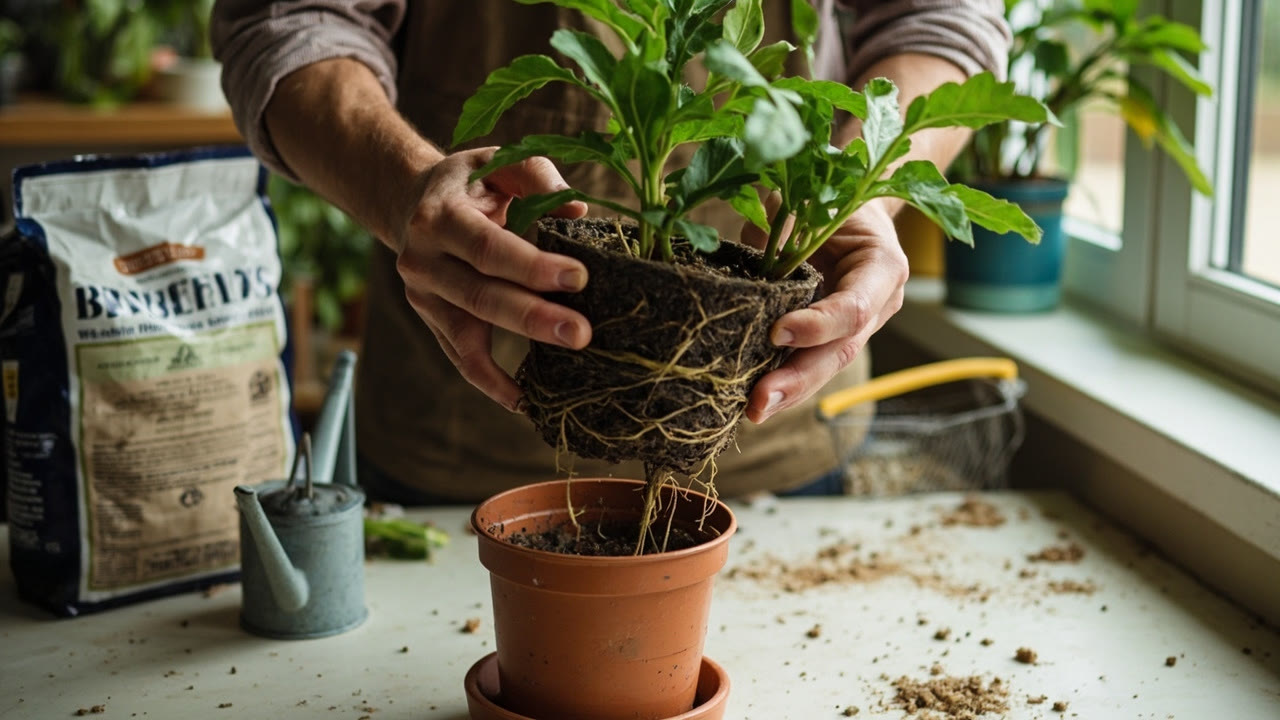
If you grow houseplants and have a cat, you’ve probably googled “is calathea toxic to cats” at least once. The short answer: Calathea is non-toxic to cats, dogs, and humans. The longer answer, and the one worth reading, explains why this plant has a reputation for being safe, where the confusion comes from, and what to do if your cat has decided the leaves are a salad bar.
What the Evidence Actually Says
Calathea is a genus in the family Marantaceae, the prayer plant family. The ASPCA (American Society for the Prevention of Cruelty to Animals) lists Calathea as non-toxic to both cats and dogs. The Pet Poison Helpline classifies it the same way. Calathea is also generally recognised as safe around humans, including children, in the context of incidental contact.
What “non-toxic” means in practical terms: a cat that nibbles a Calathea leaf is unlikely to experience vomiting, diarrhoea, lethargy, oral irritation, or any of the symptoms that send pets to emergency vets. It does not mean the plant is edible, nutritious, or appropriate as a regular food source. More on that below.
Why the Confusion Exists
Several common houseplants look like Calathea but are genuinely toxic. Alocasia, Colocasia (taro), and Caladium are sometimes called “elephant ear” plants and have arrow-shaped leaves that can be mistaken for Calathea at a glance. Those are toxic — they contain calcium oxalate crystals that cause oral and throat irritation. The same visual confusion exists with Dieffenbachia (dumb cane) and certain Philodendron species.
Another source of confusion: the name. “Calathea” is sometimes used loosely by sellers to refer to plants in related genera, including Stromanthe and Ctenanthe. The taxonomy has been revised more than once. For toxicity purposes, all Marantaceae (Calathea, Stromanthe, Ctenanthe, Maranta) are non-toxic. The plant you actually have should be confirmed by leaf shape and growth habit, not just the common name.
Why Cats Chew Houseplants Anyway
Cats chew plants for reasons unrelated to hunger. The most common is fibre — cats use grass and rough plant material to help move hairballs through the digestive tract. Calathea leaves are wide, accessible, and have a texture that cats sometimes find appealing. Younger cats and kittens are most likely to chew, but adult cats do it too, especially in winter when outdoor access is limited.
Another reason: boredom or attention-seeking. If your cat has learned that chewing plants gets your reaction, the behaviour will continue. Calathea is one of the better plants to have in this situation precisely because the consequences are minor.
The Real Risk: Mechanical, Not Chemical
The actual concern with cats and Calathea is not toxicity — it’s mechanical damage. A cat that chews the stems can sever new growth, and cat saliva on the leaves can cause localised blackening where the plant responds to the protein. Most Calathea recover from light chewing, but a cat that decides to use the pot as a litter box can cause root rot quickly because cat urine is far more concentrated than the plant is designed to handle.
The practical version: Calathea is safe for cats, but the plant itself is not safe from cats. If you have a cat that interacts heavily with houseplants, the question isn’t “will this hurt my cat?” but “will my cat destroy this plant?” The answer is often yes, especially with younger, more curious cats.
What to Do If Your Cat Eats Calathea
If you witness your cat chewing Calathea, the steps are simple: remove the cat from the plant, check for any visible oral irritation, and monitor for vomiting or diarrhoea over the next 6–12 hours. For most cats, no symptoms will appear. If your cat has a sensitive stomach and vomits once or twice, withhold food for 2–4 hours, then reintroduce a small amount of bland food. The symptoms, if any, are self-limiting and pass within 24 hours.
Call your vet if: vomiting persists beyond 12 hours, you see blood in vomit or stool, your cat becomes lethargic and refuses water, or your cat has a pre-existing condition (kidney disease, diabetes, IBD) that complicates any digestive upset. The same guidance applies to dogs.
What You Shouldn’t Do
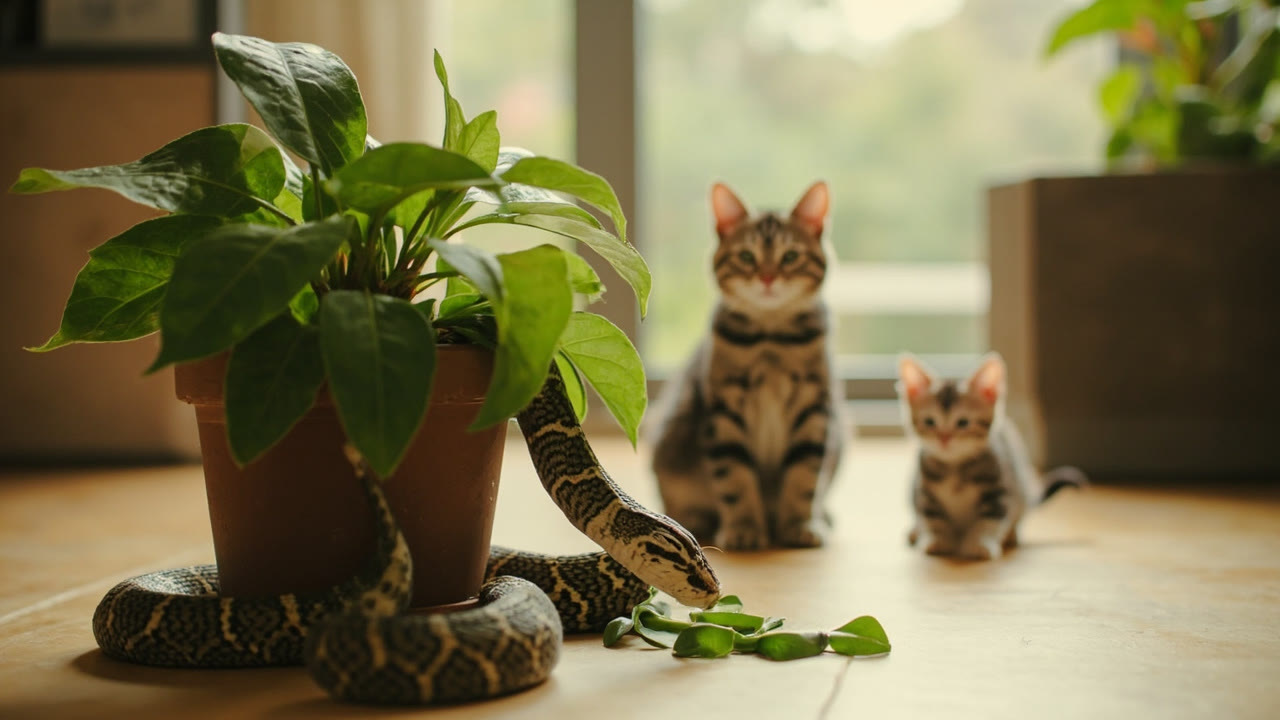
Do not induce vomiting. Do not give hydrogen peroxide. Do not use deterrents like bitter apple spray on Calathea leaves without testing first — Calathea foliage is sensitive to many topical treatments, and the spray can cause more damage than the chewing would have. The safest deterrent is physical: relocate the plant to a room the cat cannot access, or use a plant stand the cat cannot reach.
The Bigger Picture: Calathea in a Pet Household
Calathea is a good choice for homes with cats, dogs, or small children. It is one of the more forgiving pet-safe plants in the tropical foliage category. Other non-toxic alternatives include Maranta (the true prayer plant), Boston fern, Spider plant (with a small caveat — see below), Peperomia, and certain Pilea species.
Spider plant deserves a note. Spider plant is non-toxic to cats, but it contains compounds related to opium alkaloids that can cause mild sedation, vomiting, or hyperactivity in some cats. Most cats are unaffected, but if your cat responds to Spider plant, treat it the same as any other unusual reaction: monitor and call your vet if symptoms persist.
For a fuller picture of the Calathea care picture, the Calathea humidity requirements guide covers why a stressed plant is more attractive to cats (slightly droopier leaves, easier to chew) and how to keep the plant out of reach without sacrificing the humidity it needs. The Calathea leaf curling guide is also worth bookmarking — chewed leaves often curl as the plant responds, and distinguishing that from environmental stress matters when you have pets.
From PDF to Excel in one click
Forget retyping line by line. Upload any bank statement, get a spreadsheet you can actually use. Your files are never stored, and you can test the converter with 3 free conversions.
Try it free