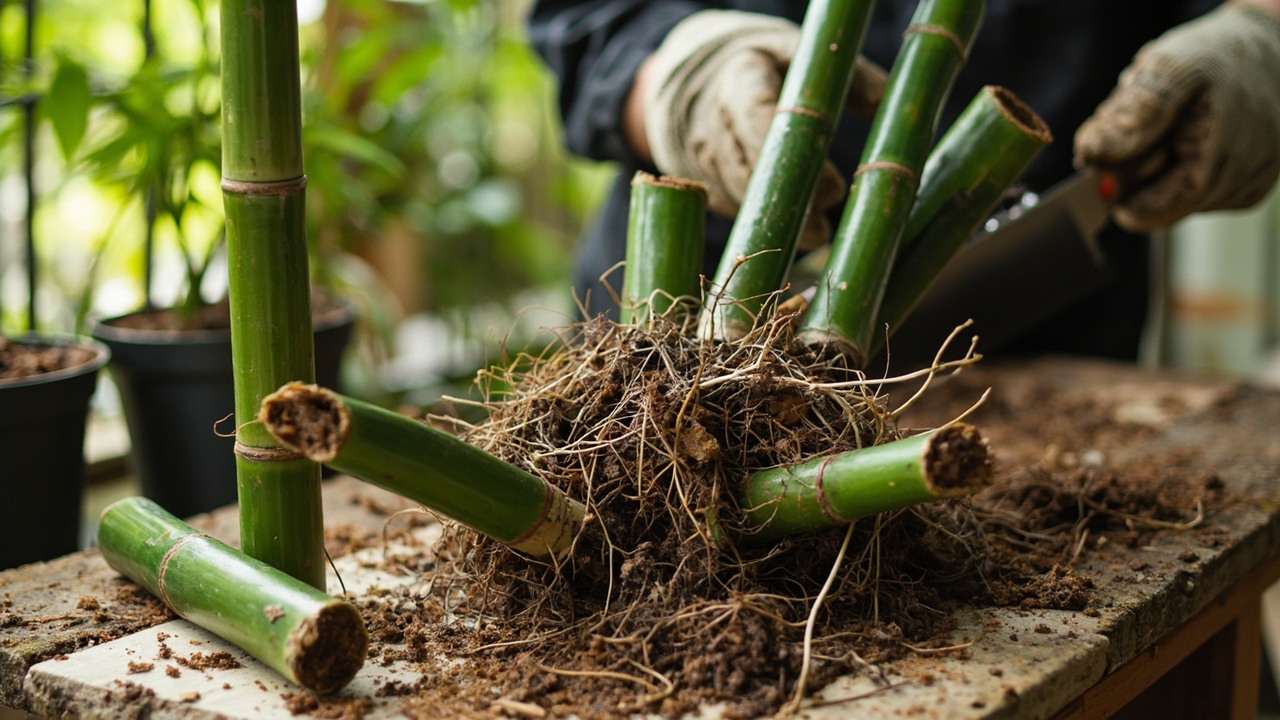
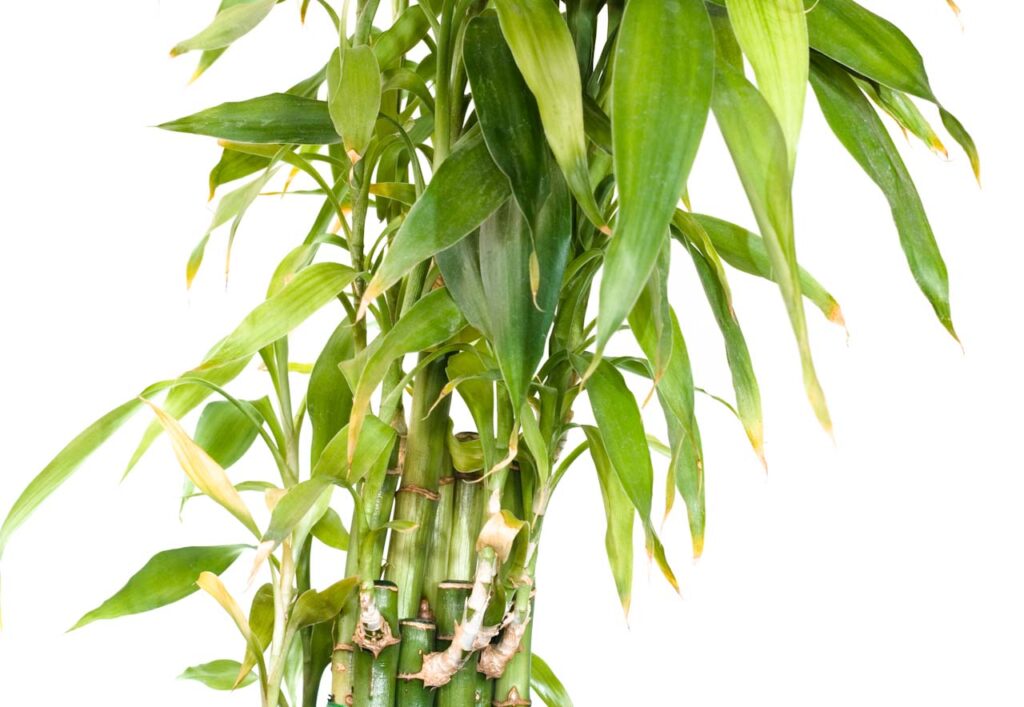
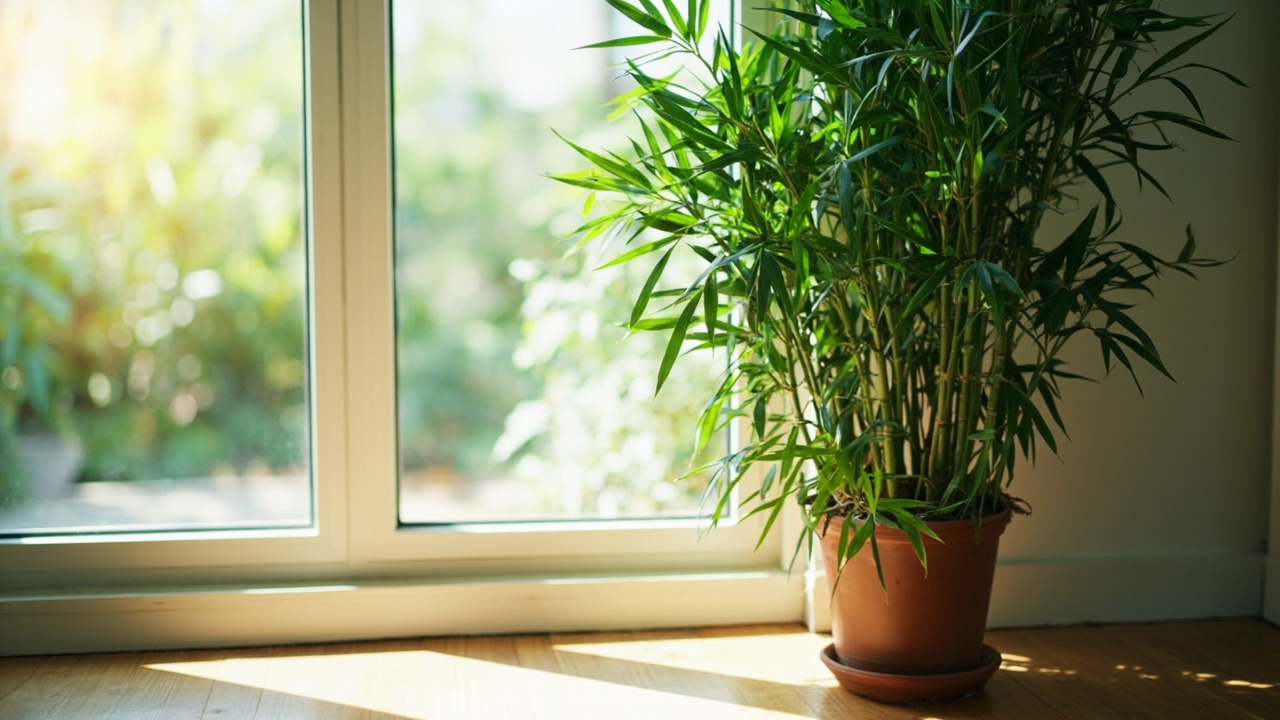
Bamboo grows best in soil that holds steady moisture but still drains well. The ideal root zone is loose, loamy, and rich enough to support fast growth without staying waterlogged around the rhizomes and roots.
The balance matters because bamboo is both thirsty and sensitive to stale, compacted soil. A mix that dries instantly causes drought stress. A dense mix that stays wet cuts oxygen around the roots.
The Best Soil Texture for Bamboo
The best bamboo soil feels crumbly, not sticky. In the ground, that usually means loam improved with compost or aged organic matter. It should hold moisture after watering but still let excess water move away from the root zone.
Heavy clay can work only if drainage is improved. Pure sand drains fast but may not hold enough water or nutrients for strong cane growth. The goal is a middle texture: moisture-retentive, airy, and stable.
The broader guide on how to grow bamboo explains how soil fits into the full care routine.
Container Bamboo Needs a Different Mix
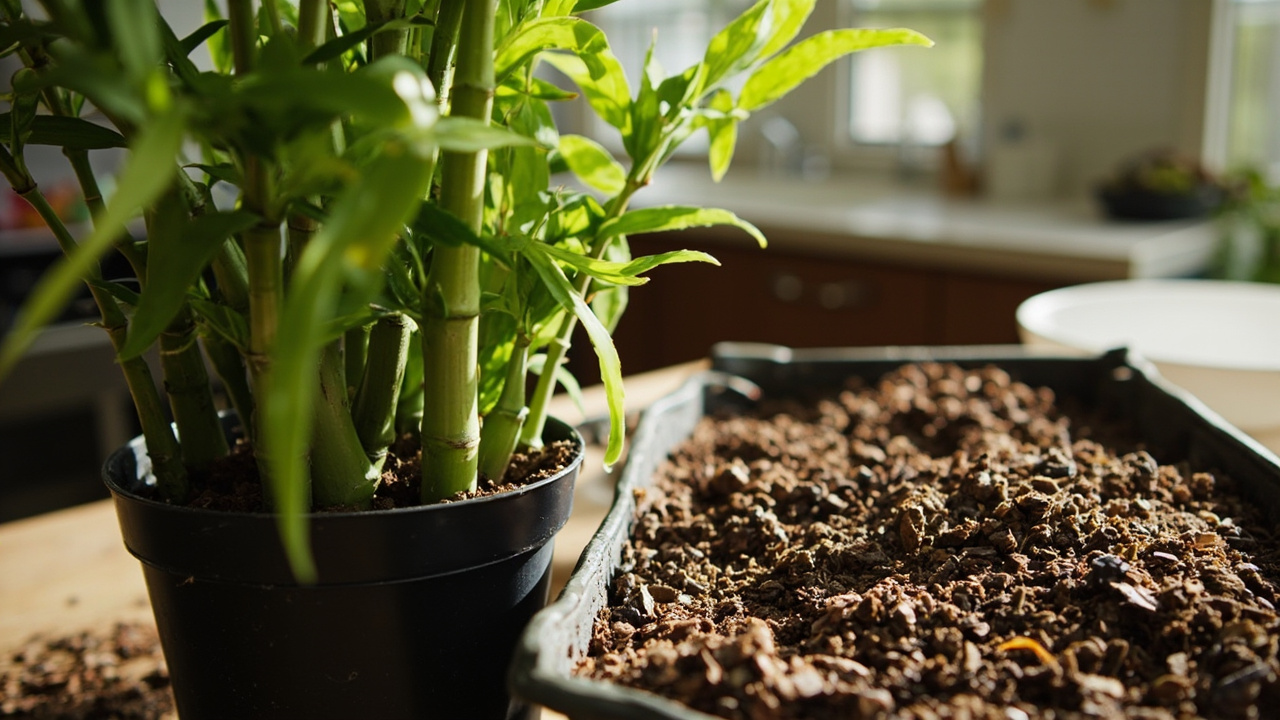
Do not fill bamboo containers with dense garden soil. In a pot, garden soil compacts, drains unevenly, and can hold water around the lower roots for too long. A container mix needs structure that stays open after repeated watering.
A practical bamboo potting mix can combine high-quality potting soil with compost, pine bark, and perlite or pumice. The organic matter holds moisture, while bark and mineral particles keep air spaces open.
For pot size and root control, use the guide to bamboo in containers with this soil guidance.
Soil and Watering Work Together
Soil quality changes how often you need to water. A loose, barky mix may need water more often in summer. A dense, compost-heavy mix may stay wet longer and needs a lighter hand.
The honest trade-off is that there is no perfect mix without observation. A moisture-retentive soil protects bamboo from drying out, but too much fine organic matter can make a pot slow to drain. A fast mix protects roots from sogginess, but it can dry quickly in heat.
The bamboo watering guide helps adjust moisture once the soil structure is right.
Soil Problems That Stress Bamboo
When bamboo declines, the soil often tells the story before the leaves do.
- Compacted soil: water sits on the surface or runs down cracks instead of soaking evenly.
- Soggy mix: the pot stays heavy for days, and lower leaves may yellow from root stress.
- Dry sandy soil: leaves curl quickly in heat because the root zone cannot hold enough moisture.
- Old container mix: the pot becomes root-bound, water runs through, and growth slows.
- Unfinished organic matter: fresh wood chips or raw compost can tie up nitrogen and heat as they break down.
If poor soil has already caused decline, use the guide to save dying bamboo after correcting the root zone.
Light Changes How Fast Soil Dries
The same soil behaves differently in different light. A container in full afternoon sun may dry twice as fast as one in bright shade. Indoors, the same mix may stay wet longer because light and airflow are lower.
Soil that works in shade may dry too fast under the exposure described in bamboo light requirements. Watch the plant after changing location, because the watering rhythm often changes before the roots adapt.
From PDF to Excel in one click
Forget retyping line by line. Upload any bank statement, get a spreadsheet you can actually use. Your files are never stored, and you can test the converter with 3 free conversions.
Try it free