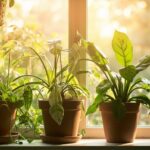
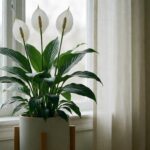
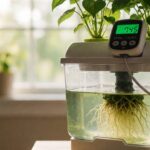
Alocasia are not difficult to water — but they are specific. The soil should be consistently moist without ever being waterlogged, and the roots should never be left sitting in water. For most houseplants, watering guidelines are somewhat forgiving. For Alocasia, the watering balance is more precise: too dry and the large leaves collapse and may drop; too wet and the roots rot quickly.
The Core Rule
Water when the top inch of soil is dry. In summer, in a warm room with good light, this is typically every three to five days. In winter, when growth slows, it is every seven to ten days. The exact interval depends on the pot material, the soil mix, and the humidity — always check with your finger rather than following a fixed schedule.
When you water, add water slowly until it flows freely from the drainage hole. This ensures the entire root ball is evenly moistened. After 30 minutes, empty the saucer — roots sitting in standing water develop rot quickly in Alocasia.
Why Alocasia Are Sensitive to Overwatering
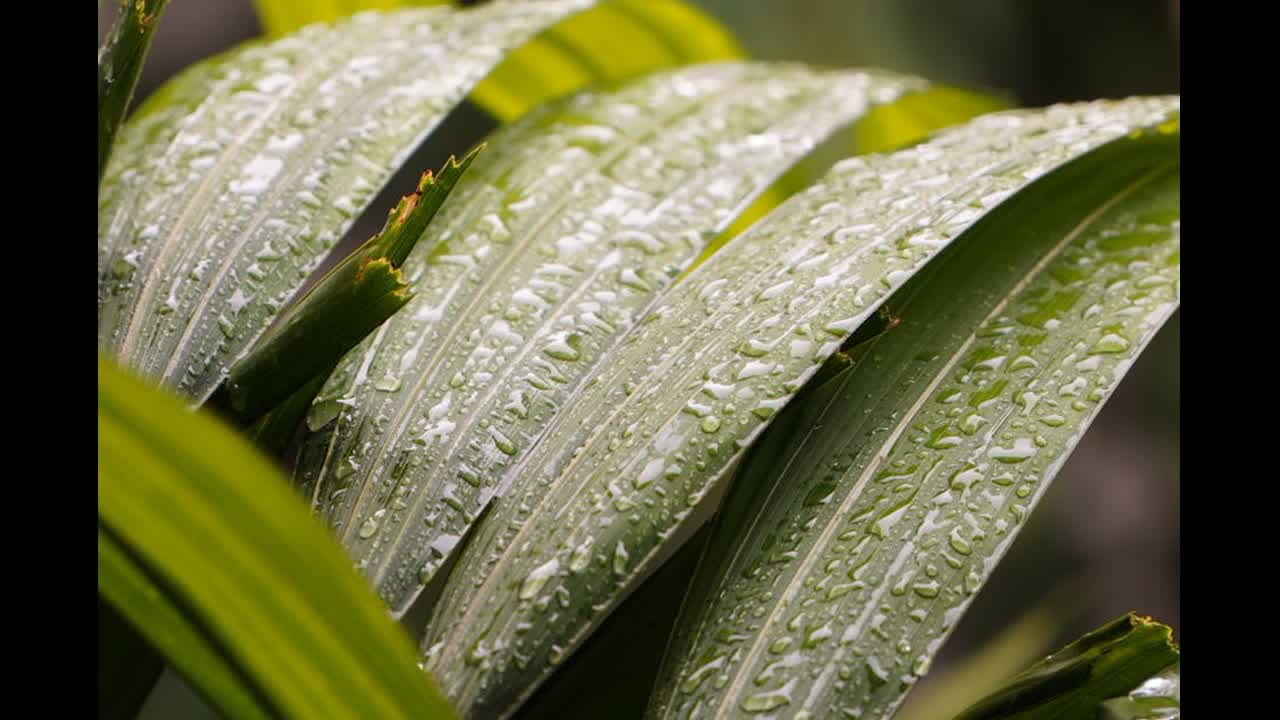
Alocasia have a more compact root system than many houseplants and a higher proportion of large, thin leaves that transpire water rapidly. This means the plant loses water quickly through its leaves but cannot necessarily absorb it fast enough from waterlogged soil to replenish it — the roots in wet soil function poorly, creating a paradox where the plant shows signs of drought (wilting, leaf collapse) while the soil is wet. This is one of the most confusing aspects of Alocasia care and the most common cause of overwatering mistakes.
The fix when you see wilting despite wet soil: stop watering immediately, let the soil dry out, and check the roots for rot before watering again. If the roots are white and firm, the plant will recover when the soil dries sufficiently. If the roots are dark and soft, treat for root rot.
Underwatering
Alocasia tolerate occasional underwatering well — the large leaves lose turgor and droop noticeably, giving a clear signal that water is needed. Thorough watering restores the leaves within a few hours. Chronic underwatering causes the leaf edges to turn brown and crispy and the plant to slow its growth significantly.
The key is to water thoroughly when you do water — add water until it flows from the drainage hole — rather than giving small amounts frequently. Small, frequent waterings moisten only the top layer of soil and leave the root ball dry in the middle of the pot.
Water Quality
Alocasia are not as fluoride-sensitive as spider plants, but they do appreciate clean water. Tap water that is heavily treated with chlorine can cause brown leaf edges in some cases, though this is less common than with spider plants. Using filtered water is beneficial for Alocasia in areas with heavily treated municipal water, but it is not essential as it is for spider plants.
The Humidity Connection
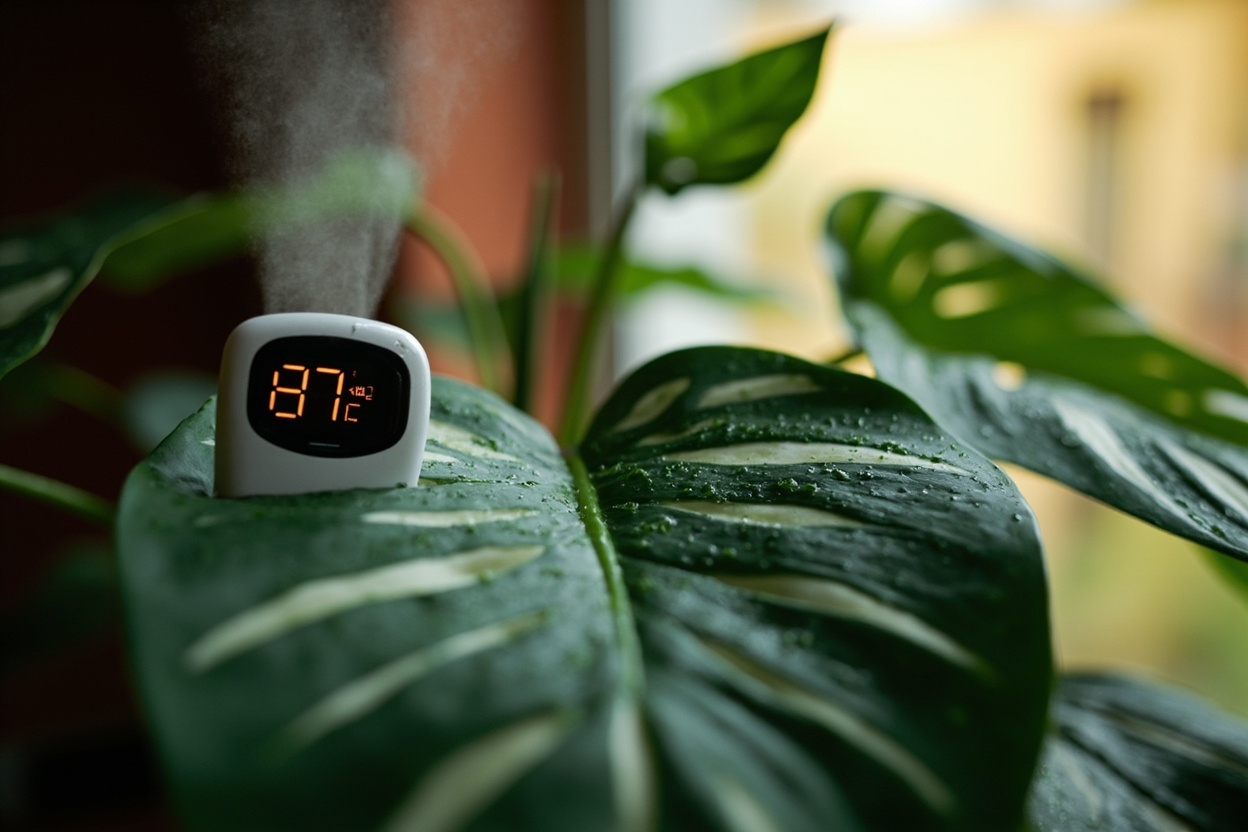
Higher humidity reduces the rate at which Alocasia loses water through its leaves, which means the soil stays moist longer between waterings. In low humidity — below 40% — the plant transpires more water and the soil dries faster, requiring more frequent watering. If you are raising humidity for the plant with a pebble tray or humidifier, monitor the soil moisture more carefully because the drying interval will change.
Signs of Watering Problems
Wilting with wet soil: stop watering, let the soil dry, check for root rot.
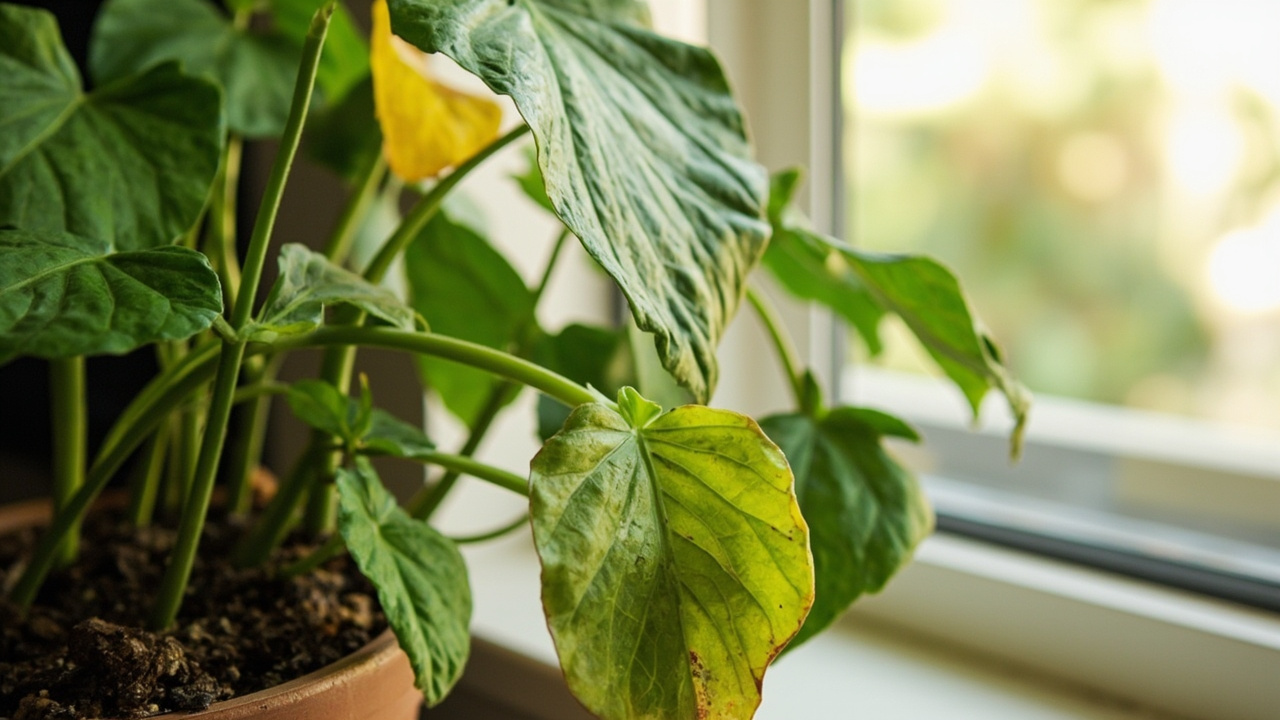
Yellow lower leaves: overwatering. Reduce frequency and ensure the pot has drainage.
Brown leaf edges and tips: low humidity, underwatering, or fluoride in tap water. Address the most likely cause based on your conditions.
Crispy, dry leaf edges despite adequate watering: low humidity. Increase humidity with a pebble tray or humidifier.
From PDF to Excel in one click
Forget retyping line by line. Upload any bank statement, get a spreadsheet you can actually use. Your files are never stored, and you can test the converter with 3 free conversions.
Try it free