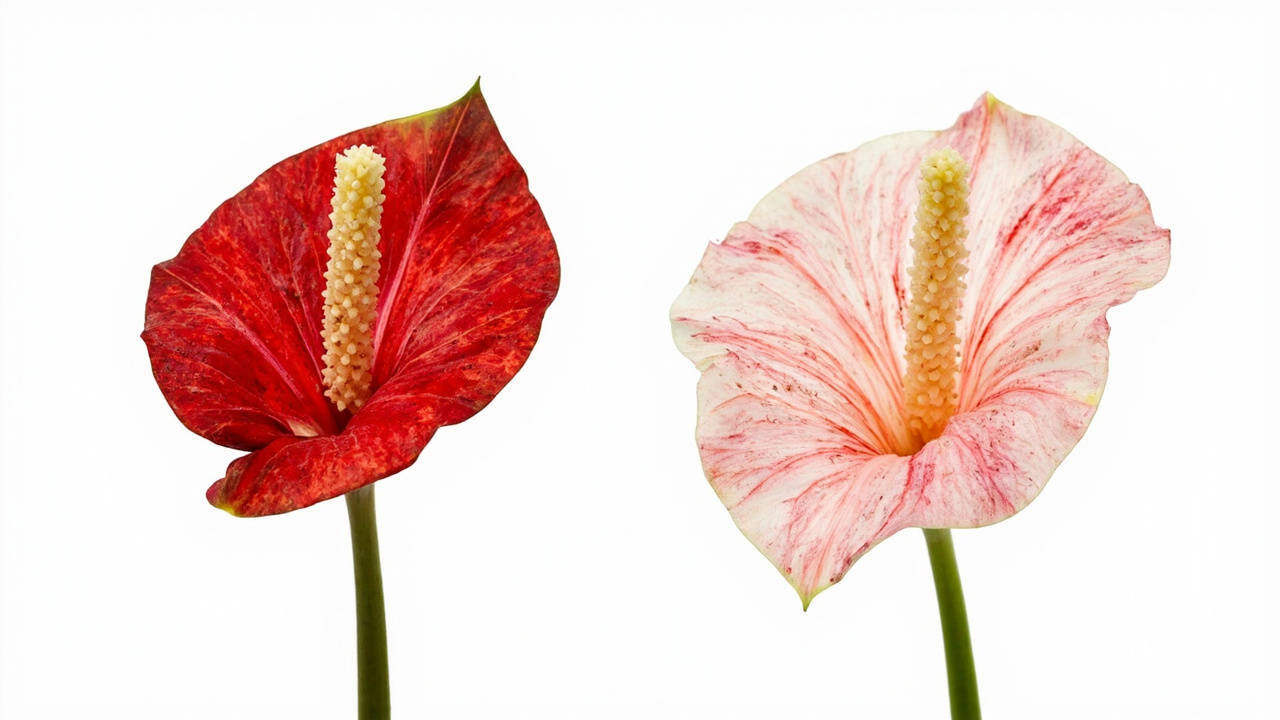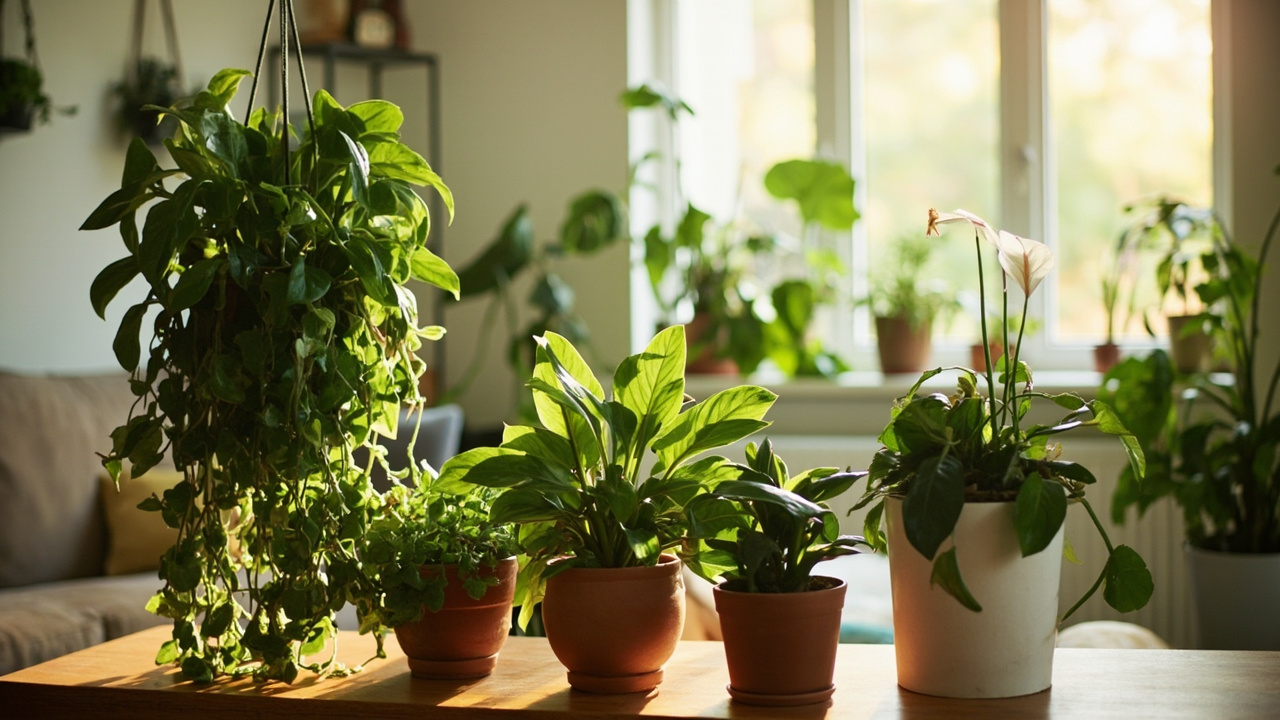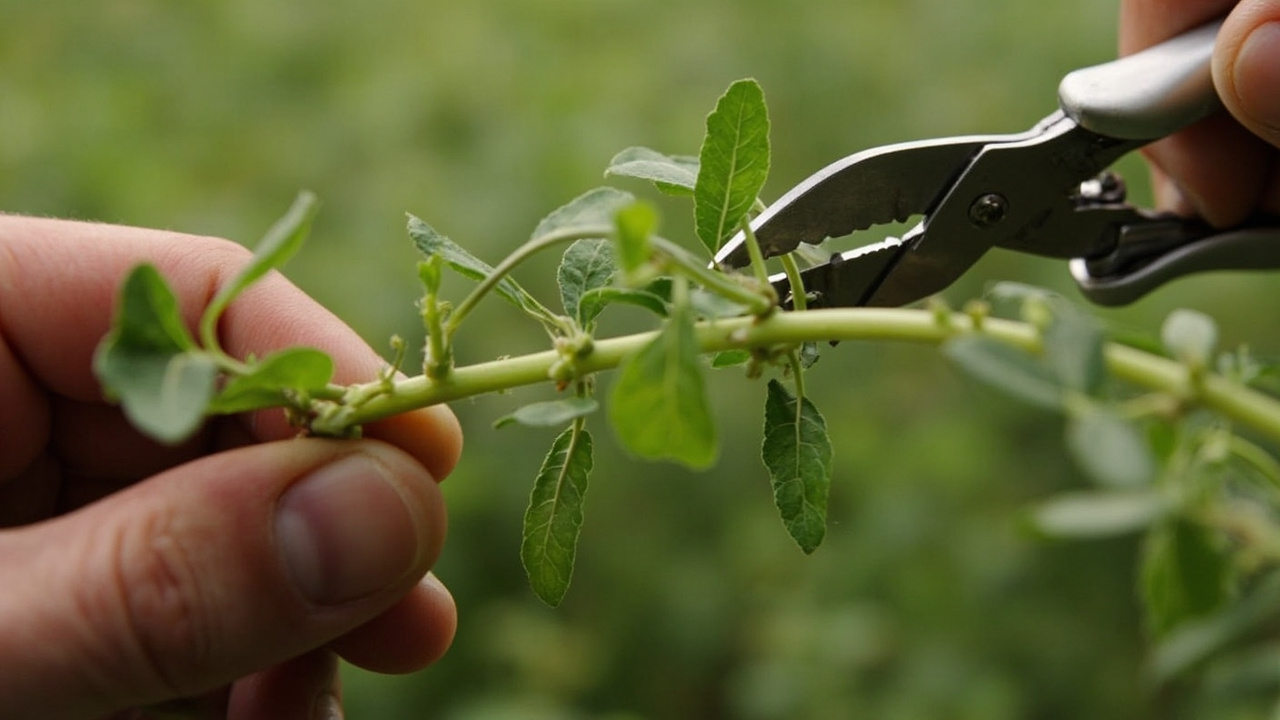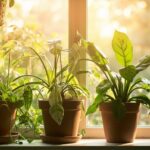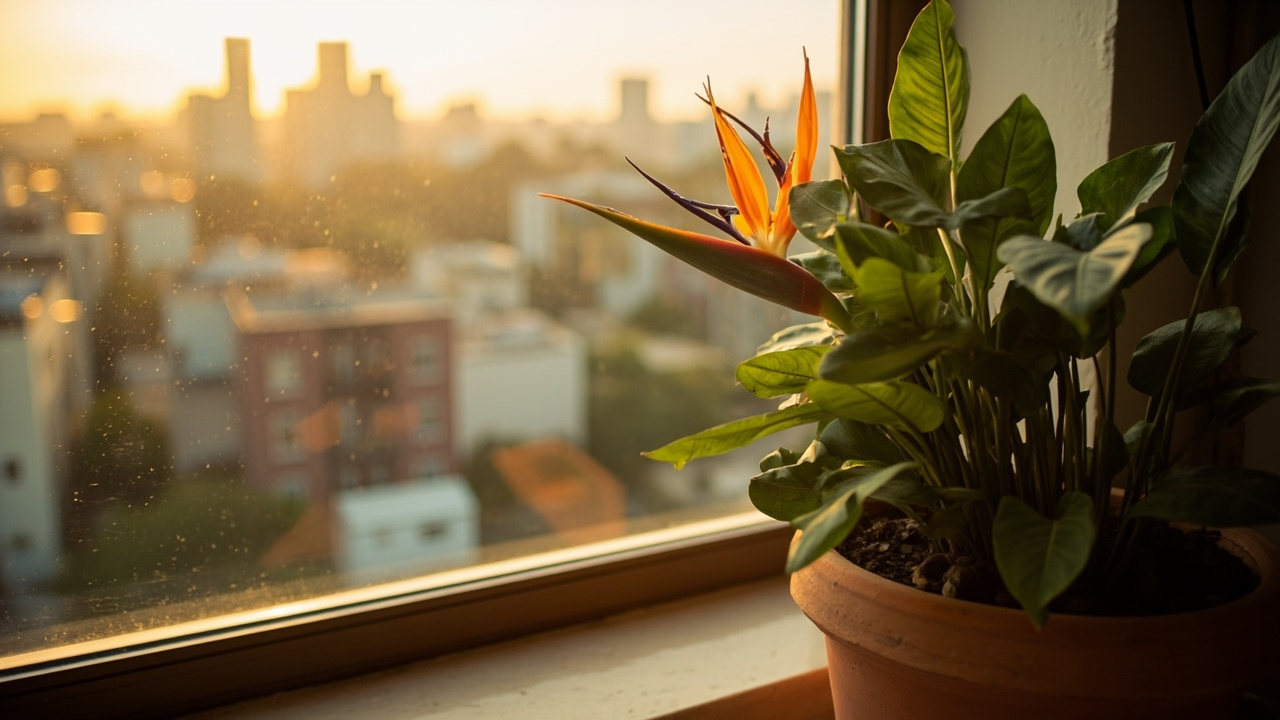

Bird of Paradise, or Strelitzia, is one of those plants that seems equally at home in a bright living room corner and on a sunny patio. Both environments can support the plant, but they produce very different outcomes. The choice between indoor and outdoor growing is not about which method is better. It is about which environment matches your climate, your light situation, and what you want the plant to do. Some owners never consider moving their Strelitzia outside. Others keep theirs strictly indoors and never achieve the bloom they see in gardens. Understanding what each scenario delivers removes the guesswork.
The core difference is climate exposure. Outdoors, the plant receives full spectral sunlight, natural rainfall patterns, wind exposure that strengthens leaf structure, and the temperature fluctuations that trigger seasonal growth cycles. Indoors, the environment is stable but filtered. Light is weaker, humidity is lower, and temperature rarely drops enough to signal dormancy. Neither condition is wrong. They are simply different trade-offs.
Indoor Growing: Maximum Control, Minimum Bloom Potential
Indoor Strelitzia growing offers the highest degree of environmental control. You decide the temperature, the watering schedule, the pot size, and the light direction. The plant cannot get hit by a storm, eaten by pests migrating from neighboring gardens, or damaged by unexpected frost. For growers in cold climates or apartments with consistent heating, indoor cultivation is the only option that keeps the plant alive year-round without extraordinary effort.
The trade-off is bloom potential. Strelitzia reginae, the species most commonly grown indoors, requires a combination of high light intensity, mature age, and seasonal temperature variation to initiate flowering. Indoor conditions rarely deliver all three simultaneously. A plant positioned near a south-facing window may receive adequate light during summer months but falls short in winter when the sun angle is lower and days are shorter. Even with a quality grow light supplement, the photon density near a window often exceeds what most indoor setups provide, making seasonal variation the harder constraint to replicate.
The practical result is that indoor Strelitzia almost always grows vigorously as foliage but rarely flowers. This is not a failure of care. It is the natural outcome of an environment that prioritizes stability over the environmental stressors that trigger blooming. A healthy indoor Strelitzia will produce a new leaf every six to eight weeks during active growth, develop large architectural leaves, and create a striking tropical presence in any room. The absence of flowers does not mean the plant is suffering. It means the indoor environment is optimized for vegetative growth, not reproduction.
Humidity is the most visible indoor constraint. Indoor air, especially in heated or air-conditioned spaces, typically sits between thirty and forty-five percent relative humidity. Strelitzia prefers fifty to sixty-five percent. The mismatch manifests as humidity crack, the term for the longitudinal splits that appear along leaf edges when dry air causes the leaf margin to lose moisture faster than the central blade. These splits are cosmetic, not harmful, but they reduce the plant’s visual appeal over time. Increasing ambient humidity with a pebble tray, room humidifier, or plant grouping can reduce the frequency of cracking but rarely eliminates it completely in dry-climate homes.

Outdoor Growing: Natural Intensity versus Environmental Risk
Outdoors, Strelitzia receives the full spectrum of sunlight that it evolved to use. The photon density in direct sun is two to three times higher than what even the best indoor grow light can deliver. This intensity drives faster photosynthesis, thicker leaf tissue, and, critically, the energy surplus that makes flowering possible. Strelitzia nicolai, the Giant Bird of Paradise, thrives outdoors in warm climates and can reach extraordinary dimensions, producing leaves up to six feet long in ideal conditions. Even S. reginae grows more vigorously outdoors, with larger leaf surfaces and stronger stalk development.
The outdoor environment also provides natural humidity cycling. Morning dew, afternoon evaporation, and evening condensation create a moisture rhythm that indoor climate control struggles to replicate. Plants grown outdoors typically develop more robust root systems because they encounter slightly drier conditions between rain events, which encourages deeper root exploration. The resulting root ball supports more aggressive top growth and greater overall biomass.
The risk of outdoor growing is environmental unpredictability. Strelitzia is tender and has no frost tolerance. Sustained temperatures below forty degrees Fahrenheit cause irreversible tissue damage. A single hard frost can kill a mature plant in hours. In marginal climates, this risk limits outdoor growing to the warmest five to seven months of the year. Growers in USDA zones ten and above can keep Strelitzia outdoors year-round. Zones eight and nine require seasonal relocation. Zones below eight make outdoor growing impractical unless the plant is treated as an annual or moved indoors every autumn.
Even in suitable climates, outdoor Strelitzia faces pest pressure, wind damage, and excessive rainfall that can waterlog the root zone. The split leaf, while natural, is more pronounced outdoors because wind physically stresses the large leaf surfaces. This is not a defect. It is the plant’s evolved response to high-wind conditions in its native South African habitat. The leaves split along pre-formed fracture lines to reduce wind resistance and prevent catastrophic tearing. Indoors, where air is still, splitting occurs primarily from humidity stress rather than wind. The two causes look similar but have different management implications.
The Humidity Divide: Why Indoor Leaves Crack and Outdoor Leaves Split
Understanding the difference between humidity crack and split leaf helps you diagnose whether your Strelitzia is struggling in its current environment. Humidity crack appears as dry, brown, brittle margins that separate from the leaf blade. The damage starts at the tip or edge and progresses inward. The tissue is dead and will not recover. Split leaf, by contrast, appears as clean longitudinal separations running from the leaf tip toward the midrib. The tissue on either side of the split remains green and healthy. Splitting is structural. Cracking is desiccation.
Both conditions reduce the plant’s photosynthetic capacity slightly, but neither is fatal. A humidity crack problem signals that indoor air is too dry. A grow light setup paired with a humidity increase often resolves the issue within one growing cycle. New leaves produced in higher humidity show fewer cracks. A split leaf problem outdoors is normal and requires no intervention unless the splits are so extensive that the leaf collapses entirely, which is rare except in extreme wind events.
The deeper implication is that indoor and outdoor growing demand different management philosophies. Indoor care focuses on compensating for missing environmental inputs, primarily light and humidity. Outdoor care focuses on managing excess environmental inputs, primarily rain, wind, and temperature extremes. The same plant that thrives outdoors will struggle indoors without adjustment, and the same plant that survives indoors will die outdoors in frost. Recognizing which direction the compensation flows helps you set realistic expectations for each growing scenario.
When to Choose Indoors versus Outdoors: A Decision Framework
The decision between indoor and outdoor growing rests on three measurable factors: minimum winter temperature, available light, and the grower’s willingness to manage seasonal transitions.
If your area experiences frost, outdoor growing is only viable during the frost-free season. You must be prepared to move large, heavy container plants in and out of the house twice a year. Strelitzia reginae in an eight-inch pot weighs twenty to thirty pounds when wet. S. nicolai in a container can exceed one hundred pounds. Moving these plants is physically demanding and risks root disturbance. If you cannot manage seasonal relocation, indoor growing is the default choice.
If your area stays above fifty degrees Fahrenheit year-round, outdoor growing is feasible and often superior for plant vigor. The only constraint is whether you have a location with protected morning sun and dappled afternoon shade, which mimics the plant’s native forest margin habitat. Full all-day sun scorches young leaves. Full shade produces leggy growth and zero bloom potential. The sweet spot is three to four hours of direct morning sun with bright indirect light for the rest of the day.
If you have a south-facing window with minimal obstruction and can maintain humidity above forty-five percent with a humidifier, indoor growing can support a healthy plant and occasionally a bloom. The bloom is more likely from S. reginae than from S. nicolai, which rarely flowers indoors regardless of conditions. If your goal is specifically to see Strelitzia flowers, outdoor growing in a warm climate gives you the best chance. If your goal is a dramatic architectural houseplant, indoor growing delivers that reliably.
Seasonal Transition: Moving Outdoor Plants Back Inside
The seasonal move from outdoor to indoor growing is the highest-risk period for outdoor-grown Strelitzia. The plant adapts quickly to outdoor conditions but takes three to four weeks to adjust to indoor light levels. During this transition, leaves may yellow, drop, or show increased splitting as the plant reorients its photosynthetic apparatus to lower light intensity. This leaf drop is normal and not a sign of disease. Remove only fully yellowed leaves at the stem base. Green leaves that show slight yellowing at the margins will often recover as the plant acclimates.
Move the plant indoors before night temperatures consistently drop below fifty-five degrees Fahrenheit. Do not wait for frost warnings. The physiological damage from cool exposure accumulates before visible symptoms appear. Bring the plant in gradually if possible. Start by placing it on a covered porch or in a garage with filtered light for three to four days before moving it to its final indoor position. This reduces the light shock that causes the most visible leaf damage during transition.
Water thoroughly before bringing the plant indoors. Inspect every leaf surface for pests, especially spider mites and mealybugs, which are more common on outdoor plants. A quick shower under a garden hose or a careful inspection with a magnifying lens can prevent introducing pests into your indoor plant collection. Treat any detected pests before the plant enters the house. Indoor humidity levels that are too low after transition can trigger humidity crack on previously healthy leaves. Increase ambient humidity during the acclimation period to ease the transition.
The Verdict: What Each Environment Actually Delivers
Indoor growing delivers a manageable, predictable, long-lived Strelitzia that serves as an architectural focal point in any room. The plant will grow steadily, produce new leaves regularly, and require routine watering and occasional humidity supplementation. The downside is that blooms are rare, and the plant never reaches its full outdoor size potential. Indoor S. reginae typically tops out at four to five feet. Outdoor specimens of the same species can reach six to eight feet with mature flower stalks.
Outdoor growing delivers a more vigorous, larger, and potentially flowering Strelitzia with stronger leaf structure and more impressive overall presence. The downside is the seasonal labor of relocation, the risk of frost damage in marginal climates, and the need for pest monitoring. Outdoor S. nicolai is a statement plant that dominates a space in a way no indoor specimen can match. But it demands a climate that stays warm year-round or a grower willing to treat it as a seasonal outdoor plant.
The honest limitation is that neither environment is optimal for every owner. If you live in a cold climate with short summers, indoor growing is your only realistic option, and you should accept that blooms are unlikely. If you live in a warm climate and want the plant to perform at its natural height, outdoor growing is the better path, provided you can manage the seasonal transition. The plant itself does not care which environment you choose. It will adapt to both. Your satisfaction depends on aligning your expectations with what each environment can realistically deliver.
For most indoor growers, the most practical approach is to commit to indoor growing as the default and treat any outdoor placement as a seasonal bonus rather than an expectation. This framing removes the guilt that comes from a plant that refuses to bloom indoors and redirects energy toward maximizing the foliage display that indoor conditions support so well. A healthy, large Strelitzia indoors is a remarkable plant regardless of whether it ever produces a flower. Check our Bird of Paradise not flowering guide if you are hoping for blooms but getting none.
From Bank Statement to QuickBooks-Ready File
That manual cleanup you just read about? This tool skips it. Turn your PDF into QBO for QuickBooks without storing your data anywhere.
Start Converting