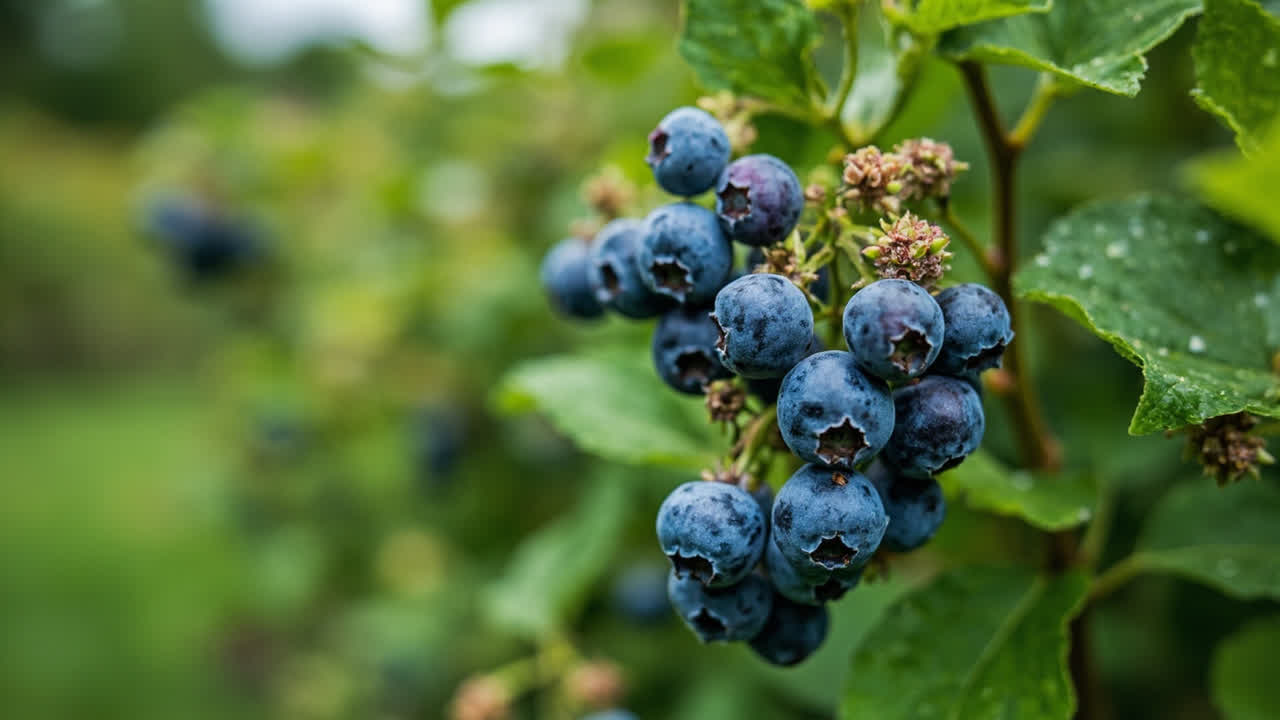
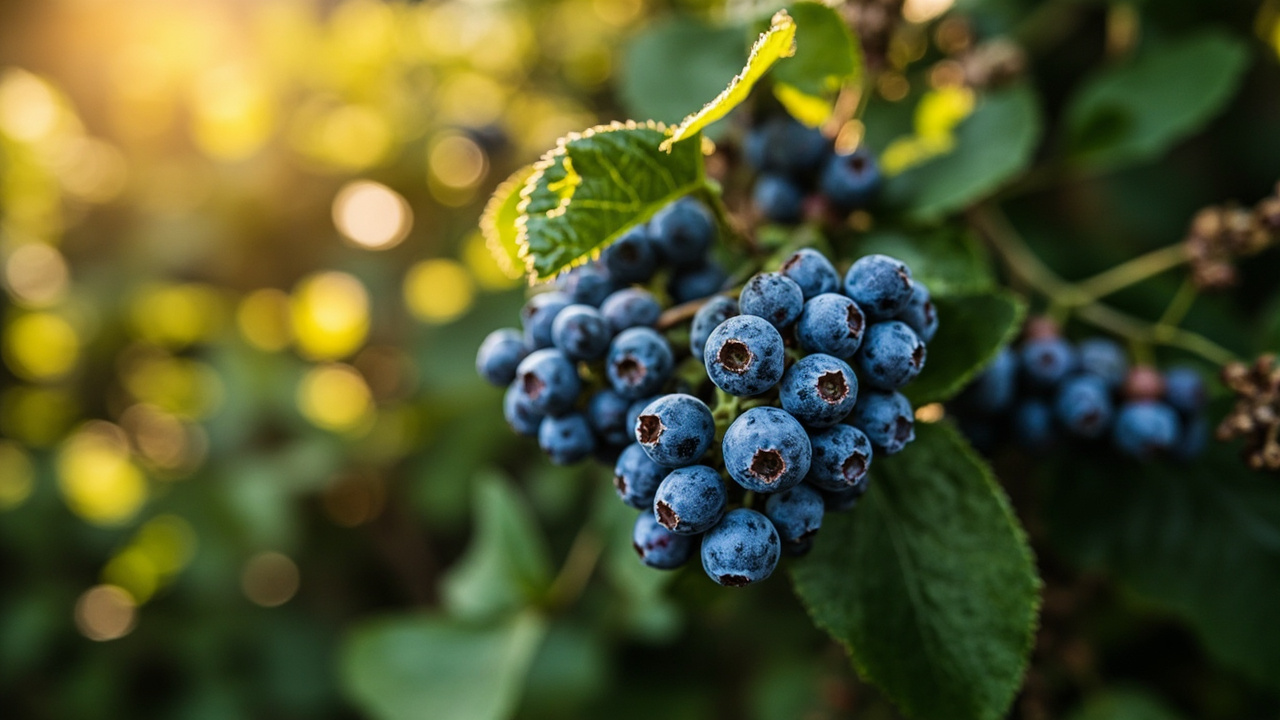
Both blueberry and cranberry need acidic soil with pH between 4.5 and 5.5 — the same chemistry, the same ericoid mycorrhizal partnership that locks iron availability — but the plants couldn’t be more different in form, harvest, or patience. Blueberry is a six-foot shrub with mid-summer berries in year three; cranberry is a four-inch evergreen mat with fall berries in year five. Picking between them isn’t about which is “better” — it’s about which axis your yard and your kitchen actually need.
The two plants share a genus (Vaccinium) and a soil chemistry requirement, but their root architecture is different enough that the pH requirement plays out differently in practice. Blueberry roots extend deeper and partner with ericoid mycorrhizal fungi that buffer the plant against moderate pH drift. Cranberry roots stay in the top four to six inches of soil and depend more directly on the surrounding soil staying in the 4.5 to 5.5 range. For the full blueberry soil prep protocol, see our blueberry soil pH requirements guide; for the full blueberry overview including variety selection, see our complete blueberry growing guide.
This comparison maps the four axes that actually decide which plant fits your yard: USDA zone and chill hours, space and form, harvest use and patience, and the actual hands-on care burden. By the end, the choice should resolve to one of three answers: blueberry, cranberry, or both.
Why Blueberry and Cranberry Get Confused (and Why That Matters)
Both blueberry (Vaccinium corymbosum for the standard highbush type) and cranberry (Vaccinium macrocarpon) evolved in acidic forest-floor soil in eastern North America. Both depend on ericoid mycorrhizal fungi to extend their root reach into that soil — and both lose that partnership when pH rises above 5.5, which is why “they both need acidic soil” is the comparison starting point every gardener hears first. Cornell Cooperative Extension and University of Wisconsin Extension both confirm the shared chemistry is real.
The mechanism plays out differently in practice because the root architecture differs. Blueberry roots extend deeper (8 to 12 inches in mature plants) and partner with mycorrhizae that can buffer against moderate pH drift — which is why a blueberry bush tolerates a brief excursion to pH 6.0 without immediate decline. Cranberry roots stay in the top four to six inches, with shorter root reach and a thinner mycorrhizal buffer. A cranberry mat declines faster when soil pH drifts upward, and recovers more slowly when soil moisture fluctuates.
The practical comparison axes the rest of this page maps: form (six-foot shrub versus four-inch mat), harvest (mid-summer versus fall, with different culinary uses), patience (year three production versus year five), and care burden (less water-sensitive versus more water-sensitive). The same-genus framing misleads home gardeners into thinking the two plants are interchangeable. They aren’t — but they’re complementary.
Climate and Zone Suitability
Blueberry is the wider-climate plant. With the four-type system — Northern Highbush for zones 4 to 7, Southern Highbush for zones 7 to 9, Rabbiteye for zones 7 to 9, and Lowbush for zones 2 to 5 — there is a blueberry type for almost every USDA zone in temperate North America. The variety recommendation page covers the type-by-type breakdown with named cultivars for each zone. The full picture on zone-specific variety selection is in our blueberry varieties guide.
Cranberry’s climate range is narrower. The plant is reliably hardy in zones 3 to 7 with consistent winter moisture or snow cover; in zones 8 and warmer, cranberry struggles because the plant needs a winter dormant period that warm-zone winters don’t provide, and because the consistent moisture requirement becomes harder to maintain in summer heat. Cranberry needs 1,000 to 2,000 chill hours per winter — similar to Northern Highbush blueberry and incompatible with Southern or Rabbiteye blueberry territory.
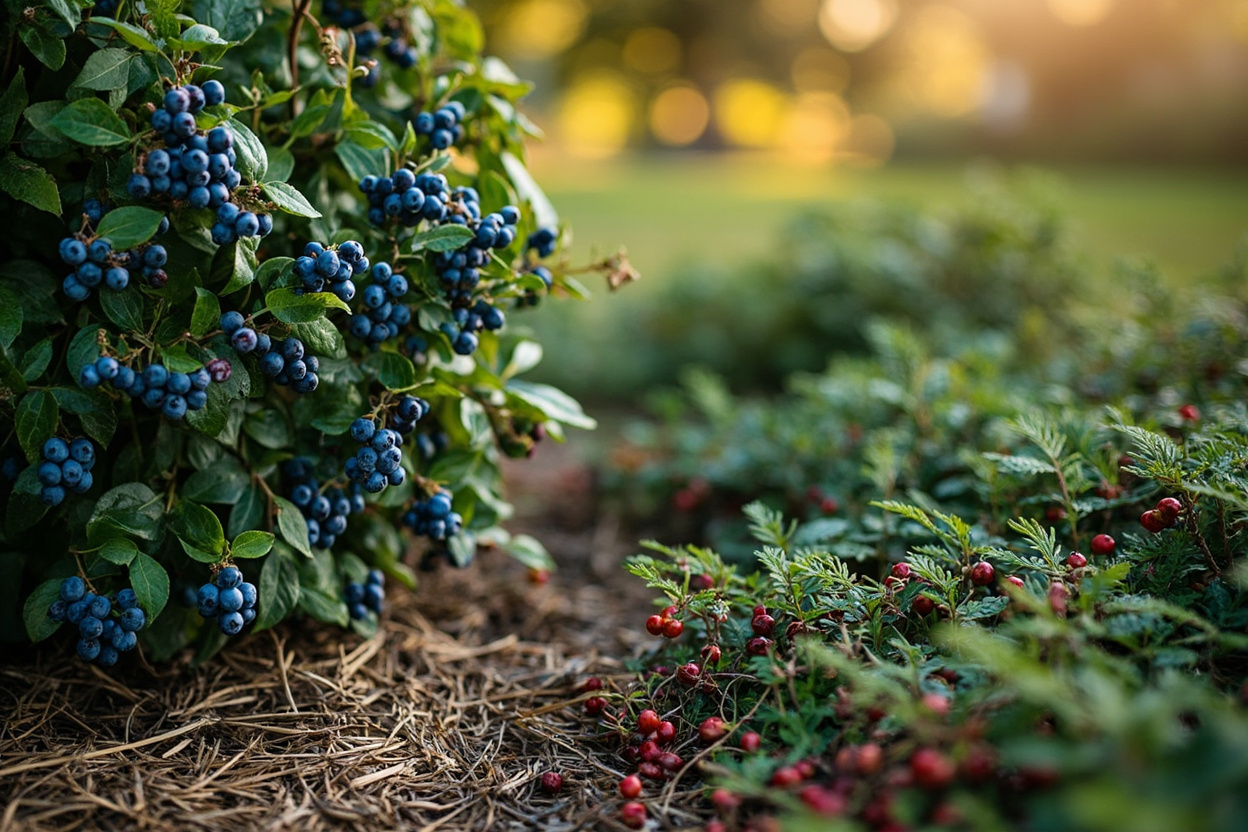
The chill-hour overlap is why blueberry and cranberry are most often co-planted in zones 4 to 7 — both will thrive there. Outside that range, the choice simplifies. Zone 3: lowbush blueberry or cold-hardy cranberry. Zone 8 or 9: Southern Highbush blueberry; cranberry is not realistic. The shared chemistry doesn’t translate to identical climate compatibility.
Space and Form — Shrub vs Ground Cover
Blueberry is a vertical shrub. Mature Northern Highbush plants reach five to eight feet tall with a four to six foot spread; Southern Highbush plants are slightly smaller. Plant at four to six foot spacing in rows six to eight feet apart, and the planting fills a three-dimensional space — vertical canopy with understory room for low-growing companion plants like strawberries or herbs. The full planting protocol is in our how to plant blueberry bushes guide.
Cranberry is a horizontal ground cover. Mature plants stay two to four inches tall and spread via runners (stolons) at one to two feet per year, eventually forming a permanent evergreen mat that fills its allotted space. Plant rooted runners or plugs at one to two foot spacing in a dedicated bed; the mat fills in within two to three years. Cranberry gives no vertical presence — it functions more like a decorative ground cover with fruit than a shrub.
The space-yield math matters. A mature blueberry bush produces eight to fifteen pounds of fruit per year in zones 4 to 7. A mature cranberry mat produces one to two pounds per ten square feet — roughly an order of magnitude less fruit per square foot of garden space. If the goal is maximum fruit production in minimum space, blueberry wins by a wide margin. If the goal is year-round evergreen ground cover with fall fruit as a bonus, cranberry has no real substitute.
Harvest Use and Patience
Blueberry fruit ripens mid-summer — typically July through early August in most of zones 4 to 7, depending on variety. Berries don’t persist on the bush; once ripe, they need to be picked within a week or they’ll drop. The fruit is sweet enough to eat fresh, holds its shape when frozen, and works for baking without added sugar. Year two may bring a light handful; year three is when production begins in earnest; year five plus is peak production.
Cranberry fruit ripens in late September through October, and crucially the berries persist on the plant through winter — they can be picked after frost, even into early winter in warmer zones. The fruit is too tart to eat fresh; almost all of it gets cooked into sauce, juice, dried cranberries, or baked goods. Year one is establishment; year three to five is the first significant harvest; year five to ten is full production. The patience requirement is steeper than blueberry.
The culinary roles don’t overlap. Blueberry fills a fresh-fruit-and-snack niche from midsummer; cranberry fills a fall-cooking-and-holiday niche. A yard with both plants gets a summer-and-fall harvest calendar that complements rather than competes. A yard with only one plant should pick based on which harvest use the household actually cooks with.
Care Differences That Decide Which Is Easier
Water is the axis where cranberry is genuinely harder. Blueberry needs one to two inches of water per week from rain plus irrigation, applied at the soil surface; it tolerates short dry spells if the root zone is established. Cranberry needs consistent moisture year-round and is unforgiving of drought — the shallow roots dry out fast and the plant declines visibly within days of water stress. The full seasonal watering rhythm is in our blueberry watering schedule guide; cranberry wants that schedule plus more frequent monitoring in summer.
Pruning goes the other way. Blueberry needs annual late-winter renewal pruning from year three onward — removing canes older than five years, thinning the center, keeping one to five new replacement canes. Cranberry needs almost no pruning; the mat just needs edging if it spreads beyond its bounds. If pruning is the chore you dislike most, cranberry is the easier plant on this axis.
Soil pH maintenance is similar in target (4.5 to 5.5) but cranberry is more sensitive to drift because of its shallower roots and thinner mycorrhizal buffer. Test soil pH annually for either plant, but expect to amend cranberry beds more often. The amendment protocol — elemental sulfur, pine bark mulch, peat incorporation — is the same as for blueberry; the full protocol is in our soil pH requirements guide. For a bush that’s already declining, the save a dying blueberry plant guide covers recovery for both through the same pH-rescue steps.
Pest pressure is comparable — bird pressure during fruit ripening is the biggest problem for both, and bird netting solves it for either plant. Cranberry has slightly fewer insect pest problems in home gardens than blueberry, primarily because commercial cranberry is grown in bog conditions that suppress some blueberry pests. For home gardeners, this difference is small.
Which Should You Plant? A Decision Matrix
The choice resolves to one of three answers based on five scenarios. Pick blueberry if: you live anywhere in zones 2 to 9 (with the right type), you have any size yard including small, you want fresh fruit you can snack on, you want faster production (year two to three), and you want the maximum fruit yield per square foot of garden space.
Pick cranberry if: you live in zones 3 to 7, you have a large yard or dedicated bed with space for a permanent ground-cover mat, you prefer fall-cooking fruit over summer fresh fruit, you want year-round evergreen ground cover as a landscape feature, and you’re willing to wait five years for full production.
Plant both if: you live in zones 4 to 7, you have a large yard, you want both summer and fall harvest windows, and you want to maximize the ericoid mycorrhizal benefit on the same soil site — both plants inoculate the soil with the same fungal partners, and a yard with both tends to produce better than either plant alone. The full blueberry care plan that anchors either single-plant or co-planted setup is in our complete blueberry growing guide.